The Impact of IT in Healthcare: Enhancing Patient Care and Streamlining Data Management
The integration of Information Technology (IT) into healthcare has revolutionized the way patient care is delivered and how data is managed. This transformation is not only enhancing the quality of care but also streamlining the processes involved in managing vast amounts of medical data. As healthcare systems worldwide continue to evolve, the role of IT becomes increasingly pivotal in ensuring efficient and effective patient care.
One of the most significant impacts of IT in healthcare is the improvement in patient care. Electronic Health Records (EHRs) have replaced traditional paper records, providing healthcare professionals with instant access to a patient’s medical history, medications, and test results. This accessibility facilitates more accurate diagnoses and personalized treatment plans, ultimately leading to better patient outcomes. Moreover, EHRs enable seamless communication among healthcare providers, ensuring that all members of a patient’s care team are informed and aligned in their approach.
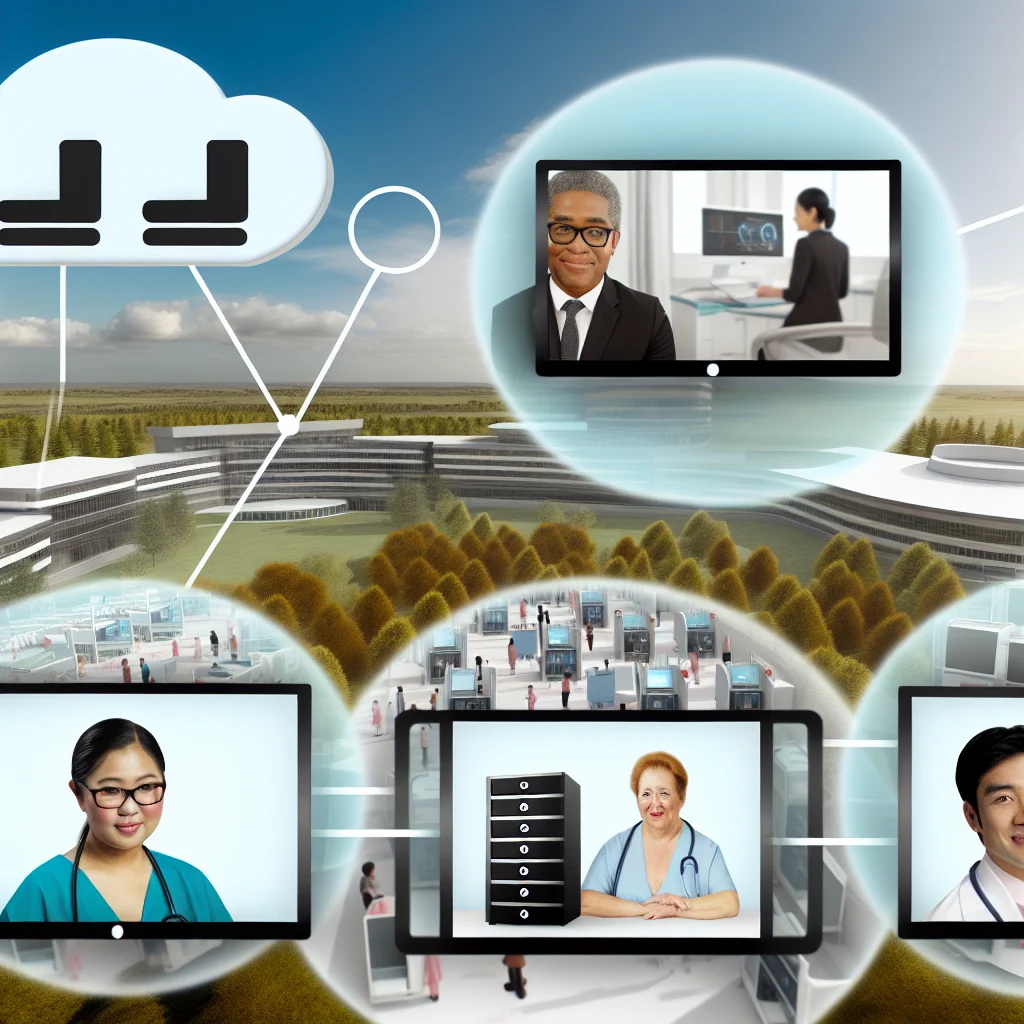
In addition to EHRs, telemedicine has emerged as a vital component of modern healthcare, particularly in remote and underserved areas. Through telemedicine, patients can consult with healthcare providers via video calls, reducing the need for travel and minimizing the time spent in waiting rooms. This not only enhances patient convenience but also allows for more frequent monitoring of chronic conditions, leading to timely interventions and improved health outcomes. Furthermore, telemedicine has proven invaluable during public health emergencies, such as the COVID-19 pandemic, by maintaining continuity of care while minimizing the risk of infection.
While improving patient care is a primary focus, IT also plays a crucial role in streamlining data management within healthcare systems. The vast amounts of data generated daily require efficient storage, retrieval, and analysis to support clinical decision-making and operational efficiency. Advanced data analytics tools enable healthcare organizations to identify trends, predict patient outcomes, and optimize resource allocation. For instance, predictive analytics can help identify patients at high risk of readmission, allowing for targeted interventions that reduce hospital stays and associated costs.
Moreover, IT solutions enhance data security and privacy, which are paramount in healthcare. With the increasing digitization of medical records, protecting sensitive patient information from cyber threats is a top priority. Robust cybersecurity measures, such as encryption and multi-factor authentication, are essential to safeguarding data integrity and maintaining patient trust. Additionally, compliance with regulations such as the Health Insurance Portability and Accountability Act (HIPAA) ensures that healthcare organizations adhere to strict standards for data protection.
The integration of IT in healthcare also facilitates research and innovation. By harnessing big data, researchers can conduct large-scale studies that lead to groundbreaking discoveries and advancements in medical science. This, in turn, translates into new treatment options and improved patient care. Furthermore, IT enables the development of cutting-edge technologies, such as artificial intelligence and machine learning, which are increasingly being used to enhance diagnostic accuracy and automate routine tasks, freeing up healthcare professionals to focus on more complex patient needs.
In conclusion, the role of IT in healthcare is multifaceted, encompassing improvements in patient care and the efficient management of data. As technology continues to advance, its integration into healthcare systems will undoubtedly lead to further enhancements in the quality and delivery of care. By embracing these innovations, healthcare providers can ensure that they meet the evolving needs of patients while maintaining the highest standards of data security and privacy.
Revolutionizing Patient Care with Advanced Health Information Systems
The integration of Information Technology (IT) into healthcare has revolutionized the way patient care is delivered and how data is managed. Advanced Health Information Systems (HIS) have become indispensable tools in modern healthcare settings, offering numerous benefits that enhance the quality of care and streamline operations. As healthcare providers increasingly rely on these systems, it is essential to understand their impact on patient care and data management.
One of the most significant contributions of IT in healthcare is the improvement of patient care through Electronic Health Records (EHRs). EHRs provide a comprehensive, digital version of a patient’s medical history, accessible to authorized healthcare providers across different facilities. This accessibility ensures that healthcare professionals have up-to-date information, enabling them to make informed decisions quickly. Consequently, EHRs reduce the likelihood of medical errors, enhance the coordination of care, and improve patient outcomes. Moreover, EHRs facilitate the sharing of information among specialists, ensuring that patients receive holistic and well-coordinated care.
In addition to EHRs, telemedicine has emerged as a vital component of modern healthcare, particularly in remote and underserved areas. By leveraging IT, telemedicine allows patients to consult with healthcare providers via video conferencing, reducing the need for travel and making healthcare more accessible. This technology is especially beneficial for patients with mobility issues or those living in rural areas where healthcare facilities may be scarce. Furthermore, telemedicine has proven invaluable during public health emergencies, such as the COVID-19 pandemic, by minimizing the risk of infection while maintaining continuity of care.
Another critical aspect of IT in healthcare is the enhancement of data management. Health Information Systems enable the efficient collection, storage, and analysis of vast amounts of data, which can be used to identify trends, improve patient care, and inform policy decisions. For instance, data analytics can help healthcare providers identify patterns in patient populations, leading to more effective disease prevention and management strategies. Additionally, predictive analytics can forecast patient outcomes, allowing for proactive interventions that can significantly improve health outcomes.
Moreover, IT has facilitated the development of decision support systems that assist healthcare providers in diagnosing and treating patients. These systems use algorithms and data analysis to provide evidence-based recommendations, reducing the cognitive load on healthcare professionals and ensuring that patients receive the most appropriate care. As a result, decision support systems contribute to more accurate diagnoses and more effective treatment plans.
Despite the numerous advantages of IT in healthcare, challenges remain. Data security and patient privacy are paramount concerns, as the digitization of health records increases the risk of data breaches. Healthcare organizations must implement robust security measures to protect sensitive information and comply with regulations such as the Health Insurance Portability and Accountability Act (HIPAA). Additionally, the integration of IT systems can be costly and complex, requiring significant investment in infrastructure and training.
In conclusion, the role of IT in healthcare is transformative, offering significant improvements in patient care and data management. Advanced Health Information Systems, including EHRs, telemedicine, and decision support systems, have enhanced the quality and accessibility of healthcare services. While challenges such as data security and system integration persist, the benefits of IT in healthcare are undeniable. As technology continues to evolve, it will undoubtedly play an increasingly vital role in shaping the future of healthcare, ultimately leading to better patient outcomes and more efficient healthcare delivery.
The Role of Electronic Health Records in Modern Healthcare IT Solutions
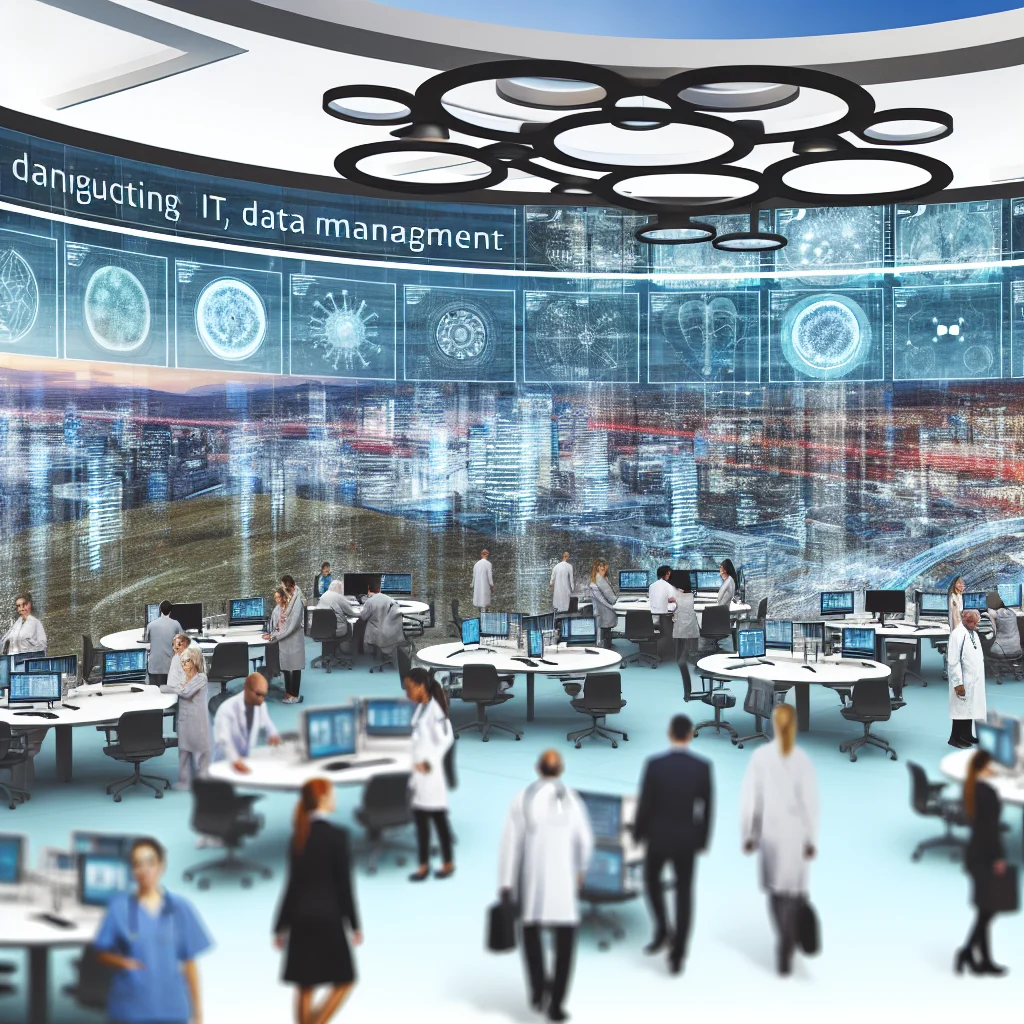
In the rapidly evolving landscape of healthcare, the integration of Information Technology (IT) has become indispensable, particularly through the implementation of Electronic Health Records (EHRs). These digital versions of patients’ paper charts have revolutionized the way healthcare providers manage patient information, offering a myriad of benefits that enhance both patient care and data management. As healthcare systems worldwide strive to improve efficiency and accuracy, EHRs stand at the forefront of modern healthcare IT solutions.
One of the primary advantages of EHRs is their ability to provide comprehensive and up-to-date patient information at the point of care. This accessibility ensures that healthcare providers have immediate access to a patient’s medical history, medications, allergies, and test results, thereby facilitating informed decision-making. Consequently, this leads to improved patient outcomes, as clinicians can tailor treatments based on accurate and complete data. Moreover, EHRs reduce the risk of medical errors, which are often attributed to illegible handwriting or incomplete documentation in traditional paper records.
In addition to enhancing patient care, EHRs play a crucial role in streamlining administrative processes within healthcare facilities. By digitizing records, EHRs eliminate the need for physical storage space and reduce the time spent on manual data entry. This efficiency not only lowers operational costs but also allows healthcare staff to focus more on patient-centered activities. Furthermore, EHRs facilitate seamless communication and coordination among different departments and healthcare providers, ensuring that everyone involved in a patient’s care is on the same page.
Another significant aspect of EHRs is their contribution to data management and analysis. The vast amount of data generated by EHRs can be harnessed to identify trends, track disease outbreaks, and conduct research. This capability is particularly valuable in public health, where timely and accurate data is essential for effective response strategies. Additionally, EHRs support population health management by enabling healthcare providers to monitor and manage the health of entire patient populations, thus promoting preventive care and reducing the incidence of chronic diseases.
Despite the numerous benefits, the implementation of EHRs is not without challenges. Concerns about data security and patient privacy are paramount, as the digitization of health records increases the risk of cyberattacks and unauthorized access. To mitigate these risks, healthcare organizations must invest in robust cybersecurity measures and ensure compliance with regulations such as the Health Insurance Portability and Accountability Act (HIPAA). Moreover, the transition from paper-based systems to EHRs can be complex and costly, requiring significant investment in technology and training for healthcare staff.
Nevertheless, the long-term benefits of EHRs far outweigh these challenges. As technology continues to advance, the integration of artificial intelligence and machine learning into EHR systems holds the promise of further enhancing their capabilities. These innovations could lead to more personalized and predictive healthcare, where treatment plans are tailored to individual patients based on their unique genetic makeup and health data.
In conclusion, Electronic Health Records are a cornerstone of modern healthcare IT solutions, playing a pivotal role in improving patient care and data management. By providing accurate and accessible patient information, streamlining administrative processes, and enabling data-driven decision-making, EHRs contribute significantly to the efficiency and effectiveness of healthcare delivery. As the healthcare industry continues to embrace digital transformation, the role of EHRs will undoubtedly expand, paving the way for a more connected and patient-centric future.
Leveraging Medical Technology for Improved Patient Outcomes and Data Efficiency
In recent years, the integration of information technology (IT) into healthcare has revolutionized the way medical services are delivered, significantly enhancing patient care and data management. As healthcare systems worldwide strive to improve efficiency and outcomes, the role of IT has become increasingly pivotal. By leveraging advanced medical technology, healthcare providers can offer more precise diagnoses, personalized treatment plans, and streamlined operations, ultimately leading to improved patient outcomes and data efficiency.
One of the most significant contributions of IT in healthcare is the development and implementation of electronic health records (EHRs). EHRs have transformed the way patient information is stored, accessed, and shared among healthcare professionals. By digitizing patient records, healthcare providers can quickly access comprehensive medical histories, which facilitates more accurate diagnoses and effective treatment plans. Moreover, EHRs enable seamless communication between different healthcare facilities, ensuring that patient information is consistently updated and readily available, thus reducing the risk of medical errors and enhancing the continuity of care.
In addition to EHRs, telemedicine has emerged as a vital component of modern healthcare, particularly in the wake of the COVID-19 pandemic. Telemedicine leverages IT to provide remote clinical services, allowing patients to consult with healthcare professionals from the comfort of their homes. This not only increases access to medical care, especially for those in remote or underserved areas, but also reduces the burden on healthcare facilities. Furthermore, telemedicine can lead to more timely interventions, as patients can receive medical advice and treatment without the need for in-person visits, thereby improving patient outcomes.
Another area where IT has made a substantial impact is in the realm of data analytics. The vast amounts of data generated in healthcare settings can be harnessed to gain valuable insights into patient care and operational efficiency. Advanced data analytics tools enable healthcare providers to identify patterns and trends, predict patient outcomes, and make informed decisions. For instance, predictive analytics can be used to identify patients at high risk of developing certain conditions, allowing for early intervention and preventive measures. This proactive approach not only improves patient outcomes but also reduces healthcare costs by minimizing the need for more intensive treatments.
Moreover, IT plays a crucial role in enhancing the security and privacy of patient data. With the increasing digitization of healthcare information, safeguarding sensitive data has become a top priority. IT solutions such as encryption, access controls, and secure data storage ensure that patient information is protected from unauthorized access and breaches. By maintaining the confidentiality and integrity of patient data, healthcare providers can build trust with patients and comply with regulatory requirements.
Furthermore, the integration of IT in healthcare has facilitated the development of innovative medical devices and applications that support patient care. Wearable technology, for example, allows for continuous monitoring of vital signs, enabling healthcare providers to track patient health in real-time and respond promptly to any changes. Mobile health applications empower patients to take an active role in managing their health by providing tools for tracking medications, appointments, and lifestyle habits.
In conclusion, the role of IT in healthcare is indispensable in improving patient care and data management. By embracing medical technology, healthcare providers can enhance the quality of care, optimize operations, and ensure the security of patient information. As technology continues to evolve, its integration into healthcare will undoubtedly lead to even greater advancements, ultimately benefiting both patients and healthcare systems worldwide.
How Healthcare IT Solutions Are Transforming Data Management Practices
In recent years, the integration of Information Technology (IT) into healthcare has revolutionized the way patient care is delivered and how data is managed. The adoption of healthcare IT solutions has not only enhanced the efficiency of medical practices but also significantly improved the quality of patient care. As healthcare providers increasingly rely on digital systems, the transformation of data management practices has become a cornerstone of modern healthcare.
One of the most significant impacts of IT in healthcare is the transition from paper-based records to Electronic Health Records (EHRs). This shift has streamlined the management of patient information, making it more accessible and secure. EHRs allow healthcare providers to access comprehensive patient histories at the click of a button, facilitating more informed decision-making. Moreover, the interoperability of EHR systems enables seamless sharing of information across different healthcare facilities, ensuring continuity of care and reducing the risk of errors.
In addition to EHRs, healthcare IT solutions have introduced advanced data analytics tools that are transforming how patient data is utilized. These tools enable healthcare providers to analyze vast amounts of data to identify trends, predict outcomes, and personalize treatment plans. By leveraging predictive analytics, healthcare professionals can anticipate potential health issues before they become critical, thereby improving patient outcomes and reducing healthcare costs. Furthermore, data analytics can help identify inefficiencies within healthcare systems, allowing for more effective resource allocation and process optimization.
The integration of IT in healthcare has also enhanced patient engagement and communication. Patient portals, for instance, provide individuals with direct access to their health information, appointment scheduling, and communication with healthcare providers. This increased transparency empowers patients to take an active role in their healthcare journey, fostering a collaborative relationship between patients and providers. Additionally, telemedicine platforms have emerged as a vital component of healthcare IT, offering remote consultations and monitoring. This not only expands access to care, particularly for those in rural or underserved areas, but also reduces the burden on healthcare facilities.
However, the transformation of data management practices in healthcare is not without its challenges. The increasing reliance on digital systems raises concerns about data security and privacy. Healthcare organizations must implement robust cybersecurity measures to protect sensitive patient information from breaches and unauthorized access. Compliance with regulations such as the Health Insurance Portability and Accountability Act (HIPAA) is essential to ensure that patient data is handled with the utmost care and confidentiality.
Moreover, the successful implementation of healthcare IT solutions requires significant investment in infrastructure and training. Healthcare providers must be equipped with the necessary skills to effectively utilize these technologies, and ongoing education is crucial to keep pace with the rapid advancements in the field. Despite these challenges, the benefits of IT in healthcare far outweigh the drawbacks, as it continues to drive improvements in patient care and data management.
In conclusion, the role of IT in healthcare is pivotal in transforming data management practices. From the adoption of EHRs to the utilization of data analytics and telemedicine, healthcare IT solutions are enhancing the efficiency, accuracy, and accessibility of patient care. As the healthcare industry continues to evolve, the integration of IT will remain a key factor in shaping the future of healthcare delivery, ultimately leading to better patient outcomes and a more sustainable healthcare system.
Discover how IT is revolutionizing healthcare by enhancing patient care and streamlining data management. Embrace the future of healthcare technology today! Learn more.