Navigating HIPAA Compliance in Modern Healthcare Systems
Navigating the complexities of HIPAA compliance in modern healthcare systems is a critical task that demands both attention to detail and a comprehensive understanding of the regulatory landscape. The Health Insurance Portability and Accountability Act (HIPAA), enacted in 1996, was designed to protect patient privacy and ensure the security of health information. As healthcare systems have evolved, so too have the challenges associated with maintaining compliance. In today’s digital age, where electronic health records (EHRs) and telemedicine are becoming increasingly prevalent, healthcare providers must be vigilant in safeguarding sensitive patient data.
One of the primary challenges in achieving HIPAA compliance is the integration of advanced technologies within healthcare systems. The adoption of EHRs, for instance, has revolutionized the way patient information is stored and accessed. However, it also introduces potential vulnerabilities that must be addressed. Ensuring that these systems are secure requires robust encryption methods, regular security audits, and comprehensive staff training. Moreover, as healthcare providers increasingly rely on cloud-based solutions, they must ensure that their cloud service providers are also compliant with HIPAA regulations.
In addition to technological considerations, healthcare organizations must also focus on the human element of compliance. Employees at all levels must be educated about the importance of protecting patient information and the specific protocols that must be followed. Regular training sessions and updates on the latest compliance requirements are essential to maintaining a culture of security and privacy. Furthermore, organizations should implement strict access controls to ensure that only authorized personnel can access sensitive information.
Another critical aspect of HIPAA compliance is the management of third-party vendors. Many healthcare systems rely on external partners for various services, such as billing, data storage, and IT support. It is imperative that these vendors are also compliant with HIPAA regulations, as any breach on their part could have significant repercussions for the healthcare provider. Establishing clear contracts and conducting regular audits of third-party vendors can help mitigate these risks.
The rise of telemedicine presents additional challenges for HIPAA compliance. While telemedicine offers numerous benefits, such as increased accessibility and convenience for patients, it also requires healthcare providers to implement secure communication channels. Video consultations, for example, must be conducted over encrypted platforms to prevent unauthorized access. Additionally, healthcare providers must ensure that any data transmitted during these consultations is stored securely and in compliance with HIPAA standards.
Despite these challenges, achieving HIPAA compliance is not an insurmountable task. By adopting a proactive approach and staying informed about the latest regulatory updates, healthcare organizations can effectively navigate the complexities of compliance. Regular risk assessments, for instance, can help identify potential vulnerabilities and areas for improvement. Moreover, fostering a culture of compliance within the organization can ensure that all employees understand their role in protecting patient information.
In conclusion, navigating HIPAA compliance in modern healthcare systems requires a multifaceted approach that addresses both technological and human factors. By prioritizing data security, educating staff, managing third-party vendors, and adapting to new technologies like telemedicine, healthcare providers can protect patient privacy and maintain the trust of those they serve. As the healthcare landscape continues to evolve, staying vigilant and informed will be key to ensuring ongoing compliance and safeguarding sensitive health information.
The Evolution of EHR: Transforming Healthcare Systems
The evolution of Electronic Health Records (EHR) has been a transformative force in modern healthcare systems, reshaping the way patient information is managed and utilized. Initially, healthcare systems relied heavily on paper-based records, which were often cumbersome, prone to errors, and difficult to share across different healthcare providers. However, with the advent of digital technology, EHRs have emerged as a pivotal component in enhancing the efficiency and effectiveness of healthcare delivery.
One of the most significant advantages of EHRs is their ability to provide a comprehensive and easily accessible patient history. This digital transformation allows healthcare providers to quickly access a patient’s medical history, including past diagnoses, treatments, and medications. Consequently, this accessibility facilitates more informed decision-making, leading to improved patient outcomes. Moreover, EHRs reduce the likelihood of medical errors, as they often include features such as alerts for potential drug interactions and reminders for preventive care measures.
In addition to improving patient care, EHRs have also streamlined administrative processes within healthcare systems. By digitizing records, healthcare facilities can reduce the time and resources spent on managing paper documents. This efficiency not only lowers operational costs but also allows healthcare professionals to devote more time to patient care rather than administrative tasks. Furthermore, EHRs enable seamless communication and coordination among different healthcare providers, ensuring that all parties involved in a patient’s care are on the same page.
Despite these benefits, the transition to EHRs has not been without challenges. One of the primary concerns has been the issue of data security and patient privacy. As healthcare systems increasingly rely on digital records, the risk of data breaches and unauthorized access to sensitive information has become a pressing concern. To address this, healthcare organizations must implement robust security measures, such as encryption and access controls, to protect patient data. Additionally, compliance with regulations such as the Health Insurance Portability and Accountability Act (HIPAA) is essential to safeguard patient privacy.
Another challenge in the adoption of EHRs is the resistance to change among healthcare professionals. Transitioning from paper-based systems to digital records requires significant training and adaptation. Some healthcare providers may be hesitant to embrace new technologies due to concerns about the learning curve and potential disruptions to their workflow. To mitigate this, healthcare organizations must invest in comprehensive training programs and provide ongoing support to ensure a smooth transition.
Moreover, the interoperability of EHR systems remains a critical issue. With numerous EHR vendors in the market, ensuring that different systems can communicate and share information seamlessly is essential for maximizing the benefits of digital records. Efforts to standardize data formats and promote interoperability are ongoing, with initiatives such as the Fast Healthcare Interoperability Resources (FHIR) framework playing a crucial role in facilitating data exchange.
In conclusion, the evolution of EHRs has significantly transformed healthcare systems, offering numerous benefits in terms of patient care and administrative efficiency. While challenges such as data security, resistance to change, and interoperability persist, ongoing advancements in technology and concerted efforts to address these issues continue to drive the adoption and optimization of EHRs. As healthcare systems evolve, the role of EHRs in enhancing the quality and efficiency of care is likely to become even more pronounced, ultimately contributing to better health outcomes for patients worldwide.
Emerging Health IT Trends Shaping the Future of Healthcare
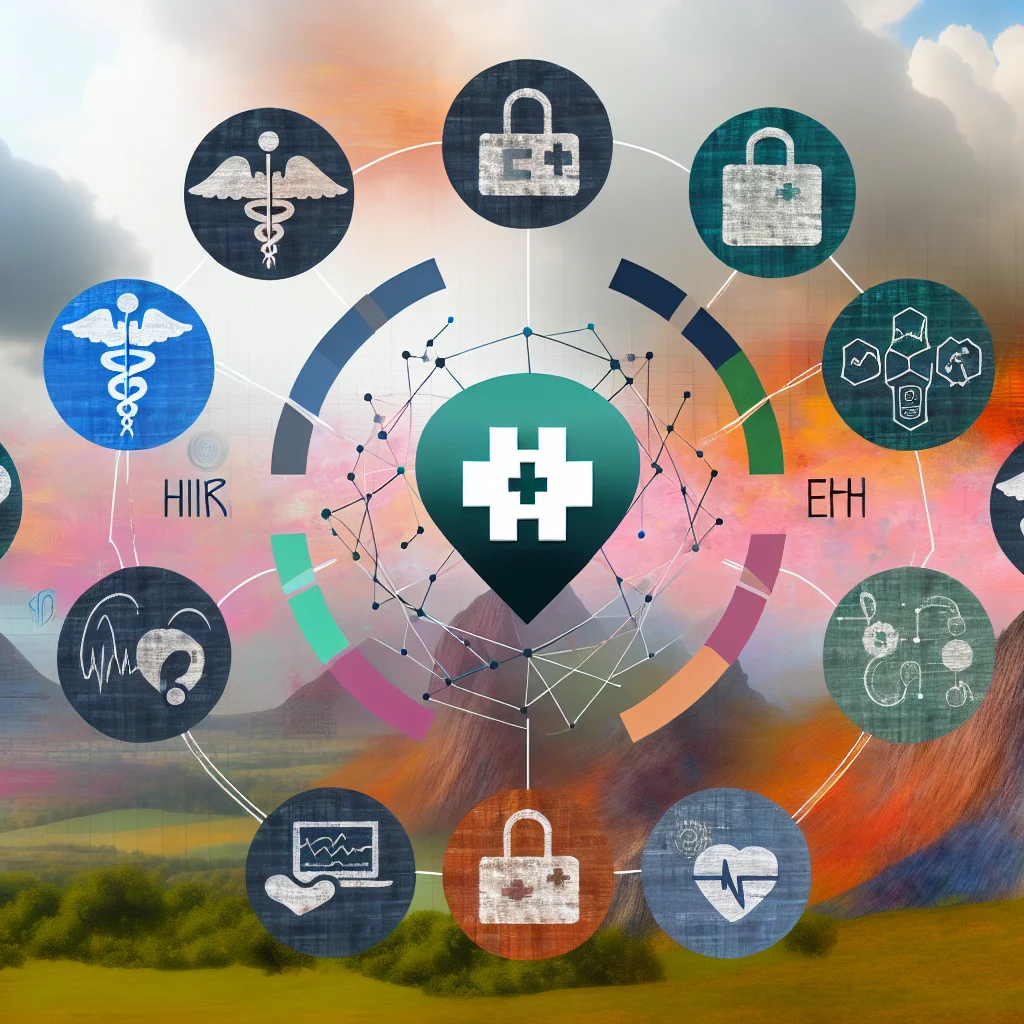
In recent years, the healthcare industry has witnessed a transformative shift driven by the rapid advancement of information technology. As healthcare systems strive to improve patient outcomes, reduce costs, and enhance operational efficiency, emerging health IT trends are playing a pivotal role in shaping the future of healthcare. One of the most significant trends is the increasing adoption of electronic health records (EHRs). EHRs have revolutionized the way patient information is stored, accessed, and shared among healthcare providers. By digitizing patient records, EHRs facilitate seamless communication and coordination across different healthcare settings, ultimately leading to improved patient care and safety.
Moreover, the integration of artificial intelligence (AI) into healthcare systems is another trend that is gaining momentum. AI technologies, such as machine learning and natural language processing, are being utilized to analyze vast amounts of healthcare data, enabling healthcare providers to make more informed decisions. For instance, AI algorithms can assist in diagnosing diseases, predicting patient outcomes, and personalizing treatment plans. This not only enhances the accuracy of diagnoses but also allows for more targeted and effective interventions, thereby improving patient outcomes.
In addition to AI, telemedicine has emerged as a crucial component of modern healthcare systems. The COVID-19 pandemic accelerated the adoption of telemedicine, as it provided a safe and convenient way for patients to access healthcare services remotely. Telemedicine platforms enable virtual consultations, remote monitoring, and digital prescriptions, thereby increasing access to healthcare, especially for individuals in rural or underserved areas. As telemedicine continues to evolve, it is expected to become an integral part of healthcare delivery, offering patients greater flexibility and convenience.
Furthermore, the Internet of Medical Things (IoMT) is transforming the way healthcare is delivered and managed. IoMT refers to the network of connected medical devices and applications that collect and exchange health data. These devices, ranging from wearable fitness trackers to smart implants, provide real-time monitoring of patients’ vital signs and health conditions. By continuously collecting and transmitting data, IoMT devices enable healthcare providers to monitor patients remotely, detect potential health issues early, and intervene promptly. This proactive approach not only improves patient outcomes but also reduces the burden on healthcare facilities.
Another emerging trend is the focus on data interoperability and standardization. As healthcare systems become increasingly digitized, the ability to share and exchange data seamlessly across different platforms and systems is crucial. Interoperability ensures that healthcare providers have access to comprehensive and up-to-date patient information, regardless of the system or platform they use. This facilitates better coordination of care, reduces duplication of tests and procedures, and minimizes the risk of medical errors. Efforts to establish common data standards and protocols are underway, with the aim of creating a more connected and efficient healthcare ecosystem.
Lastly, cybersecurity has become a top priority for healthcare organizations as they embrace digital transformation. The increasing reliance on digital technologies and the growing volume of sensitive patient data have made healthcare systems attractive targets for cyberattacks. To safeguard patient information and maintain trust, healthcare organizations are investing in robust cybersecurity measures, such as encryption, multi-factor authentication, and regular security audits. By prioritizing cybersecurity, healthcare systems can protect patient data and ensure the integrity and confidentiality of healthcare services.
In conclusion, the integration of emerging health IT trends is reshaping the landscape of healthcare systems. From EHRs and AI to telemedicine and IoMT, these technologies are driving improvements in patient care, operational efficiency, and data management. As healthcare systems continue to evolve, embracing these trends will be essential to meeting the challenges of the future and delivering high-quality, patient-centered care.
Enhancing Clinical Support Through Advanced Tech Integration
In the rapidly evolving landscape of healthcare, the integration of advanced technology into clinical support systems has become a pivotal factor in enhancing patient care and operational efficiency. As healthcare systems strive to meet the increasing demands of patient populations, the role of technology in streamlining processes and improving outcomes cannot be overstated. The adoption of sophisticated healthcare IT solutions is transforming the way clinicians access information, make decisions, and deliver care, ultimately leading to more effective and personalized treatment plans.
One of the most significant advancements in this domain is the implementation of electronic health records (EHRs). EHRs have revolutionized the way patient information is stored, accessed, and shared among healthcare providers. By digitizing patient records, EHRs facilitate seamless communication and coordination across different departments and specialties. This integration ensures that healthcare professionals have real-time access to comprehensive patient data, enabling them to make informed decisions quickly and accurately. Moreover, EHRs reduce the risk of errors associated with manual record-keeping, thereby enhancing patient safety and care quality.
In addition to EHRs, clinical decision support systems (CDSS) are playing an increasingly vital role in healthcare settings. These systems leverage artificial intelligence and machine learning algorithms to analyze vast amounts of data and provide evidence-based recommendations to clinicians. By offering insights into potential diagnoses, treatment options, and drug interactions, CDSS empower healthcare providers to deliver more precise and effective care. Furthermore, these systems can alert clinicians to potential issues such as allergies or contraindications, thereby preventing adverse events and improving patient outcomes.
Telemedicine is another area where technology integration is making a significant impact. The advent of telehealth platforms has expanded access to care, particularly for patients in remote or underserved areas. Through virtual consultations, patients can receive timely medical advice and treatment without the need for travel, reducing the burden on healthcare facilities and improving patient satisfaction. Telemedicine also enables continuous monitoring of chronic conditions, allowing for proactive management and early intervention when necessary. This approach not only enhances patient engagement but also contributes to better long-term health outcomes.
Moreover, the integration of wearable technology and mobile health applications is empowering patients to take a more active role in managing their health. Devices such as smartwatches and fitness trackers provide real-time data on vital signs, physical activity, and other health metrics. This information can be shared with healthcare providers, offering valuable insights into a patient’s lifestyle and health status. By facilitating ongoing communication between patients and clinicians, wearable technology supports personalized care plans and encourages adherence to treatment regimens.
Despite the numerous benefits of advanced tech integration in healthcare, challenges remain. Ensuring data security and patient privacy is paramount, as the increased digitization of health information presents potential risks. Healthcare systems must implement robust cybersecurity measures to protect sensitive data from breaches and unauthorized access. Additionally, the successful integration of technology requires significant investment in infrastructure and training, as well as a cultural shift towards embracing digital solutions.
In conclusion, the integration of advanced technology into clinical support systems is reshaping the healthcare landscape, offering unprecedented opportunities to enhance patient care and operational efficiency. By leveraging tools such as EHRs, CDSS, telemedicine, and wearable technology, healthcare providers can deliver more personalized, effective, and timely care. As the industry continues to evolve, ongoing collaboration between technology developers, healthcare professionals, and policymakers will be essential to overcome challenges and fully realize the potential of these innovations.
Optimizing Medical Data Management in Healthcare Systems
In the rapidly evolving landscape of healthcare, the optimization of medical data management has emerged as a critical component in enhancing the efficiency and effectiveness of healthcare systems. As the volume of medical data continues to grow exponentially, driven by advancements in medical technology and the increasing digitization of health records, healthcare providers are faced with the challenge of managing this data in a way that maximizes its utility while ensuring patient privacy and data security. Consequently, the integration of sophisticated healthcare IT solutions has become indispensable in addressing these challenges.
One of the primary objectives of optimizing medical data management is to improve patient care by ensuring that healthcare providers have timely access to accurate and comprehensive patient information. This is achieved through the implementation of electronic health records (EHRs), which consolidate patient data from various sources into a single, accessible platform. EHRs facilitate seamless communication among healthcare professionals, enabling them to make informed decisions based on a holistic view of a patient’s medical history. Moreover, the interoperability of EHR systems across different healthcare facilities ensures continuity of care, particularly for patients with complex medical conditions who require treatment from multiple specialists.
In addition to enhancing patient care, effective medical data management also plays a pivotal role in streamlining administrative processes within healthcare systems. By automating routine tasks such as appointment scheduling, billing, and insurance claims processing, healthcare IT solutions reduce the administrative burden on healthcare staff, allowing them to focus more on patient-centered activities. Furthermore, the use of data analytics tools enables healthcare organizations to identify trends and patterns in patient data, facilitating more accurate forecasting and resource allocation. This, in turn, leads to improved operational efficiency and cost savings.
However, the optimization of medical data management is not without its challenges. One of the most pressing concerns is ensuring the security and privacy of patient data. With the increasing prevalence of cyber threats, healthcare organizations must implement robust cybersecurity measures to protect sensitive information from unauthorized access and data breaches. This includes employing encryption technologies, conducting regular security audits, and providing staff training on data protection best practices. Additionally, compliance with regulations such as the Health Insurance Portability and Accountability Act (HIPAA) is essential to safeguard patient privacy and maintain public trust in healthcare systems.
Another challenge lies in the integration of disparate data sources, which often exist in silos within healthcare organizations. To address this issue, healthcare IT solutions must be designed with interoperability in mind, allowing for the seamless exchange of data across different platforms and systems. This requires collaboration among healthcare providers, IT vendors, and regulatory bodies to establish standardized protocols and frameworks that facilitate data sharing while maintaining data integrity and security.
In conclusion, optimizing medical data management is a multifaceted endeavor that requires a strategic approach to harness the full potential of healthcare IT solutions. By prioritizing the integration of EHRs, enhancing data security measures, and promoting interoperability, healthcare systems can improve patient care, streamline administrative processes, and achieve greater operational efficiency. As the healthcare industry continues to evolve, the ongoing refinement of medical data management practices will be crucial in meeting the demands of an increasingly data-driven world.
Discover the top 10 healthcare systems transforming the industry with cutting-edge IT insights. Stay ahead in healthcare innovation. Learn more.