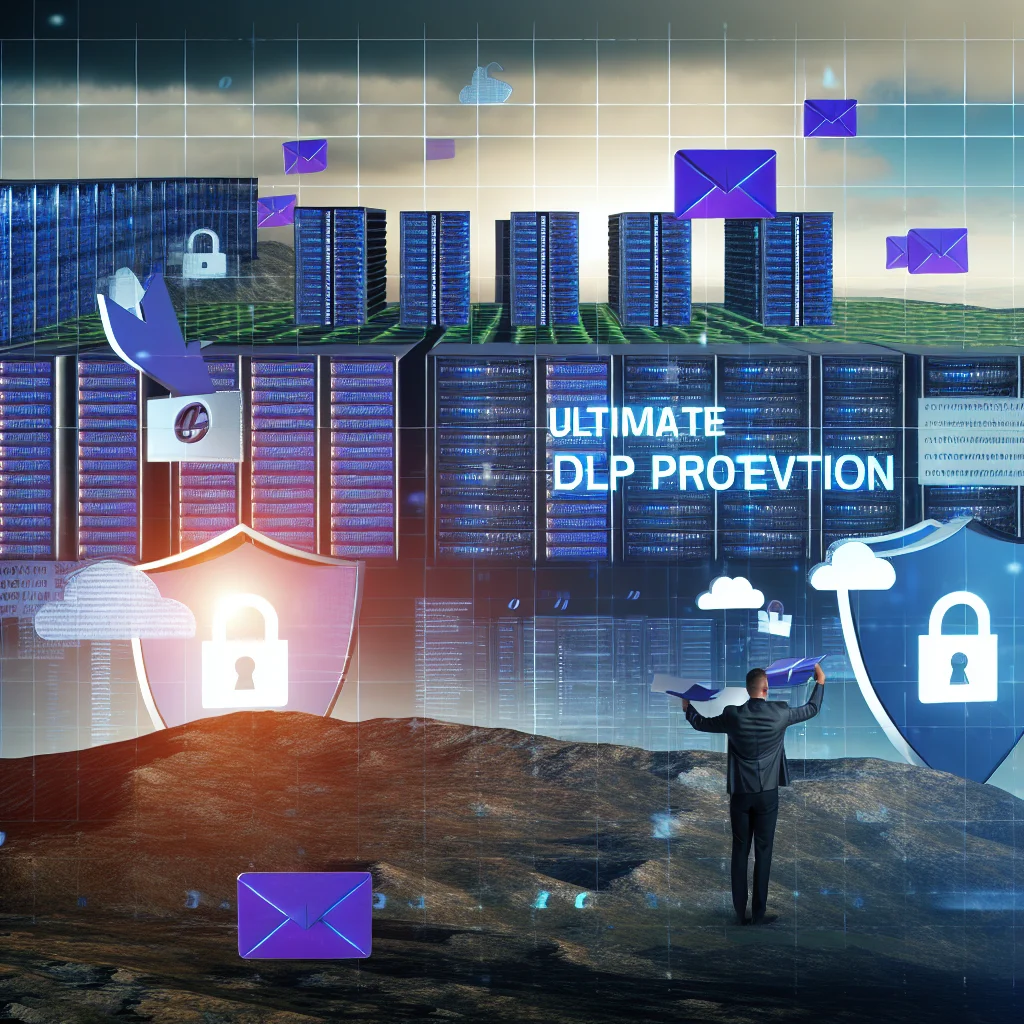
Email Protection Strategies in DLP Systems: Safeguarding Sensitive Information
In the digital age, where communication is predominantly conducted through electronic means, email remains a critical tool for both personal and professional interactions. However, the convenience of email also presents significant risks, particularly concerning the protection of sensitive information. Data Loss Prevention (DLP) systems have emerged as essential solutions in safeguarding sensitive data, and within these systems, email protection strategies play a pivotal role. Understanding the intricacies of these strategies is crucial for organizations aiming to fortify their data security frameworks.
Email protection strategies within DLP systems are designed to prevent unauthorized access, accidental sharing, and intentional exfiltration of sensitive information. These strategies are multifaceted, incorporating a range of technologies and policies to ensure comprehensive protection. One of the primary components of email protection in DLP systems is content filtering. This involves scanning outgoing and incoming emails for sensitive information, such as personal identification numbers, financial data, or proprietary business information. By identifying and flagging such content, organizations can prevent the inadvertent or malicious transmission of sensitive data.
Moreover, encryption is a fundamental aspect of email protection strategies. By encrypting emails, organizations can ensure that even if an email is intercepted, its contents remain unreadable to unauthorized parties. This layer of security is particularly important when emails are transmitted over unsecured networks, where the risk of interception is heightened. In addition to encryption, DLP systems often employ digital rights management (DRM) technologies. DRM allows organizations to control access to email content, specifying who can view, edit, or forward emails, thereby reducing the risk of data leakage.
Another critical element of email protection strategies is the implementation of robust access controls. By ensuring that only authorized personnel have access to sensitive information, organizations can mitigate the risk of internal threats. This involves not only restricting access to certain emails but also monitoring user activity to detect any suspicious behavior. For instance, if an employee attempts to send a large volume of sensitive data outside the organization, the DLP system can trigger an alert, allowing for immediate investigation and response.
Furthermore, user education and awareness are integral to the effectiveness of email protection strategies. Employees must be trained to recognize potential threats, such as phishing attempts, and understand the importance of adhering to data protection policies. By fostering a culture of security awareness, organizations can empower their workforce to act as the first line of defense against data breaches.
In addition to these technical and educational measures, organizations must also establish clear policies and procedures for handling sensitive information. This includes defining what constitutes sensitive data, outlining the protocols for its transmission, and specifying the consequences of policy violations. By having a well-defined framework in place, organizations can ensure consistency in their approach to data protection and provide a basis for accountability.
In conclusion, email protection strategies within DLP systems are a critical component of an organization’s data security infrastructure. By employing a combination of content filtering, encryption, access controls, and user education, organizations can effectively safeguard sensitive information from a myriad of threats. As cyber threats continue to evolve, it is imperative for organizations to remain vigilant and proactive in their approach to email protection, ensuring that their DLP systems are equipped to address the challenges of the modern digital landscape.
Compliance Tools and DLP Systems: Ensuring Regulatory Adherence
In today’s digital landscape, the importance of safeguarding sensitive information cannot be overstated. As organizations increasingly rely on digital data, the risk of data breaches and unauthorized access has grown exponentially. This is where Data Loss Prevention (DLP) systems come into play, serving as a critical component in the arsenal of compliance tools designed to ensure regulatory adherence. DLP systems are instrumental in identifying, monitoring, and protecting sensitive data, thereby helping organizations meet stringent regulatory requirements.
The primary function of DLP systems is to prevent the unauthorized transmission of sensitive information outside the corporate network. These systems achieve this by employing a combination of technologies and processes that detect potential data breaches and mitigate the risk of data loss. By doing so, DLP systems help organizations comply with various regulatory frameworks such as the General Data Protection Regulation (GDPR), the Health Insurance Portability and Accountability Act (HIPAA), and the Sarbanes-Oxley Act (SOX), among others. Compliance with these regulations is not only a legal obligation but also a critical factor in maintaining customer trust and protecting an organization’s reputation.
One of the key features of DLP systems is their ability to classify and categorize data based on its sensitivity. This classification enables organizations to apply appropriate security measures to different types of data, ensuring that sensitive information is adequately protected. For instance, personal identifiable information (PII) and financial data can be tagged for heightened security, while less sensitive data may be subject to standard protection protocols. This targeted approach to data protection is essential for achieving compliance with regulatory standards that mandate specific handling and protection of sensitive information.
Moreover, DLP systems provide organizations with the capability to monitor data in motion, data at rest, and data in use. This comprehensive monitoring ensures that sensitive information is protected across all stages of its lifecycle. By tracking data movement and access, DLP systems can identify potential vulnerabilities and prevent unauthorized access or data exfiltration. This level of oversight is crucial for demonstrating compliance with regulations that require organizations to maintain robust data protection measures.
In addition to monitoring and protection, DLP systems also offer reporting and auditing functionalities. These features are vital for compliance purposes, as they provide a documented trail of data handling activities. In the event of a regulatory audit, organizations can present detailed reports generated by their DLP systems to demonstrate adherence to data protection standards. This transparency not only facilitates compliance but also enhances an organization’s ability to respond to potential data breaches swiftly and effectively.
Furthermore, the integration of DLP systems with other compliance tools, such as encryption and access control solutions, creates a comprehensive security framework. This integrated approach ensures that all aspects of data protection are addressed, from preventing unauthorized access to ensuring data integrity and confidentiality. By leveraging the capabilities of DLP systems alongside other security measures, organizations can build a robust defense against data breaches and regulatory non-compliance.
In conclusion, DLP systems are indispensable tools for organizations seeking to ensure regulatory adherence in an increasingly complex digital environment. By providing comprehensive data protection, monitoring, and reporting capabilities, these systems help organizations safeguard sensitive information and maintain compliance with a myriad of regulatory requirements. As data protection regulations continue to evolve, the role of DLP systems in compliance strategies will undoubtedly become even more critical, underscoring their importance in the realm of data security.
Access Control Mechanisms in DLP Systems: Enhancing Data Security
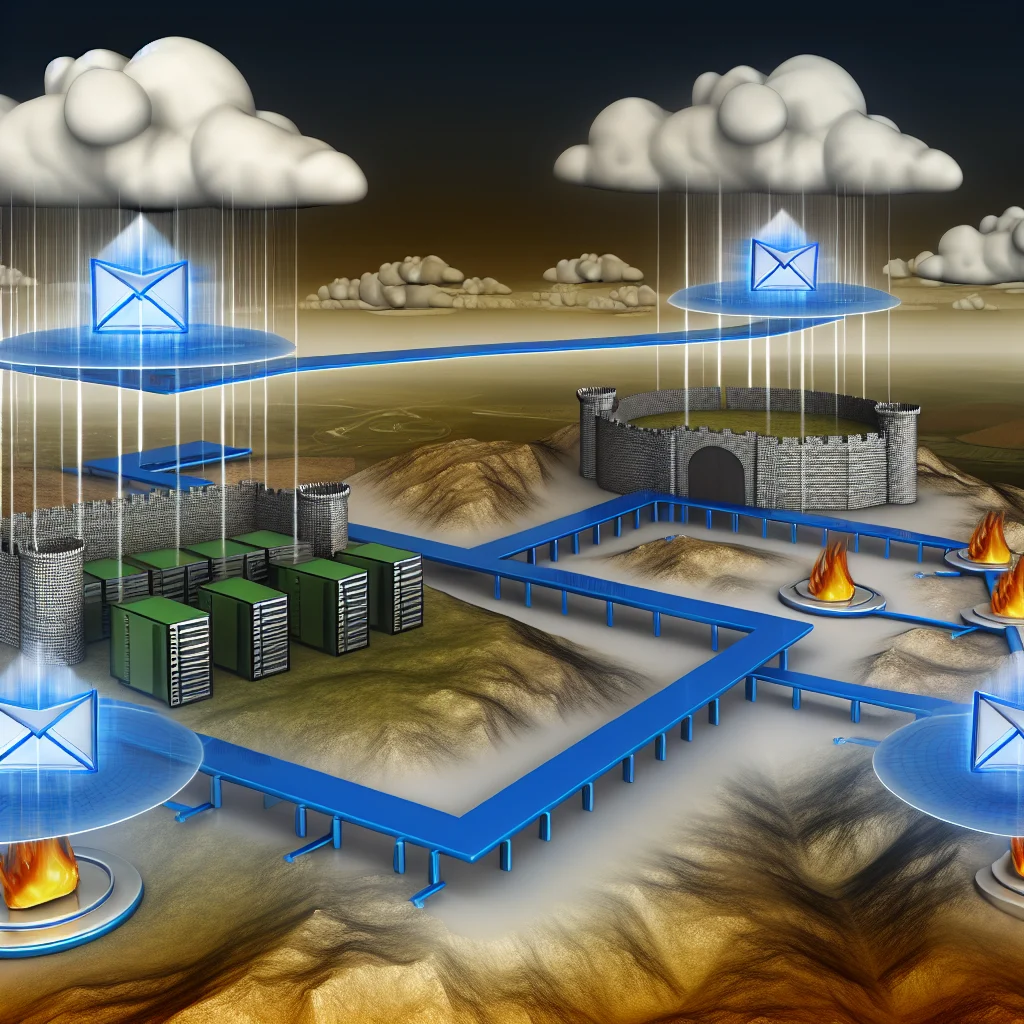
In the contemporary digital landscape, the protection of sensitive information has become a paramount concern for organizations across various sectors. Data Loss Prevention (DLP) systems have emerged as a critical component in safeguarding data, ensuring that unauthorized access and data breaches are minimized. Central to the efficacy of DLP systems are access control mechanisms, which play a pivotal role in enhancing data security. These mechanisms are designed to regulate who can view or use resources in a computing environment, thereby providing a robust framework for data protection.
Access control mechanisms in DLP systems are multifaceted, encompassing a range of strategies and technologies that work in concert to secure data. One of the fundamental approaches is the implementation of role-based access control (RBAC). This method assigns permissions to users based on their roles within an organization, ensuring that individuals have access only to the information necessary for their job functions. By limiting access in this manner, organizations can significantly reduce the risk of data exposure and potential breaches.
In addition to RBAC, attribute-based access control (ABAC) offers a more dynamic and flexible approach. ABAC evaluates a set of attributes, such as user characteristics, resource types, and environmental conditions, to make access decisions. This granularity allows for more nuanced control, adapting to the complexities of modern organizational structures and the diverse scenarios in which data access is required. Consequently, ABAC can provide a more tailored security posture, accommodating the unique needs of different departments and user groups.
Moreover, the integration of multi-factor authentication (MFA) within DLP systems further strengthens access control mechanisms. MFA requires users to provide multiple forms of verification before gaining access to sensitive data, thereby adding an additional layer of security. This approach mitigates the risks associated with compromised credentials, as unauthorized users are less likely to possess the multiple factors required for access. As cyber threats continue to evolve, the adoption of MFA has become increasingly critical in fortifying data protection strategies.
Furthermore, the principle of least privilege (PoLP) is a cornerstone of effective access control in DLP systems. By ensuring that users have the minimum level of access necessary to perform their duties, PoLP minimizes the potential for accidental or malicious data exposure. This principle is particularly important in environments where data sensitivity varies, as it helps to compartmentalize access and reduce the attack surface available to potential intruders.
In addition to these mechanisms, continuous monitoring and auditing are essential components of a comprehensive access control strategy. By maintaining visibility into who accesses data and how it is used, organizations can detect anomalies and respond to potential threats in real-time. This proactive approach not only enhances security but also ensures compliance with regulatory requirements, which are increasingly stringent in today’s data-driven world.
In conclusion, access control mechanisms are integral to the effectiveness of DLP systems, providing a multi-layered defense against unauthorized data access and breaches. By leveraging strategies such as RBAC, ABAC, MFA, and PoLP, organizations can create a robust security framework that adapts to the evolving threat landscape. As data continues to be a valuable asset, the importance of implementing comprehensive access control measures within DLP systems cannot be overstated. Through diligent application and continuous improvement of these mechanisms, organizations can safeguard their data assets and maintain the trust of their stakeholders.
Backup Strategies for DLP Systems: Preventing Data Loss
In the ever-evolving landscape of digital information, safeguarding sensitive data has become a paramount concern for organizations worldwide. Data Loss Prevention (DLP) systems play a crucial role in this endeavor, offering robust mechanisms to detect and prevent unauthorized data access and transmission. However, while DLP systems are instrumental in protecting data, they are not infallible. Consequently, implementing effective backup strategies is essential to ensure data integrity and availability, even in the face of potential data loss incidents.
To begin with, it is important to recognize that DLP systems, while sophisticated, can be susceptible to various vulnerabilities, including system failures, cyberattacks, and human errors. These vulnerabilities underscore the necessity of having a comprehensive backup strategy in place. A well-structured backup plan not only mitigates the risk of data loss but also ensures business continuity by enabling organizations to recover critical information swiftly and efficiently.
One of the fundamental aspects of a robust backup strategy is the adoption of the 3-2-1 rule. This rule advocates for maintaining three copies of data, stored on two different types of media, with one copy located offsite. By diversifying storage media and locations, organizations can significantly reduce the risk of data loss due to localized incidents such as hardware failures or natural disasters. Moreover, offsite backups provide an additional layer of security against cyber threats, ensuring that data remains accessible even if primary systems are compromised.
In addition to the 3-2-1 rule, organizations should consider implementing incremental backups as part of their DLP systems. Incremental backups involve capturing only the changes made since the last backup, thereby reducing the time and storage space required for each backup operation. This approach not only enhances efficiency but also minimizes the impact on network resources, allowing organizations to maintain regular backup schedules without disrupting daily operations.
Furthermore, the integration of cloud-based solutions into backup strategies offers numerous advantages. Cloud storage provides scalable and cost-effective options for data backup, enabling organizations to store large volumes of data without the need for significant upfront investments in physical infrastructure. Additionally, cloud-based backups facilitate remote access to data, ensuring that information can be retrieved from any location with an internet connection. This flexibility is particularly beneficial for organizations with distributed workforces or those operating in multiple geographic regions.
While technological solutions are vital, it is equally important to establish clear policies and procedures governing data backup and recovery. Organizations should develop comprehensive data management policies that outline the roles and responsibilities of personnel involved in backup operations. Regular training sessions and drills can further enhance preparedness, ensuring that staff are well-equipped to respond effectively in the event of a data loss incident.
Moreover, routine testing of backup systems is essential to verify their reliability and effectiveness. By conducting regular tests, organizations can identify potential weaknesses and address them proactively, thereby minimizing the risk of data loss. These tests should simulate various scenarios, including system failures and cyberattacks, to ensure that backup systems can withstand a range of potential threats.
In conclusion, while DLP systems are indispensable for protecting sensitive data, they must be complemented by robust backup strategies to ensure comprehensive data security. By adhering to best practices such as the 3-2-1 rule, leveraging incremental and cloud-based backups, and establishing clear policies and procedures, organizations can significantly enhance their resilience against data loss incidents. Ultimately, a well-executed backup strategy not only safeguards data but also fortifies an organization’s ability to maintain operational continuity in an increasingly digital world.
Encryption Techniques in DLP Systems: Protecting Against Data Breaches
In the ever-evolving landscape of cybersecurity, data loss prevention (DLP) systems have become indispensable tools for organizations striving to protect sensitive information from unauthorized access and breaches. Among the myriad components that constitute an effective DLP strategy, encryption techniques stand out as a critical line of defense. These techniques play a pivotal role in safeguarding data, ensuring that even if it falls into the wrong hands, it remains unintelligible and secure. As we delve into the intricacies of encryption within DLP systems, it becomes evident that understanding and implementing these techniques is paramount for any organization aiming to fortify its data protection measures.
Encryption, at its core, is the process of converting plaintext data into a coded format, known as ciphertext, which can only be deciphered by those possessing the appropriate decryption key. This transformation ensures that sensitive information remains confidential, even if intercepted during transmission or accessed without authorization. In the context of DLP systems, encryption serves as a formidable barrier against data breaches, providing a robust layer of security that complements other protective measures.
One of the primary encryption techniques employed in DLP systems is symmetric encryption. This method uses a single key for both encryption and decryption, making it efficient and relatively fast. However, the challenge lies in securely distributing and managing the encryption keys, as any compromise can lead to unauthorized access. To mitigate this risk, organizations often implement key management protocols that ensure keys are stored and transmitted securely, thereby maintaining the integrity of the encrypted data.
In contrast, asymmetric encryption utilizes a pair of keys—a public key for encryption and a private key for decryption. This technique offers enhanced security, as the private key is never shared, reducing the risk of exposure. Asymmetric encryption is particularly useful in scenarios where secure key exchange is paramount, such as in email communications and digital signatures. However, it is computationally more intensive than symmetric encryption, which can impact performance in systems handling large volumes of data.
To address the limitations of both symmetric and asymmetric encryption, many DLP systems adopt a hybrid approach, leveraging the strengths of each technique. This involves using asymmetric encryption to securely exchange symmetric keys, which are then used for the actual data encryption. By combining these methods, organizations can achieve a balance between security and efficiency, ensuring that data remains protected without compromising system performance.
Moreover, the integration of encryption techniques within DLP systems extends beyond data at rest to include data in transit and data in use. Encrypting data during transmission prevents interception by malicious actors, while encryption of data in use ensures that sensitive information remains secure even when being processed. This comprehensive approach to encryption underscores its significance in a holistic DLP strategy.
In conclusion, encryption techniques are a cornerstone of effective data loss prevention systems, providing a critical safeguard against data breaches. By employing a combination of symmetric and asymmetric encryption, and ensuring robust key management practices, organizations can enhance their data protection efforts. As cyber threats continue to evolve, the importance of encryption within DLP systems cannot be overstated, making it an essential component of any organization’s cybersecurity arsenal. Through diligent implementation and continuous evaluation of encryption strategies, businesses can better protect their sensitive information, maintaining trust and compliance in an increasingly digital world.
Discover the latest Data Loss Prevention Insights and enhance your security strategy with DLP systems. Learn more now!