Digital Dentistry: Transforming Patient Care with Advanced Dental Technology
In recent years, the field of dentistry has witnessed a remarkable transformation, driven by the integration of advanced digital technologies. This evolution, often referred to as digital dentistry, is reshaping the way dental professionals diagnose, treat, and manage oral health conditions. As technology continues to advance, dental practices are increasingly adopting digital tools to enhance patient care, improve accuracy, and streamline operations. The impact of these innovations is profound, offering both practitioners and patients a more efficient and effective dental experience.
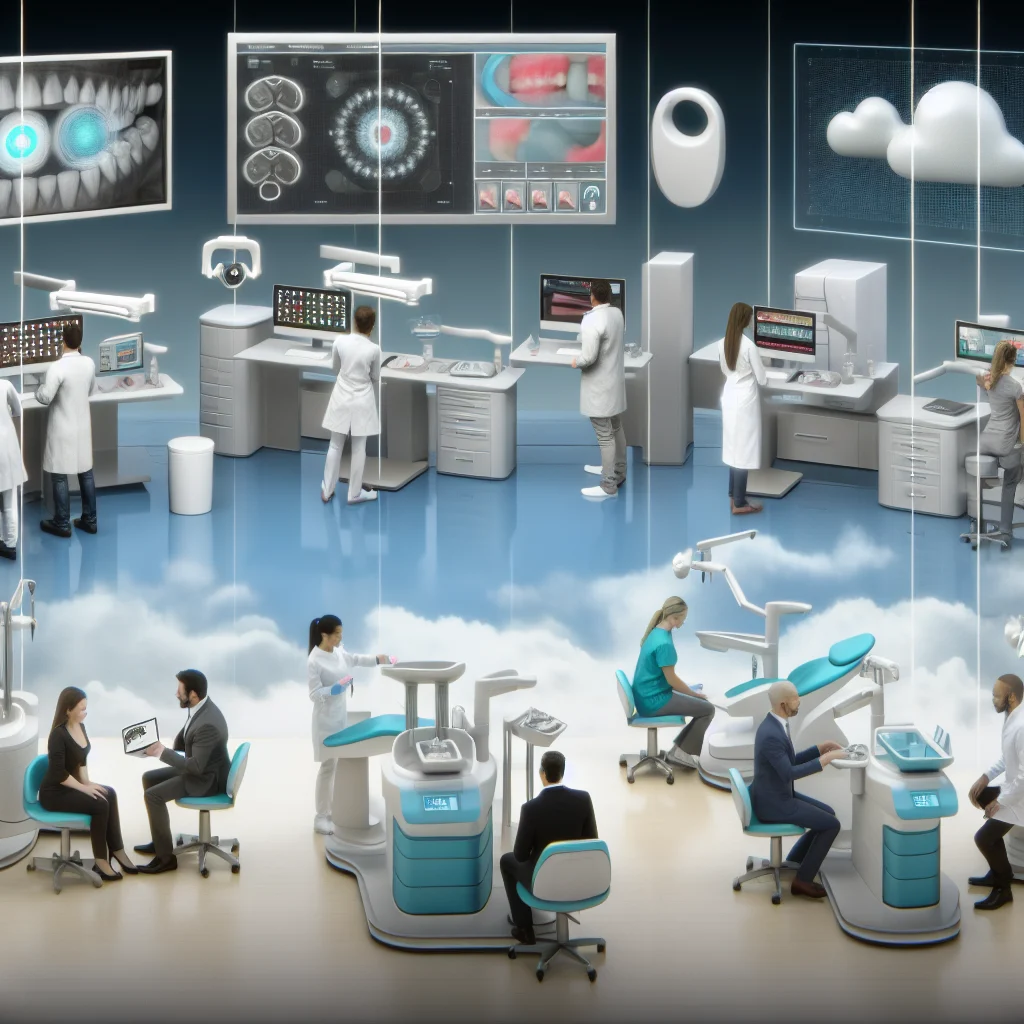
One of the most significant advancements in digital dentistry is the adoption of digital imaging technologies. Traditional X-rays, while still in use, are gradually being supplemented or replaced by digital radiography. This technology not only reduces radiation exposure for patients but also provides immediate, high-resolution images that can be easily stored and shared. Furthermore, digital imaging facilitates more accurate diagnoses and treatment planning, as practitioners can manipulate images to better visualize areas of concern. This capability is particularly beneficial in complex cases, where precision is paramount.
In addition to digital imaging, computer-aided design and computer-aided manufacturing (CAD/CAM) systems are revolutionizing restorative dentistry. These systems enable the creation of highly accurate dental restorations, such as crowns, bridges, and veneers, in a fraction of the time required by traditional methods. By utilizing 3D scanning and milling technologies, dental professionals can design and fabricate restorations with exceptional precision, ensuring a perfect fit and optimal function. This not only enhances the quality of care but also significantly reduces the time patients spend in the dental chair, thereby improving their overall experience.
Moreover, the advent of intraoral scanners has further streamlined the process of capturing dental impressions. Unlike conventional impression materials, which can be uncomfortable and time-consuming, intraoral scanners provide a quick and non-invasive alternative. These devices capture detailed 3D images of the teeth and gums, which can be used to create digital models for treatment planning and fabrication of dental appliances. The accuracy and efficiency of intraoral scanning contribute to improved patient outcomes and satisfaction.
Another area where digital technology is making a substantial impact is in the realm of orthodontics. The introduction of clear aligner therapy, powered by advanced software algorithms, has transformed the way orthodontic treatment is delivered. Clear aligners offer a discreet and comfortable alternative to traditional braces, and their design is based on precise digital models of the patient’s dentition. This technology allows for the customization of treatment plans, enabling more predictable and efficient tooth movement. As a result, patients benefit from shorter treatment times and enhanced aesthetic outcomes.
Furthermore, digital dentistry is playing a crucial role in enhancing patient communication and education. With the aid of digital tools, dental professionals can provide patients with a clearer understanding of their oral health conditions and proposed treatments. Visual aids, such as digital simulations and animations, help demystify complex procedures, empowering patients to make informed decisions about their care. This improved communication fosters a stronger patient-practitioner relationship and encourages greater patient engagement in maintaining oral health.
In conclusion, the integration of advanced digital technologies in dentistry is transforming patient care by enhancing diagnostic accuracy, improving treatment outcomes, and streamlining clinical workflows. As digital dentistry continues to evolve, it holds the promise of further innovations that will continue to elevate the standard of care in the dental profession. Embracing these technologies not only benefits dental practitioners but also significantly enhances the patient experience, ultimately leading to better oral health outcomes for all.
IT Upgrades in Dental Practices: Enhancing Efficiency and Patient Experience
In the rapidly evolving landscape of dental care, the integration of advanced information technology systems has become a pivotal factor in enhancing both operational efficiency and patient experience. As dental practices strive to keep pace with technological advancements, the adoption of sophisticated IT solutions is proving to be a game-changer. These upgrades not only streamline administrative processes but also significantly improve the quality of patient care, thereby fostering a more seamless and satisfactory experience for both practitioners and patients alike.
One of the most significant IT upgrades in dental practices is the implementation of electronic health records (EHR) systems. These digital records replace traditional paper files, offering a more organized and accessible way to manage patient information. EHR systems facilitate the quick retrieval of patient histories, treatment plans, and billing information, thereby reducing the time spent on administrative tasks. This efficiency allows dental professionals to focus more on patient care, ultimately enhancing the overall patient experience. Moreover, EHR systems improve communication between dental practitioners and other healthcare providers, ensuring a more coordinated approach to patient care.
In addition to EHR systems, dental practices are increasingly adopting digital imaging technologies. These advancements, such as digital X-rays and 3D imaging, provide more precise and detailed images than their analog counterparts. The enhanced clarity and accuracy of digital images enable dentists to diagnose conditions more effectively and develop more accurate treatment plans. Furthermore, digital imaging reduces the exposure to radiation for patients, addressing safety concerns and contributing to a more positive patient experience. The ability to instantly share digital images with patients also fosters better communication and understanding, as patients can visualize their dental issues and the proposed solutions.
Another critical area where IT upgrades are making a substantial impact is in patient management systems. These systems automate appointment scheduling, reminders, and follow-ups, reducing the likelihood of human error and missed appointments. By streamlining these processes, dental practices can optimize their schedules and improve patient flow, minimizing wait times and enhancing the overall efficiency of the practice. Additionally, patient management systems often include features that allow patients to book appointments online, providing them with greater convenience and flexibility.
Furthermore, the integration of telehealth services into dental practices is an emerging trend that is gaining traction. Telehealth platforms enable dentists to conduct virtual consultations, offering patients the convenience of receiving professional advice without the need to visit the practice physically. This is particularly beneficial for routine check-ups or follow-up consultations, where an in-person visit may not be necessary. Telehealth services not only save time for both patients and practitioners but also expand access to dental care for individuals in remote or underserved areas.
As dental practices continue to embrace these IT upgrades, it is essential to consider the security and privacy of patient data. Implementing robust cybersecurity measures is crucial to protect sensitive information from unauthorized access and breaches. Ensuring compliance with regulations such as the Health Insurance Portability and Accountability Act (HIPAA) is vital to maintaining patient trust and safeguarding their personal information.
In conclusion, the integration of advanced IT solutions in dental practices is revolutionizing the way dental care is delivered. By enhancing operational efficiency and improving patient experience, these technological advancements are setting new standards in the industry. As dental practices continue to evolve, embracing these IT upgrades will be essential to staying competitive and providing the highest quality of care to patients.
Ensuring Dental Compliance: Navigating Regulations with Modern IT Solutions
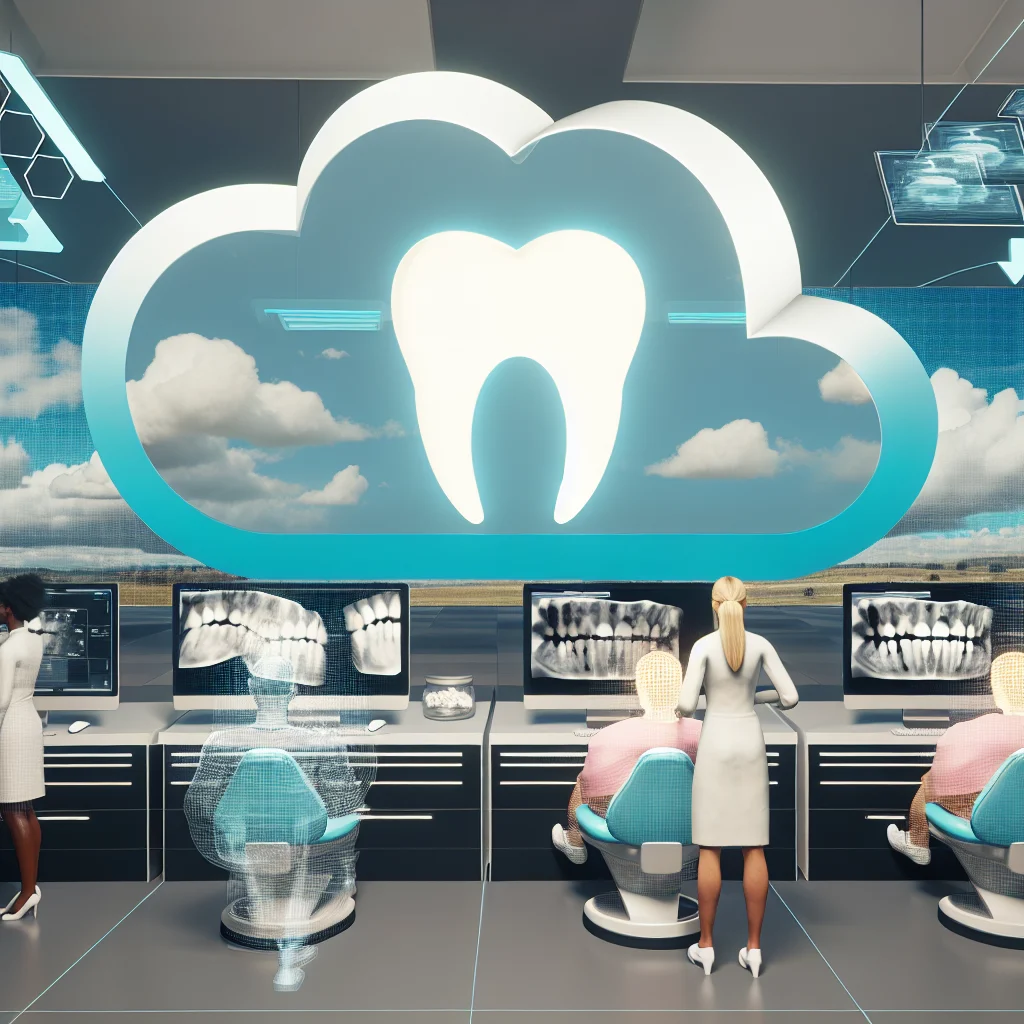
In the rapidly evolving landscape of dental technology, ensuring compliance with regulatory standards has become a critical concern for dental practices. As the integration of advanced IT solutions into dental operations becomes more prevalent, navigating the complex web of regulations requires a strategic approach. Modern IT solutions offer a pathway to not only streamline operations but also ensure adherence to the myriad of compliance requirements that govern the dental industry.
To begin with, the Health Insurance Portability and Accountability Act (HIPAA) sets the standard for protecting sensitive patient information. Dental practices must ensure that their IT systems are equipped to handle patient data securely, safeguarding it from unauthorized access and breaches. Modern IT solutions provide robust encryption methods and secure data storage options, which are essential for maintaining compliance with HIPAA regulations. By implementing these technologies, dental practices can protect patient information while also enhancing their operational efficiency.
Moreover, the integration of electronic health records (EHR) into dental practices has revolutionized patient care. However, it also introduces new compliance challenges. EHR systems must be designed to meet specific regulatory standards, ensuring that patient data is accurately recorded and easily accessible to authorized personnel. IT solutions that offer seamless integration with EHR systems can help dental practices maintain compliance by providing real-time updates and ensuring data accuracy. This not only aids in regulatory adherence but also enhances the quality of patient care by enabling more informed decision-making.
In addition to HIPAA and EHR-related regulations, dental practices must also comply with Occupational Safety and Health Administration (OSHA) standards. These regulations are designed to ensure a safe working environment for dental professionals. Modern IT solutions can assist in this area by providing digital tools for tracking and managing safety protocols. For instance, software applications can be used to schedule regular equipment maintenance, track employee training, and ensure that safety procedures are consistently followed. By leveraging these technologies, dental practices can create a safer workplace while also meeting OSHA compliance requirements.
Furthermore, the rise of telehealth services in dentistry has introduced new regulatory considerations. As more dental practices offer remote consultations and treatments, ensuring compliance with telehealth regulations becomes paramount. IT solutions that support secure video conferencing and encrypted communication channels are essential for maintaining patient confidentiality during virtual consultations. Additionally, these technologies can facilitate the documentation and storage of telehealth interactions, ensuring that all regulatory requirements are met.
Transitioning to a more technology-driven practice also involves addressing the challenges of data management and cybersecurity. Dental practices must implement comprehensive IT strategies that include regular system updates, employee training on cybersecurity best practices, and the use of advanced threat detection tools. By doing so, they can protect against data breaches and cyberattacks, which are not only detrimental to patient trust but also pose significant compliance risks.
In conclusion, navigating the complex regulatory landscape of the dental industry requires a proactive approach that leverages modern IT solutions. By integrating advanced technologies into their operations, dental practices can ensure compliance with regulations such as HIPAA, OSHA, and telehealth standards. These solutions not only enhance the security and efficiency of dental practices but also contribute to improved patient care. As the dental industry continues to evolve, staying ahead of regulatory requirements through the adoption of innovative IT solutions will be essential for success.
Cloud Integration in Dentistry: Streamlining Operations and Data Management
In recent years, the integration of cloud technology within the dental industry has revolutionized the way dental practices operate and manage data. As dental professionals seek to enhance efficiency and improve patient care, cloud-based solutions have emerged as a pivotal component in streamlining operations and optimizing data management. This shift towards cloud integration is not merely a trend but a significant advancement that addresses the evolving needs of modern dental practices.
One of the primary advantages of cloud integration in dentistry is the seamless access to patient data. Traditionally, dental records were confined to physical files or local servers, limiting accessibility and increasing the risk of data loss. However, with cloud-based systems, dental professionals can access patient information from any location with an internet connection. This capability is particularly beneficial for multi-location practices, enabling consistent and coordinated care across different sites. Moreover, in emergency situations, dentists can quickly retrieve critical patient information, facilitating timely and informed decision-making.
In addition to accessibility, cloud technology enhances data security, a paramount concern in the healthcare sector. Cloud service providers employ advanced encryption methods and robust security protocols to protect sensitive patient information. This level of security often surpasses what individual practices can achieve with on-premises systems. Furthermore, regular updates and maintenance by cloud providers ensure that the latest security measures are in place, safeguarding against potential cyber threats. Consequently, dental practices can focus on patient care without the constant worry of data breaches.
Another significant benefit of cloud integration is the facilitation of efficient data management. Cloud-based platforms offer scalable storage solutions, accommodating the growing volume of patient records and imaging data. This scalability eliminates the need for costly hardware upgrades and maintenance, allowing practices to allocate resources more effectively. Additionally, cloud systems often include automated backup features, ensuring that data is consistently preserved and easily recoverable in the event of a system failure. This reliability is crucial for maintaining continuity of care and minimizing disruptions in practice operations.
Moreover, cloud technology supports enhanced collaboration among dental professionals. Through cloud-based platforms, dentists can easily share patient records, treatment plans, and diagnostic images with specialists and colleagues. This collaborative approach fosters a more comprehensive understanding of patient needs and promotes interdisciplinary treatment planning. As a result, patients benefit from a more holistic and coordinated approach to their dental care.
Furthermore, the integration of cloud technology in dentistry aligns with the growing trend of telehealth services. Cloud-based systems enable virtual consultations and remote monitoring, expanding access to dental care for patients in remote or underserved areas. This capability not only improves patient convenience but also enhances practice efficiency by reducing the need for in-person visits for routine consultations.
In conclusion, the integration of cloud technology in dentistry represents a transformative advancement that streamlines operations and optimizes data management. By providing seamless access to patient information, enhancing data security, facilitating efficient data management, and supporting collaboration and telehealth services, cloud-based solutions address the evolving needs of modern dental practices. As the dental industry continues to embrace technological innovations, cloud integration stands out as a critical component in enhancing practice efficiency and improving patient care. As such, dental professionals are encouraged to explore and adopt cloud-based solutions to remain competitive and deliver the highest standard of care in an increasingly digital world.
Strengthening Practice Security: Protecting Patient Data with Cutting-Edge Dental Software
In the rapidly evolving landscape of dental technology, safeguarding patient data has become a paramount concern for dental practices. As the integration of digital solutions in dentistry continues to expand, the need for robust security measures to protect sensitive patient information has never been more critical. Dental practices are increasingly relying on cutting-edge dental software to enhance their operations, streamline workflows, and improve patient care. However, with these advancements comes the responsibility to ensure that patient data remains secure from potential breaches and cyber threats.
The adoption of electronic health records (EHRs) and practice management software has revolutionized the way dental practices operate. These digital tools offer numerous benefits, including improved efficiency, better patient communication, and enhanced data accessibility. However, they also present new challenges in terms of data security. As dental practices transition from paper-based systems to digital platforms, they must implement comprehensive security protocols to protect patient information from unauthorized access and data breaches.
One of the primary strategies for strengthening practice security is the implementation of advanced encryption technologies. Encryption serves as a critical line of defense by converting sensitive data into unreadable code that can only be deciphered with the correct decryption key. By encrypting patient records and communications, dental practices can significantly reduce the risk of data breaches and ensure that patient information remains confidential.
In addition to encryption, dental practices should also focus on access control measures. Implementing role-based access controls ensures that only authorized personnel have access to specific data, thereby minimizing the risk of internal data breaches. By assigning different levels of access based on job responsibilities, practices can prevent unauthorized individuals from viewing or altering sensitive information. Furthermore, regular audits and monitoring of access logs can help identify any suspicious activity and address potential security threats promptly.
Another crucial aspect of protecting patient data is ensuring that all software and systems are regularly updated. Software updates often include security patches that address vulnerabilities and protect against emerging threats. Dental practices should establish a routine schedule for updating their software and systems to ensure they are equipped with the latest security features. Additionally, partnering with reputable dental software providers who prioritize security can offer an added layer of protection.
Moreover, educating staff about cybersecurity best practices is essential in creating a culture of security within the practice. Training programs should cover topics such as recognizing phishing attempts, creating strong passwords, and understanding the importance of data protection. By fostering a security-conscious environment, dental practices can empower their staff to play an active role in safeguarding patient information.
Furthermore, dental practices should consider investing in comprehensive cybersecurity insurance. This type of insurance can provide financial protection in the event of a data breach, covering costs associated with data recovery, legal fees, and patient notification. While preventive measures are crucial, having a contingency plan in place can mitigate the impact of a potential security incident.
In conclusion, as dental technology continues to advance, the importance of protecting patient data cannot be overstated. By implementing cutting-edge dental software with robust security features, dental practices can enhance their operations while ensuring the confidentiality and integrity of patient information. Through encryption, access control, regular updates, staff education, and cybersecurity insurance, dental practices can create a secure environment that prioritizes patient data protection. As the digital landscape evolves, staying vigilant and proactive in addressing security challenges will be essential for maintaining patient trust and upholding the highest standards of care.
Unlock the future of your dental practice with cutting-edge technology insights! Discover how Dental IT can revolutionize your operations and patient care. Explore Dental IT Insights Now!