Understanding Crypto Locker: A Key Component in Ransomware Recovery
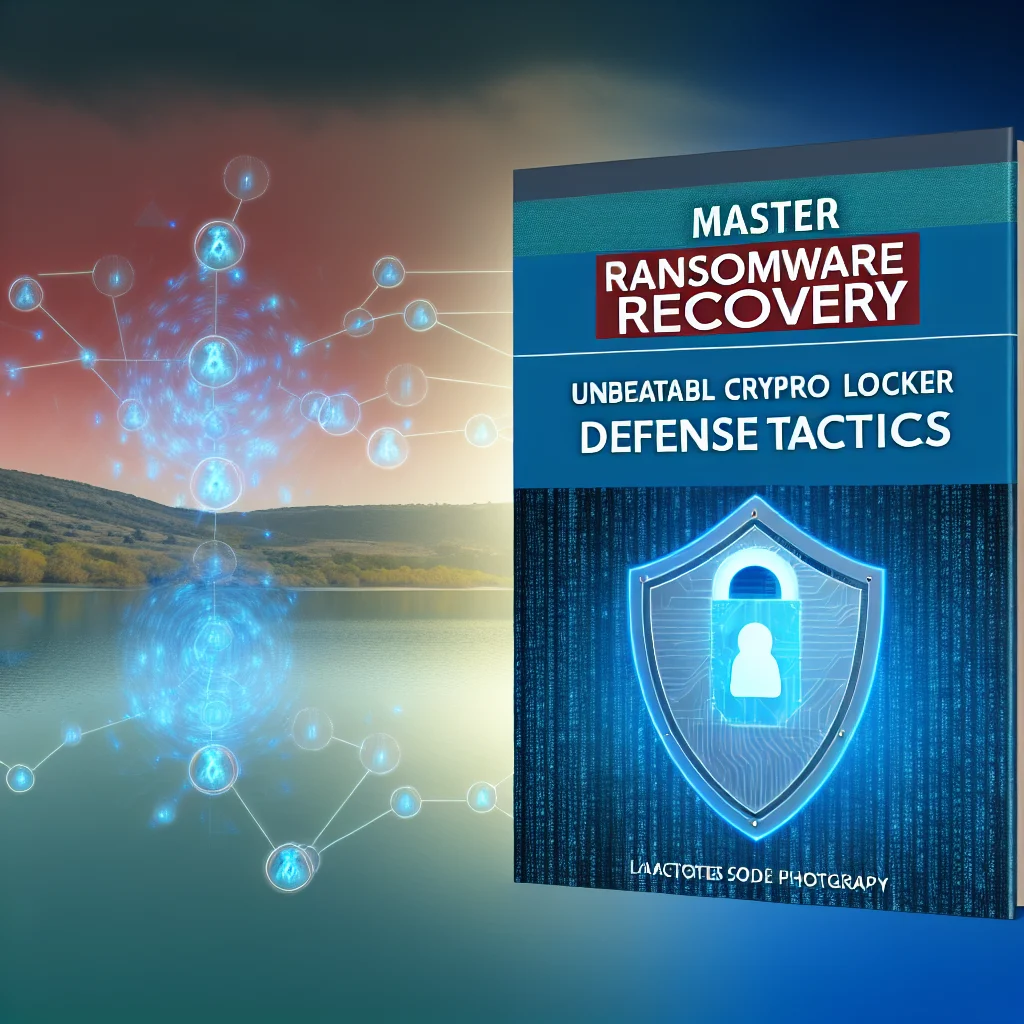
Ransomware has emerged as a formidable threat in the digital landscape, with Crypto Locker being one of the most notorious variants. Understanding the intricacies of Crypto Locker is essential for effective ransomware recovery, as it provides insights into the mechanisms that underpin these malicious attacks. Crypto Locker, a type of ransomware, encrypts the victim’s files and demands a ransom for the decryption key. This encryption process is typically executed using advanced cryptographic algorithms, making it nearly impossible to recover the files without the decryption key. Consequently, the first step in ransomware recovery is to comprehend the encryption methods employed by Crypto Locker.
The encryption process used by Crypto Locker is often based on asymmetric cryptography, which involves a pair of keys: a public key for encryption and a private key for decryption. This method ensures that even if the public key is known, the files cannot be decrypted without the corresponding private key. As a result, victims are left with limited options: pay the ransom or attempt to recover the files through other means. However, paying the ransom is not recommended, as it does not guarantee the recovery of the files and may encourage further criminal activity. Therefore, understanding the encryption process is crucial for developing alternative recovery strategies.
In addition to understanding the encryption methods, it is vital to recognize the distribution techniques used by Crypto Locker. This ransomware is often spread through phishing emails, malicious attachments, or compromised websites. By identifying these distribution channels, organizations can implement preventive measures to reduce the risk of infection. For instance, educating employees about the dangers of phishing emails and encouraging them to verify the authenticity of attachments can significantly decrease the likelihood of a Crypto Locker attack. Furthermore, maintaining up-to-date antivirus software and regularly patching vulnerabilities in software systems can help prevent the initial infection.
Once a system is infected with Crypto Locker, the focus shifts to recovery. One of the most effective recovery strategies is to maintain regular backups of critical data. By ensuring that backups are stored offline or in a secure cloud environment, organizations can restore their systems to a pre-infection state without succumbing to ransom demands. It is essential to verify the integrity of these backups regularly to ensure they are not compromised. Additionally, having a well-defined incident response plan can expedite the recovery process by outlining the steps to be taken in the event of a ransomware attack.
Moreover, collaboration with cybersecurity experts and law enforcement agencies can provide valuable assistance in ransomware recovery. Cybersecurity professionals can offer insights into the latest decryption tools and techniques, while law enforcement agencies can help track down the perpetrators and potentially recover the ransom. Sharing information about ransomware attacks with industry peers can also contribute to a collective defense against such threats.
In conclusion, understanding Crypto Locker is a key component in ransomware recovery. By comprehending the encryption methods, recognizing distribution techniques, and implementing robust preventive measures, organizations can mitigate the impact of a ransomware attack. Furthermore, maintaining regular backups, having a well-defined incident response plan, and collaborating with experts can enhance recovery efforts. As ransomware continues to evolve, staying informed and prepared is essential for safeguarding digital assets and ensuring business continuity.
The Role of Security Patches in Strengthening Ransomware Defense
In the ever-evolving landscape of cybersecurity threats, ransomware has emerged as a particularly formidable adversary, capable of crippling organizations by encrypting critical data and demanding hefty ransoms for its release. As businesses and individuals alike grapple with the implications of such attacks, the importance of robust defense mechanisms becomes increasingly apparent. Among the myriad strategies employed to fortify systems against ransomware, the implementation of security patches stands out as a crucial component in the defense arsenal.
Security patches, often released by software vendors, are designed to address vulnerabilities within software applications and operating systems. These vulnerabilities, if left unpatched, can serve as gateways for ransomware and other malicious software to infiltrate systems. Consequently, the timely application of security patches is paramount in mitigating the risk of ransomware attacks. By closing these security gaps, organizations can significantly reduce the attack surface available to cybercriminals, thereby enhancing their overall security posture.
Moreover, the role of security patches extends beyond merely addressing known vulnerabilities. They also serve as a proactive measure in the face of emerging threats. As cybercriminals continuously develop new techniques to exploit software weaknesses, vendors are equally committed to identifying and rectifying these vulnerabilities through regular updates. This dynamic interplay between attackers and defenders underscores the necessity for organizations to maintain a vigilant approach to patch management. By staying abreast of the latest security updates, businesses can better anticipate and counteract potential threats before they materialize into full-blown attacks.
In addition to their direct impact on system security, security patches also play a pivotal role in regulatory compliance. Many industries are subject to stringent data protection regulations that mandate the implementation of security measures to safeguard sensitive information. Failure to apply necessary patches can result in non-compliance, leading to severe financial penalties and reputational damage. Thus, a comprehensive patch management strategy not only fortifies an organization’s defenses but also ensures adherence to legal and regulatory requirements.
However, despite the clear benefits of security patches, their implementation is not without challenges. Organizations often face difficulties in managing the sheer volume of patches released, particularly in complex IT environments with diverse software ecosystems. Furthermore, the process of testing and deploying patches can be resource-intensive, requiring careful coordination to minimize disruptions to business operations. To address these challenges, many organizations are turning to automated patch management solutions, which streamline the process and ensure that critical updates are applied promptly and efficiently.
While security patches are undeniably a vital component of ransomware defense, they should not be viewed in isolation. A holistic approach to cybersecurity is essential, encompassing a range of strategies such as employee training, network segmentation, and robust backup solutions. By integrating security patches into a broader cybersecurity framework, organizations can create a multi-layered defense that is resilient against the ever-present threat of ransomware.
In conclusion, the role of security patches in strengthening ransomware defense cannot be overstated. By addressing vulnerabilities, enhancing regulatory compliance, and serving as a proactive measure against emerging threats, security patches are an indispensable tool in the fight against ransomware. As organizations continue to navigate the complexities of the digital age, a commitment to timely and effective patch management will be instrumental in safeguarding their systems and data from the pervasive threat of ransomware.
Phishing Defense Strategies: Preventing Ransomware Attacks

In the ever-evolving landscape of cybersecurity threats, ransomware has emerged as a formidable adversary, with phishing attacks serving as a primary vector for its deployment. As organizations strive to fortify their defenses against such threats, understanding and implementing effective phishing defense strategies becomes paramount. Phishing, a deceptive tactic used by cybercriminals to trick individuals into divulging sensitive information, often serves as the gateway for ransomware attacks. Consequently, a robust defense against phishing can significantly mitigate the risk of ransomware infiltration.
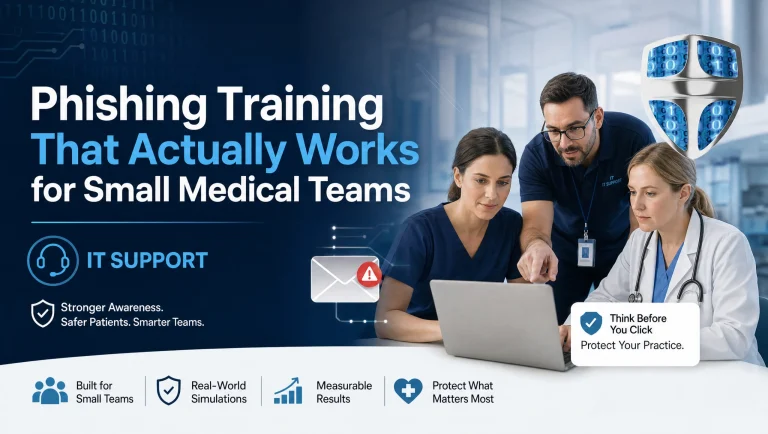
To begin with, one of the most effective strategies in preventing phishing-induced ransomware attacks is comprehensive employee training. Employees are often the first line of defense, and their awareness and vigilance can make a substantial difference. Regular training sessions that educate employees about the latest phishing tactics, such as spear phishing and whaling, can enhance their ability to recognize and report suspicious emails. Furthermore, simulated phishing exercises can provide practical experience, allowing employees to apply their knowledge in a controlled environment. By fostering a culture of cybersecurity awareness, organizations can empower their workforce to act as a formidable barrier against phishing attempts.
In addition to employee training, implementing advanced email filtering solutions is crucial. These solutions can automatically detect and quarantine suspicious emails before they reach the inboxes of employees. By leveraging machine learning algorithms and threat intelligence databases, email filters can identify patterns and characteristics commonly associated with phishing emails. This proactive approach not only reduces the likelihood of successful phishing attempts but also alleviates the burden on employees to discern legitimate emails from malicious ones. Moreover, integrating these solutions with existing security infrastructure can provide a comprehensive defense mechanism, ensuring that potential threats are intercepted at multiple points.
Another critical aspect of phishing defense is the adoption of multi-factor authentication (MFA). By requiring multiple forms of verification before granting access to sensitive systems and data, MFA adds an additional layer of security. Even if a phishing attack successfully compromises an employee’s credentials, the presence of MFA can prevent unauthorized access. This strategy is particularly effective in safeguarding against ransomware attacks, as it limits the ability of cybercriminals to move laterally within an organization’s network. Consequently, MFA serves as a vital component of a holistic cybersecurity strategy, reinforcing the organization’s resilience against phishing-induced threats.
Furthermore, organizations should prioritize the regular updating and patching of software and systems. Cybercriminals often exploit vulnerabilities in outdated software to launch phishing attacks and deploy ransomware. By maintaining up-to-date systems, organizations can close potential entry points for cyber threats. Additionally, conducting regular security audits and vulnerability assessments can help identify and address weaknesses in the organization’s cybersecurity posture. This proactive approach ensures that defenses remain robust and adaptive to emerging threats.
In conclusion, as ransomware attacks continue to pose significant challenges to organizations worldwide, implementing effective phishing defense strategies is essential. Through comprehensive employee training, advanced email filtering solutions, multi-factor authentication, and regular system updates, organizations can significantly reduce their susceptibility to phishing-induced ransomware attacks. By adopting a proactive and multi-layered approach to cybersecurity, organizations can not only protect their assets and data but also foster a culture of resilience and vigilance in the face of evolving cyber threats. As the digital landscape continues to evolve, so too must the strategies employed to safeguard against the ever-present threat of ransomware.
Enhancing Malware Detection for Effective Ransomware Recovery
In the ever-evolving landscape of cybersecurity, ransomware remains a formidable threat, posing significant challenges to individuals and organizations alike. As cybercriminals continue to refine their tactics, enhancing malware detection has become a critical component of effective ransomware recovery. By understanding the intricacies of ransomware and implementing robust detection mechanisms, organizations can better safeguard their data and ensure a swift recovery in the event of an attack.
Ransomware, a type of malicious software designed to encrypt files and demand a ransom for their release, has seen a surge in sophistication over recent years. This evolution necessitates a proactive approach to detection, as traditional security measures often fall short in identifying and mitigating these threats. Consequently, organizations must adopt advanced detection technologies that leverage machine learning and artificial intelligence to identify anomalies indicative of ransomware activity. These technologies can analyze vast amounts of data in real-time, enabling the early detection of potential threats and allowing for prompt intervention.
Moreover, enhancing malware detection involves a multi-layered approach that integrates various security solutions. Endpoint detection and response (EDR) systems, for instance, play a pivotal role in monitoring and analyzing endpoint activities to identify suspicious behavior. By correlating data from multiple endpoints, EDR systems can provide a comprehensive view of potential threats, facilitating quicker response times. Additionally, network traffic analysis tools can detect unusual patterns that may signify a ransomware attack, further strengthening an organization’s defense mechanisms.
Transitioning from detection to recovery, it is imperative to have a well-defined incident response plan in place. This plan should outline the steps to be taken immediately following the detection of ransomware, including isolating affected systems to prevent further spread and initiating data recovery processes. Regularly updating and testing this plan ensures that all stakeholders are prepared to act swiftly and effectively, minimizing downtime and data loss.
Furthermore, the integration of threat intelligence feeds into detection systems can significantly enhance an organization’s ability to anticipate and respond to ransomware threats. These feeds provide real-time information on emerging threats and attack vectors, enabling organizations to adjust their security posture accordingly. By staying informed about the latest ransomware trends, organizations can proactively implement measures to mitigate potential risks.
In addition to technological solutions, fostering a culture of cybersecurity awareness within an organization is crucial. Employees should be educated on the importance of recognizing phishing attempts and other common ransomware delivery methods. Regular training sessions and simulated attacks can help reinforce this knowledge, empowering employees to act as the first line of defense against ransomware.
Finally, collaboration and information sharing among organizations can play a vital role in enhancing malware detection and recovery efforts. By participating in industry forums and sharing insights on ransomware incidents, organizations can collectively improve their understanding of the threat landscape and develop more effective strategies for combating ransomware.
In conclusion, enhancing malware detection is a fundamental aspect of effective ransomware recovery. By leveraging advanced technologies, implementing comprehensive security solutions, and fostering a culture of awareness, organizations can better protect themselves against the ever-present threat of ransomware. As cybercriminals continue to adapt their tactics, it is essential for organizations to remain vigilant and proactive in their approach to cybersecurity, ensuring that they are well-equipped to detect, respond to, and recover from ransomware attacks.
Incident Response and Disaster Planning: Essential Steps in Ransomware Recovery
In the ever-evolving landscape of cybersecurity threats, ransomware has emerged as a formidable adversary, necessitating robust incident response and disaster planning strategies. As organizations increasingly rely on digital infrastructure, the potential impact of ransomware attacks has grown exponentially, making it imperative for businesses to develop comprehensive recovery plans. The process of ransomware recovery is multifaceted, requiring a blend of immediate response actions and long-term strategic planning to mitigate damage and restore operations.
Initially, the cornerstone of effective ransomware recovery lies in the prompt identification and containment of the threat. Upon detection of a ransomware attack, organizations must swiftly activate their incident response teams to assess the scope and scale of the breach. This involves isolating affected systems to prevent further spread, a critical step that can significantly reduce the overall impact. Concurrently, it is essential to communicate with stakeholders, including employees, customers, and partners, to maintain transparency and manage expectations. This communication should be clear and concise, outlining the steps being taken to address the situation and any potential implications for those involved.
Following containment, the focus shifts to eradication and recovery. This phase involves removing the ransomware from infected systems and restoring data from backups. Here, the importance of regular and secure data backups cannot be overstated. Organizations that maintain up-to-date backups can often recover more quickly and with less disruption. However, it is crucial to ensure that backups themselves are not compromised during the attack. Therefore, implementing a robust backup strategy that includes offline or cloud-based storage solutions is advisable.
In addition to technical recovery efforts, legal and regulatory considerations must be addressed. Depending on the jurisdiction and the nature of the data involved, organizations may be required to report the incident to relevant authorities. Compliance with data protection regulations, such as the General Data Protection Regulation (GDPR) or the Health Insurance Portability and Accountability Act (HIPAA), is essential to avoid potential legal repercussions. Engaging with legal counsel and cybersecurity experts can provide valuable guidance in navigating these complex requirements.
As organizations work through the immediate recovery process, it is equally important to conduct a thorough post-incident analysis. This involves reviewing the attack to understand how it occurred, identifying vulnerabilities that were exploited, and evaluating the effectiveness of the response. Lessons learned from this analysis should inform updates to the incident response plan, ensuring that the organization is better prepared for future threats. Continuous improvement is a key component of resilience, and organizations should strive to adapt their strategies in response to the ever-changing threat landscape.
Moreover, fostering a culture of cybersecurity awareness within the organization is vital. Employees are often the first line of defense against ransomware attacks, and regular training can empower them to recognize and respond to potential threats. By promoting best practices, such as avoiding suspicious links and maintaining strong passwords, organizations can reduce the likelihood of successful attacks.
In conclusion, ransomware recovery is a complex process that demands a coordinated and comprehensive approach. By prioritizing incident response and disaster planning, organizations can enhance their resilience against ransomware threats. Through swift containment, effective communication, diligent recovery efforts, and continuous improvement, businesses can navigate the challenges posed by ransomware and emerge stronger in the face of adversity.
Discover essential strategies for ransomware recovery in our latest article, “Ransomware Insights: Ransomware Recovery (21).” Don’t wait until it’s too late—arm yourself with the knowledge to protect your data. Read more now!