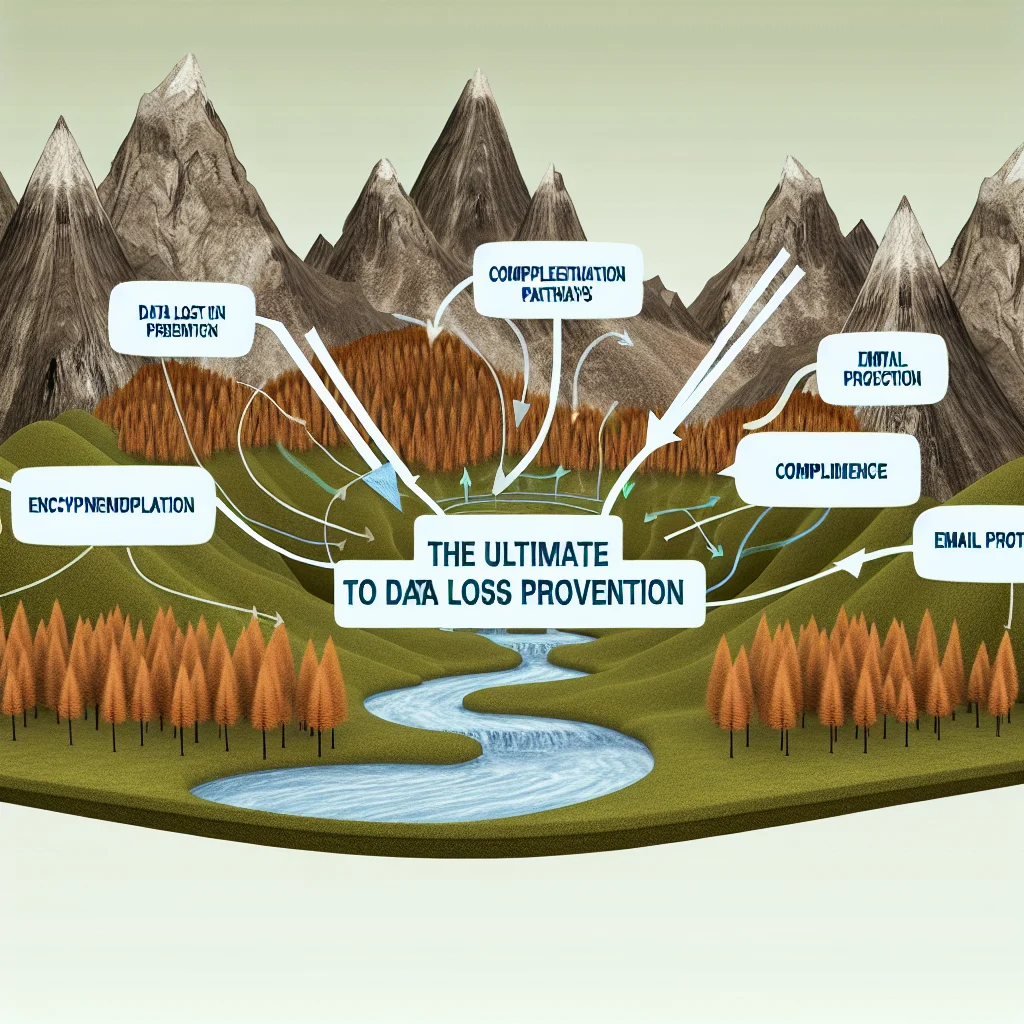
Understanding DLP Systems: Key Compliance Tools for Data Protection
Data Loss Prevention (DLP) systems have emerged as essential tools in the realm of data protection, particularly as organizations navigate the complex landscape of regulatory compliance. These systems are designed to detect and prevent potential data breaches by monitoring, detecting, and blocking sensitive data from being transmitted outside an organization’s network. As businesses increasingly rely on digital data, the importance of DLP systems in safeguarding sensitive information cannot be overstated.
To understand the significance of DLP systems, it is crucial to recognize the growing regulatory demands placed on organizations. Regulations such as the General Data Protection Regulation (GDPR), the Health Insurance Portability and Accountability Act (HIPAA), and the California Consumer Privacy Act (CCPA) impose stringent requirements on how personal and sensitive data should be handled. Non-compliance with these regulations can result in severe financial penalties and reputational damage. Consequently, DLP systems have become indispensable in helping organizations meet these compliance requirements by ensuring that data is handled in accordance with legal standards.
DLP systems operate by identifying sensitive data within an organization’s network and applying policies to prevent unauthorized access or transmission. These systems utilize a variety of techniques, including content inspection and contextual analysis, to identify sensitive information such as credit card numbers, social security numbers, and intellectual property. By doing so, DLP systems can prevent data from being leaked through various channels, including email, cloud storage, and removable media.
Moreover, DLP systems provide organizations with the ability to monitor data in real-time, offering insights into how data is being used and by whom. This capability is particularly valuable in identifying potential insider threats, where employees may intentionally or unintentionally compromise sensitive data. By providing visibility into data usage patterns, DLP systems enable organizations to take proactive measures to mitigate risks before they escalate into full-blown data breaches.
In addition to their role in compliance and risk management, DLP systems also contribute to an organization’s overall data governance strategy. By enforcing data handling policies and ensuring that data is used appropriately, DLP systems help maintain data integrity and confidentiality. This, in turn, fosters trust among customers and stakeholders, who are increasingly concerned about how their data is being managed.
However, implementing a DLP system is not without its challenges. Organizations must carefully consider the scope of their DLP initiatives, ensuring that the system is tailored to their specific needs and regulatory requirements. This involves conducting a thorough assessment of the types of data that need protection and the potential risks associated with data loss. Additionally, organizations must ensure that their DLP systems are integrated with existing security infrastructure to provide a comprehensive approach to data protection.
Furthermore, the effectiveness of a DLP system hinges on the organization’s ability to maintain and update it regularly. As new threats emerge and regulatory requirements evolve, organizations must ensure that their DLP systems are equipped to address these changes. This requires ongoing investment in technology and personnel training to ensure that the system remains robust and effective.
In conclusion, DLP systems are vital tools for organizations seeking to protect sensitive data and comply with regulatory requirements. By providing visibility into data usage and enforcing data handling policies, these systems play a critical role in safeguarding an organization’s most valuable asset: its data. As the digital landscape continues to evolve, the importance of DLP systems in ensuring data protection and compliance will only continue to grow.
The Role of Encryption in Preventing Data Breaches
In the contemporary digital landscape, the protection of sensitive information has become a paramount concern for organizations across the globe. As data breaches continue to pose significant threats, the role of encryption in preventing such incidents has gained considerable attention. Encryption, a process that transforms readable data into an encoded format, serves as a critical component of Data Loss Prevention (DLP) systems. By ensuring that data remains inaccessible to unauthorized users, encryption acts as a formidable barrier against potential breaches.
To understand the significance of encryption in DLP systems, it is essential to recognize the evolving nature of cyber threats. As cybercriminals employ increasingly sophisticated techniques to infiltrate networks, organizations must adopt robust security measures to safeguard their data. Encryption provides a layer of security that is both proactive and reactive, offering protection even if other security measures fail. By encrypting data at rest and in transit, organizations can significantly reduce the risk of unauthorized access, thereby mitigating the potential impact of a data breach.
Moreover, encryption plays a crucial role in maintaining data integrity and confidentiality. In the event of a breach, encrypted data remains unintelligible to unauthorized users, rendering it useless without the appropriate decryption key. This ensures that even if data is intercepted, it cannot be exploited for malicious purposes. Consequently, encryption not only protects sensitive information but also upholds the trust and confidence of stakeholders, including customers, partners, and regulatory bodies.
In addition to its protective capabilities, encryption also aids in compliance with various data protection regulations. Laws such as the General Data Protection Regulation (GDPR) and the Health Insurance Portability and Accountability Act (HIPAA) mandate the implementation of encryption to safeguard personal and sensitive information. By adhering to these regulations, organizations can avoid substantial fines and reputational damage associated with non-compliance. Thus, encryption serves as both a security measure and a compliance tool, reinforcing its importance in DLP systems.
Furthermore, the integration of encryption into DLP systems enhances their overall effectiveness. DLP systems are designed to monitor, detect, and prevent data breaches by identifying and controlling the flow of sensitive information. When combined with encryption, these systems can offer a more comprehensive approach to data protection. For instance, encryption can be used to secure data before it is transmitted or stored, while DLP systems can monitor and control access to this data. This synergy between encryption and DLP systems creates a multi-layered defense strategy that is more resilient to cyber threats.
However, it is important to acknowledge the challenges associated with implementing encryption. The process of encrypting and decrypting data can be resource-intensive, potentially impacting system performance. Additionally, managing encryption keys requires careful consideration, as the loss or compromise of these keys can render encrypted data inaccessible. Despite these challenges, the benefits of encryption in preventing data breaches far outweigh the potential drawbacks.
In conclusion, encryption plays an indispensable role in preventing data breaches within DLP systems. By transforming data into an unreadable format, encryption provides a robust defense against unauthorized access, ensuring data integrity and confidentiality. Moreover, it aids in regulatory compliance and enhances the overall effectiveness of DLP systems. While challenges exist in its implementation, the strategic use of encryption remains a critical component of any comprehensive data protection strategy. As cyber threats continue to evolve, organizations must prioritize encryption to safeguard their most valuable asset: information.
Email Protection Strategies: How DLP Systems Safeguard Sensitive Information
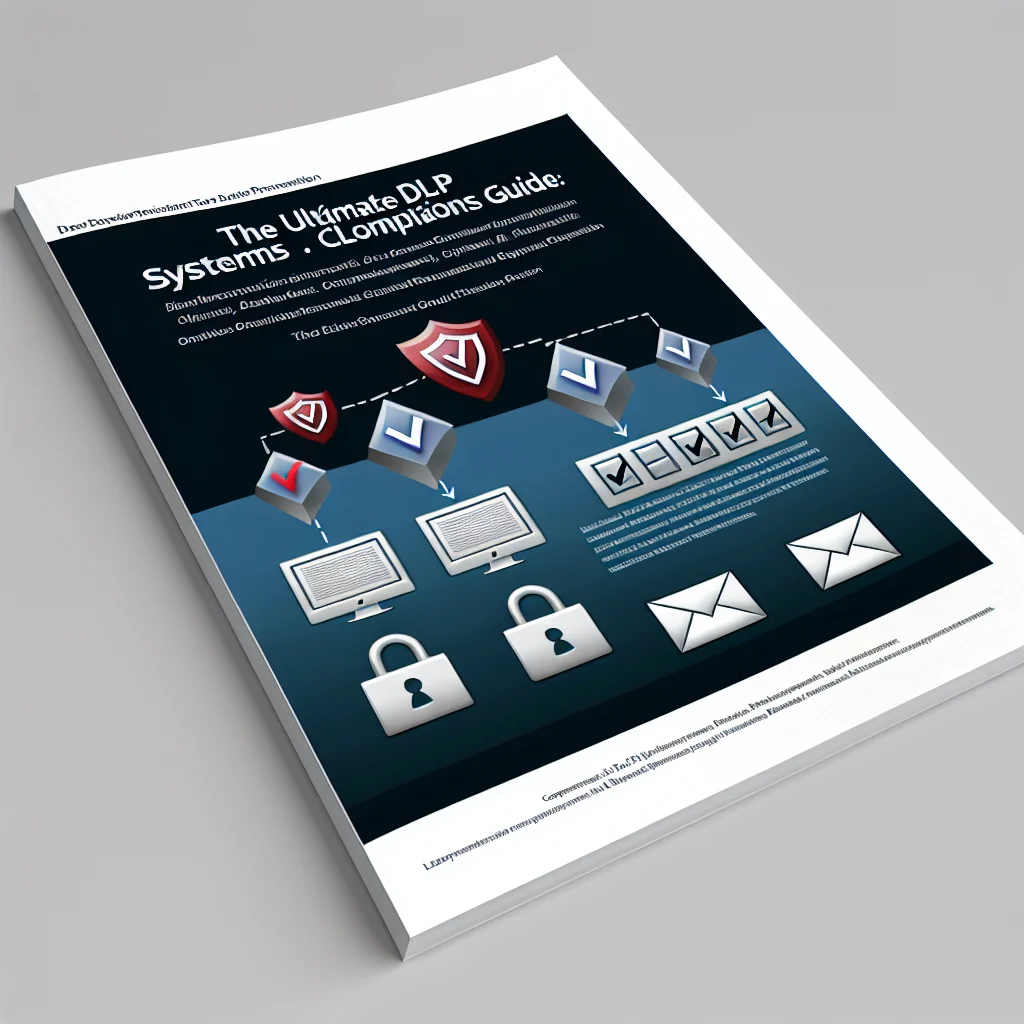
In today’s digital age, the protection of sensitive information has become a paramount concern for organizations across the globe. As businesses increasingly rely on electronic communication, particularly email, to conduct their operations, the risk of data breaches and unauthorized access to confidential information has escalated. Consequently, implementing robust email protection strategies is essential to safeguard sensitive data. One of the most effective tools in this regard is Data Loss Prevention (DLP) systems, which play a crucial role in ensuring that sensitive information remains secure.
DLP systems are designed to detect and prevent the unauthorized transmission of sensitive data outside an organization’s network. By monitoring and controlling data flows, these systems help organizations comply with regulatory requirements and protect their intellectual property. In the context of email protection, DLP systems offer a comprehensive approach to safeguarding sensitive information by employing a variety of techniques and technologies.
To begin with, DLP systems utilize content inspection and contextual analysis to identify sensitive information within emails. This involves scanning email content and attachments for specific data patterns, such as credit card numbers, social security numbers, or proprietary business information. By recognizing these patterns, DLP systems can flag potentially sensitive emails for further review or block them from being sent altogether. This proactive approach helps prevent accidental data leaks and ensures that sensitive information does not fall into the wrong hands.
Moreover, DLP systems incorporate policy-based controls that allow organizations to define rules and guidelines for handling sensitive information. These policies can be tailored to meet the specific needs of an organization, taking into account industry regulations and internal security protocols. For instance, a company may establish a policy that restricts the sharing of certain types of data with external recipients or requires encryption for emails containing sensitive information. By enforcing these policies, DLP systems help maintain the integrity and confidentiality of sensitive data.
In addition to content inspection and policy enforcement, DLP systems also provide real-time monitoring and alerting capabilities. This enables organizations to detect and respond to potential data breaches as they occur. For example, if an employee attempts to send an email containing sensitive information to an unauthorized recipient, the DLP system can immediately alert the IT security team, allowing them to take swift action to mitigate the risk. This real-time response capability is crucial in minimizing the impact of data breaches and protecting an organization’s reputation.
Furthermore, DLP systems offer detailed reporting and analytics features that provide valuable insights into data protection efforts. By analyzing trends and patterns in data usage, organizations can identify potential vulnerabilities and areas for improvement in their email protection strategies. This data-driven approach enables organizations to make informed decisions about their security posture and continuously enhance their data protection measures.
In conclusion, as the threat landscape continues to evolve, the importance of robust email protection strategies cannot be overstated. DLP systems offer a comprehensive solution for safeguarding sensitive information by combining content inspection, policy enforcement, real-time monitoring, and detailed reporting. By implementing these systems, organizations can effectively mitigate the risk of data breaches, ensure compliance with regulatory requirements, and protect their valuable assets. As such, DLP systems are an indispensable component of any organization’s email protection strategy, providing peace of mind in an increasingly interconnected world.
Access Control and DLP Systems: A Comprehensive Approach to Data Security
In today’s digital landscape, the protection of sensitive information is paramount, and organizations are increasingly turning to comprehensive strategies that integrate access control with Data Loss Prevention (DLP) systems. This approach not only safeguards data but also ensures that only authorized individuals have access to critical information, thereby minimizing the risk of data breaches. Access control and DLP systems, when used in tandem, provide a robust framework for data security, addressing both internal and external threats.
Access control is the first line of defense in data security, determining who can access specific resources within an organization. By implementing stringent access control measures, organizations can ensure that only individuals with the necessary permissions can view or manipulate sensitive data. This is achieved through various mechanisms such as role-based access control (RBAC), which assigns permissions based on an individual’s role within the organization, and attribute-based access control (ABAC), which considers various attributes such as time of access and location. These mechanisms are crucial in preventing unauthorized access and ensuring that data is only available to those who need it for legitimate purposes.
However, access control alone is not sufficient to protect data from all potential threats. This is where DLP systems come into play, providing an additional layer of security by monitoring and controlling data transfers. DLP systems are designed to detect and prevent unauthorized data exfiltration, whether it occurs through email, cloud storage, or removable media. By analyzing data flows and identifying patterns that may indicate a breach, DLP systems can alert security teams to potential threats and automatically block suspicious activities. This proactive approach is essential in mitigating the risk of data loss and ensuring compliance with regulatory requirements.
The integration of access control and DLP systems offers a comprehensive approach to data security, addressing both the who and the how of data protection. By controlling access to data and monitoring its movement, organizations can create a secure environment that minimizes the risk of data breaches. Moreover, this integrated approach allows for greater visibility into data usage, enabling organizations to identify potential vulnerabilities and address them before they can be exploited.
Furthermore, the synergy between access control and DLP systems enhances an organization’s ability to respond to security incidents. In the event of a breach, having a clear understanding of who accessed the data and how it was transferred can significantly expedite the investigation process. This not only aids in mitigating the impact of the breach but also provides valuable insights that can be used to strengthen security measures and prevent future incidents.
In conclusion, the integration of access control and DLP systems represents a comprehensive approach to data security that addresses both internal and external threats. By ensuring that only authorized individuals have access to sensitive information and monitoring data transfers for suspicious activity, organizations can significantly reduce the risk of data breaches. This approach not only protects valuable data but also ensures compliance with regulatory requirements, providing peace of mind in an increasingly complex digital landscape. As organizations continue to navigate the challenges of data security, the combination of access control and DLP systems will remain a critical component of their security strategy.
Backup Strategies in DLP Systems: Ensuring Data Integrity and Availability
In the realm of data protection, Data Loss Prevention (DLP) systems play a pivotal role in safeguarding sensitive information from unauthorized access and breaches. However, while DLP systems are adept at preventing data leaks, they must be complemented by robust backup strategies to ensure data integrity and availability. This dual approach is essential in maintaining a secure and resilient data environment, especially in an era where data is a critical asset for organizations.
To begin with, the integration of backup strategies within DLP systems is crucial for mitigating the risks associated with data loss. While DLP systems focus on preventing data from leaving the organization, backup strategies ensure that data can be recovered in the event of accidental deletion, corruption, or system failure. This dual-layered approach not only enhances data security but also ensures business continuity. By having a reliable backup system in place, organizations can quickly restore their operations with minimal disruption, thereby maintaining productivity and customer trust.
Moreover, the choice of backup strategy is a critical consideration in the context of DLP systems. Organizations must evaluate various backup methods, such as full, incremental, and differential backups, to determine which best aligns with their data protection needs. Full backups, while comprehensive, can be time-consuming and resource-intensive. On the other hand, incremental and differential backups offer more efficient alternatives by only saving changes made since the last backup. The selection of an appropriate backup strategy should be guided by factors such as the organization’s data volume, recovery time objectives, and available resources.
In addition to selecting the right backup method, organizations must also consider the frequency of backups. Regular backups are essential to ensure that the most recent data is available for recovery. However, the frequency should be balanced with the organization’s operational needs and the potential impact on system performance. For instance, while daily backups may be necessary for critical data, less frequent backups might suffice for less sensitive information. By tailoring the backup frequency to the specific requirements of different data types, organizations can optimize their backup processes without compromising on data protection.
Furthermore, the storage of backup data is another critical aspect of backup strategies in DLP systems. Organizations must ensure that backup data is stored securely, both on-site and off-site, to protect against physical and cyber threats. Off-site storage, in particular, is vital for safeguarding data against localized disasters such as fires or floods. Cloud-based backup solutions offer a flexible and scalable option for off-site storage, allowing organizations to store their data in secure, remote locations. However, it is essential to evaluate the security measures implemented by cloud service providers to ensure that they meet the organization’s data protection standards.
Finally, regular testing and validation of backup systems are indispensable to ensure their effectiveness. Organizations should conduct periodic tests to verify that backup data can be successfully restored and that the backup processes are functioning as intended. This proactive approach helps identify potential issues before they escalate into significant problems, thereby reinforcing the organization’s data protection framework.
In conclusion, while DLP systems are instrumental in preventing data breaches, they must be complemented by comprehensive backup strategies to ensure data integrity and availability. By carefully selecting backup methods, determining appropriate backup frequencies, securing backup storage, and regularly testing backup systems, organizations can create a robust data protection strategy that safeguards their valuable information assets. This holistic approach not only enhances data security but also ensures that organizations are well-prepared to navigate the challenges of the digital age.
Unlock the full potential of your data security strategy with our comprehensive Data Loss Prevention Insights. Discover how DLP systems can safeguard your sensitive information and enhance your organization’s resilience. Learn more now!