The Future Of Digital Dentistry: Embracing Cutting-Edge Dental Technology
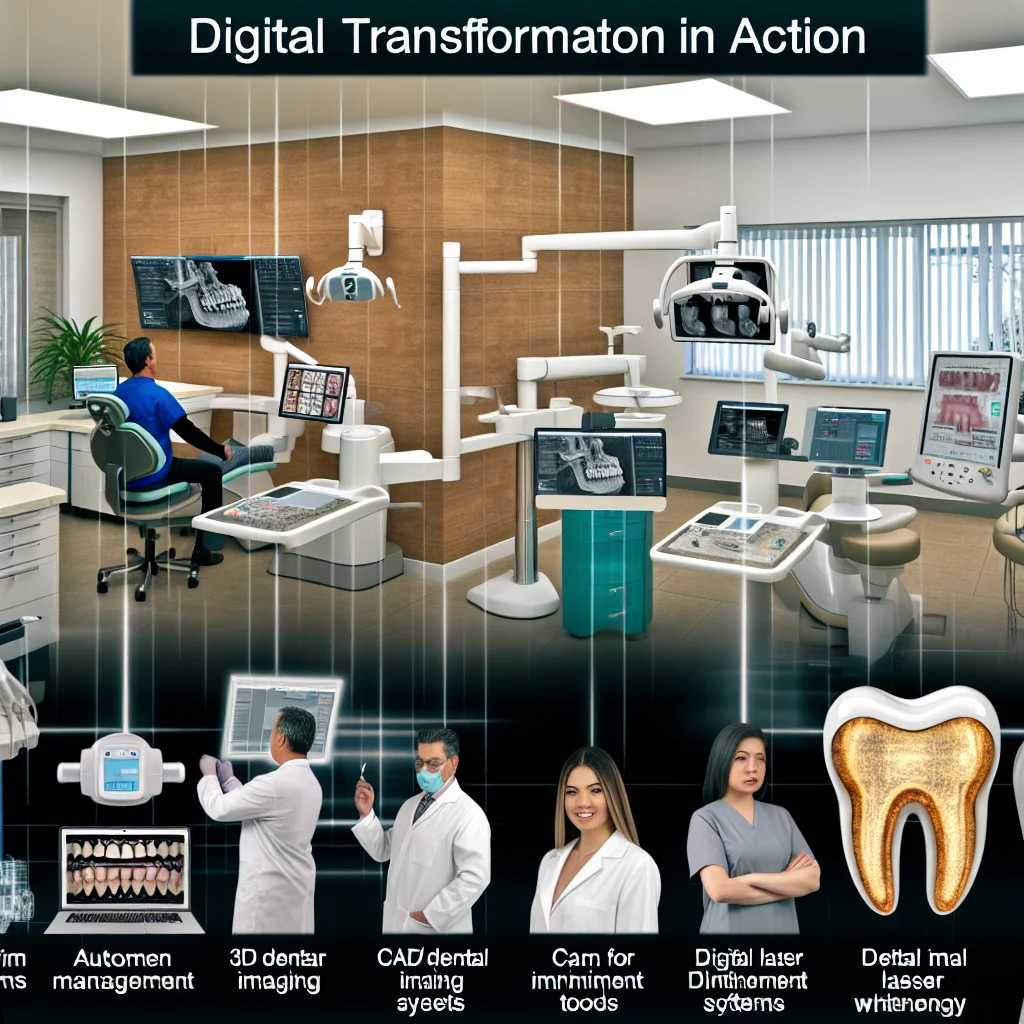
The future of digital dentistry is poised to revolutionize the way dental care is delivered, with cutting-edge technology playing a pivotal role in enhancing patient outcomes and streamlining dental practices. As we delve into the realm of digital dentistry, it becomes evident that the integration of advanced technologies is not merely a trend but a fundamental shift that is reshaping the landscape of dental care. This transformation is driven by the need for increased efficiency, accuracy, and patient satisfaction, all of which are paramount in the modern dental practice.
One of the most significant advancements in digital dentistry is the adoption of 3D printing technology. This innovation allows for the precise fabrication of dental prosthetics, such as crowns, bridges, and dentures, directly from digital scans. By utilizing 3D printing, dental professionals can significantly reduce the time required to produce these prosthetics, thereby enhancing the patient experience by minimizing wait times. Moreover, the accuracy of 3D-printed prosthetics ensures a better fit and improved functionality, which are crucial for patient comfort and oral health.
In addition to 3D printing, digital imaging technologies have also made substantial contributions to the field of dentistry. Cone beam computed tomography (CBCT) and digital radiography provide detailed, high-resolution images that enable dentists to diagnose and plan treatments with unprecedented precision. These imaging techniques offer a comprehensive view of the patient’s oral structures, facilitating the identification of issues that may not be visible through traditional methods. Consequently, this leads to more accurate diagnoses and tailored treatment plans, ultimately improving patient outcomes.
Furthermore, the integration of artificial intelligence (AI) into dental practices is another promising development. AI algorithms can analyze vast amounts of data to assist in diagnosing conditions, predicting treatment outcomes, and even suggesting personalized treatment plans. This not only enhances the decision-making process for dental professionals but also ensures that patients receive the most effective and efficient care possible. As AI technology continues to evolve, its applications in dentistry are expected to expand, offering even greater benefits to both practitioners and patients.
The advent of teledentistry is yet another facet of digital dentistry that is gaining traction. By leveraging digital communication tools, dental professionals can provide remote consultations and follow-up care, making dental services more accessible to patients who may face geographical or mobility barriers. Teledentistry also allows for more flexible scheduling, reducing the need for in-person visits and thereby increasing convenience for both patients and practitioners. This approach not only broadens access to dental care but also fosters a more patient-centered model of service delivery.
Moreover, the use of digital workflows in dental practices is streamlining operations and enhancing efficiency. From electronic health records to digital appointment scheduling and billing systems, these technologies reduce administrative burdens and allow dental professionals to focus more on patient care. The seamless integration of these digital tools ensures that dental practices can operate more smoothly, ultimately leading to improved patient experiences and outcomes.
In conclusion, the future of digital dentistry is characterized by the embrace of cutting-edge technologies that are transforming the way dental care is delivered. From 3D printing and digital imaging to AI and teledentistry, these innovations are enhancing the precision, efficiency, and accessibility of dental services. As dental practices continue to integrate these technologies, the potential for improved patient outcomes and satisfaction is immense, heralding a new era in the field of dentistry.
Enhancing Practice Security: Essential IT Upgrades For Dental Offices
In the rapidly evolving landscape of dental technology, ensuring the security of patient data and the smooth operation of dental practices has become paramount. As dental offices increasingly rely on digital solutions to enhance patient care and streamline operations, the need for robust IT infrastructure and security measures has never been more critical. This article explores essential IT upgrades that dental offices should consider to enhance practice security and protect sensitive information.
To begin with, the implementation of advanced encryption protocols is a fundamental step in safeguarding patient data. Encryption transforms sensitive information into a coded format, making it accessible only to authorized individuals with the correct decryption key. By encrypting patient records, dental practices can significantly reduce the risk of data breaches and unauthorized access. Moreover, encryption should extend beyond data storage to include data transmission, ensuring that information remains secure as it travels across networks.
In addition to encryption, dental offices should prioritize the deployment of comprehensive firewall systems. Firewalls act as a barrier between a trusted internal network and untrusted external networks, such as the internet. By monitoring and controlling incoming and outgoing network traffic, firewalls help prevent unauthorized access and protect against cyber threats. Regularly updating firewall configurations and employing intrusion detection systems can further enhance network security, providing an additional layer of protection against potential attacks.
Another critical aspect of enhancing practice security is the implementation of multi-factor authentication (MFA). MFA requires users to provide two or more verification factors to gain access to a system, making it significantly more difficult for unauthorized individuals to breach security protocols. By combining something the user knows (such as a password) with something the user has (such as a smartphone or security token), MFA adds an extra layer of security that is particularly effective in preventing unauthorized access to sensitive data.
Furthermore, dental practices should invest in regular staff training and awareness programs. Human error remains one of the leading causes of data breaches, often due to phishing attacks or inadvertent sharing of sensitive information. By educating staff on the latest cybersecurity threats and best practices, dental offices can foster a culture of security awareness. Training should include recognizing phishing emails, understanding the importance of strong passwords, and knowing how to respond to potential security incidents.
Incorporating secure backup solutions is another essential IT upgrade for dental offices. Regularly backing up data ensures that patient information can be restored in the event of a cyberattack, hardware failure, or natural disaster. Cloud-based backup solutions offer the advantage of off-site storage, providing an additional layer of protection against data loss. It is crucial to ensure that backup data is also encrypted and that restoration processes are tested regularly to guarantee data integrity and availability.
Finally, dental practices should consider conducting regular security audits and vulnerability assessments. These evaluations help identify potential weaknesses in the IT infrastructure and provide insights into areas that require improvement. By proactively addressing vulnerabilities, dental offices can stay ahead of emerging threats and maintain a robust security posture.
In conclusion, as dental technology continues to advance, so too must the security measures that protect patient data and practice operations. By implementing essential IT upgrades such as encryption, firewalls, multi-factor authentication, staff training, secure backups, and regular security assessments, dental offices can enhance their practice security and ensure the confidentiality, integrity, and availability of sensitive information. As the digital landscape evolves, staying informed and proactive in addressing security challenges will be key to maintaining trust and delivering high-quality patient care.
Navigating Dental Software: Key Considerations For Modern Practices
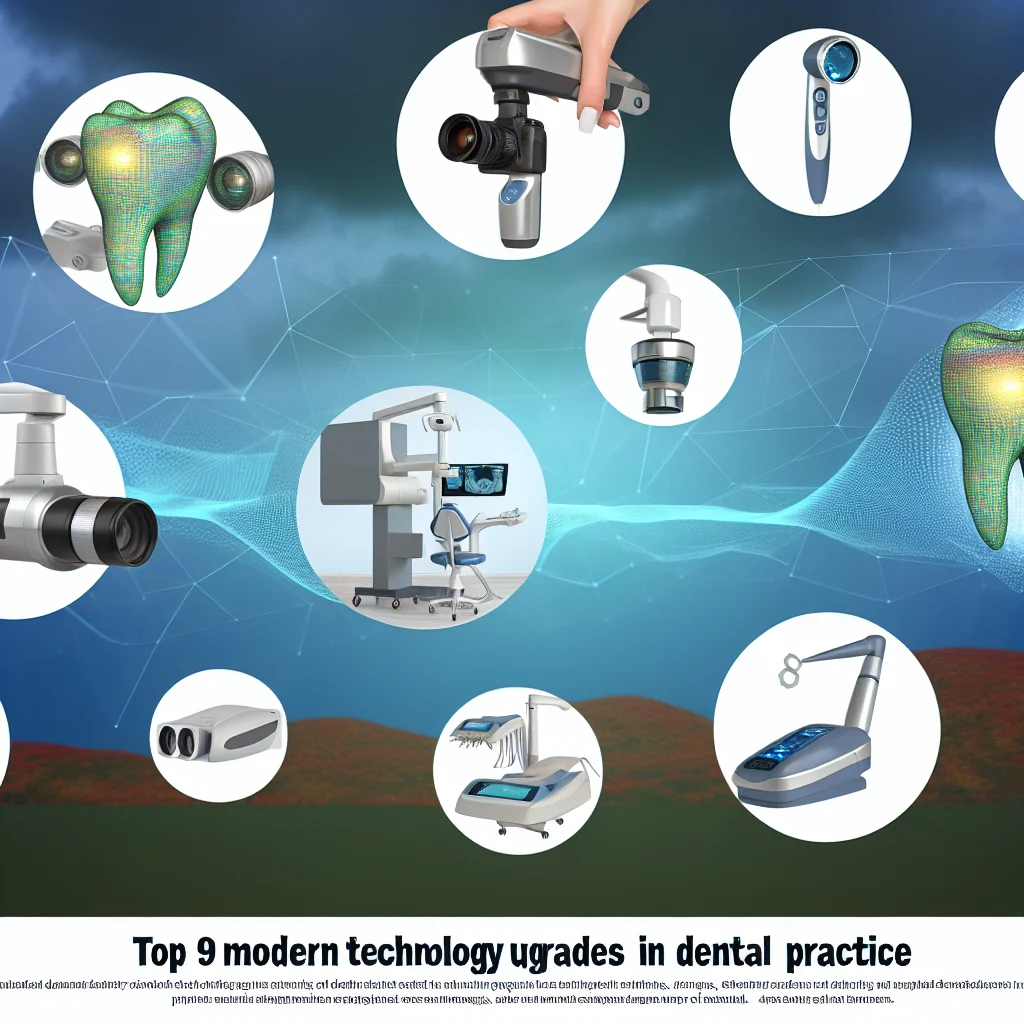
In the rapidly evolving landscape of dental technology, modern practices are increasingly reliant on sophisticated software solutions to enhance patient care, streamline operations, and maintain competitive advantage. As dental practices navigate the myriad options available, it is crucial to consider several key factors to ensure the chosen software aligns with their specific needs and goals. Understanding these considerations can significantly impact the efficiency and effectiveness of a practice’s operations.
Firstly, the integration capabilities of dental software are paramount. A seamless integration with existing systems, such as electronic health records (EHR) and practice management software, is essential for maintaining a cohesive workflow. This integration not only minimizes the risk of data silos but also enhances the accuracy and accessibility of patient information. Consequently, practices should prioritize software solutions that offer robust interoperability with their current technological infrastructure.
Moreover, user-friendliness is a critical aspect that cannot be overlooked. Dental professionals, often pressed for time, require software that is intuitive and easy to navigate. A user-friendly interface reduces the learning curve, allowing staff to quickly adapt and utilize the software to its full potential. This, in turn, can lead to improved productivity and a more efficient practice environment. Therefore, when evaluating software options, practices should consider conducting demonstrations or trials to assess the ease of use from the perspective of all potential users.
In addition to integration and usability, data security is a fundamental concern in the selection of dental software. With the increasing prevalence of cyber threats, safeguarding patient information is of utmost importance. Dental practices must ensure that their software complies with industry standards and regulations, such as the Health Insurance Portability and Accountability Act (HIPAA) in the United States. This includes features like encryption, secure user authentication, and regular software updates to protect sensitive data from unauthorized access.
Furthermore, scalability is a vital consideration for growing practices. As a dental practice expands, its software needs may evolve. Selecting a solution that can scale with the practice ensures that the software remains relevant and effective over time. This scalability can manifest in various forms, such as the ability to add new users, incorporate additional features, or integrate with emerging technologies. By choosing scalable software, practices can avoid the costly and disruptive process of switching systems as they grow.
Another important factor is the level of customer support provided by the software vendor. Reliable and responsive support can make a significant difference in the day-to-day operations of a dental practice. Whether it involves troubleshooting technical issues or providing training for new features, having access to knowledgeable support staff can help practices overcome challenges swiftly and efficiently. Therefore, it is advisable for practices to evaluate the support services offered by vendors, including the availability of support channels and the responsiveness of their customer service teams.
Finally, cost considerations play a crucial role in the decision-making process. While it may be tempting to opt for the most affordable option, practices should weigh the cost against the potential benefits and long-term value of the software. Investing in a high-quality solution that meets the practice’s needs can lead to significant returns in terms of efficiency, patient satisfaction, and overall practice growth.
In conclusion, navigating the complex landscape of dental software requires careful consideration of various factors, including integration capabilities, user-friendliness, data security, scalability, customer support, and cost. By thoroughly evaluating these aspects, dental practices can make informed decisions that enhance their operations and ultimately improve patient care.
Ensuring Dental Compliance: Best Practices For IT Systems
In the rapidly evolving landscape of dental technology, ensuring compliance with regulatory standards is paramount for dental practices. As dental IT systems become more sophisticated, the need for robust compliance measures has never been more critical. Dental practices must navigate a complex web of regulations, including the Health Insurance Portability and Accountability Act (HIPAA) in the United States, which mandates the protection of patient information. To achieve compliance, dental practices must implement best practices that encompass both technological and procedural elements.
First and foremost, it is essential for dental practices to conduct regular risk assessments. These assessments help identify potential vulnerabilities within IT systems that could compromise patient data. By systematically evaluating the security of their networks, dental practices can pinpoint areas that require improvement and implement necessary safeguards. This proactive approach not only aids in compliance but also enhances the overall security posture of the practice.
In addition to risk assessments, dental practices should prioritize the encryption of patient data. Encryption serves as a critical line of defense against unauthorized access, ensuring that sensitive information remains confidential. By encrypting data both at rest and in transit, dental practices can significantly reduce the risk of data breaches. Moreover, encryption aligns with regulatory requirements, providing an added layer of assurance that patient information is adequately protected.
Another vital aspect of ensuring compliance is the implementation of access controls. Dental practices must establish strict protocols to regulate who can access patient data and under what circumstances. Role-based access controls are particularly effective, as they ensure that only authorized personnel have access to specific information necessary for their roles. This minimizes the risk of internal data breaches and helps maintain the integrity of patient records.
Furthermore, dental practices should invest in comprehensive training programs for their staff. Employees play a crucial role in maintaining compliance, and it is imperative that they are well-versed in the latest regulations and best practices. Regular training sessions can help staff understand the importance of data protection and equip them with the knowledge to identify potential security threats. By fostering a culture of compliance, dental practices can ensure that all team members are aligned with the organization’s security objectives.
Incorporating regular audits into the compliance strategy is also beneficial. Audits provide an opportunity to review and assess the effectiveness of existing security measures. They help identify any gaps in compliance and offer insights into areas that require improvement. By conducting audits on a routine basis, dental practices can stay ahead of potential issues and demonstrate their commitment to maintaining high standards of data protection.
Moreover, dental practices should establish a robust incident response plan. Despite best efforts, data breaches can still occur, and having a well-defined response plan is crucial for minimizing damage. The plan should outline the steps to be taken in the event of a breach, including notifying affected patients and relevant authorities. A swift and effective response can mitigate the impact of a breach and help maintain patient trust.
In conclusion, ensuring compliance with regulatory standards is a multifaceted endeavor that requires a combination of technological solutions and procedural diligence. By conducting regular risk assessments, encrypting data, implementing access controls, investing in staff training, conducting audits, and establishing an incident response plan, dental practices can effectively safeguard patient information. As dental technology continues to advance, maintaining compliance will remain a dynamic challenge, but with the right strategies in place, dental practices can navigate this complex landscape with confidence.
Cloud Integration In Dentistry: Transforming Patient Care And Data Management
In recent years, the integration of cloud technology in dentistry has emerged as a transformative force, reshaping how dental practices manage patient care and data. As the dental industry continues to evolve, the adoption of cloud-based solutions offers numerous advantages, enhancing both operational efficiency and patient outcomes. By leveraging the power of the cloud, dental professionals can streamline their workflows, improve data accessibility, and ensure robust data security, all of which contribute to a more effective and patient-centered practice.
One of the primary benefits of cloud integration in dentistry is the enhanced accessibility it provides. Traditionally, dental practices relied on local servers and physical storage systems, which often limited access to patient records and other critical data. With cloud-based systems, dental professionals can access patient information from any location with an internet connection. This capability is particularly beneficial for practices with multiple locations or for professionals who need to consult patient records while away from the office. Consequently, cloud technology facilitates seamless collaboration among dental teams, ensuring that all members have up-to-date information to provide the best possible care.
Moreover, cloud integration significantly improves data management within dental practices. The cloud offers scalable storage solutions, allowing practices to store vast amounts of data without the need for physical infrastructure. This scalability is crucial as dental practices accumulate more digital records, including high-resolution images, treatment plans, and patient histories. By utilizing cloud storage, practices can efficiently manage this data, ensuring it is organized and easily retrievable. Additionally, cloud-based systems often come with advanced data analytics tools, enabling dental professionals to gain insights into patient trends and practice performance, ultimately leading to more informed decision-making.
In addition to accessibility and data management, cloud technology enhances data security, a critical concern for any healthcare provider. Dental practices handle sensitive patient information, and safeguarding this data is paramount. Cloud service providers typically offer robust security measures, including encryption, regular security updates, and compliance with healthcare regulations such as the Health Insurance Portability and Accountability Act (HIPAA). These measures help protect patient data from unauthorized access and potential breaches, providing peace of mind to both dental professionals and their patients.
Furthermore, cloud integration supports the implementation of innovative technologies that can enhance patient care. For instance, tele-dentistry, which has gained popularity in recent years, relies heavily on cloud-based platforms to facilitate remote consultations and follow-ups. By enabling virtual interactions between patients and dental professionals, tele-dentistry expands access to care, particularly for individuals in remote or underserved areas. Additionally, cloud technology supports the use of artificial intelligence (AI) in dentistry, allowing for more accurate diagnostics and personalized treatment plans. AI algorithms can analyze large datasets stored in the cloud to identify patterns and predict outcomes, ultimately improving the quality of care provided to patients.
In conclusion, the integration of cloud technology in dentistry is revolutionizing patient care and data management. By offering enhanced accessibility, improved data management, robust security, and support for innovative technologies, cloud solutions are empowering dental practices to operate more efficiently and deliver superior care. As the dental industry continues to embrace digital transformation, the role of cloud technology will undoubtedly become even more integral, driving further advancements and setting new standards for patient care.
Discover the latest advancements in dental technology with our comprehensive guide on Dental IT Insights. Stay ahead in the industry and enhance your practice today! Learn more.