Emerging Health IT Trends Transforming Healthcare Systems
In recent years, the healthcare industry has witnessed a remarkable transformation driven by the rapid advancement of information technology. As healthcare systems strive to improve patient outcomes, reduce costs, and enhance operational efficiency, emerging health IT trends are playing a pivotal role in reshaping the landscape. One of the most significant trends is the integration of artificial intelligence (AI) and machine learning into healthcare systems. These technologies are enabling healthcare providers to analyze vast amounts of data quickly and accurately, leading to more informed decision-making and personalized patient care. For instance, AI algorithms can predict patient deterioration, optimize treatment plans, and even assist in early diagnosis of diseases, thereby improving the overall quality of care.
Moreover, the rise of telemedicine has revolutionized the way healthcare services are delivered. With the advent of high-speed internet and advanced communication tools, patients can now access medical consultations from the comfort of their homes. This not only increases accessibility for those in remote or underserved areas but also reduces the burden on healthcare facilities. Telemedicine has proven particularly beneficial during the COVID-19 pandemic, as it allowed for continued patient care while minimizing the risk of virus transmission. As telehealth platforms continue to evolve, they are expected to become an integral part of healthcare systems worldwide.
In addition to AI and telemedicine, the adoption of electronic health records (EHRs) has been a game-changer for healthcare systems. EHRs facilitate the seamless exchange of patient information among healthcare providers, ensuring that medical histories are readily available and reducing the likelihood of errors. This digital transformation enhances coordination among healthcare professionals, leading to more efficient and effective patient care. Furthermore, EHRs support data analytics, enabling healthcare organizations to identify trends, track outcomes, and implement evidence-based practices.
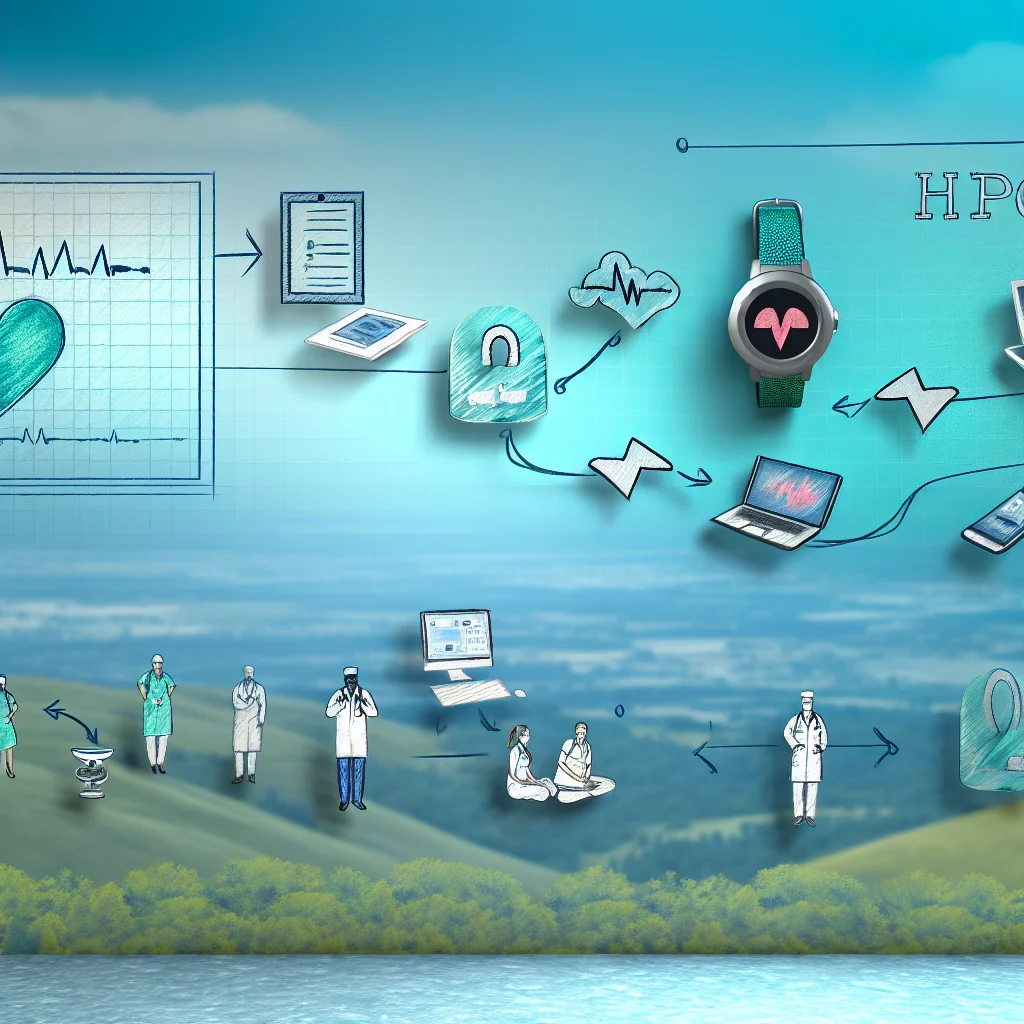
Another emerging trend is the use of wearable technology and mobile health applications. These tools empower patients to take an active role in managing their health by providing real-time data on vital signs, physical activity, and other health metrics. Wearable devices, such as smartwatches and fitness trackers, can monitor heart rate, sleep patterns, and even detect irregularities that may require medical attention. By integrating these technologies into healthcare systems, providers can offer more proactive and preventive care, ultimately improving patient outcomes.
Cybersecurity is also becoming increasingly important as healthcare systems become more digitized. Protecting sensitive patient data from cyber threats is paramount, and healthcare organizations are investing in robust security measures to safeguard their information systems. This includes implementing encryption, multi-factor authentication, and regular security audits to prevent data breaches and ensure patient privacy.
Furthermore, the concept of interoperability is gaining traction as healthcare systems aim to create a more connected and cohesive network. Interoperability allows different IT systems and software applications to communicate and exchange data effectively, regardless of the vendor or platform. This seamless integration is crucial for providing comprehensive patient care and facilitating collaboration among healthcare providers.
In conclusion, the integration of emerging health IT trends into healthcare systems is transforming the industry in unprecedented ways. From AI and telemedicine to EHRs and wearable technology, these innovations are enhancing patient care, improving operational efficiency, and driving down costs. As healthcare systems continue to evolve, embracing these technological advancements will be essential for meeting the growing demands of patients and delivering high-quality care in the digital age.
Enhancing Clinical Support Through Advanced Healthcare IT Solutions
In the rapidly evolving landscape of healthcare, the integration of advanced IT solutions has become a cornerstone for enhancing clinical support. As healthcare systems strive to improve patient outcomes, reduce costs, and streamline operations, the role of healthcare IT has never been more critical. By leveraging cutting-edge technologies, healthcare providers can offer more efficient, accurate, and personalized care, ultimately transforming the patient experience.
One of the primary ways healthcare IT solutions enhance clinical support is through the implementation of electronic health records (EHRs). EHRs provide a comprehensive, digital version of a patient’s medical history, accessible to authorized healthcare providers across different settings. This accessibility ensures that clinicians have up-to-date information, enabling them to make informed decisions quickly. Moreover, EHRs facilitate better coordination among healthcare teams, reducing the likelihood of errors and redundancies in patient care.
In addition to EHRs, clinical decision support systems (CDSS) play a pivotal role in enhancing clinical support. These systems analyze data from various sources to provide evidence-based recommendations to healthcare providers. By integrating CDSS into their workflows, clinicians can receive alerts about potential drug interactions, reminders for preventive care, and suggestions for diagnostic tests. This not only improves the quality of care but also enhances patient safety by minimizing the risk of adverse events.
Furthermore, telemedicine has emerged as a vital component of healthcare IT solutions, particularly in the wake of the COVID-19 pandemic. Telemedicine platforms enable healthcare providers to deliver care remotely, breaking down geographical barriers and increasing access to medical services. Patients can consult with their doctors from the comfort of their homes, reducing the need for travel and minimizing exposure to infectious diseases. This convenience is especially beneficial for individuals with chronic conditions or those living in rural areas with limited access to healthcare facilities.
Another significant advancement in healthcare IT is the use of artificial intelligence (AI) and machine learning. These technologies have the potential to revolutionize clinical support by automating routine tasks, analyzing large datasets, and identifying patterns that may not be immediately apparent to human clinicians. For instance, AI algorithms can assist in diagnosing diseases by analyzing medical images, such as X-rays or MRIs, with remarkable accuracy. This not only speeds up the diagnostic process but also allows healthcare providers to focus on more complex cases that require human expertise.
Moreover, the integration of wearable technology and mobile health applications into healthcare systems is transforming how patients engage with their health. Wearable devices, such as fitness trackers and smartwatches, collect real-time data on vital signs, physical activity, and sleep patterns. This information can be shared with healthcare providers, offering valuable insights into a patient’s health status and enabling proactive interventions. Mobile health applications further empower patients by providing tools for medication management, appointment scheduling, and health education.
In conclusion, the adoption of advanced healthcare IT solutions is instrumental in enhancing clinical support within healthcare systems. By embracing technologies such as EHRs, CDSS, telemedicine, AI, and wearable devices, healthcare providers can deliver more efficient, accurate, and personalized care. As these technologies continue to evolve, they hold the promise of further transforming the healthcare landscape, ultimately leading to improved patient outcomes and a more sustainable healthcare system.
Navigating HIPAA Compliance in Modern Healthcare Systems
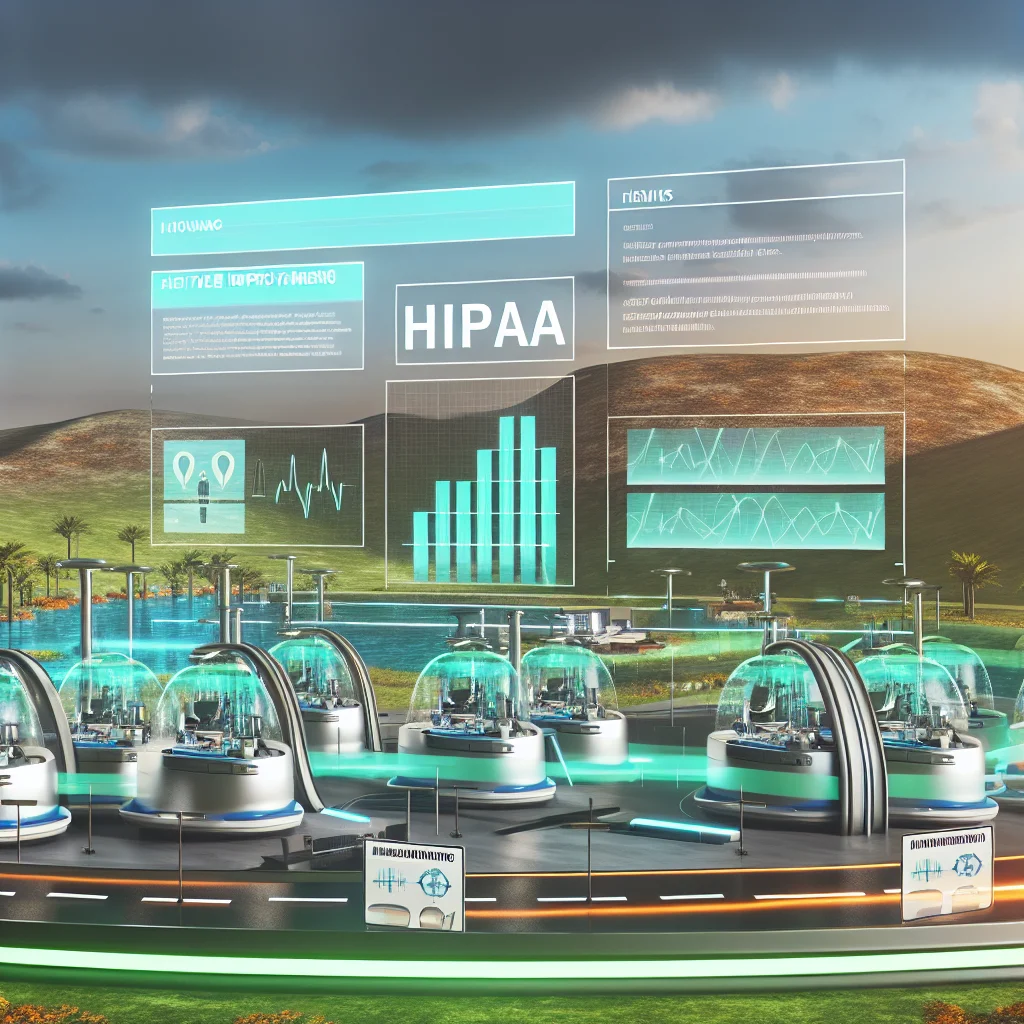
Navigating HIPAA compliance in modern healthcare systems presents a complex challenge that requires a nuanced understanding of both regulatory requirements and technological advancements. The Health Insurance Portability and Accountability Act (HIPAA), enacted in 1996, was designed to protect sensitive patient information from being disclosed without the patient’s consent or knowledge. As healthcare systems have evolved, so too have the methods and technologies used to manage patient data, necessitating a continuous adaptation to ensure compliance.
In the contemporary landscape, healthcare providers are increasingly reliant on electronic health records (EHRs) and other digital tools to enhance patient care and streamline operations. This digital transformation, while beneficial, introduces new vulnerabilities and complexities in maintaining HIPAA compliance. The integration of advanced technologies such as cloud computing, artificial intelligence, and telemedicine platforms has expanded the scope of potential data breaches, making it imperative for healthcare organizations to implement robust security measures.
To navigate these challenges, healthcare systems must adopt a comprehensive approach to data protection. This begins with a thorough risk assessment to identify potential vulnerabilities within their IT infrastructure. By understanding where risks lie, organizations can prioritize their efforts and allocate resources effectively to mitigate these threats. Moreover, regular audits and updates to security protocols are essential to adapt to the ever-evolving landscape of cyber threats.
Training and education also play a critical role in ensuring HIPAA compliance. Healthcare professionals must be well-versed in the regulations and understand the importance of safeguarding patient information. Regular training sessions can help staff stay informed about the latest compliance requirements and best practices for data protection. Additionally, fostering a culture of accountability and vigilance within the organization can significantly reduce the risk of accidental data breaches.
Another crucial aspect of maintaining HIPAA compliance is the management of third-party vendors. Many healthcare systems rely on external partners for various services, such as billing, data storage, and IT support. It is essential to conduct due diligence when selecting these vendors, ensuring they adhere to HIPAA regulations and have adequate security measures in place. Establishing clear contracts and business associate agreements can further delineate responsibilities and expectations, reducing the risk of non-compliance.
Furthermore, the rise of telemedicine has introduced new dimensions to HIPAA compliance. As more patients opt for virtual consultations, healthcare providers must ensure that these interactions are secure and that patient data is protected. This involves using encrypted communication channels and verifying the identity of both patients and providers during virtual visits. By implementing these measures, healthcare systems can maintain the confidentiality and integrity of patient information in a digital setting.
In conclusion, navigating HIPAA compliance in modern healthcare systems requires a multifaceted approach that encompasses risk assessment, staff training, vendor management, and the secure implementation of new technologies. As the healthcare industry continues to evolve, organizations must remain vigilant and proactive in their efforts to protect patient data. By doing so, they not only comply with regulatory requirements but also build trust with patients, ultimately enhancing the quality of care provided. Through a commitment to continuous improvement and adaptation, healthcare systems can successfully navigate the complexities of HIPAA compliance in the digital age.
Optimizing Medical Data Management for Improved Patient Care
In the rapidly evolving landscape of healthcare, the optimization of medical data management has emerged as a pivotal factor in enhancing patient care. As healthcare systems increasingly rely on digital solutions, the efficient handling of medical data becomes crucial. This shift towards digitalization is driven by the need to improve patient outcomes, streamline operations, and reduce costs. Consequently, healthcare providers are investing in advanced IT systems to manage the vast amounts of data generated daily.
One of the primary benefits of optimizing medical data management is the enhancement of patient care through improved data accessibility. When healthcare professionals have immediate access to comprehensive patient records, they can make more informed decisions. This accessibility is facilitated by electronic health records (EHRs), which consolidate patient information into a single, easily accessible digital format. EHRs not only improve the accuracy of patient data but also ensure that critical information is available to authorized personnel at the point of care. This seamless access to data can significantly reduce the risk of medical errors, thereby improving patient safety.
Moreover, the integration of advanced data analytics into healthcare systems allows for more precise and personalized treatment plans. By analyzing large datasets, healthcare providers can identify patterns and trends that may not be apparent through traditional methods. This capability enables the development of predictive models that can forecast patient outcomes and suggest optimal treatment strategies. For instance, data analytics can help identify patients at high risk of developing chronic conditions, allowing for early intervention and preventive care. As a result, healthcare systems can shift from a reactive to a proactive approach, ultimately enhancing patient care and reducing long-term healthcare costs.
In addition to improving patient outcomes, optimized medical data management can lead to more efficient healthcare operations. By automating routine tasks and streamlining workflows, healthcare providers can allocate resources more effectively. This efficiency is particularly important in an era where healthcare systems are under increasing pressure to do more with less. For example, automated data entry and processing can free up valuable time for healthcare professionals, allowing them to focus on direct patient care rather than administrative tasks. Furthermore, efficient data management can facilitate better coordination among different departments and healthcare facilities, ensuring that patients receive timely and coordinated care.
However, the transition to optimized medical data management is not without challenges. Ensuring data security and patient privacy remains a top priority, as healthcare data is highly sensitive and subject to strict regulatory requirements. Healthcare providers must implement robust cybersecurity measures to protect against data breaches and unauthorized access. Additionally, the interoperability of different IT systems poses a significant challenge, as seamless data exchange between disparate systems is essential for comprehensive patient care. Overcoming these challenges requires collaboration among healthcare providers, IT professionals, and policymakers to develop standardized protocols and secure data-sharing frameworks.
In conclusion, optimizing medical data management is a critical component of modern healthcare systems, offering numerous benefits in terms of patient care and operational efficiency. By leveraging digital solutions and advanced analytics, healthcare providers can enhance data accessibility, improve treatment outcomes, and streamline operations. While challenges such as data security and interoperability remain, continued investment in healthcare IT infrastructure and collaborative efforts will pave the way for a more efficient and effective healthcare system. As the healthcare landscape continues to evolve, the importance of optimized medical data management will only grow, underscoring its role in shaping the future of patient care.
Integrating EHR and Tech Solutions in Healthcare Systems
The integration of Electronic Health Records (EHR) and technological solutions within healthcare systems represents a pivotal advancement in modern medical practice. As healthcare providers strive to enhance patient care and operational efficiency, the seamless incorporation of these digital tools has become increasingly essential. EHR systems, which digitize patient records, offer a comprehensive view of a patient’s medical history, thereby facilitating improved decision-making and coordination among healthcare professionals. However, the integration of EHR with other technological solutions is not without its challenges, necessitating a strategic approach to ensure successful implementation and utilization.
To begin with, the integration of EHR systems with other healthcare technologies, such as telemedicine platforms and wearable health devices, can significantly enhance patient engagement and monitoring. By enabling real-time data sharing, healthcare providers can offer more personalized and timely interventions. For instance, patients with chronic conditions can benefit from continuous monitoring through wearable devices, with data seamlessly transmitted to their EHR. This integration allows healthcare professionals to track patient progress and adjust treatment plans accordingly, ultimately leading to improved health outcomes.
Moreover, the interoperability of EHR systems with various healthcare technologies is crucial for fostering a collaborative environment among different healthcare entities. Interoperability ensures that patient data can be easily shared across different platforms and institutions, thereby reducing redundancies and minimizing the risk of errors. This is particularly important in emergency situations, where quick access to a patient’s medical history can be life-saving. Furthermore, interoperability supports the continuity of care, as patients transition between different healthcare providers or settings, ensuring that their medical information is consistently updated and accessible.
Despite the clear benefits, integrating EHR and technological solutions within healthcare systems presents several challenges. One of the primary obstacles is the issue of data security and privacy. As patient information becomes increasingly digitized, the risk of data breaches and unauthorized access grows. Healthcare organizations must implement robust security measures, such as encryption and multi-factor authentication, to protect sensitive patient data. Additionally, compliance with regulations such as the Health Insurance Portability and Accountability Act (HIPAA) is essential to safeguard patient privacy and maintain trust.
Another challenge lies in the complexity of integrating disparate systems and technologies. Many healthcare organizations utilize a variety of software and hardware solutions, which may not be inherently compatible. This necessitates the development of standardized protocols and interfaces to facilitate seamless integration. Furthermore, the implementation process often requires significant investment in terms of time and resources, as well as comprehensive training for healthcare staff to ensure they are proficient in using the new systems.
In conclusion, the integration of EHR and technological solutions within healthcare systems holds immense potential for transforming patient care and operational efficiency. By enabling real-time data sharing and fostering interoperability, these digital tools can enhance patient engagement, improve health outcomes, and support a collaborative healthcare environment. However, addressing challenges related to data security, system compatibility, and staff training is crucial for successful implementation. As healthcare organizations continue to navigate this complex landscape, a strategic and informed approach will be essential to fully realize the benefits of integrated EHR and technology solutions.
Unlock the future of healthcare with cutting-edge IT insights. Discover how innovative healthcare systems are transforming patient care. Explore more now!