Ensuring HIPAA Compliance in Modern Healthcare Systems: Best Practices and Challenges
In the rapidly evolving landscape of modern healthcare systems, ensuring compliance with the Health Insurance Portability and Accountability Act (HIPAA) remains a critical concern. As healthcare organizations increasingly rely on digital solutions to manage patient information, the need for robust data protection measures has never been more pressing. HIPAA, enacted in 1996, sets the standard for protecting sensitive patient data, and compliance is mandatory for healthcare providers, health plans, and healthcare clearinghouses. However, the integration of advanced technologies presents both opportunities and challenges in maintaining HIPAA compliance.
One of the primary best practices for ensuring HIPAA compliance is the implementation of comprehensive risk assessments. These assessments help identify potential vulnerabilities in the handling of protected health information (PHI) and are essential for developing effective security measures. By regularly conducting risk assessments, healthcare organizations can proactively address potential threats and ensure that their systems are equipped to safeguard patient data. Furthermore, these assessments should be dynamic, evolving alongside technological advancements and emerging threats.
In addition to risk assessments, employee training is a cornerstone of HIPAA compliance. Healthcare staff must be well-versed in the regulations and understand the importance of protecting patient information. Regular training sessions can help reinforce the significance of compliance and ensure that employees are aware of the latest policies and procedures. Moreover, fostering a culture of accountability and vigilance within the organization can significantly reduce the risk of data breaches and non-compliance.
Another critical aspect of maintaining HIPAA compliance is the implementation of robust access controls. Limiting access to PHI to only those individuals who require it for their job functions is essential. This can be achieved through role-based access controls, which ensure that employees have access only to the information necessary for their specific roles. Additionally, employing advanced authentication methods, such as multi-factor authentication, can further enhance security by adding an extra layer of protection against unauthorized access.
Despite these best practices, healthcare organizations face several challenges in achieving and maintaining HIPAA compliance. One significant challenge is the rapid pace of technological change. As new technologies emerge, they often introduce new vulnerabilities that can be exploited by cybercriminals. Healthcare organizations must stay abreast of these developments and continuously update their security measures to address potential risks. This requires a proactive approach and a commitment to ongoing education and adaptation.
Moreover, the increasing use of third-party vendors in healthcare systems adds another layer of complexity to HIPAA compliance. These vendors often have access to sensitive patient data, and it is crucial for healthcare organizations to ensure that their partners also adhere to HIPAA regulations. Establishing clear agreements and conducting regular audits of third-party vendors can help mitigate the risks associated with outsourcing services.
In conclusion, ensuring HIPAA compliance in modern healthcare systems is a multifaceted endeavor that requires a combination of best practices and a keen awareness of emerging challenges. By conducting regular risk assessments, providing comprehensive employee training, implementing robust access controls, and maintaining vigilance in the face of technological advancements, healthcare organizations can protect patient information and uphold the standards set forth by HIPAA. As the healthcare industry continues to evolve, a commitment to compliance will remain essential in safeguarding the privacy and security of patient data.
The Role of Clinical Support in Enhancing Healthcare Systems Through IT Solutions
In the rapidly evolving landscape of healthcare, the integration of information technology has become a pivotal factor in enhancing the efficiency and effectiveness of healthcare systems. Clinical support, facilitated by advanced IT solutions, plays a crucial role in this transformation. By leveraging technology, healthcare providers can improve patient outcomes, streamline operations, and reduce costs, thereby creating a more sustainable healthcare environment.
One of the primary ways IT solutions enhance clinical support is through the implementation of Electronic Health Records (EHRs). EHRs provide a comprehensive, digital version of a patient’s medical history, accessible to authorized healthcare providers across different facilities. This accessibility ensures that clinicians have up-to-date information, which is essential for making informed decisions about patient care. Moreover, EHRs facilitate better coordination among healthcare teams, reducing the likelihood of errors and redundancies in treatment plans. As a result, patients receive more personalized and efficient care, which can lead to improved health outcomes.
In addition to EHRs, clinical decision support systems (CDSS) are another critical component of IT solutions in healthcare. These systems analyze data from various sources to provide evidence-based recommendations to clinicians. By integrating CDSS into their practice, healthcare providers can enhance diagnostic accuracy and optimize treatment plans. For instance, CDSS can alert physicians to potential drug interactions or suggest alternative therapies based on the latest research. This not only improves patient safety but also empowers clinicians to deliver high-quality care.
Furthermore, telemedicine has emerged as a transformative IT solution, particularly in the wake of the COVID-19 pandemic. By enabling remote consultations, telemedicine expands access to healthcare services, especially for patients in rural or underserved areas. This technology allows healthcare providers to monitor patients’ conditions, offer medical advice, and even prescribe medications without the need for in-person visits. Consequently, telemedicine reduces the burden on healthcare facilities and minimizes the risk of infection transmission, while ensuring that patients continue to receive necessary care.
Another significant aspect of IT solutions in clinical support is the use of data analytics. By harnessing the power of big data, healthcare systems can identify trends, predict patient outcomes, and allocate resources more effectively. For example, predictive analytics can help hospitals anticipate patient admission rates, enabling them to manage staffing and resources proactively. Additionally, data analytics can uncover patterns in patient populations, guiding public health initiatives and policy decisions. This data-driven approach not only enhances operational efficiency but also contributes to the overall improvement of healthcare systems.
Despite the numerous benefits, the integration of IT solutions in clinical support also presents challenges. Ensuring data security and patient privacy is paramount, as healthcare systems are prime targets for cyberattacks. Therefore, robust cybersecurity measures must be implemented to protect sensitive information. Moreover, the successful adoption of IT solutions requires significant investment in infrastructure and training. Healthcare providers must be equipped with the necessary skills to utilize these technologies effectively, which can be a barrier for some institutions.
In conclusion, the role of clinical support in enhancing healthcare systems through IT solutions is multifaceted and transformative. By embracing technologies such as EHRs, CDSS, telemedicine, and data analytics, healthcare providers can improve patient care, optimize operations, and create a more resilient healthcare system. However, addressing the challenges associated with IT integration is essential to fully realize its potential. As technology continues to advance, the collaboration between healthcare professionals and IT experts will be crucial in shaping the future of healthcare.
Leveraging Medical Data for Improved Patient Outcomes in Healthcare Systems
In the rapidly evolving landscape of healthcare, the integration of information technology has become a pivotal factor in enhancing patient outcomes. The utilization of medical data, facilitated by advanced healthcare IT systems, is at the forefront of this transformation. By leveraging vast amounts of data, healthcare providers can make more informed decisions, ultimately leading to improved patient care and outcomes. The journey towards this data-driven approach begins with the collection and management of patient information, which is now more comprehensive and accessible than ever before.
Electronic Health Records (EHRs) serve as the cornerstone of this data revolution. These digital records provide a holistic view of a patient’s medical history, encompassing everything from past diagnoses and treatments to current medications and allergies. The accessibility of such detailed information allows healthcare professionals to tailor their care strategies to the individual needs of each patient. Moreover, EHRs facilitate seamless communication among different healthcare providers, ensuring that all parties involved in a patient’s care are on the same page. This collaborative approach reduces the likelihood of medical errors and enhances the overall quality of care.
In addition to EHRs, the integration of big data analytics into healthcare systems has opened new avenues for improving patient outcomes. By analyzing large datasets, healthcare providers can identify patterns and trends that may not be immediately apparent through traditional methods. For instance, predictive analytics can be employed to anticipate potential health issues before they become critical, allowing for early intervention and prevention. This proactive approach not only improves patient outcomes but also reduces the burden on healthcare systems by minimizing the need for more intensive treatments.
Furthermore, the advent of artificial intelligence (AI) in healthcare has revolutionized the way medical data is utilized. AI algorithms can process and analyze data at a speed and accuracy that far surpasses human capabilities. This technology is particularly beneficial in areas such as medical imaging, where AI can assist in the early detection of diseases like cancer. By identifying abnormalities in medical images with high precision, AI aids radiologists in making more accurate diagnoses, leading to timely and effective treatment plans.
The integration of telemedicine into healthcare systems is another significant development that leverages medical data for improved patient outcomes. Telemedicine platforms enable remote consultations, allowing patients to receive medical advice and treatment without the need for in-person visits. This is particularly advantageous for individuals in remote or underserved areas, where access to healthcare facilities may be limited. By utilizing telemedicine, healthcare providers can monitor patients’ health data in real-time, ensuring that any changes in their condition are promptly addressed.
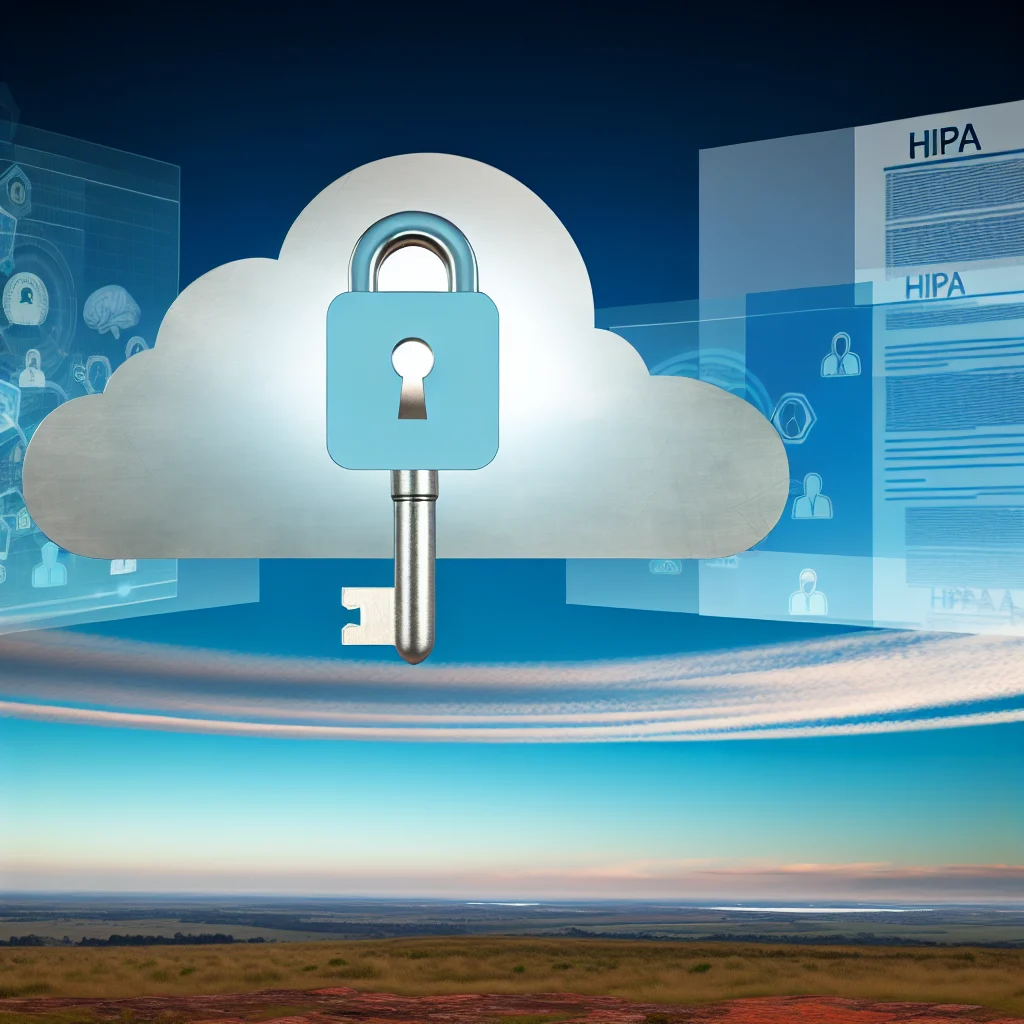
Despite the numerous benefits of leveraging medical data, it is crucial to address the challenges associated with data privacy and security. Healthcare systems must implement robust measures to protect sensitive patient information from unauthorized access and breaches. Ensuring data integrity and confidentiality is paramount to maintaining patient trust and compliance with regulatory standards.
In conclusion, the strategic use of medical data through advanced healthcare IT systems holds immense potential for improving patient outcomes. By harnessing the power of EHRs, big data analytics, AI, and telemedicine, healthcare providers can deliver more personalized, efficient, and effective care. As technology continues to advance, the healthcare industry must remain vigilant in addressing the challenges associated with data security to fully realize the benefits of this data-driven approach.
EHR Implementation: Transforming Healthcare Systems with Electronic Health Records
The implementation of Electronic Health Records (EHR) has become a pivotal element in the transformation of healthcare systems worldwide. As healthcare providers strive to enhance patient care, improve efficiency, and reduce costs, the adoption of EHR systems has emerged as a critical strategy. These digital records offer a comprehensive view of a patient’s medical history, facilitating better decision-making and coordination among healthcare professionals. The transition from paper-based records to electronic systems, however, is not without its challenges. Nevertheless, the potential benefits of EHR implementation are substantial, making it a worthwhile endeavor for healthcare organizations.
One of the primary advantages of EHR systems is the improvement in the quality of patient care. By providing healthcare professionals with immediate access to a patient’s complete medical history, EHRs enable more accurate diagnoses and more effective treatment plans. This accessibility reduces the likelihood of medical errors, such as prescribing contraindicated medications, and ensures that all healthcare providers involved in a patient’s care are informed and aligned. Furthermore, EHRs facilitate the integration of evidence-based guidelines into clinical practice, supporting healthcare providers in delivering care that is consistent with the latest medical research.
In addition to enhancing patient care, EHR systems contribute to increased efficiency within healthcare organizations. The automation of administrative tasks, such as appointment scheduling and billing, reduces the burden on staff and allows them to focus more on patient care. Moreover, EHRs streamline the process of sharing information between different departments and facilities, eliminating the need for redundant tests and procedures. This not only saves time but also reduces healthcare costs, benefiting both providers and patients.
Despite these advantages, the implementation of EHR systems presents several challenges. One significant hurdle is the initial cost of adopting these systems, which can be substantial. Healthcare organizations must invest in the necessary technology, infrastructure, and training to ensure successful implementation. Additionally, there is often resistance to change among healthcare professionals, who may be accustomed to traditional methods of record-keeping. Overcoming this resistance requires comprehensive training programs and ongoing support to help staff adapt to the new systems.
Moreover, concerns about data security and patient privacy are paramount in the digital age. EHR systems must comply with stringent regulations to protect sensitive patient information from unauthorized access and breaches. Healthcare organizations must implement robust security measures and continuously monitor their systems to safeguard patient data. This aspect of EHR implementation is critical, as any compromise in data security can undermine patient trust and have severe legal and financial repercussions.
Despite these challenges, the long-term benefits of EHR implementation are undeniable. As healthcare systems continue to evolve, the integration of electronic health records will play an increasingly vital role in improving patient outcomes and operational efficiency. The ability to analyze large volumes of data collected through EHRs also opens new avenues for research and innovation in healthcare, enabling the development of personalized medicine and more effective public health strategies.
In conclusion, while the transition to EHR systems requires significant investment and effort, the potential rewards make it an essential component of modern healthcare systems. By enhancing the quality of care, increasing efficiency, and supporting data-driven decision-making, EHRs are transforming the way healthcare is delivered. As technology continues to advance, the role of EHRs in shaping the future of healthcare will undoubtedly expand, offering new opportunities to improve patient care and optimize healthcare delivery.
Health IT Trends: The Future of Tech Integration in Healthcare Systems
The integration of technology within healthcare systems has been a transformative force, reshaping how medical services are delivered and experienced. As we look to the future, the trends in health IT are poised to further revolutionize the industry, enhancing efficiency, accessibility, and patient outcomes. One of the most significant trends is the increasing adoption of electronic health records (EHRs). These digital versions of patients’ paper charts have become a cornerstone of modern healthcare, enabling seamless sharing of information across different healthcare providers. This not only improves coordination of care but also reduces the likelihood of errors, as all relevant patient information is readily accessible to authorized personnel.
Moreover, the rise of telemedicine has been accelerated by recent global events, highlighting its potential to provide care to patients regardless of their location. Telemedicine platforms allow for virtual consultations, which can be particularly beneficial for individuals in remote or underserved areas. This trend is expected to continue growing, driven by advancements in communication technologies and a greater acceptance of remote care by both patients and providers. As telemedicine becomes more integrated into healthcare systems, it will be crucial to address challenges such as data security and privacy to maintain patient trust.
In addition to telemedicine, wearable technology is playing an increasingly important role in healthcare. Devices such as smartwatches and fitness trackers are now capable of monitoring a range of health metrics, from heart rate to sleep patterns. These devices empower patients to take a more active role in managing their health, providing real-time data that can be shared with healthcare providers for more personalized care. The integration of wearable technology into healthcare systems is likely to expand, offering new opportunities for preventive care and chronic disease management.
Artificial intelligence (AI) is another area where significant advancements are being made. AI algorithms are being developed to assist in diagnosing diseases, predicting patient outcomes, and even suggesting treatment plans. By analyzing vast amounts of data, AI can identify patterns that may not be immediately apparent to human clinicians, thus enhancing decision-making processes. However, the implementation of AI in healthcare must be approached with caution, ensuring that these systems are transparent, unbiased, and subject to rigorous validation.
Furthermore, the concept of interoperability is gaining traction as healthcare systems strive to ensure that different technologies and platforms can communicate effectively with one another. Interoperability is essential for creating a cohesive healthcare ecosystem where data flows seamlessly between various stakeholders, including hospitals, clinics, and insurance providers. Achieving true interoperability will require collaboration across the industry, as well as adherence to standardized protocols and regulations.
As these trends continue to evolve, the role of cybersecurity in healthcare IT cannot be overstated. With the increasing digitization of health records and the proliferation of connected devices, protecting sensitive patient information from cyber threats is paramount. Healthcare organizations must invest in robust security measures and continuously update their protocols to safeguard against potential breaches.
In conclusion, the future of tech integration in healthcare systems is marked by exciting possibilities and significant challenges. As technology continues to advance, it will be essential for healthcare providers, policymakers, and technology developers to work together to ensure that these innovations are implemented in a way that maximizes benefits while minimizing risks. By doing so, we can create a more efficient, accessible, and patient-centered healthcare system that meets the needs of the 21st century.
Unlock the future of healthcare with cutting-edge IT insights. Discover how innovative healthcare systems are transforming patient care. Learn more now!