Enhancing Email Protection: The Role of DLP Systems in Modern IT Strategies
In the rapidly evolving landscape of information technology, safeguarding sensitive data has become a paramount concern for organizations worldwide. As businesses increasingly rely on digital communication, email remains a critical vector for data exchange, making it a prime target for data breaches. Consequently, enhancing email protection has emerged as a crucial component of modern IT strategies. Central to this effort is the implementation of Data Loss Prevention (DLP) systems, which play a pivotal role in securing sensitive information and ensuring compliance with regulatory requirements.
DLP systems are designed to detect and prevent unauthorized access to or transmission of sensitive data. By monitoring and controlling data flows, these systems help organizations protect their intellectual property, customer information, and other critical assets. In the context of email protection, DLP systems offer a robust solution to mitigate the risks associated with data leakage. They achieve this by employing a combination of content analysis, contextual scanning, and policy enforcement to identify and block potential threats before they can cause harm.
One of the primary functions of DLP systems in email protection is content inspection. By analyzing the content of outgoing emails, DLP systems can identify sensitive information such as credit card numbers, social security numbers, or proprietary business data. This capability allows organizations to enforce policies that prevent the accidental or intentional sharing of confidential information. Moreover, DLP systems can be configured to automatically encrypt sensitive emails, ensuring that even if they are intercepted, the data remains secure.
In addition to content inspection, DLP systems utilize contextual scanning to assess the risk associated with email communications. This involves evaluating factors such as the sender’s and recipient’s identities, the email’s destination, and the presence of any suspicious attachments or links. By considering these contextual elements, DLP systems can more accurately determine the likelihood of a data breach and take appropriate action to prevent it. This proactive approach not only enhances email security but also reduces the burden on IT teams by minimizing false positives and focusing on genuine threats.
Furthermore, DLP systems play a critical role in ensuring compliance with data protection regulations such as the General Data Protection Regulation (GDPR) and the Health Insurance Portability and Accountability Act (HIPAA). These regulations impose strict requirements on how organizations handle and protect personal data. By implementing DLP systems, businesses can demonstrate their commitment to data protection and avoid the significant financial and reputational consequences of non-compliance. DLP systems provide detailed audit trails and reporting capabilities, enabling organizations to document their compliance efforts and respond effectively to regulatory inquiries.
As organizations continue to embrace digital transformation, the integration of DLP systems into modern IT strategies becomes increasingly essential. By enhancing email protection, DLP systems not only safeguard sensitive information but also support broader business objectives such as maintaining customer trust and ensuring operational continuity. Moreover, as cyber threats continue to evolve, DLP systems offer a scalable and adaptable solution that can be tailored to meet the unique needs of each organization.
In conclusion, the role of DLP systems in enhancing email protection is a critical component of modern IT strategies. By leveraging advanced content analysis, contextual scanning, and policy enforcement, these systems provide a comprehensive defense against data breaches and ensure compliance with regulatory requirements. As businesses navigate the complexities of the digital age, the implementation of DLP systems will remain a cornerstone of effective data protection strategies, safeguarding both organizational assets and customer trust.
Encryption and Access Control: Key Components of Effective Data Loss Prevention
In the rapidly evolving landscape of information technology, safeguarding sensitive data has become a paramount concern for organizations across the globe. As cyber threats grow in sophistication and frequency, the implementation of robust Data Loss Prevention (DLP) systems has emerged as a critical component of modern IT strategies. Central to the effectiveness of these systems are encryption and access control, two key elements that work in tandem to protect data from unauthorized access and potential breaches.
Encryption serves as the first line of defense in a comprehensive DLP strategy. By converting data into a coded format that can only be deciphered with the correct decryption key, encryption ensures that even if data is intercepted or accessed by unauthorized individuals, it remains unintelligible and thus, secure. This process is particularly vital for protecting data in transit, such as information sent over the internet or stored in cloud environments, where the risk of interception is heightened. Moreover, encryption is not limited to data in transit; it is equally crucial for data at rest, ensuring that stored information remains protected from unauthorized access.
Complementing encryption, access control mechanisms play a pivotal role in DLP systems by regulating who can view or use resources within an organization. Access control is typically implemented through a combination of authentication and authorization processes. Authentication verifies the identity of users attempting to access the system, often through passwords, biometric scans, or multi-factor authentication methods. Once authenticated, authorization determines the level of access granted to the user, ensuring that individuals can only access data necessary for their role. This principle of least privilege minimizes the risk of internal data breaches by limiting exposure to sensitive information.
The integration of encryption and access control within DLP systems is not without its challenges. Organizations must carefully balance security with usability, ensuring that protective measures do not impede legitimate business operations. For instance, overly stringent access controls can lead to workflow bottlenecks, while complex encryption protocols may slow down data processing. Therefore, it is essential for IT departments to tailor these security measures to align with organizational needs and operational requirements.
Furthermore, the dynamic nature of modern IT environments necessitates continuous monitoring and updating of DLP systems. As new threats emerge and technology evolves, organizations must remain vigilant in adapting their encryption and access control strategies. This includes regularly updating encryption algorithms to counteract advancements in decryption techniques and revising access control policies to reflect changes in personnel or organizational structure.
In addition to technical measures, fostering a culture of security awareness within the organization is crucial. Employees should be educated on the importance of data protection and trained in best practices for maintaining security, such as recognizing phishing attempts and adhering to password policies. By cultivating a workforce that is informed and vigilant, organizations can significantly enhance the effectiveness of their DLP systems.
In conclusion, encryption and access control are indispensable components of effective Data Loss Prevention strategies. By ensuring that data remains secure both in transit and at rest, and by regulating access to sensitive information, these measures provide a robust defense against the myriad of threats facing modern organizations. As the digital landscape continues to evolve, the integration and continuous refinement of these security practices will remain a cornerstone of successful IT strategies, safeguarding the integrity and confidentiality of organizational data.
Preventing Data Breaches: How Compliance Tools and DLP Systems Work Together
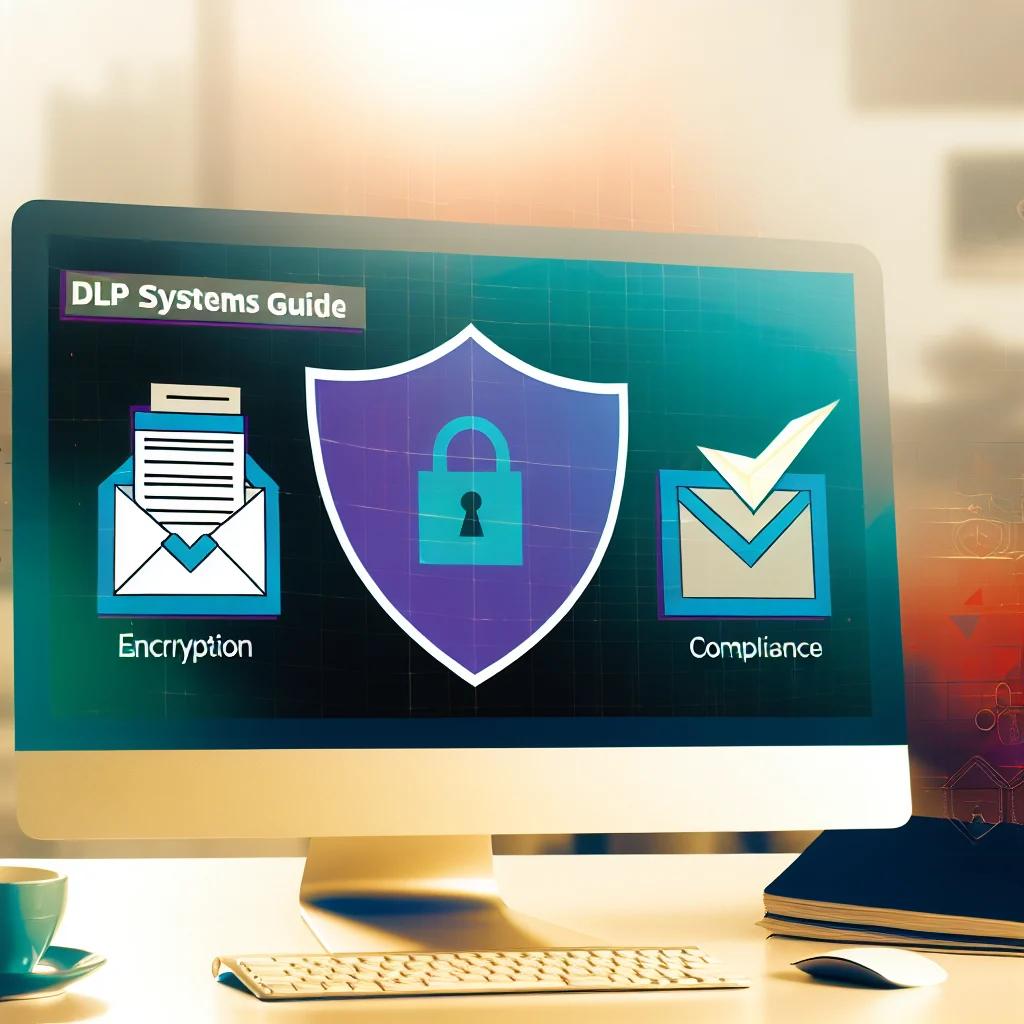
In the ever-evolving landscape of information technology, the protection of sensitive data has become a paramount concern for organizations worldwide. As cyber threats grow in sophistication, the need for robust data protection strategies has never been more critical. Among the myriad of tools available to safeguard data, Data Loss Prevention (DLP) systems and compliance tools stand out as essential components in preventing data breaches. These systems, when integrated effectively, provide a comprehensive approach to data security, ensuring that organizations not only protect their sensitive information but also adhere to regulatory requirements.
DLP systems are designed to detect and prevent unauthorized access to or transmission of sensitive data. They work by monitoring, identifying, and blocking the movement of critical information across an organization’s network. By employing advanced algorithms and machine learning techniques, DLP systems can recognize patterns and anomalies that may indicate a potential data breach. This proactive approach allows organizations to address vulnerabilities before they can be exploited by malicious actors. Furthermore, DLP systems can be configured to enforce data protection policies, ensuring that employees adhere to best practices when handling sensitive information.
On the other hand, compliance tools are instrumental in helping organizations meet the myriad of regulatory requirements that govern data protection. Regulations such as the General Data Protection Regulation (GDPR), the Health Insurance Portability and Accountability Act (HIPAA), and the California Consumer Privacy Act (CCPA) impose strict guidelines on how organizations must manage and protect personal data. Compliance tools assist organizations in mapping their data flows, identifying areas of non-compliance, and implementing corrective measures. By providing a framework for regulatory adherence, these tools help organizations avoid costly fines and reputational damage associated with data breaches.
The synergy between DLP systems and compliance tools is where their true potential is realized. While DLP systems focus on the technical aspects of data protection, compliance tools provide the necessary legal and procedural context. Together, they create a holistic data protection strategy that addresses both the technological and regulatory dimensions of data security. For instance, a DLP system can be configured to automatically enforce compliance-related policies, such as encrypting sensitive data before transmission or blocking the sharing of personal information with unauthorized third parties. This integration ensures that data protection measures are not only effective but also aligned with regulatory requirements.
Moreover, the collaboration between DLP systems and compliance tools facilitates a culture of security awareness within organizations. By providing employees with clear guidelines and automated tools to protect data, organizations can foster a sense of responsibility and vigilance among their workforce. This cultural shift is crucial in mitigating the risk of human error, which remains one of the leading causes of data breaches.
In conclusion, the integration of DLP systems and compliance tools represents a strategic approach to preventing data breaches. By combining the technical capabilities of DLP systems with the regulatory insights provided by compliance tools, organizations can create a robust data protection framework that addresses both current and emerging threats. As the digital landscape continues to evolve, the importance of such integrated strategies will only grow, underscoring the need for organizations to remain vigilant and proactive in their data protection efforts.
Backup Strategies and DLP Systems: A Comprehensive Approach to Data Security
In the rapidly evolving landscape of information technology, safeguarding sensitive data has become a paramount concern for organizations worldwide. As cyber threats grow increasingly sophisticated, the integration of robust backup strategies with Data Loss Prevention (DLP) systems has emerged as a critical component of comprehensive data security frameworks. This synergy not only fortifies an organization’s defenses against data breaches but also ensures business continuity in the face of potential data loss incidents.
To begin with, backup strategies serve as the foundational layer of data protection. By creating copies of critical data and storing them in secure locations, organizations can recover information in the event of accidental deletion, hardware failure, or cyberattacks such as ransomware. Traditional backup methods, such as on-site storage, have evolved to include cloud-based solutions, offering enhanced scalability and accessibility. Cloud backups, in particular, provide the advantage of off-site storage, which is crucial for disaster recovery scenarios. However, while backups are essential for data recovery, they do not inherently prevent data breaches or unauthorized access.
This is where DLP systems come into play, complementing backup strategies by focusing on the prevention of data leaks and unauthorized data transfers. DLP solutions employ a variety of techniques, including content inspection and contextual analysis, to monitor and control data movement across networks, endpoints, and storage systems. By identifying and blocking potential data exfiltration attempts, DLP systems help maintain the confidentiality and integrity of sensitive information. Moreover, they provide organizations with valuable insights into data usage patterns, enabling the identification of potential vulnerabilities and the implementation of targeted security measures.
The integration of backup strategies with DLP systems creates a holistic approach to data security, addressing both the recovery and prevention aspects of data protection. This comprehensive approach is particularly crucial in the context of modern IT strategies, where data is often distributed across multiple platforms and accessed by a diverse range of devices. As organizations increasingly adopt cloud services and remote work models, the attack surface for potential data breaches expands, necessitating a more robust and integrated security posture.
Furthermore, regulatory compliance is another critical factor driving the adoption of integrated backup and DLP solutions. With stringent data protection regulations such as the General Data Protection Regulation (GDPR) and the California Consumer Privacy Act (CCPA) in place, organizations are required to implement measures that ensure the security and privacy of personal data. Failure to comply with these regulations can result in significant financial penalties and reputational damage. By leveraging backup and DLP systems, organizations can demonstrate their commitment to data protection and regulatory compliance, thereby mitigating the risk of legal repercussions.
In conclusion, the convergence of backup strategies and DLP systems represents a comprehensive approach to data security that addresses the multifaceted challenges faced by modern organizations. By ensuring data availability through reliable backup solutions and preventing unauthorized access with advanced DLP technologies, organizations can protect their most valuable asset—information. As cyber threats continue to evolve, the integration of these systems will remain a cornerstone of effective IT strategies, enabling organizations to navigate the complexities of the digital age with confidence and resilience.
Integrating DLP Systems with Modern IT Strategies for Robust Data Protection
In the rapidly evolving landscape of information technology, the integration of Data Loss Prevention (DLP) systems with modern IT strategies has become a cornerstone for ensuring robust data protection. As organizations increasingly rely on digital data to drive their operations, the risk of data breaches and unauthorized access has escalated, necessitating a comprehensive approach to safeguarding sensitive information. DLP systems, designed to detect and prevent data breaches, unauthorized data transfers, and data leaks, play a pivotal role in this context. By aligning these systems with contemporary IT strategies, organizations can enhance their data protection frameworks and mitigate potential risks more effectively.
To begin with, the integration of DLP systems into modern IT strategies requires a thorough understanding of the organization’s data landscape. This involves identifying critical data assets, understanding data flow, and recognizing potential vulnerabilities. By mapping out these elements, organizations can tailor their DLP systems to address specific risks and ensure that sensitive data is adequately protected. Moreover, this alignment allows for the implementation of targeted policies that govern data access and usage, thereby minimizing the likelihood of data breaches.
Furthermore, the synergy between DLP systems and modern IT strategies is enhanced through the adoption of advanced technologies such as artificial intelligence (AI) and machine learning (ML). These technologies enable DLP systems to analyze vast amounts of data in real-time, identifying patterns and anomalies that may indicate potential security threats. By leveraging AI and ML, organizations can proactively detect and respond to data breaches, thereby reducing the impact of such incidents. Additionally, these technologies facilitate the automation of routine tasks, allowing IT teams to focus on more strategic initiatives.
In addition to technological advancements, the integration of DLP systems with modern IT strategies necessitates a cultural shift within organizations. This involves fostering a security-conscious mindset among employees and promoting awareness of data protection practices. Training programs and workshops can be instrumental in educating staff about the importance of data security and the role they play in safeguarding sensitive information. By cultivating a culture of security, organizations can ensure that employees are vigilant and proactive in preventing data breaches.
Moreover, the integration process is further strengthened by the adoption of a holistic approach to data protection. This involves not only implementing DLP systems but also incorporating complementary security measures such as encryption, access controls, and regular security audits. By adopting a multi-layered security strategy, organizations can create a robust defense against data breaches and unauthorized access. This comprehensive approach ensures that even if one layer of security is compromised, other measures are in place to protect sensitive data.
Finally, it is essential for organizations to continuously evaluate and update their DLP systems and IT strategies to keep pace with the ever-changing threat landscape. Regular assessments and audits can help identify potential weaknesses and areas for improvement, ensuring that data protection measures remain effective and relevant. By staying informed about emerging threats and technological advancements, organizations can adapt their strategies accordingly and maintain a strong security posture.
In conclusion, the integration of DLP systems with modern IT strategies is a critical component of robust data protection. By understanding the organization’s data landscape, leveraging advanced technologies, fostering a security-conscious culture, adopting a holistic approach, and continuously evaluating security measures, organizations can effectively safeguard their sensitive information and mitigate the risks associated with data breaches. As the digital landscape continues to evolve, the importance of aligning DLP systems with modern IT strategies will only grow, underscoring the need for organizations to remain vigilant and proactive in their data protection efforts.
Unlock the full potential of your IT strategy with our comprehensive insights on Data Loss Prevention (DLP) systems. Discover how modern IT strategies can safeguard your data and enhance security. [Learn more now](https://comptss.com).