Understanding Encryption: A Key Component in DLP Systems
Data Loss Prevention (DLP) systems have become an essential component in safeguarding sensitive information within organizations. As cyber threats continue to evolve, the need for robust security measures has never been more critical. One of the key components of effective DLP systems is encryption, a process that transforms readable data into an encoded format, accessible only to those possessing the necessary decryption key. Understanding encryption’s role in DLP systems is crucial for comprehending how these systems protect data from unauthorized access and potential breaches.
Encryption serves as a formidable barrier against data breaches by ensuring that even if data is intercepted, it remains unintelligible to unauthorized users. This is particularly important in today’s digital landscape, where data is constantly being transmitted across various networks and stored in multiple locations. By encrypting data both at rest and in transit, organizations can significantly reduce the risk of data exposure. Moreover, encryption provides a layer of security that complements other DLP strategies, such as access controls and data masking, creating a comprehensive approach to data protection.
Incorporating encryption into DLP systems involves several considerations, including the choice of encryption algorithms and key management practices. The strength of encryption largely depends on the algorithm used, with advanced encryption standards (AES) being widely regarded as one of the most secure options available. AES offers a robust level of security due to its complex key structure, making it a preferred choice for many organizations. However, the effectiveness of encryption is not solely determined by the algorithm; key management is equally critical. Proper key management ensures that encryption keys are stored securely, rotated regularly, and accessible only to authorized personnel. This prevents unauthorized access and potential misuse of the keys, thereby maintaining the integrity of the encrypted data.
Furthermore, encryption plays a vital role in regulatory compliance, as many data protection regulations mandate the use of encryption to safeguard sensitive information. For instance, the General Data Protection Regulation (GDPR) and the Health Insurance Portability and Accountability Act (HIPAA) both emphasize the importance of encryption in protecting personal and health-related data. By implementing encryption within their DLP systems, organizations can not only enhance their security posture but also demonstrate compliance with these regulations, thereby avoiding potential fines and reputational damage.
Despite its advantages, encryption is not without challenges. One of the primary concerns is the potential impact on system performance, as encrypting and decrypting data can be resource-intensive. Organizations must carefully balance the need for security with the demand for efficient system performance. Additionally, the complexity of managing encryption keys can pose a challenge, particularly for organizations with limited resources or expertise in this area. To address these challenges, many organizations turn to cloud-based DLP solutions that offer encryption as a service, providing a scalable and cost-effective approach to data protection.
In conclusion, encryption is a fundamental component of DLP systems, offering a robust defense against data breaches and unauthorized access. By transforming data into an unreadable format, encryption ensures that sensitive information remains secure, even if intercepted. As organizations continue to navigate the complexities of data protection, understanding and implementing effective encryption strategies will be crucial in maintaining the confidentiality, integrity, and availability of their data. Through careful consideration of encryption algorithms, key management practices, and potential challenges, organizations can leverage encryption to enhance their DLP systems and safeguard their most valuable asset: information.
How DLP Systems Prevent Data Breaches: Strategies and Tools
Data Loss Prevention (DLP) systems have become an essential component in the arsenal of cybersecurity measures employed by organizations to safeguard sensitive information. As data breaches continue to pose significant threats to businesses, understanding how DLP systems function to prevent these breaches is crucial. These systems employ a variety of strategies and tools designed to protect data from unauthorized access, ensuring that sensitive information remains secure.
At the core of DLP systems is the ability to identify and classify sensitive data. This is achieved through sophisticated algorithms that scan and analyze data across an organization’s network. By recognizing patterns and keywords associated with sensitive information, such as personal identification numbers, financial data, or proprietary business information, DLP systems can effectively categorize data based on its level of sensitivity. This classification is vital as it allows organizations to apply appropriate security measures tailored to the specific type of data, thereby enhancing the overall security posture.
Once data is classified, DLP systems employ monitoring and detection mechanisms to track the movement of data within and outside the organization. These systems continuously monitor data in use, data in motion, and data at rest. By doing so, they can detect any unauthorized attempts to access or transfer sensitive information. For instance, if an employee tries to send a confidential document via email to an external recipient, the DLP system can flag this action and either block the transmission or alert the security team for further investigation. This proactive approach helps in mitigating potential data breaches before they occur.
In addition to monitoring, DLP systems utilize encryption as a key strategy to protect data. Encryption ensures that even if data is intercepted by unauthorized parties, it remains unreadable and unusable without the appropriate decryption key. This adds an extra layer of security, particularly for data in transit, such as emails or files being transferred over the internet. By encrypting sensitive data, organizations can significantly reduce the risk of data breaches resulting from interception or unauthorized access.
Moreover, DLP systems incorporate access control measures to restrict who can view or modify sensitive information. By implementing role-based access controls, organizations can ensure that only authorized personnel have access to specific data sets. This minimizes the risk of insider threats, where employees with malicious intent or those who are careless might compromise sensitive information. Access controls are often complemented by audit trails, which provide a detailed record of who accessed what data and when. These logs are invaluable for forensic analysis in the event of a data breach, helping organizations understand the breach’s scope and take corrective actions.
Furthermore, DLP systems are equipped with policy enforcement capabilities that allow organizations to define and implement data protection policies. These policies dictate how data should be handled, shared, and stored, ensuring compliance with regulatory requirements and industry standards. By automating policy enforcement, DLP systems help organizations maintain consistent data protection practices across all departments and locations.
In conclusion, DLP systems play a pivotal role in preventing data breaches by employing a combination of data classification, monitoring, encryption, access control, and policy enforcement strategies. As cyber threats continue to evolve, organizations must leverage these systems to protect their sensitive information effectively. By doing so, they not only safeguard their data but also maintain the trust of their customers and stakeholders, which is paramount in today’s digital age.
The Role of Access Control in Effective Data Loss Prevention

In the realm of data security, the significance of Data Loss Prevention (DLP) systems cannot be overstated. These systems are designed to detect and prevent potential data breaches by monitoring, detecting, and responding to unauthorized attempts to access or transmit sensitive information. A critical component of effective DLP strategies is access control, which serves as the first line of defense in safeguarding sensitive data. By implementing robust access control measures, organizations can significantly reduce the risk of data loss and ensure that only authorized individuals have access to critical information.
Access control is a fundamental aspect of information security that determines who is allowed to access and use company resources. It involves the identification, authentication, and authorization of users, ensuring that only those with the necessary permissions can access specific data. This process is crucial in preventing unauthorized access, which is often the precursor to data breaches. By restricting access to sensitive information, organizations can mitigate the risk of data being leaked, stolen, or misused.
One of the primary methods of implementing access control is through the use of authentication mechanisms. These mechanisms verify the identity of users attempting to access a system. Common authentication methods include passwords, biometric scans, and multi-factor authentication (MFA). MFA, in particular, has gained popularity due to its enhanced security features, requiring users to provide two or more verification factors to gain access. This additional layer of security makes it significantly more difficult for unauthorized users to breach systems, thereby protecting sensitive data from potential threats.
In addition to authentication, authorization plays a crucial role in access control. Once a user’s identity is verified, authorization determines what resources they are permitted to access. This is typically managed through role-based access control (RBAC), where users are assigned roles based on their job functions, and each role has specific permissions associated with it. By aligning access rights with job responsibilities, organizations can ensure that employees have access only to the information necessary for their roles, thereby minimizing the risk of data exposure.
Moreover, access control systems often incorporate auditing and monitoring capabilities to track user activities. These features enable organizations to detect and respond to suspicious behavior in real-time. By maintaining detailed logs of access attempts and data interactions, companies can identify potential security incidents and take corrective actions promptly. This proactive approach not only helps in preventing data loss but also aids in compliance with regulatory requirements, as many data protection laws mandate the monitoring and reporting of access to sensitive information.
Furthermore, the integration of access control with DLP systems enhances the overall effectiveness of data protection strategies. DLP solutions can leverage access control data to enforce policies that prevent unauthorized data transfers. For instance, if a user attempts to send sensitive information outside the organization, the DLP system can block the transmission based on the user’s access rights and the sensitivity of the data involved. This synergy between access control and DLP systems creates a comprehensive security framework that addresses both internal and external threats.
In conclusion, access control is an indispensable element of effective data loss prevention strategies. By implementing robust authentication and authorization mechanisms, organizations can safeguard sensitive information from unauthorized access and potential breaches. The integration of access control with DLP systems further strengthens data protection efforts, ensuring that sensitive data remains secure in an increasingly complex threat landscape. As organizations continue to navigate the challenges of data security, the role of access control in DLP systems will remain a critical focus for safeguarding valuable information assets.
Email Protection Techniques in Modern DLP Systems
In the rapidly evolving landscape of digital communication, email remains a cornerstone of business operations, yet it also represents a significant vector for data breaches. As organizations increasingly rely on electronic correspondence, the need for robust email protection techniques within Data Loss Prevention (DLP) systems has become paramount. Modern DLP systems are designed to safeguard sensitive information from unauthorized access and leakage, and email protection is a critical component of this comprehensive security strategy.
To begin with, one of the primary techniques employed by DLP systems to protect email communications is content filtering. This involves scanning outgoing emails for sensitive information, such as personally identifiable information (PII), financial data, or proprietary business information. By identifying and flagging emails that contain such data, DLP systems can prevent unauthorized transmission and ensure compliance with regulatory requirements. This process is often augmented by machine learning algorithms that enhance the system’s ability to recognize patterns and anomalies, thereby improving the accuracy of content filtering over time.
In addition to content filtering, encryption plays a vital role in email protection within DLP systems. Encryption ensures that even if an email is intercepted during transmission, the information it contains remains unreadable to unauthorized parties. Modern DLP systems often integrate seamlessly with email platforms to automatically encrypt emails based on predefined policies. This not only protects sensitive data but also simplifies the user experience by removing the need for manual encryption processes.
Moreover, DLP systems employ advanced user authentication mechanisms to bolster email security. By requiring multi-factor authentication (MFA) for accessing email accounts, organizations can significantly reduce the risk of unauthorized access. MFA typically involves a combination of something the user knows (such as a password), something the user has (like a smartphone), and something the user is (biometric verification). This layered approach to authentication adds an extra level of security, making it more difficult for malicious actors to compromise email accounts.
Furthermore, DLP systems often incorporate real-time monitoring and alerting capabilities to detect and respond to potential threats swiftly. By continuously analyzing email traffic and user behavior, these systems can identify suspicious activities, such as unusual login attempts or large volumes of data being sent to external addresses. When such anomalies are detected, the system can automatically trigger alerts to security teams, enabling them to take immediate action to mitigate potential data breaches.
Another essential aspect of email protection in modern DLP systems is the implementation of data classification policies. By categorizing data based on its sensitivity and importance, organizations can apply appropriate security measures to different types of information. For instance, highly sensitive data may require stricter controls and monitoring compared to less critical information. This targeted approach ensures that resources are allocated efficiently, focusing on protecting the most valuable data assets.
In conclusion, as email continues to be a vital communication tool in the business world, the importance of effective email protection techniques within DLP systems cannot be overstated. Through a combination of content filtering, encryption, user authentication, real-time monitoring, and data classification, modern DLP systems provide a comprehensive framework for safeguarding sensitive information. By implementing these techniques, organizations can not only protect their data from unauthorized access and leakage but also maintain compliance with regulatory standards, ultimately ensuring the integrity and confidentiality of their communications.
Compliance Tools and Backup Strategies for Robust Data Loss Prevention
In today’s digital landscape, the importance of safeguarding sensitive information cannot be overstated. As organizations increasingly rely on digital data, the risk of data breaches and unauthorized access has grown exponentially. Consequently, implementing robust data loss prevention (DLP) strategies has become a critical priority for businesses aiming to protect their valuable assets. A key component of an effective DLP strategy is the integration of compliance tools and backup strategies, which work in tandem to ensure data integrity and security.
Compliance tools play a pivotal role in data loss prevention by helping organizations adhere to regulatory requirements and industry standards. These tools are designed to monitor, detect, and prevent unauthorized access to sensitive data, ensuring that organizations remain compliant with laws such as the General Data Protection Regulation (GDPR) and the Health Insurance Portability and Accountability Act (HIPAA). By leveraging compliance tools, businesses can identify potential vulnerabilities and address them proactively, thereby minimizing the risk of data breaches.
Moreover, compliance tools often include features such as data classification, which enables organizations to categorize data based on its sensitivity and importance. This classification is crucial for implementing appropriate security measures tailored to the specific needs of different data types. For instance, highly sensitive data may require encryption and restricted access, while less critical information might be subject to more lenient controls. By employing data classification, organizations can ensure that their DLP strategies are both efficient and effective.
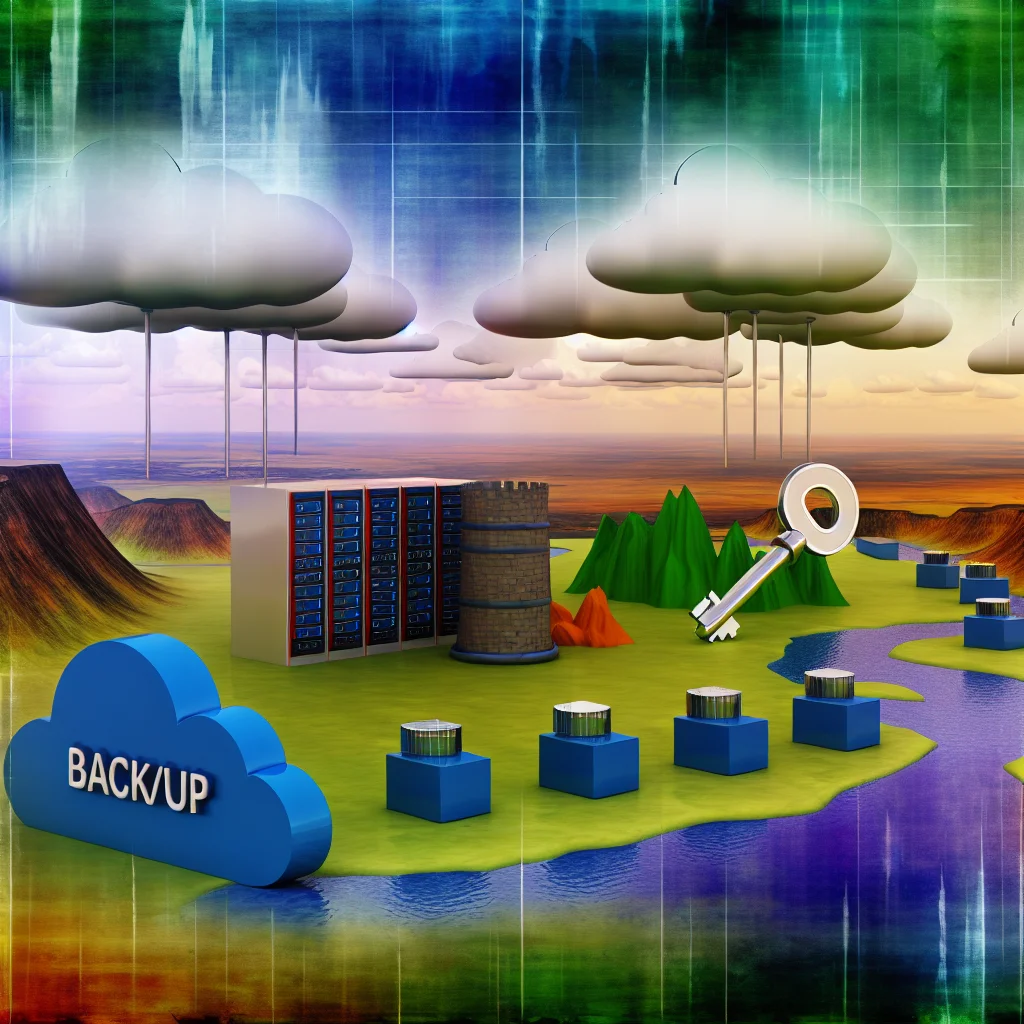
In addition to compliance tools, backup strategies are an essential component of a comprehensive DLP approach. Regular data backups provide a safety net in the event of data loss, whether due to accidental deletion, hardware failure, or cyberattacks. By maintaining up-to-date copies of critical data, organizations can quickly recover and restore operations with minimal disruption. This not only helps in mitigating the impact of data loss incidents but also ensures business continuity.
Furthermore, modern backup solutions often incorporate advanced features such as incremental backups and deduplication, which optimize storage space and reduce the time required for backup processes. Incremental backups, for example, only save changes made since the last backup, thereby minimizing the amount of data that needs to be stored. Deduplication, on the other hand, eliminates redundant copies of data, further enhancing storage efficiency. These innovations make it easier for organizations to implement robust backup strategies without incurring excessive costs or resource demands.
To maximize the effectiveness of DLP systems, it is crucial for organizations to integrate compliance tools and backup strategies seamlessly. This integration ensures that data protection measures are comprehensive and cohesive, addressing both regulatory requirements and practical considerations. By doing so, businesses can create a resilient data protection framework that not only prevents data loss but also facilitates rapid recovery in the event of an incident.
In conclusion, the integration of compliance tools and backup strategies is essential for robust data loss prevention. Compliance tools help organizations adhere to regulatory standards and identify vulnerabilities, while backup strategies provide a reliable means of recovering lost data. Together, these components form a comprehensive DLP approach that safeguards sensitive information and ensures business continuity. As the digital landscape continues to evolve, organizations must remain vigilant and proactive in their efforts to protect their data, leveraging the latest technologies and best practices to stay ahead of potential threats.
Unlock the full potential of your data security strategy with our comprehensive insights on Data Loss Prevention Systems. Discover how DLP systems can safeguard your sensitive information and enhance your organization’s resilience. Learn more now!