Understanding Zero Trust: A Modern IT Strategy for Enhanced Threat Detection
In the rapidly evolving landscape of information technology, the concept of Zero Trust has emerged as a pivotal strategy for enhancing threat detection and fortifying cybersecurity defenses. As organizations increasingly rely on digital infrastructures, the traditional perimeter-based security models have become insufficient in addressing the sophisticated nature of modern cyber threats. Consequently, the Zero Trust model, which operates on the principle of “never trust, always verify,” has gained prominence as a robust framework for safeguarding sensitive data and systems.
At its core, Zero Trust challenges the conventional notion that entities within a network can be inherently trusted. Instead, it advocates for a more granular approach to security, where every user, device, and application is continuously authenticated and authorized before being granted access to resources. This paradigm shift is crucial in an era where cyber adversaries are adept at exploiting vulnerabilities within trusted networks. By implementing Zero Trust, organizations can significantly reduce the attack surface and mitigate the risk of unauthorized access.
One of the fundamental components of Zero Trust is identity verification. In this model, identity becomes the new perimeter, and robust authentication mechanisms are essential. Multi-factor authentication (MFA) is a critical tool in this regard, ensuring that users are who they claim to be by requiring multiple forms of verification. This not only strengthens security but also provides an additional layer of protection against credential theft and phishing attacks. Furthermore, Zero Trust emphasizes the importance of least privilege access, where users are granted only the permissions necessary to perform their tasks. This minimizes the potential damage in the event of a security breach.
In addition to identity verification, Zero Trust relies heavily on continuous monitoring and analytics. By leveraging advanced technologies such as artificial intelligence and machine learning, organizations can gain real-time insights into network activity and detect anomalies that may indicate a security threat. This proactive approach allows for swift responses to potential incidents, thereby minimizing the impact of cyberattacks. Moreover, the integration of threat intelligence feeds into the Zero Trust framework enhances the ability to identify and respond to emerging threats, further strengthening the organization’s security posture.
The implementation of Zero Trust also necessitates a shift in organizational culture and mindset. It requires collaboration across various departments, including IT, security, and business units, to ensure a cohesive approach to cybersecurity. This collaborative effort is essential for the successful deployment of Zero Trust principles, as it fosters a shared understanding of the risks and challenges associated with modern cyber threats. Additionally, regular cybersecurity audits play a crucial role in assessing the effectiveness of Zero Trust strategies and identifying areas for improvement.
As organizations continue to navigate the complexities of the digital age, adopting a Zero Trust model is not merely an option but a necessity. It provides a comprehensive framework for addressing the multifaceted nature of cyber threats and ensures that security measures are aligned with the evolving threat landscape. By embracing Zero Trust, organizations can enhance their threat detection capabilities, protect critical assets, and maintain the trust of their stakeholders. In conclusion, as cyber threats become increasingly sophisticated, the Zero Trust model stands as a beacon of resilience, guiding organizations toward a more secure and resilient future.
The Role of Cybersecurity Audits in Strengthening IT Compliance
In today’s rapidly evolving digital landscape, the importance of robust cybersecurity measures cannot be overstated. As organizations increasingly rely on digital infrastructure to conduct their operations, the need for stringent cybersecurity protocols becomes paramount. One of the most effective ways to ensure that these protocols are both comprehensive and up-to-date is through regular cybersecurity audits. These audits play a crucial role in strengthening IT compliance, thereby safeguarding sensitive data and maintaining the integrity of organizational systems.
Cybersecurity audits serve as a systematic examination of an organization’s information systems, policies, and procedures. They are designed to assess the effectiveness of existing security measures and identify potential vulnerabilities that could be exploited by malicious actors. By conducting these audits, organizations can gain valuable insights into their current security posture and make informed decisions about necessary improvements. This proactive approach not only helps in mitigating risks but also ensures compliance with relevant regulations and standards.
In the context of IT compliance, cybersecurity audits are indispensable. Regulatory bodies across various industries have established stringent guidelines to protect sensitive information and ensure data privacy. Non-compliance with these regulations can result in severe penalties, including hefty fines and reputational damage. Therefore, regular audits are essential to verify that an organization’s cybersecurity practices align with these legal requirements. By doing so, organizations can demonstrate their commitment to protecting customer data and maintaining trust with stakeholders.
Moreover, cybersecurity audits facilitate the identification of gaps in an organization’s security framework. These gaps may arise due to outdated software, inadequate access controls, or insufficient employee training. By pinpointing these weaknesses, audits enable organizations to implement targeted strategies to address them. This continuous improvement process is vital in adapting to the ever-changing threat landscape, where cybercriminals are constantly developing new tactics to breach security defenses.
In addition to enhancing compliance and identifying vulnerabilities, cybersecurity audits also promote a culture of security awareness within an organization. When employees understand the importance of cybersecurity and their role in maintaining it, they are more likely to adhere to best practices and report suspicious activities. This heightened awareness can significantly reduce the likelihood of successful cyberattacks, as human error is often a contributing factor in security breaches.
Furthermore, the insights gained from cybersecurity audits can inform the development of modern IT strategies. As organizations strive to innovate and leverage new technologies, they must ensure that their security measures evolve in tandem. Audits provide a comprehensive overview of an organization’s security landscape, enabling IT leaders to make strategic decisions about technology investments and resource allocation. By aligning cybersecurity initiatives with broader business objectives, organizations can achieve a harmonious balance between innovation and security.
In conclusion, cybersecurity audits are a vital component of any organization’s IT strategy. They not only strengthen compliance with regulatory requirements but also enhance overall security by identifying vulnerabilities and promoting a culture of awareness. As the digital landscape continues to evolve, organizations must prioritize regular audits to stay ahead of emerging threats and maintain the trust of their stakeholders. By doing so, they can ensure that their cybersecurity measures are both effective and resilient, safeguarding their operations in an increasingly interconnected world.
Effective Firewall Setup: A Key Component in Network Intrusion Prevention
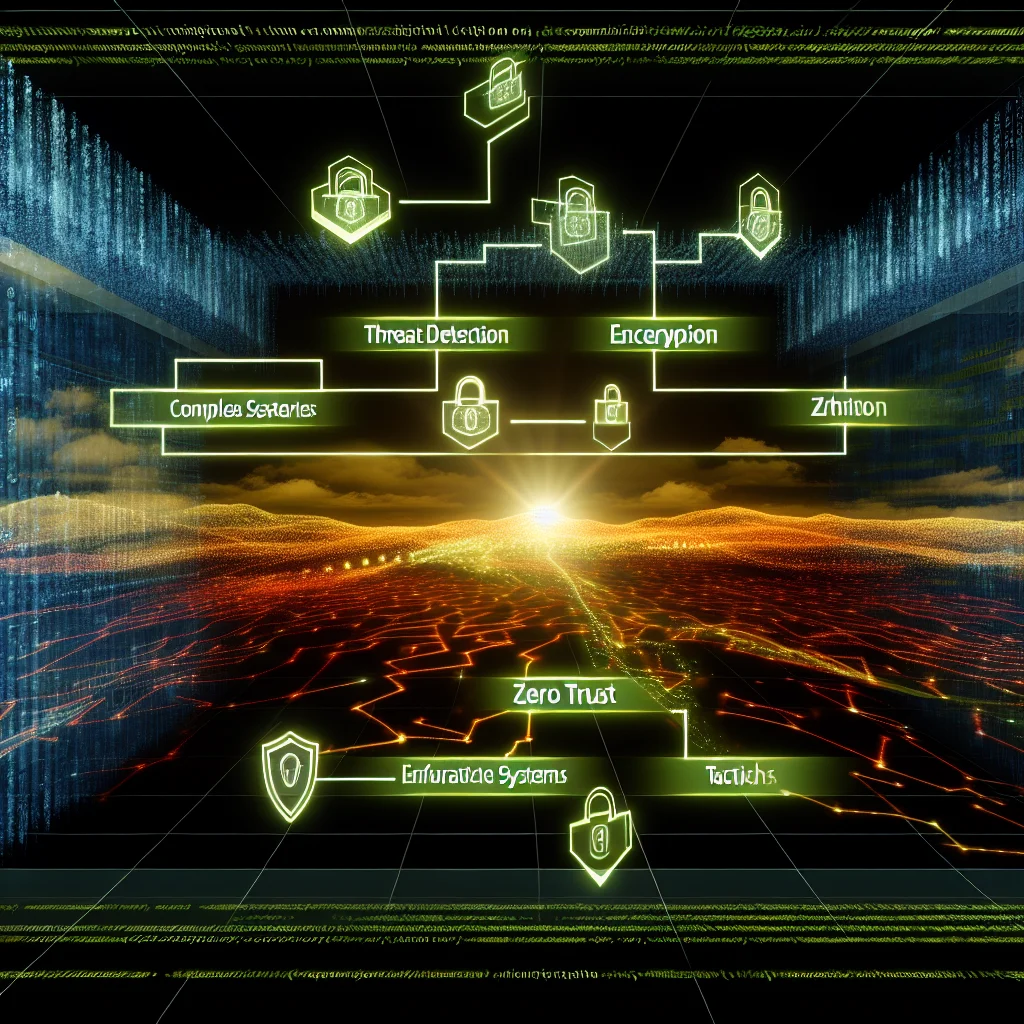
In the ever-evolving landscape of cybersecurity, the importance of a robust firewall setup cannot be overstated. As organizations increasingly rely on digital infrastructures, the need for effective network intrusion prevention becomes paramount. Firewalls serve as the first line of defense, acting as gatekeepers that monitor and control incoming and outgoing network traffic based on predetermined security rules. To ensure optimal protection, it is crucial to understand the intricacies of firewall setup and its role within modern IT strategies.
A well-configured firewall is essential for safeguarding sensitive data and maintaining the integrity of an organization’s network. It functions by establishing a barrier between a trusted internal network and untrusted external networks, such as the internet. By scrutinizing data packets and determining whether they should be allowed through, firewalls help prevent unauthorized access and potential cyber threats. However, the effectiveness of a firewall is contingent upon its configuration. A poorly configured firewall can inadvertently create vulnerabilities, leaving the network exposed to attacks.
To achieve an effective firewall setup, organizations must first conduct a comprehensive cybersecurity audit. This audit involves assessing the current security posture, identifying potential vulnerabilities, and understanding the specific needs of the organization. By doing so, IT professionals can tailor firewall rules and policies to address unique security requirements. Moreover, regular audits ensure that the firewall remains aligned with the evolving threat landscape and organizational changes.
In addition to configuration, the choice of firewall technology plays a critical role in network intrusion prevention. Traditional firewalls, which primarily focus on packet filtering, may not suffice in today’s complex threat environment. Next-generation firewalls (NGFWs) offer enhanced capabilities, such as deep packet inspection, intrusion prevention systems (IPS), and application awareness. These advanced features enable organizations to detect and mitigate sophisticated threats more effectively. Consequently, integrating NGFWs into the IT strategy can significantly bolster an organization’s defense mechanisms.
Furthermore, the implementation of a layered security approach enhances the efficacy of firewall setups. By combining firewalls with other security measures, such as intrusion detection systems (IDS), antivirus software, and virtual private networks (VPNs), organizations can create a multi-faceted defense strategy. This approach not only fortifies the network perimeter but also provides additional layers of protection against potential breaches.
Transitioning from traditional IT strategies to modern ones necessitates a shift in mindset. Organizations must recognize that cybersecurity is not a one-time effort but an ongoing process. Continuous monitoring and updating of firewall configurations are imperative to address emerging threats and vulnerabilities. Automated tools and threat intelligence platforms can aid in this endeavor by providing real-time insights and facilitating rapid response to incidents.
Moreover, employee training and awareness are integral components of an effective cybersecurity strategy. Human error remains a significant factor in security breaches, and educating staff about best practices can mitigate this risk. By fostering a culture of security awareness, organizations can empower employees to recognize and respond to potential threats, thereby complementing the technical defenses in place.
In conclusion, an effective firewall setup is a cornerstone of network intrusion prevention and a vital element of modern IT strategies. Through meticulous configuration, the adoption of advanced technologies, and the integration of layered security measures, organizations can enhance their cybersecurity posture. As the digital landscape continues to evolve, maintaining vigilance and adaptability will be key to safeguarding networks against the ever-present threat of cyberattacks.
Endpoint Protection Strategies: Safeguarding Your Network from Cyber Threats
In the rapidly evolving landscape of digital technology, the importance of robust cybersecurity measures cannot be overstated. As organizations increasingly rely on digital infrastructure, the need to protect endpoints—devices such as laptops, desktops, and mobile devices that connect to a network—becomes paramount. Endpoint protection strategies are essential components of a comprehensive cybersecurity framework, serving as the first line of defense against a myriad of cyber threats. These strategies are designed to safeguard networks from unauthorized access, data breaches, and other malicious activities that can compromise sensitive information and disrupt business operations.
To begin with, understanding the nature of endpoint threats is crucial. Cyber threats targeting endpoints can range from malware and ransomware to phishing attacks and zero-day exploits. Each of these threats poses unique challenges and requires specific countermeasures. For instance, malware can infiltrate a system through seemingly innocuous downloads, while phishing attacks often exploit human vulnerabilities by tricking users into revealing confidential information. Consequently, a multi-layered approach to endpoint protection is necessary to address these diverse threats effectively.
One of the foundational elements of endpoint protection is the implementation of robust antivirus and anti-malware solutions. These tools are designed to detect, quarantine, and eliminate malicious software before it can cause harm. However, relying solely on traditional antivirus software is no longer sufficient in the face of sophisticated cyber threats. Modern endpoint protection strategies must incorporate advanced technologies such as machine learning and artificial intelligence to identify and respond to threats in real-time. These technologies enable systems to learn from past incidents and adapt to new threats, thereby enhancing their ability to protect against emerging cyber risks.
In addition to technological solutions, endpoint protection strategies must also emphasize the importance of user education and awareness. Human error remains one of the most significant vulnerabilities in cybersecurity. Therefore, organizations should invest in regular training programs to educate employees about the latest cyber threats and best practices for safeguarding their devices. By fostering a culture of cybersecurity awareness, organizations can empower their workforce to act as an additional layer of defense against potential attacks.
Furthermore, the integration of endpoint detection and response (EDR) solutions is becoming increasingly vital. EDR tools provide continuous monitoring and analysis of endpoint activities, enabling organizations to detect suspicious behavior and respond swiftly to potential threats. By offering real-time visibility into endpoint activities, EDR solutions help organizations to identify and mitigate threats before they can escalate into full-blown security incidents.
Another critical aspect of endpoint protection is the implementation of strong access controls. This involves ensuring that only authorized users have access to sensitive data and systems. Multi-factor authentication (MFA) is an effective method for enhancing access security, requiring users to provide multiple forms of verification before gaining access to a network. By implementing MFA, organizations can significantly reduce the risk of unauthorized access and data breaches.
In conclusion, as cyber threats continue to evolve in complexity and scale, organizations must adopt comprehensive endpoint protection strategies to safeguard their networks. By leveraging advanced technologies, fostering user awareness, and implementing robust access controls, organizations can create a resilient cybersecurity posture that protects against a wide range of threats. As part of a broader cybersecurity audit and modern IT strategy, endpoint protection plays a crucial role in ensuring the security and integrity of digital assets in today’s interconnected world.
Integrating Cybersecurity Audits with Modern IT Strategies for Comprehensive Security
In today’s rapidly evolving digital landscape, the integration of cybersecurity audits with modern IT strategies has become a critical component for ensuring comprehensive security. As organizations increasingly rely on digital infrastructures to conduct their operations, the potential risks associated with cyber threats have grown exponentially. Consequently, a robust cybersecurity framework that incorporates regular audits is essential for identifying vulnerabilities and fortifying defenses against potential breaches.
Cybersecurity audits serve as a systematic evaluation of an organization’s information systems, policies, and procedures. These audits aim to assess the effectiveness of existing security measures and identify areas that require improvement. By conducting regular audits, organizations can ensure that their cybersecurity practices are aligned with the latest industry standards and regulatory requirements. Moreover, audits provide valuable insights into potential vulnerabilities, enabling organizations to proactively address weaknesses before they can be exploited by malicious actors.
Integrating cybersecurity audits with modern IT strategies involves a holistic approach that encompasses not only technological solutions but also organizational policies and employee awareness. One of the key aspects of this integration is the alignment of cybersecurity objectives with the overall business goals. By doing so, organizations can ensure that their security measures support their strategic initiatives rather than hinder them. This alignment requires a thorough understanding of the organization’s risk appetite and the potential impact of cyber threats on its operations.
Furthermore, modern IT strategies emphasize the importance of adopting a proactive rather than reactive approach to cybersecurity. This shift in mindset is crucial for staying ahead of emerging threats and minimizing the potential damage caused by cyber incidents. By incorporating regular audits into their IT strategies, organizations can continuously monitor their security posture and make informed decisions about necessary improvements. This proactive approach not only enhances the organization’s resilience to cyber threats but also fosters a culture of continuous improvement and innovation.
In addition to aligning cybersecurity audits with business objectives, organizations must also consider the role of technology in their security strategies. The rapid advancement of technology has introduced new tools and solutions that can significantly enhance an organization’s cybersecurity capabilities. For instance, the adoption of artificial intelligence and machine learning technologies can enable organizations to detect and respond to threats more efficiently. By leveraging these technologies, organizations can automate routine security tasks, allowing their cybersecurity teams to focus on more complex and strategic initiatives.
Moreover, the integration of cybersecurity audits with modern IT strategies necessitates a comprehensive approach to risk management. This involves not only identifying potential threats but also assessing their likelihood and potential impact on the organization. By conducting thorough risk assessments, organizations can prioritize their security efforts and allocate resources more effectively. This risk-based approach ensures that organizations are prepared to address the most significant threats while maintaining a balanced and cost-effective security posture.
Finally, it is essential to recognize the role of employee awareness and training in the integration of cybersecurity audits with modern IT strategies. Human error remains one of the most significant contributors to cybersecurity incidents, making it imperative for organizations to invest in comprehensive training programs. By educating employees about the latest cyber threats and best practices, organizations can significantly reduce the risk of successful attacks and enhance their overall security posture.
In conclusion, the integration of cybersecurity audits with modern IT strategies is a vital component of comprehensive security. By aligning security objectives with business goals, adopting a proactive approach, leveraging advanced technologies, and prioritizing risk management and employee awareness, organizations can effectively safeguard their digital assets and ensure their long-term success in an increasingly complex cyber landscape.
Enhance your organization’s security posture with our expert Cybersecurity Insights. Discover the importance of a comprehensive cybersecurity audit and modern IT strategies to safeguard your digital assets. [Learn more](https://comptss.com) today!