Tech Integration In Healthcare Systems: Enhancing Clinical Support
In recent years, the integration of technology within healthcare systems has become a pivotal factor in enhancing clinical support and improving patient outcomes. As healthcare providers strive to deliver more efficient and effective care, the adoption of advanced technological solutions has emerged as a critical component in achieving these goals. The seamless integration of technology into healthcare systems not only streamlines operations but also enhances the quality of care provided to patients.
One of the most significant advancements in healthcare technology is the implementation of Electronic Health Records (EHRs). EHRs have revolutionized the way patient information is stored, accessed, and shared among healthcare professionals. By digitizing patient records, EHRs facilitate real-time access to comprehensive patient data, enabling healthcare providers to make informed decisions quickly. This accessibility is particularly crucial in emergency situations where timely access to patient history can significantly impact treatment outcomes. Moreover, EHRs reduce the likelihood of errors associated with manual record-keeping, thereby enhancing patient safety.
In addition to EHRs, telemedicine has emerged as a transformative force in healthcare delivery. Telemedicine leverages digital communication technologies to provide remote clinical services, thereby expanding access to care, especially in underserved and rural areas. Through virtual consultations, patients can receive medical advice and treatment without the need for physical travel, thus reducing the burden on healthcare facilities and improving patient convenience. Furthermore, telemedicine has proven invaluable during public health emergencies, such as the COVID-19 pandemic, by minimizing the risk of infection transmission while ensuring continuity of care.
Another critical aspect of technology integration in healthcare is the use of data analytics. By harnessing the power of big data, healthcare systems can analyze vast amounts of information to identify trends, predict outcomes, and optimize resource allocation. Predictive analytics, for instance, can help identify patients at high risk of developing chronic conditions, allowing for early intervention and personalized care plans. This proactive approach not only improves patient outcomes but also reduces healthcare costs by preventing the progression of diseases.
Moreover, the integration of artificial intelligence (AI) in healthcare systems is paving the way for more precise and efficient clinical support. AI algorithms can assist in diagnosing diseases, interpreting medical images, and even predicting patient responses to specific treatments. By augmenting the capabilities of healthcare professionals, AI enhances diagnostic accuracy and accelerates decision-making processes. For example, AI-powered imaging tools can detect anomalies in radiological scans with remarkable precision, aiding radiologists in identifying potential issues that may require further investigation.
Despite the numerous benefits, the integration of technology in healthcare systems also presents challenges that must be addressed. Ensuring data security and patient privacy is paramount, as the digitization of health records increases the risk of cyber threats. Healthcare organizations must implement robust cybersecurity measures to protect sensitive information and maintain patient trust. Additionally, the successful integration of technology requires adequate training and support for healthcare professionals to adapt to new systems and workflows.
In conclusion, the integration of technology in healthcare systems is a dynamic and evolving process that holds immense potential for enhancing clinical support. By embracing innovations such as EHRs, telemedicine, data analytics, and AI, healthcare providers can improve the quality of care, increase accessibility, and optimize resource utilization. As technology continues to advance, it is imperative for healthcare systems to adapt and evolve, ensuring that they remain at the forefront of delivering exceptional patient care in an increasingly digital world.
Emerging Health IT Trends: Transforming Healthcare Systems
In recent years, the healthcare industry has witnessed a significant transformation driven by the rapid advancement of information technology. This evolution is reshaping healthcare systems globally, offering new opportunities to enhance patient care, streamline operations, and improve overall health outcomes. As we delve into the emerging health IT trends, it becomes evident that these innovations are not only transforming the way healthcare is delivered but also redefining the roles of healthcare professionals and patients alike.
One of the most prominent trends in healthcare IT is the increasing adoption of electronic health records (EHRs). EHRs have revolutionized the way patient information is stored, accessed, and shared among healthcare providers. By digitizing patient records, healthcare systems can ensure that critical information is readily available, reducing the risk of errors and improving the coordination of care. Moreover, EHRs facilitate data analytics, enabling healthcare providers to identify patterns and trends that can inform clinical decision-making and policy development.
In addition to EHRs, telemedicine has emerged as a vital component of modern healthcare systems. The COVID-19 pandemic accelerated the adoption of telemedicine, highlighting its potential to provide accessible and convenient care to patients, particularly those in remote or underserved areas. Telemedicine platforms allow patients to consult with healthcare providers from the comfort of their homes, reducing the need for in-person visits and minimizing the risk of exposure to infectious diseases. As telemedicine continues to evolve, it is expected to play an increasingly important role in chronic disease management, mental health services, and preventive care.
Another significant trend is the integration of artificial intelligence (AI) and machine learning into healthcare systems. AI has the potential to transform various aspects of healthcare, from diagnostics to treatment planning. For instance, AI algorithms can analyze medical images with remarkable accuracy, assisting radiologists in detecting abnormalities that may be missed by the human eye. Furthermore, AI-driven predictive analytics can help identify patients at risk of developing certain conditions, enabling early intervention and personalized treatment plans. As AI technology advances, its applications in healthcare are likely to expand, offering new possibilities for improving patient outcomes and operational efficiency.
The rise of wearable technology is also reshaping healthcare systems by empowering patients to take a more active role in managing their health. Devices such as smartwatches and fitness trackers can monitor vital signs, physical activity, and sleep patterns, providing valuable data that can be shared with healthcare providers. This continuous monitoring allows for more proactive and personalized care, as healthcare professionals can track patients’ progress and make informed recommendations based on real-time data. Additionally, wearable technology can enhance patient engagement and adherence to treatment plans, ultimately leading to better health outcomes.
As these emerging health IT trends continue to gain traction, it is crucial for healthcare systems to address the challenges associated with their implementation. Data security and privacy concerns must be prioritized to protect sensitive patient information from breaches and unauthorized access. Moreover, healthcare providers must be adequately trained to leverage these technologies effectively, ensuring that they are integrated seamlessly into existing workflows.
In conclusion, the transformation of healthcare systems through emerging health IT trends holds great promise for improving patient care and operational efficiency. By embracing innovations such as electronic health records, telemedicine, artificial intelligence, and wearable technology, healthcare systems can enhance their ability to deliver high-quality, patient-centered care. As these trends continue to evolve, they will undoubtedly play a pivotal role in shaping the future of healthcare, offering new opportunities to address the challenges of an ever-changing healthcare landscape.
Navigating HIPAA Compliance In Modern Healthcare IT
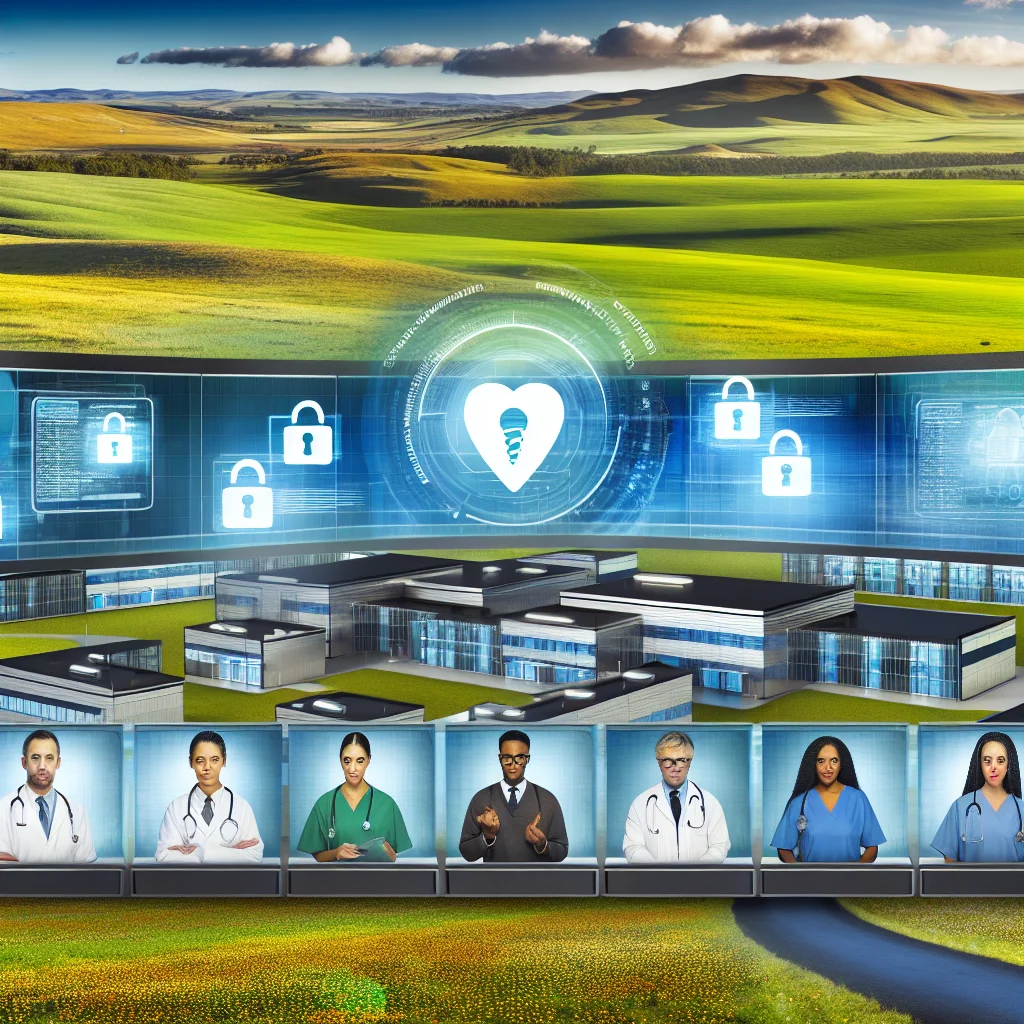
Navigating the complexities of HIPAA compliance in modern healthcare IT is a critical task for healthcare organizations striving to protect patient information while leveraging technology to improve care. The Health Insurance Portability and Accountability Act (HIPAA), enacted in 1996, sets the standard for protecting sensitive patient data. As healthcare systems increasingly rely on digital solutions, ensuring compliance with HIPAA regulations has become more challenging yet essential.
To begin with, understanding the core components of HIPAA is crucial for any healthcare entity. HIPAA comprises several rules, including the Privacy Rule, which safeguards the privacy of individually identifiable health information, and the Security Rule, which sets standards for the protection of electronic protected health information (ePHI). Additionally, the Breach Notification Rule mandates that covered entities notify affected individuals, the Secretary of Health and Human Services, and, in certain cases, the media, of a breach of unsecured PHI. These rules collectively aim to ensure that patient information is handled with the utmost care and confidentiality.
In the context of modern healthcare IT, compliance with these regulations requires a multifaceted approach. One of the primary challenges is the integration of advanced technologies such as electronic health records (EHRs), telemedicine, and mobile health applications. These technologies, while enhancing the efficiency and accessibility of healthcare services, also introduce new vulnerabilities. Therefore, healthcare organizations must implement robust security measures to protect ePHI from unauthorized access, breaches, and other cyber threats.
Moreover, the rise of cloud computing in healthcare presents both opportunities and challenges for HIPAA compliance. Cloud services offer scalable and cost-effective solutions for data storage and management. However, they also require healthcare providers to carefully assess the security practices of their cloud service providers. It is imperative that these providers are considered business associates under HIPAA and are therefore subject to the same stringent regulations. Establishing comprehensive business associate agreements (BAAs) is essential to ensure that all parties involved are committed to maintaining the confidentiality and security of patient data.
Another critical aspect of navigating HIPAA compliance is employee training and awareness. Human error remains one of the leading causes of data breaches in healthcare. Regular training programs that educate staff about HIPAA regulations, data protection best practices, and the importance of safeguarding patient information are vital. By fostering a culture of compliance and vigilance, healthcare organizations can significantly reduce the risk of accidental data breaches.
Furthermore, conducting regular risk assessments is a proactive strategy that healthcare organizations should adopt. These assessments help identify potential vulnerabilities in their IT systems and processes, allowing them to implement necessary safeguards. By continuously evaluating and updating their security measures, healthcare providers can stay ahead of emerging threats and maintain compliance with HIPAA regulations.
In conclusion, navigating HIPAA compliance in modern healthcare IT is a dynamic and ongoing process. As technology continues to evolve, so too must the strategies employed by healthcare organizations to protect patient information. By understanding the intricacies of HIPAA regulations, leveraging secure technologies, fostering a culture of compliance, and conducting regular risk assessments, healthcare providers can effectively manage the challenges of HIPAA compliance. Ultimately, this commitment to safeguarding patient data not only ensures regulatory compliance but also builds trust with patients, reinforcing the integrity of the healthcare system as a whole.
The Role Of EHR In Streamlining Medical Data Management
Electronic Health Records (EHR) have become a cornerstone in the evolution of healthcare systems, fundamentally transforming the way medical data is managed. As healthcare providers strive to enhance patient care and operational efficiency, the role of EHR in streamlining medical data management cannot be overstated. By digitizing patient records, EHR systems facilitate seamless access to comprehensive patient information, thereby improving the quality of care and reducing the likelihood of errors.
One of the primary advantages of EHR systems is their ability to consolidate patient information into a single, easily accessible digital format. This consolidation allows healthcare providers to quickly retrieve a patient’s medical history, including past diagnoses, treatments, and medications. Consequently, this comprehensive view enables more informed decision-making, as clinicians can consider a patient’s entire medical background when devising treatment plans. Moreover, the digital nature of EHRs eliminates the need for cumbersome paper records, reducing the risk of lost or misplaced information.
In addition to improving access to patient data, EHR systems enhance communication and collaboration among healthcare professionals. By providing a centralized platform for information sharing, EHRs facilitate coordination between different departments and specialists involved in a patient’s care. This interconnectedness is particularly beneficial in complex cases requiring multidisciplinary approaches, as it ensures that all parties have access to the same up-to-date information. Furthermore, EHRs often include features such as secure messaging and alerts, which streamline communication and help prevent critical information from falling through the cracks.
Another significant benefit of EHR systems is their potential to improve patient safety. By integrating clinical decision support tools, EHRs can assist healthcare providers in identifying potential drug interactions, allergies, and other contraindications. These automated alerts serve as a valuable safety net, reducing the likelihood of adverse events and enhancing the overall quality of care. Additionally, EHRs can facilitate the implementation of evidence-based guidelines and protocols, ensuring that patients receive care that aligns with the latest medical standards.
EHR systems also play a crucial role in enhancing the efficiency of healthcare operations. By automating routine administrative tasks, such as appointment scheduling and billing, EHRs free up valuable time for healthcare providers to focus on patient care. Moreover, the ability to quickly access and update patient records reduces the time spent on documentation, further streamlining workflows. This increased efficiency not only benefits healthcare providers but also improves the patient experience by reducing wait times and enhancing the overall quality of service.
Despite the numerous advantages of EHR systems, their implementation is not without challenges. Healthcare organizations must invest in robust infrastructure and training to ensure that EHR systems are used effectively. Additionally, concerns regarding data privacy and security must be addressed to protect sensitive patient information. However, with careful planning and adherence to best practices, these challenges can be mitigated, allowing healthcare organizations to fully realize the benefits of EHR systems.
In conclusion, the role of EHR in streamlining medical data management is multifaceted, offering significant advantages in terms of accessibility, communication, patient safety, and operational efficiency. As healthcare systems continue to evolve, the integration of EHR systems will remain a critical component in the quest to deliver high-quality, patient-centered care. By embracing these digital tools, healthcare providers can enhance their ability to manage medical data effectively, ultimately leading to better patient outcomes and a more efficient healthcare system.
Innovations In Healthcare Systems: Leveraging Health IT For Better Outcomes
In recent years, the healthcare industry has witnessed a transformative shift driven by the integration of information technology into healthcare systems. This evolution, often referred to as Health IT, has become a cornerstone for enhancing patient care, improving operational efficiency, and fostering innovation. As healthcare systems continue to evolve, leveraging Health IT has become imperative for achieving better health outcomes and addressing the complex challenges faced by modern healthcare providers.
One of the most significant innovations in healthcare systems is the adoption of electronic health records (EHRs). EHRs have revolutionized the way patient information is stored, accessed, and shared among healthcare professionals. By digitizing patient records, healthcare providers can ensure that critical information is readily available, reducing the likelihood of errors and improving the coordination of care. Moreover, EHRs facilitate seamless communication between different healthcare entities, enabling a more integrated approach to patient management. This integration is particularly beneficial in managing chronic diseases, where coordinated care is essential for effective treatment.
In addition to EHRs, telemedicine has emerged as a pivotal component of modern healthcare systems. The advent of telemedicine has expanded access to healthcare services, particularly for individuals in remote or underserved areas. By utilizing video conferencing and other digital communication tools, healthcare providers can offer consultations, monitor patients, and provide follow-up care without the need for in-person visits. This not only enhances convenience for patients but also reduces the burden on healthcare facilities, allowing them to allocate resources more efficiently. Furthermore, telemedicine has proven invaluable during public health emergencies, such as the COVID-19 pandemic, by minimizing the risk of infection transmission while ensuring continuity of care.
Another critical aspect of Health IT is the use of data analytics to drive decision-making and improve patient outcomes. Healthcare systems generate vast amounts of data daily, and harnessing this data through advanced analytics can provide valuable insights into patient populations, treatment efficacy, and operational performance. By analyzing trends and patterns, healthcare providers can identify areas for improvement, optimize resource allocation, and develop targeted interventions. For instance, predictive analytics can help identify patients at high risk of readmission, enabling proactive measures to prevent unnecessary hospitalizations.
Moreover, the integration of artificial intelligence (AI) into healthcare systems is opening new frontiers in diagnostics and treatment. AI algorithms can analyze medical images, such as X-rays and MRIs, with remarkable accuracy, assisting radiologists in detecting abnormalities that may be overlooked by the human eye. Additionally, AI-powered tools can support clinical decision-making by providing evidence-based recommendations tailored to individual patient profiles. This personalized approach to medicine holds the potential to enhance treatment outcomes and reduce adverse events.
Despite the numerous benefits of Health IT, challenges remain in its implementation and adoption. Issues such as data privacy, interoperability, and the digital divide must be addressed to ensure equitable access to technology-driven healthcare solutions. Healthcare systems must invest in robust cybersecurity measures to protect sensitive patient information and foster trust among patients and providers. Furthermore, efforts to standardize data formats and communication protocols are essential for achieving seamless interoperability across different Health IT platforms.
In conclusion, the integration of Health IT into healthcare systems represents a paradigm shift that is reshaping the landscape of patient care. By embracing innovations such as EHRs, telemedicine, data analytics, and AI, healthcare providers can enhance the quality of care, improve operational efficiency, and ultimately achieve better health outcomes. As the healthcare industry continues to evolve, leveraging Health IT will be crucial in addressing the challenges of tomorrow and ensuring a healthier future for all.
Unlock the future of healthcare with our in-depth Healthcare IT Insights on seven transformative healthcare systems. Discover how technology is revolutionizing patient care and operational efficiency. Explore more now!