Understanding Security Patches: A Key to Ransomware Recovery
In the ever-evolving landscape of cybersecurity threats, ransomware has emerged as a formidable adversary, capable of crippling organizations and individuals alike. As the frequency and sophistication of ransomware attacks continue to rise, understanding the mechanisms of recovery becomes paramount. One crucial aspect of ransomware recovery is the implementation and management of security patches. These patches, often overlooked, play a vital role in safeguarding systems and ensuring a swift recovery from potential attacks.
Security patches are updates provided by software vendors to address vulnerabilities within their products. These vulnerabilities, if left unpatched, can be exploited by cybercriminals to gain unauthorized access to systems, deploy ransomware, and cause significant damage. Therefore, keeping software up-to-date with the latest security patches is a fundamental step in fortifying defenses against ransomware attacks. By addressing known vulnerabilities, organizations can significantly reduce the attack surface available to malicious actors.
Moreover, the timely application of security patches is critical. Cybercriminals are quick to exploit newly discovered vulnerabilities, often within hours of their disclosure. Consequently, organizations must establish robust patch management processes to ensure that updates are applied promptly. This involves not only monitoring for new patches but also testing them in a controlled environment to prevent any unintended disruptions to business operations. By doing so, organizations can strike a balance between maintaining security and ensuring operational continuity.
In addition to patch management, understanding the broader context of security patches is essential. Patches are not a panacea; they are part of a comprehensive cybersecurity strategy. Organizations must adopt a multi-layered approach to security, incorporating firewalls, intrusion detection systems, and employee training to create a resilient defense against ransomware. Security patches, while crucial, are most effective when integrated into a holistic security framework that addresses various potential entry points for cyber threats.
Furthermore, the role of security patches extends beyond immediate protection. In the event of a ransomware attack, having a well-documented history of patch management can aid in recovery efforts. It provides a clear record of the steps taken to secure systems, which can be invaluable during forensic investigations. This documentation can also assist in identifying any gaps in the patching process that may have been exploited, allowing organizations to refine their strategies and prevent future incidents.
Transitioning from prevention to recovery, it is important to recognize that security patches are not solely about defense. They also contribute to the resilience of systems, enabling quicker recovery in the aftermath of an attack. By ensuring that systems are up-to-date, organizations can minimize the impact of ransomware and reduce downtime. This is particularly crucial in industries where operational continuity is critical, such as healthcare and finance, where even a brief disruption can have far-reaching consequences.
In conclusion, understanding and implementing security patches is a key component of ransomware recovery. By addressing vulnerabilities, ensuring timely application, and integrating patches into a broader security strategy, organizations can enhance their resilience against ransomware attacks. While security patches alone cannot guarantee immunity from cyber threats, they are an indispensable tool in the ongoing battle to protect digital assets. As the threat landscape continues to evolve, staying informed and proactive in patch management will remain a cornerstone of effective cybersecurity practices.
Effective Incident Response Strategies for Ransomware Attacks
In the ever-evolving landscape of cybersecurity threats, ransomware attacks have emerged as a formidable challenge for organizations worldwide. These malicious attacks, which encrypt critical data and demand a ransom for its release, can cripple operations and lead to significant financial losses. Consequently, developing effective incident response strategies is paramount for organizations aiming to mitigate the impact of such attacks. A well-structured incident response plan not only minimizes downtime but also ensures a swift recovery, safeguarding both data integrity and organizational reputation.
To begin with, preparation is the cornerstone of an effective incident response strategy. Organizations must establish a comprehensive incident response plan that outlines specific roles and responsibilities, ensuring that all team members are well-versed in their duties. Regular training sessions and simulations can enhance the readiness of the response team, enabling them to act swiftly and decisively when an attack occurs. Additionally, maintaining up-to-date backups of critical data is essential. These backups should be stored offline or in a secure cloud environment, ensuring that they remain unaffected by ransomware attacks. By having reliable backups, organizations can restore their systems without succumbing to ransom demands, thereby reducing the financial impact of an attack.
Moreover, early detection plays a crucial role in mitigating the effects of ransomware attacks. Implementing robust monitoring systems and intrusion detection tools can help identify suspicious activities at an early stage. By recognizing potential threats before they escalate, organizations can take proactive measures to contain the attack and prevent further damage. Furthermore, fostering a culture of cybersecurity awareness among employees is vital. Regular training sessions on recognizing phishing attempts and other common attack vectors can empower employees to act as the first line of defense, reducing the likelihood of successful ransomware infiltration.
In the event of a ransomware attack, swift containment is imperative. Isolating affected systems from the network can prevent the spread of the malware, limiting its impact on the organization. Communication is also key during this phase; informing all stakeholders, including employees, customers, and partners, about the incident and the steps being taken to address it can help maintain trust and transparency. Additionally, engaging with cybersecurity experts and law enforcement agencies can provide valuable insights and support in managing the situation effectively.
Once the immediate threat has been contained, the focus should shift to eradication and recovery. This involves removing the ransomware from affected systems and restoring data from backups. It is crucial to conduct a thorough investigation to understand the root cause of the attack and identify any vulnerabilities that may have been exploited. By addressing these weaknesses, organizations can strengthen their defenses and reduce the risk of future attacks. Furthermore, documenting the incident and the response efforts can provide valuable lessons for refining the incident response plan and improving overall cybersecurity posture.
In conclusion, while ransomware attacks pose a significant threat to organizations, a well-prepared and executed incident response strategy can mitigate their impact. By focusing on preparation, early detection, swift containment, and thorough recovery, organizations can navigate the challenges posed by ransomware with resilience and confidence. As the threat landscape continues to evolve, staying informed and proactive in cybersecurity efforts will be essential in safeguarding organizational assets and maintaining operational continuity.
Ransomware Recovery: Lessons from Crypto Locker Incidents
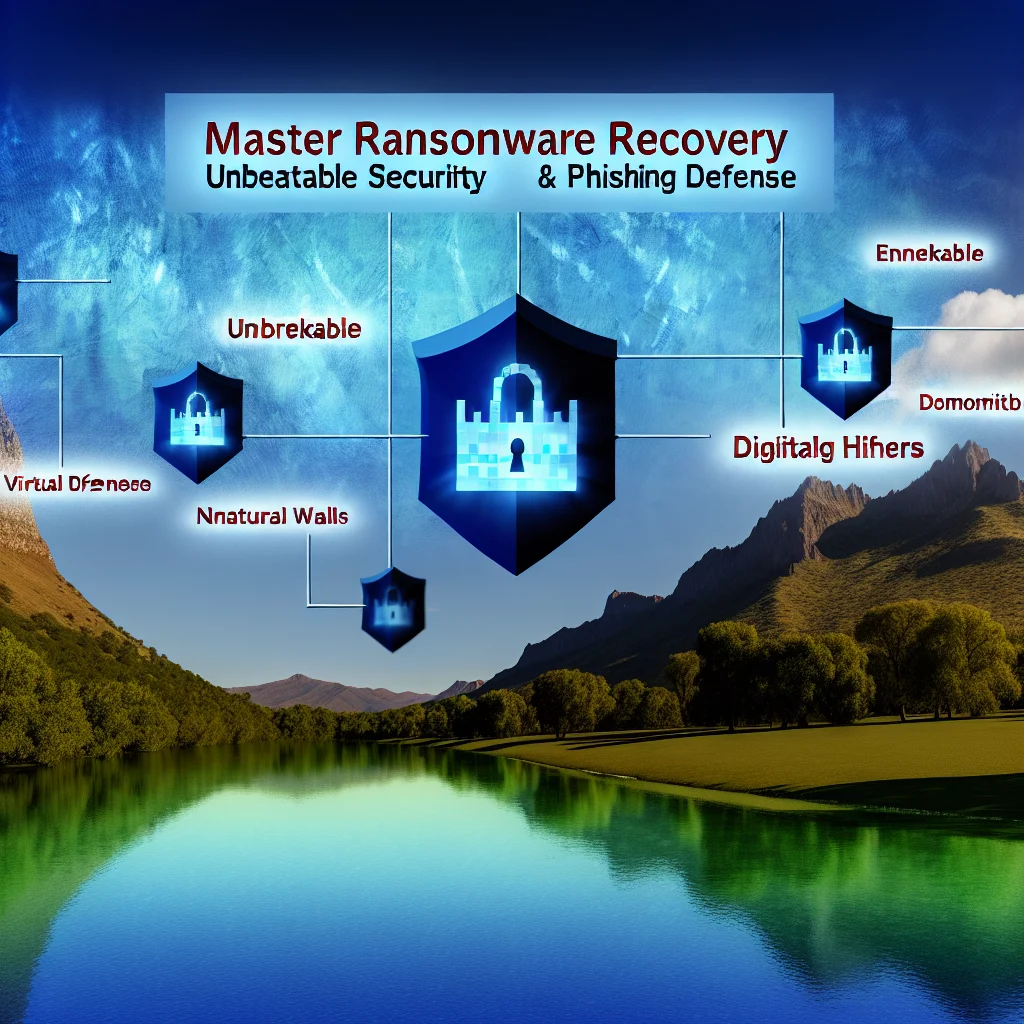
Ransomware has emerged as a formidable threat in the digital landscape, with CryptoLocker incidents serving as a stark reminder of the potential havoc such attacks can wreak. These incidents have underscored the critical importance of effective ransomware recovery strategies. As organizations increasingly rely on digital infrastructure, understanding the lessons from past CryptoLocker incidents is essential for enhancing resilience against future attacks.
CryptoLocker, a notorious form of ransomware, first appeared in 2013 and quickly gained infamy for its ability to encrypt files on infected systems, demanding a ransom for their release. The impact of these attacks was profound, affecting individuals and businesses alike. The aftermath of CryptoLocker incidents highlighted several key lessons in ransomware recovery, which remain relevant today.
One of the primary lessons from CryptoLocker incidents is the importance of robust data backup strategies. Organizations that had comprehensive and regularly updated backups were able to recover their data without succumbing to ransom demands. This underscores the necessity of implementing a multi-layered backup approach, including both on-site and off-site storage solutions. Regular testing of backup systems is equally crucial to ensure data integrity and accessibility in the event of an attack.
In addition to data backups, the CryptoLocker incidents emphasized the need for proactive cybersecurity measures. Organizations must invest in advanced threat detection and prevention technologies to identify and mitigate ransomware threats before they can cause significant damage. This includes deploying firewalls, intrusion detection systems, and endpoint protection solutions. Furthermore, maintaining up-to-date software and patching vulnerabilities promptly can significantly reduce the risk of ransomware infiltration.
Another critical lesson from CryptoLocker is the importance of employee education and awareness. Human error remains a significant factor in ransomware incidents, often through phishing emails or malicious downloads. Educating employees about the risks and signs of ransomware attacks can empower them to act as the first line of defense. Regular training sessions and simulated phishing exercises can help reinforce this knowledge and reduce the likelihood of successful attacks.
Moreover, the CryptoLocker incidents highlighted the value of having a well-defined incident response plan. Organizations with a clear and practiced response strategy were better equipped to contain the attack, minimize damage, and expedite recovery. An effective incident response plan should include predefined roles and responsibilities, communication protocols, and procedures for isolating affected systems. Regular drills and updates to the plan are essential to ensure its effectiveness in a real-world scenario.
Collaboration and information sharing also emerged as vital components of ransomware recovery. During the CryptoLocker incidents, organizations that collaborated with law enforcement and cybersecurity experts were often more successful in navigating the aftermath. Sharing threat intelligence and best practices within industry networks can enhance collective resilience against ransomware threats.
Finally, the CryptoLocker incidents underscored the importance of considering the ethical implications of paying ransoms. While some organizations opted to pay the ransom to regain access to their data, this approach is fraught with risks, including the potential for funding further criminal activities. Instead, investing in preventive measures and robust recovery strategies is a more sustainable and ethical approach to mitigating ransomware threats.
In conclusion, the lessons from CryptoLocker incidents provide valuable insights into effective ransomware recovery strategies. By prioritizing data backups, proactive cybersecurity measures, employee education, incident response planning, collaboration, and ethical considerations, organizations can enhance their resilience against ransomware attacks. As the threat landscape continues to evolve, these lessons remain crucial for safeguarding digital assets and ensuring business continuity.
Strengthening Phishing Defense to Prevent Ransomware Infiltration
In the ever-evolving landscape of cybersecurity threats, ransomware remains a formidable adversary, with phishing attacks serving as a primary vector for its infiltration. As organizations strive to bolster their defenses against such threats, strengthening phishing defense mechanisms becomes paramount. Phishing, a deceptive practice where attackers masquerade as trustworthy entities to steal sensitive information, often serves as the gateway for ransomware attacks. Consequently, understanding and mitigating phishing risks is crucial in preventing ransomware infiltration.
To begin with, it is essential to recognize the sophistication of modern phishing attacks. Cybercriminals employ advanced techniques, such as spear-phishing, where they target specific individuals within an organization by crafting personalized messages. These messages often appear legitimate, making it challenging for even the most vigilant employees to discern their malicious intent. Therefore, organizations must invest in comprehensive training programs that educate employees about the nuances of phishing attacks. By fostering a culture of awareness, employees become the first line of defense, capable of identifying and reporting suspicious activities.
In addition to training, implementing robust email filtering solutions is a critical step in fortifying phishing defenses. Advanced email filters can detect and block phishing emails before they reach the inbox, significantly reducing the risk of ransomware infiltration. These solutions leverage machine learning algorithms to analyze email patterns and identify anomalies that may indicate phishing attempts. By continuously updating these algorithms, organizations can stay ahead of emerging threats and ensure that their defenses remain resilient.
Moreover, multi-factor authentication (MFA) serves as an effective deterrent against phishing attacks. By requiring users to provide multiple forms of verification before accessing sensitive systems, MFA adds an additional layer of security. Even if a phishing attack successfully compromises a user’s credentials, the presence of MFA can prevent unauthorized access, thereby thwarting potential ransomware deployment. Organizations should prioritize the implementation of MFA across all critical systems to enhance their security posture.
Furthermore, regular security assessments and penetration testing are indispensable in identifying vulnerabilities that could be exploited by phishing attacks. By simulating real-world attack scenarios, organizations can gain valuable insights into their security weaknesses and take proactive measures to address them. These assessments should be conducted periodically to ensure that defenses remain robust against evolving threats. Additionally, organizations should establish incident response plans that outline the steps to be taken in the event of a phishing-induced ransomware attack. A well-defined response plan can minimize damage and facilitate a swift recovery.
Collaboration and information sharing among organizations also play a vital role in strengthening phishing defenses. By participating in industry forums and threat intelligence networks, organizations can gain access to valuable insights and best practices for combating phishing attacks. Sharing information about emerging threats and successful defense strategies can help create a collective defense against ransomware infiltration.
In conclusion, as ransomware continues to pose a significant threat to organizations worldwide, strengthening phishing defenses is a critical component of a comprehensive cybersecurity strategy. By investing in employee training, implementing advanced email filtering solutions, adopting multi-factor authentication, conducting regular security assessments, and fostering collaboration, organizations can significantly reduce the risk of ransomware infiltration through phishing attacks. As the threat landscape continues to evolve, a proactive and multi-faceted approach to phishing defense will be essential in safeguarding sensitive information and ensuring business continuity.
Comprehensive Disaster Planning for Ransomware Recovery
In the ever-evolving landscape of cybersecurity threats, ransomware has emerged as a formidable adversary, necessitating comprehensive disaster planning for effective recovery. As organizations increasingly rely on digital infrastructure, the potential impact of ransomware attacks has grown exponentially, making it imperative for businesses to develop robust strategies to mitigate these risks. A well-structured disaster recovery plan not only minimizes downtime but also ensures the continuity of operations, safeguarding both data integrity and organizational reputation.
To begin with, understanding the nature of ransomware is crucial. Ransomware is a type of malicious software designed to encrypt files on a device, rendering them inaccessible until a ransom is paid. This threat can infiltrate systems through various vectors, including phishing emails, malicious downloads, and compromised websites. Consequently, a comprehensive disaster recovery plan must encompass preventive measures, immediate response strategies, and long-term recovery protocols.
Preventive measures form the first line of defense against ransomware attacks. Regularly updating software and systems is essential to patch vulnerabilities that cybercriminals might exploit. Additionally, implementing robust antivirus and anti-malware solutions can detect and neutralize threats before they cause significant harm. Employee training is another critical component, as human error often serves as a gateway for ransomware. Educating staff about recognizing phishing attempts and practicing safe browsing habits can significantly reduce the risk of infection.
Despite preventive efforts, the possibility of a ransomware attack cannot be entirely eliminated. Therefore, having a well-defined incident response plan is vital. This plan should outline the steps to be taken immediately following an attack, including isolating affected systems to prevent further spread, notifying relevant stakeholders, and engaging cybersecurity experts to assess the situation. Quick and decisive action can limit the damage and facilitate a more efficient recovery process.
Moreover, data backup is a cornerstone of any disaster recovery strategy. Regularly backing up data ensures that, in the event of a ransomware attack, organizations can restore their systems to a pre-attack state without succumbing to ransom demands. It is advisable to follow the 3-2-1 backup rule: maintain three copies of data, store them on two different media, and keep one copy offsite. This approach provides multiple layers of redundancy, enhancing data resilience.
In addition to technical measures, legal and regulatory considerations must be factored into disaster planning. Organizations should be aware of the legal implications of ransomware attacks, including data breach notification requirements and potential liabilities. Consulting with legal experts can help ensure compliance with relevant laws and regulations, thereby avoiding further complications during the recovery process.
Furthermore, communication plays a pivotal role in ransomware recovery. Transparent communication with stakeholders, including employees, customers, and partners, helps maintain trust and manage expectations. Crafting a clear communication plan that outlines how information will be disseminated during and after an attack is essential for maintaining organizational credibility.
Finally, continuous evaluation and improvement of the disaster recovery plan are necessary to adapt to the dynamic threat landscape. Regularly testing the plan through simulated attacks and updating it based on lessons learned ensures that the organization remains prepared for future incidents. By fostering a culture of resilience and vigilance, businesses can not only recover from ransomware attacks but also emerge stronger and more secure.
In conclusion, comprehensive disaster planning for ransomware recovery is a multifaceted endeavor that requires a proactive approach, encompassing prevention, response, and recovery. By integrating technical, legal, and communicative strategies, organizations can effectively navigate the challenges posed by ransomware, safeguarding their assets and ensuring long-term operational continuity.
Unlock the secrets to effective ransomware recovery with our comprehensive guide, “Ransomware Insights: Ransomware Recovery.” Discover more now!