Understanding Ransomware: Key Cyber Threats Facing Businesses Today
Ransomware has emerged as one of the most formidable cyber threats facing businesses today, posing significant risks to organizations of all sizes. This malicious software encrypts a victim’s files, rendering them inaccessible until a ransom is paid to the attacker. As businesses increasingly rely on digital infrastructure, understanding the nature of ransomware and implementing robust protective measures is crucial to safeguarding sensitive data and ensuring operational continuity.
To begin with, it is essential to recognize the various forms of ransomware that can target businesses. The most common types include crypto-ransomware, which encrypts files and demands payment for decryption keys, and locker ransomware, which locks users out of their systems entirely. Additionally, some ransomware variants threaten to publish sensitive data unless a ransom is paid, adding an extra layer of pressure on victims. Understanding these threats is the first step in developing a comprehensive defense strategy.
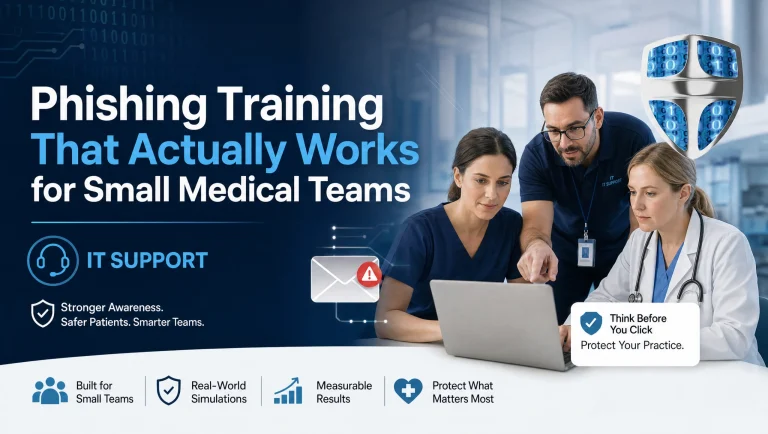
Transitioning from understanding to prevention, businesses must adopt a multi-layered approach to cybersecurity. This begins with employee education, as human error is often the weakest link in security chains. Regular training sessions should be conducted to raise awareness about phishing scams, which are frequently used to deliver ransomware. Employees should be taught to recognize suspicious emails and avoid clicking on unknown links or downloading unverified attachments. By fostering a culture of vigilance, businesses can significantly reduce the likelihood of a successful ransomware attack.
In addition to education, implementing robust technical defenses is paramount. Businesses should ensure that all software and systems are kept up to date with the latest security patches. Cybercriminals often exploit vulnerabilities in outdated software to gain access to networks, making regular updates a critical component of any security strategy. Furthermore, deploying advanced antivirus and anti-malware solutions can help detect and neutralize ransomware before it can cause harm.
Another crucial aspect of ransomware protection is data backup. Regularly backing up data ensures that, in the event of an attack, businesses can restore their systems without succumbing to ransom demands. It is advisable to follow the 3-2-1 backup rule: maintain three copies of data, store them on two different media, and keep one copy offsite. This approach minimizes the risk of data loss and facilitates swift recovery, thereby mitigating the impact of a ransomware incident.
Moreover, businesses should consider implementing network segmentation to limit the spread of ransomware within their systems. By dividing networks into smaller, isolated segments, organizations can contain infections and prevent them from affecting critical assets. This strategy, combined with strict access controls, ensures that only authorized personnel can access sensitive data, further reducing the risk of compromise.
Finally, developing an incident response plan is essential for minimizing the damage caused by ransomware attacks. This plan should outline the steps to be taken in the event of an attack, including communication protocols, roles and responsibilities, and recovery procedures. Regularly testing and updating the plan ensures that businesses are prepared to respond swiftly and effectively, minimizing downtime and financial losses.
In conclusion, protecting a business from ransomware requires a comprehensive understanding of the threat landscape and the implementation of a multi-faceted defense strategy. By educating employees, maintaining up-to-date systems, backing up data, segmenting networks, and preparing an incident response plan, businesses can significantly reduce their vulnerability to ransomware attacks. As cyber threats continue to evolve, staying informed and proactive is essential to safeguarding organizational assets and maintaining trust with clients and stakeholders.
Implementing Data Encryption: A Crucial Step in Ransomware Protection
In the ever-evolving landscape of cybersecurity threats, ransomware has emerged as a formidable adversary to businesses of all sizes. As organizations strive to protect their sensitive data and maintain operational continuity, implementing robust security measures becomes paramount. Among these measures, data encryption stands out as a crucial step in safeguarding against ransomware attacks. By transforming readable data into an encoded format, encryption ensures that even if cybercriminals gain access to your systems, the information remains unintelligible and, therefore, useless to them.
To begin with, understanding the role of data encryption in ransomware protection is essential. Encryption acts as a formidable barrier, rendering data inaccessible without the appropriate decryption key. This means that even if ransomware infiltrates your network, the encrypted data remains secure, preventing attackers from exploiting it for financial gain. Consequently, encryption not only protects sensitive information but also mitigates the potential damage caused by a ransomware attack, thereby preserving the integrity and reputation of your business.
Moreover, implementing data encryption is not merely a technical safeguard but also a compliance necessity. Many industries are governed by stringent regulations that mandate the protection of sensitive data through encryption. For instance, the healthcare sector must adhere to the Health Insurance Portability and Accountability Act (HIPAA), while the financial industry is subject to the Gramm-Leach-Bliley Act (GLBA). By ensuring compliance with these regulations, businesses not only avoid hefty fines but also demonstrate their commitment to data security, thereby fostering trust among clients and stakeholders.
Transitioning to the practical aspects of encryption, businesses must consider several factors to effectively implement this security measure. First and foremost, identifying the data that requires encryption is crucial. Not all data may need to be encrypted, so prioritizing sensitive information such as customer records, financial data, and proprietary business information is essential. Once the data is identified, selecting the appropriate encryption method is the next step. Options range from symmetric encryption, which uses a single key for both encryption and decryption, to asymmetric encryption, which employs a pair of keys. Each method has its advantages and trade-offs, and businesses must choose based on their specific needs and resources.
Furthermore, the management of encryption keys is a critical component of the encryption process. Secure key management ensures that only authorized personnel have access to the decryption keys, thereby preventing unauthorized access to encrypted data. Implementing a robust key management system, which includes regular key rotation and secure storage, is vital to maintaining the effectiveness of encryption as a protective measure.
In addition to these technical considerations, businesses must also foster a culture of security awareness among employees. Training staff on the importance of data encryption and the role they play in maintaining cybersecurity can significantly enhance the overall security posture of the organization. Employees should be educated on recognizing phishing attempts and other tactics used by cybercriminals to infiltrate systems, as human error often serves as a gateway for ransomware attacks.
In conclusion, while no single measure can guarantee complete immunity from ransomware, data encryption serves as a critical line of defense. By rendering data inaccessible to unauthorized users, encryption not only protects sensitive information but also ensures compliance with industry regulations. As businesses navigate the complexities of cybersecurity, prioritizing data encryption, alongside other protective measures, is essential in safeguarding against the ever-present threat of ransomware.
Developing Robust Cybersecurity Strategies to Combat Ransomware

In today’s digital age, the threat of ransomware looms large over businesses of all sizes. As cybercriminals become increasingly sophisticated, the need for robust cybersecurity strategies has never been more critical. Ransomware, a type of malicious software designed to block access to a computer system until a sum of money is paid, can cripple an organization, leading to significant financial losses and reputational damage. Therefore, developing a comprehensive approach to combat this threat is essential for safeguarding your business.
To begin with, understanding the nature of ransomware is crucial. Ransomware typically infiltrates systems through phishing emails, malicious downloads, or vulnerabilities in software. Once inside, it encrypts files, rendering them inaccessible to the user. Consequently, businesses must prioritize employee education and awareness as a frontline defense. Regular training sessions can equip employees with the knowledge to recognize phishing attempts and other suspicious activities, thereby reducing the likelihood of a successful attack.
In addition to employee training, implementing robust technical defenses is paramount. Firewalls and antivirus software serve as the first line of defense against ransomware. These tools can detect and block malicious activities before they infiltrate your systems. Moreover, keeping all software up to date is vital, as outdated software can present vulnerabilities that cybercriminals exploit. Regularly updating operating systems, applications, and security patches can significantly reduce the risk of an attack.
Furthermore, data backup is a critical component of any cybersecurity strategy. Regularly backing up data ensures that, in the event of a ransomware attack, your business can restore its systems without succumbing to the demands of cybercriminals. It is advisable to follow the 3-2-1 backup rule: maintain three copies of your data, store them on two different media, and keep one copy offsite. This approach not only safeguards your data but also ensures business continuity in the face of an attack.
Another essential step is to develop an incident response plan. This plan should outline the procedures to follow in the event of a ransomware attack, including isolating affected systems, notifying relevant stakeholders, and engaging with cybersecurity experts. Having a well-defined response plan can minimize downtime and mitigate the impact of an attack. Additionally, conducting regular drills and simulations can help ensure that your team is prepared to respond effectively when an incident occurs.
Moreover, businesses should consider investing in cyber insurance. While it cannot prevent an attack, cyber insurance can provide financial protection and support in the aftermath of a ransomware incident. Policies typically cover costs related to data recovery, business interruption, and legal fees, offering a safety net that can help your business recover more swiftly.
Finally, fostering a culture of cybersecurity within your organization is essential. Encouraging open communication about potential threats and promoting a proactive approach to cybersecurity can create an environment where everyone is vigilant and committed to protecting the business. By integrating cybersecurity into the core values of your organization, you can build resilience against ransomware and other cyber threats.
In conclusion, protecting your business from ransomware requires a multifaceted approach that combines employee education, technical defenses, data backup, incident response planning, and cyber insurance. By taking these essential steps, you can develop robust cybersecurity strategies that not only combat ransomware but also enhance the overall security posture of your organization. As cyber threats continue to evolve, staying informed and prepared is the key to safeguarding your business in the digital landscape.
Essential Malware Defense Techniques for Business Security
In today’s digital age, businesses face an ever-evolving landscape of cyber threats, with ransomware emerging as one of the most formidable adversaries. Ransomware attacks can cripple an organization by encrypting critical data and demanding a ransom for its release, often leading to significant financial and reputational damage. Therefore, it is imperative for businesses to adopt robust malware defense techniques to safeguard their operations. By implementing a comprehensive strategy, organizations can significantly reduce their vulnerability to such attacks.
To begin with, one of the most effective ways to protect against ransomware is to ensure that all software and systems are up to date. Cybercriminals often exploit vulnerabilities in outdated software to gain unauthorized access to systems. Regularly updating operating systems, applications, and security software can close these security gaps, making it more difficult for attackers to infiltrate networks. Additionally, businesses should consider employing automated patch management solutions to streamline this process and ensure that updates are applied promptly.
Moreover, employee education and awareness play a crucial role in defending against ransomware. Human error is often a significant factor in successful cyberattacks, as employees may inadvertently click on malicious links or download infected attachments. By conducting regular training sessions, businesses can educate their staff about the latest phishing techniques and the importance of exercising caution when handling emails and online communications. Encouraging a culture of vigilance and skepticism can empower employees to recognize and report suspicious activities, thereby enhancing the organization’s overall security posture.
In addition to education, implementing robust access controls is essential for minimizing the risk of ransomware attacks. By adopting the principle of least privilege, businesses can ensure that employees have access only to the information and systems necessary for their roles. This approach limits the potential damage that can be caused by compromised accounts. Furthermore, employing multi-factor authentication (MFA) adds an additional layer of security, making it more challenging for attackers to gain unauthorized access, even if they manage to obtain login credentials.
Another critical component of a comprehensive ransomware defense strategy is the regular backup of data. By maintaining up-to-date backups, businesses can mitigate the impact of a ransomware attack by restoring their systems to a pre-attack state without succumbing to ransom demands. It is essential to store backups in a secure, offsite location and to test the restoration process periodically to ensure data integrity and availability. This proactive measure can significantly reduce downtime and facilitate a swift recovery in the event of an attack.
Furthermore, businesses should consider deploying advanced security solutions, such as endpoint detection and response (EDR) tools, to enhance their ability to detect and respond to ransomware threats. These solutions provide real-time monitoring and analysis of network activity, enabling organizations to identify and neutralize potential threats before they can cause harm. By integrating EDR with other security measures, such as firewalls and intrusion detection systems, businesses can create a multi-layered defense strategy that offers comprehensive protection against ransomware.
In conclusion, protecting a business from ransomware requires a multifaceted approach that combines technology, education, and proactive measures. By keeping systems updated, educating employees, implementing access controls, maintaining regular backups, and deploying advanced security solutions, organizations can significantly reduce their risk of falling victim to ransomware attacks. As cyber threats continue to evolve, businesses must remain vigilant and adaptable, continuously refining their security strategies to stay one step ahead of malicious actors.
Proactive Threat Prevention: Safeguarding Your Business from Ransomware
In today’s digital landscape, ransomware has emerged as one of the most formidable threats to businesses of all sizes. This malicious software, which encrypts a victim’s data and demands payment for its release, can cripple operations, tarnish reputations, and incur significant financial losses. Therefore, it is imperative for businesses to adopt a proactive approach to threat prevention, ensuring robust defenses against such cyberattacks. By implementing a series of essential steps, organizations can significantly reduce their vulnerability to ransomware and safeguard their critical assets.
To begin with, employee education and awareness are fundamental components of a comprehensive ransomware prevention strategy. Since human error is often the weakest link in cybersecurity, it is crucial to train employees to recognize phishing emails, suspicious links, and other common tactics used by cybercriminals. Regular training sessions and simulated phishing exercises can help reinforce this knowledge, empowering employees to act as the first line of defense against potential threats. Furthermore, fostering a culture of cybersecurity awareness within the organization can encourage employees to remain vigilant and report any suspicious activity promptly.
In addition to employee training, maintaining up-to-date software and systems is vital in protecting against ransomware attacks. Cybercriminals frequently exploit vulnerabilities in outdated software to gain unauthorized access to networks. Therefore, businesses should ensure that all software, including operating systems, applications, and security tools, are regularly updated with the latest patches and security fixes. Implementing automated update mechanisms can streamline this process, reducing the risk of human oversight and ensuring that systems remain fortified against emerging threats.
Moreover, robust data backup and recovery procedures are essential in mitigating the impact of a ransomware attack. Regularly backing up critical data to secure, offsite locations can provide a lifeline in the event of an attack, allowing businesses to restore operations without succumbing to ransom demands. It is advisable to follow the 3-2-1 backup rule: maintain at least three copies of data, store them on two different media, and keep one copy offsite. Additionally, testing backup and recovery processes periodically can ensure their effectiveness and reliability when needed most.
Implementing strong access controls is another critical measure in preventing unauthorized access to sensitive data. By adopting the principle of least privilege, businesses can restrict access to information and systems based on an employee’s role and responsibilities. This minimizes the potential damage that can be caused by compromised accounts. Multi-factor authentication (MFA) should also be employed to add an extra layer of security, requiring users to verify their identity through multiple means before accessing critical systems.
Furthermore, deploying advanced security solutions can enhance an organization’s ability to detect and respond to ransomware threats. Endpoint protection platforms, intrusion detection systems, and network monitoring tools can provide real-time visibility into network activity, enabling the swift identification of suspicious behavior. By leveraging artificial intelligence and machine learning, these solutions can also predict and prevent potential attacks, offering a proactive defense against evolving ransomware tactics.
In conclusion, protecting a business from ransomware requires a multifaceted approach that combines employee education, regular software updates, robust data backup strategies, stringent access controls, and advanced security solutions. By taking these essential steps, organizations can significantly reduce their risk of falling victim to ransomware attacks, ensuring the continuity of their operations and the security of their valuable data. As cyber threats continue to evolve, maintaining a proactive stance on threat prevention will be crucial in safeguarding businesses from the ever-present danger of ransomware.
Protect your business from ransomware threats today by implementing essential security measures. Don’t wait until it’s too late—take action now to safeguard your valuable data and ensure your operations remain uninterrupted. Learn more about the crucial steps you need to take by visiting our comprehensive guide. Protect Your Business from Ransomware