The Future Of Medical Data: Transforming Healthcare Systems Through Tech Integration
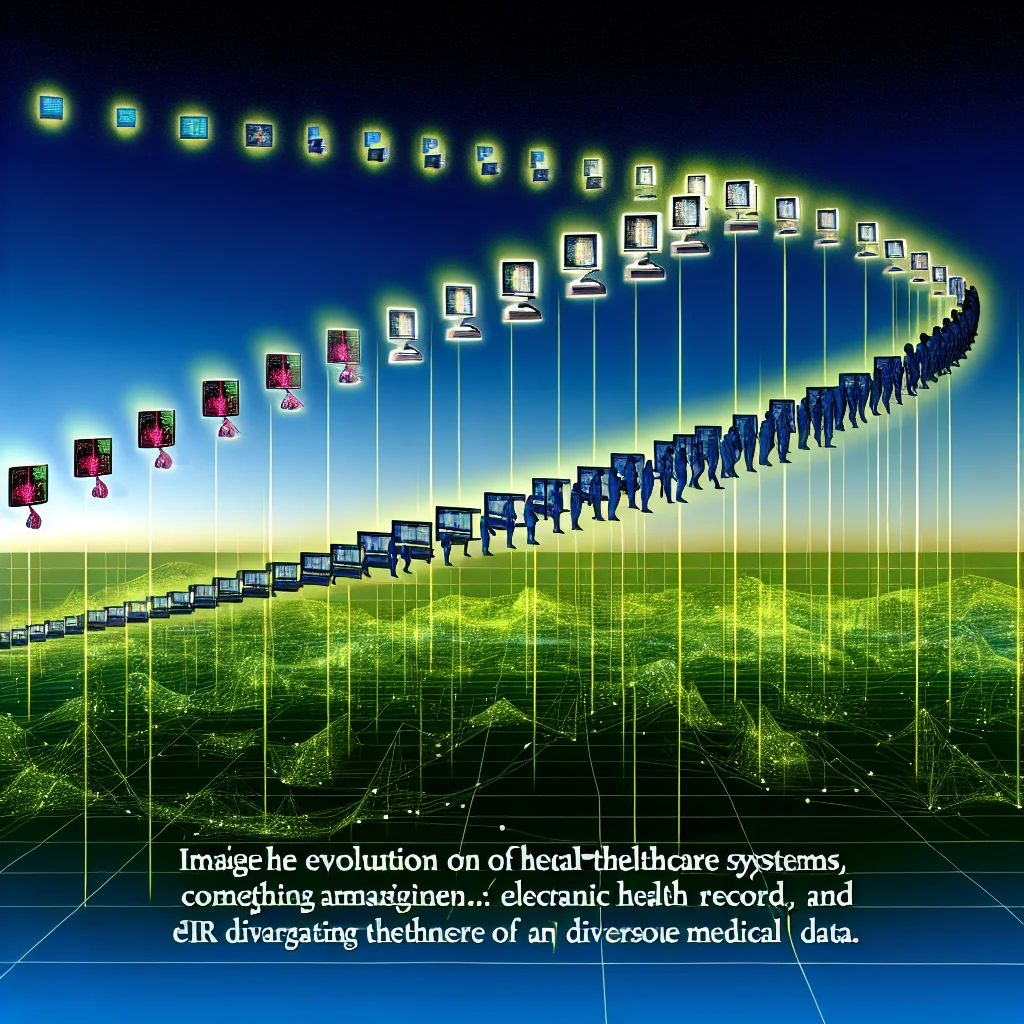
The integration of technology into healthcare systems is revolutionizing the way medical data is managed, analyzed, and utilized, promising a future where patient care is more efficient, personalized, and effective. As healthcare systems worldwide grapple with increasing demands and limited resources, the adoption of advanced technologies offers a pathway to enhanced operational efficiency and improved patient outcomes. Central to this transformation is the seamless integration of electronic health records (EHRs), which serve as the backbone of modern healthcare IT systems. EHRs enable the consolidation of patient information, making it accessible to healthcare providers across different locations and specialties. This accessibility not only reduces the risk of errors but also facilitates coordinated care, ensuring that patients receive comprehensive treatment plans tailored to their unique needs.
Moreover, the advent of big data analytics in healthcare is unlocking new possibilities for predictive medicine. By analyzing vast amounts of data, healthcare providers can identify patterns and trends that were previously undetectable. This capability allows for the early detection of diseases, enabling interventions before conditions become critical. For instance, predictive analytics can help identify patients at high risk of developing chronic illnesses, allowing for preventive measures that can significantly improve quality of life and reduce healthcare costs. Furthermore, the integration of artificial intelligence (AI) into healthcare systems is enhancing diagnostic accuracy and treatment efficacy. AI algorithms can process and interpret complex medical data at a speed and accuracy that surpasses human capabilities, assisting doctors in making more informed decisions. From analyzing medical images to predicting patient outcomes, AI is becoming an indispensable tool in the healthcare arsenal.
In addition to improving diagnostic and treatment processes, technology integration is also transforming patient engagement and empowerment. Telemedicine, for example, has emerged as a vital component of modern healthcare, especially in the wake of the COVID-19 pandemic. By enabling remote consultations, telemedicine expands access to healthcare services, particularly for individuals in remote or underserved areas. This not only enhances patient convenience but also reduces the burden on healthcare facilities, allowing them to allocate resources more effectively. Furthermore, wearable technology and mobile health applications are empowering patients to take an active role in managing their health. These tools provide real-time data on various health metrics, enabling individuals to monitor their conditions and make informed lifestyle choices. By fostering a proactive approach to health management, these technologies contribute to better health outcomes and a reduction in the incidence of preventable diseases.
However, the integration of technology into healthcare systems is not without challenges. Data security and privacy concerns are paramount, as the digitization of medical records increases the risk of unauthorized access and data breaches. Healthcare organizations must implement robust cybersecurity measures to protect sensitive patient information and maintain trust. Additionally, the successful integration of technology requires significant investment in infrastructure and training. Healthcare providers must be equipped with the necessary skills to effectively utilize new technologies, and systems must be interoperable to ensure seamless data exchange across different platforms.
In conclusion, the future of medical data is poised to transform healthcare systems through the integration of advanced technologies. By enhancing data management, predictive analytics, and patient engagement, these innovations hold the potential to improve healthcare delivery and patient outcomes significantly. As the healthcare landscape continues to evolve, embracing these technological advancements will be crucial in addressing the challenges of modern healthcare and realizing the full potential of a data-driven approach to medicine.
Enhancing Clinical Support: The Role Of EHR In Modern Healthcare Systems
In the rapidly evolving landscape of modern healthcare, the integration of technology has become indispensable, with Electronic Health Records (EHR) playing a pivotal role in enhancing clinical support. As healthcare systems strive to improve patient outcomes, reduce costs, and streamline operations, EHRs have emerged as a cornerstone of these efforts. By providing a comprehensive digital record of a patient’s medical history, EHRs facilitate better coordination among healthcare providers, thereby enhancing the quality of care.
One of the primary advantages of EHRs is their ability to improve the accuracy and accessibility of patient information. In traditional paper-based systems, critical patient data could be fragmented across various locations, leading to potential errors and inefficiencies. EHRs, however, consolidate this information into a single, easily accessible digital format. This not only reduces the likelihood of errors but also ensures that healthcare providers have immediate access to up-to-date patient information, which is crucial for making informed clinical decisions.
Moreover, EHRs play a significant role in enhancing communication and collaboration among healthcare professionals. In a typical healthcare setting, a patient may interact with multiple specialists, each contributing to different aspects of their care. EHRs facilitate seamless communication by allowing all authorized providers to access and update the patient’s records in real-time. This interconnectedness ensures that every member of the healthcare team is on the same page, thereby reducing the risk of redundant tests and procedures, and ultimately improving patient outcomes.
In addition to improving communication, EHRs also support clinical decision-making through integrated decision support systems. These systems provide healthcare providers with evidence-based guidelines and alerts, helping them to make more informed decisions at the point of care. For instance, an EHR system might alert a physician to a potential drug interaction or remind them of a patient’s allergy, thereby preventing adverse events. Such decision support tools are invaluable in ensuring that patients receive safe and effective care.
Furthermore, EHRs contribute to the efficiency of healthcare systems by streamlining administrative processes. Tasks such as billing, scheduling, and reporting, which were once time-consuming and prone to error, can now be automated and managed more effectively through EHR systems. This not only reduces the administrative burden on healthcare providers but also allows them to focus more on patient care, thereby enhancing the overall efficiency of the healthcare system.
Despite these advantages, the implementation of EHRs is not without challenges. Issues such as data privacy, interoperability, and the initial cost of implementation can pose significant hurdles. However, ongoing advancements in technology and regulatory frameworks are addressing these concerns, paving the way for more widespread adoption of EHRs.
In conclusion, the role of EHRs in modern healthcare systems is multifaceted and transformative. By improving the accuracy and accessibility of patient information, enhancing communication among healthcare providers, supporting clinical decision-making, and streamlining administrative processes, EHRs are instrumental in enhancing clinical support. As healthcare systems continue to evolve, the integration of EHRs will undoubtedly play a crucial role in shaping the future of patient care, ultimately leading to more efficient and effective healthcare delivery.
Navigating HIPAA Compliance: Best Practices For Healthcare IT Systems

Navigating the complex landscape of HIPAA compliance is a critical task for healthcare IT systems, as it ensures the protection of patient information and upholds the integrity of healthcare services. The Health Insurance Portability and Accountability Act (HIPAA) sets the standard for safeguarding sensitive patient data, and compliance with its regulations is not only a legal obligation but also a fundamental component of patient trust and safety. As healthcare systems increasingly rely on digital solutions, understanding and implementing best practices for HIPAA compliance becomes paramount.
To begin with, one of the foundational elements of HIPAA compliance is the implementation of robust data encryption protocols. Encryption serves as a vital defense mechanism against unauthorized access to electronic protected health information (ePHI). By converting data into a secure format that can only be accessed by authorized individuals with the correct decryption key, healthcare IT systems can significantly reduce the risk of data breaches. Moreover, encryption should be applied to data both at rest and in transit, ensuring comprehensive protection across all stages of data handling.
In addition to encryption, healthcare organizations must establish stringent access controls to safeguard ePHI. This involves implementing role-based access controls (RBAC), which restricts data access based on an individual’s role within the organization. By ensuring that employees can only access the information necessary for their specific job functions, healthcare systems can minimize the risk of internal data breaches. Furthermore, regular audits and monitoring of access logs are essential to detect and respond to any unauthorized access attempts promptly.
Another critical aspect of HIPAA compliance is the development and enforcement of comprehensive security policies and procedures. These policies should outline the organization’s approach to data protection, including guidelines for data handling, incident response, and employee training. Regular training sessions are crucial to ensure that all staff members are aware of their responsibilities under HIPAA and are equipped to handle ePHI appropriately. By fostering a culture of compliance, healthcare organizations can mitigate the risk of human error, which is often a significant factor in data breaches.
Moreover, healthcare IT systems must prioritize the secure disposal of ePHI. When data is no longer needed, it should be permanently deleted or destroyed in a manner that prevents reconstruction. This includes ensuring that all electronic devices, such as computers and mobile devices, are wiped clean before disposal or repurposing. Implementing a clear data retention and disposal policy is essential to prevent unauthorized access to outdated or unnecessary information.
In the event of a data breach, having a well-defined incident response plan is crucial for minimizing damage and ensuring compliance with HIPAA’s breach notification requirements. This plan should include procedures for identifying, containing, and mitigating the breach, as well as notifying affected individuals and relevant authorities within the stipulated time frame. Regularly testing and updating the incident response plan can help organizations respond swiftly and effectively to any security incidents.
In conclusion, navigating HIPAA compliance requires a multifaceted approach that encompasses data encryption, access controls, security policies, secure data disposal, and incident response planning. By implementing these best practices, healthcare IT systems can protect patient information, maintain compliance with legal requirements, and uphold the trust of patients and stakeholders. As the healthcare industry continues to evolve, staying informed about the latest developments in data protection and compliance will be essential for safeguarding the future of healthcare services.
Health IT Trends: Innovations Shaping The Future Of Healthcare Systems
In recent years, the landscape of healthcare has been significantly transformed by the integration of information technology, leading to a more efficient, patient-centered approach. As healthcare systems continue to evolve, several key trends in health IT are emerging, each playing a crucial role in shaping the future of healthcare delivery. One of the most prominent trends is the adoption of electronic health records (EHRs), which have revolutionized the way patient information is stored and accessed. EHRs facilitate seamless communication among healthcare providers, ensuring that patient data is readily available and up-to-date, thereby enhancing the quality of care and reducing the likelihood of medical errors.
Moreover, the rise of telemedicine has been a game-changer, particularly in the wake of the COVID-19 pandemic. Telemedicine platforms enable healthcare providers to offer remote consultations, making healthcare more accessible to patients, especially those in rural or underserved areas. This innovation not only improves patient convenience but also helps in managing healthcare resources more efficiently. As telemedicine continues to gain traction, it is expected to become an integral part of healthcare systems worldwide, offering a viable solution to the challenges of limited healthcare access and provider shortages.
In addition to telemedicine, the integration of artificial intelligence (AI) in healthcare is another trend that is reshaping the industry. AI technologies are being utilized to enhance diagnostic accuracy, predict patient outcomes, and personalize treatment plans. Machine learning algorithms, for instance, can analyze vast amounts of data to identify patterns and correlations that may not be immediately apparent to human clinicians. This capability allows for earlier detection of diseases and more targeted interventions, ultimately improving patient outcomes and reducing healthcare costs.
Furthermore, the Internet of Medical Things (IoMT) is gaining momentum, with connected devices playing a pivotal role in patient monitoring and management. Wearable devices, such as smartwatches and fitness trackers, collect real-time health data, enabling continuous monitoring of vital signs and other health metrics. This data can be transmitted to healthcare providers, allowing for timely interventions and more proactive management of chronic conditions. The IoMT not only empowers patients to take charge of their health but also facilitates a more collaborative approach to healthcare delivery.
Another significant trend is the emphasis on data security and privacy, as the digitization of healthcare records raises concerns about the protection of sensitive patient information. Healthcare organizations are increasingly investing in robust cybersecurity measures to safeguard data against breaches and unauthorized access. Implementing advanced encryption techniques and ensuring compliance with regulations such as the Health Insurance Portability and Accountability Act (HIPAA) are essential steps in maintaining patient trust and ensuring the integrity of healthcare systems.
As these trends continue to evolve, it is clear that health IT innovations are driving a paradigm shift in healthcare systems. The integration of technology not only enhances the efficiency and effectiveness of healthcare delivery but also paves the way for a more personalized and patient-centered approach. By embracing these innovations, healthcare providers can improve patient outcomes, optimize resource utilization, and ultimately create a more sustainable healthcare system. As we look to the future, it is evident that the continued advancement of health IT will play a pivotal role in addressing the challenges facing healthcare systems and in shaping a more resilient and responsive healthcare landscape.
Integrating Technology In Healthcare: Challenges And Opportunities For Medical Data Management
The integration of technology into healthcare systems has revolutionized the way medical data is managed, offering both significant opportunities and formidable challenges. As healthcare providers increasingly rely on digital solutions to enhance patient care, the management of medical data has become a critical focal point. The transition from paper-based records to electronic health records (EHRs) exemplifies the profound impact of technology on healthcare. EHRs facilitate the seamless sharing of patient information among healthcare professionals, thereby improving the quality of care and reducing the likelihood of medical errors. However, this digital transformation is not without its challenges.
One of the primary challenges in integrating technology into healthcare is ensuring the security and privacy of sensitive medical data. With the rise of cyber threats, healthcare organizations must implement robust security measures to protect patient information from unauthorized access and breaches. This necessitates a comprehensive approach that includes encryption, access controls, and regular security audits. Moreover, compliance with regulations such as the Health Insurance Portability and Accountability Act (HIPAA) in the United States adds another layer of complexity to data management. Healthcare providers must navigate these regulatory requirements while maintaining the integrity and confidentiality of patient data.
In addition to security concerns, the interoperability of healthcare systems presents a significant challenge. The ability to exchange and interpret data across different platforms and systems is crucial for effective medical data management. However, the lack of standardized data formats and protocols often hinders seamless communication between disparate systems. This fragmentation can lead to inefficiencies and delays in patient care. To address this issue, healthcare organizations are increasingly adopting interoperability standards such as Fast Healthcare Interoperability Resources (FHIR) to facilitate the exchange of information. By promoting standardization, these efforts aim to enhance the coordination of care and improve patient outcomes.
Despite these challenges, the integration of technology in healthcare offers numerous opportunities for innovation and improvement. Advanced data analytics and artificial intelligence (AI) are transforming the way medical data is utilized. By analyzing large volumes of data, AI algorithms can identify patterns and trends that may not be apparent to human observers. This capability enables healthcare providers to make more informed decisions, predict patient outcomes, and personalize treatment plans. Furthermore, AI-driven tools can assist in early disease detection and diagnosis, potentially leading to better prognoses and reduced healthcare costs.
Telemedicine is another area where technology is making a significant impact. The ability to provide remote consultations and monitor patients through digital platforms has expanded access to healthcare services, particularly for individuals in rural or underserved areas. Telemedicine not only enhances convenience for patients but also alleviates the burden on healthcare facilities by reducing the need for in-person visits. As telemedicine continues to evolve, it holds the promise of improving healthcare delivery and patient satisfaction.
In conclusion, while the integration of technology in healthcare presents challenges such as data security and interoperability, it also offers substantial opportunities for enhancing medical data management. By addressing these challenges and leveraging technological advancements, healthcare providers can improve patient care, streamline operations, and drive innovation in the industry. As the healthcare landscape continues to evolve, the effective management of medical data will remain a cornerstone of delivering high-quality care in the digital age.
Unlock the future of healthcare with our comprehensive Healthcare IT Insights. Discover how 27 leading healthcare systems are transforming patient care and operational efficiency. Explore the insights now!