EHR Evolution: Transforming Healthcare Systems Through Tech Integration
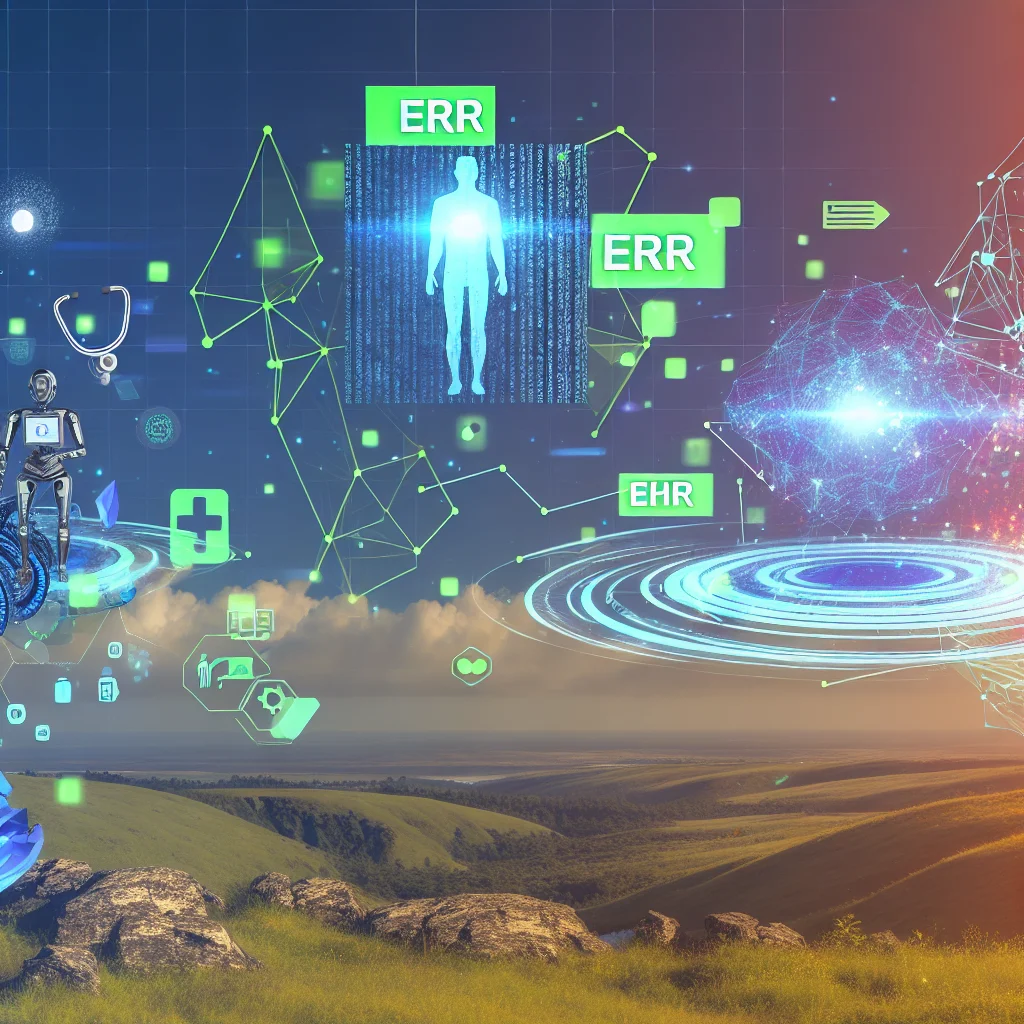
The evolution of Electronic Health Records (EHR) has been a transformative force in the healthcare industry, reshaping how medical professionals manage patient information and deliver care. As healthcare systems increasingly integrate technology, the role of EHRs has expanded beyond mere digital record-keeping to become a central component of healthcare delivery. This transformation is driven by the need for more efficient, accurate, and comprehensive patient care, which EHRs facilitate by providing a unified platform for storing and accessing patient data.
Initially, EHRs were designed to replace paper records, offering a more organized and accessible way to store patient information. However, as technology advanced, so did the capabilities of EHR systems. They have evolved to include features such as real-time data sharing, decision support tools, and interoperability with other healthcare technologies. This evolution has been crucial in enhancing the quality of care, as it allows healthcare providers to access a patient’s complete medical history at the point of care, leading to more informed decision-making and improved patient outcomes.
Moreover, the integration of EHRs with other healthcare technologies, such as telemedicine and mobile health applications, has further expanded their utility. This integration enables seamless communication between different healthcare providers and facilitates coordinated care, which is particularly beneficial for patients with chronic conditions requiring multidisciplinary management. By providing a comprehensive view of a patient’s health status, EHRs help ensure that all healthcare providers involved in a patient’s care are on the same page, reducing the risk of errors and improving the overall quality of care.
In addition to improving patient care, EHRs have also streamlined administrative processes within healthcare systems. By automating tasks such as appointment scheduling, billing, and reporting, EHRs reduce the administrative burden on healthcare staff, allowing them to focus more on patient care. This efficiency not only enhances the patient experience but also contributes to cost savings for healthcare organizations, as it reduces the need for manual data entry and minimizes the risk of errors associated with paper records.
Furthermore, the data collected through EHRs is invaluable for research and public health initiatives. By analyzing aggregated data from EHRs, researchers can identify trends and patterns in disease prevalence, treatment outcomes, and healthcare utilization. This information is critical for developing evidence-based guidelines and policies that improve public health. Additionally, during public health emergencies, such as the COVID-19 pandemic, EHRs have played a vital role in tracking the spread of the virus and managing vaccination efforts.
Despite the numerous benefits of EHRs, their implementation and use are not without challenges. Issues such as data privacy, interoperability, and user-friendliness continue to pose significant hurdles. Ensuring the security of patient data is paramount, as breaches can have severe consequences for both patients and healthcare organizations. Moreover, achieving interoperability between different EHR systems remains a challenge, as it requires standardization and collaboration among various stakeholders. Finally, the complexity of some EHR systems can lead to user frustration and hinder their effective use.
In conclusion, the evolution of EHRs has been instrumental in transforming healthcare systems through technology integration. By enhancing patient care, streamlining administrative processes, and providing valuable data for research, EHRs have become an indispensable tool in modern healthcare. However, addressing the challenges associated with their use is essential to fully realize their potential and ensure that they continue to contribute positively to healthcare delivery. As technology continues to advance, the future of EHRs holds even greater promise for improving healthcare systems worldwide.
Enhancing Clinical Support: The Role of Medical Data in Modern Healthcare Systems
In the rapidly evolving landscape of modern healthcare systems, the integration of healthcare information technology (IT) has become indispensable. Among the myriad of advancements, the role of medical data in enhancing clinical support stands out as a pivotal element. As healthcare providers strive to deliver more efficient and effective care, the utilization of medical data has emerged as a cornerstone in achieving these objectives. This transformation is not merely a technological shift but a fundamental change in how healthcare is delivered and experienced.
To begin with, the collection and analysis of medical data have revolutionized the way healthcare professionals make clinical decisions. By leveraging electronic health records (EHRs), clinicians can access comprehensive patient histories, laboratory results, and diagnostic images with unprecedented ease. This accessibility ensures that healthcare providers have a holistic view of a patient’s health, enabling them to make informed decisions swiftly. Moreover, the integration of data analytics tools allows for the identification of patterns and trends that may not be immediately apparent, thus facilitating early diagnosis and intervention.
Furthermore, medical data plays a crucial role in personalized medicine, a burgeoning field that tailors treatment plans to individual patients based on their unique genetic makeup and health history. By analyzing vast datasets, healthcare providers can identify which treatments are most likely to be effective for specific patient populations. This not only enhances the efficacy of treatments but also minimizes the risk of adverse reactions, thereby improving patient outcomes. As a result, personalized medicine represents a significant leap forward in the quest for more precise and targeted healthcare.
In addition to improving individual patient care, medical data is instrumental in advancing public health initiatives. By aggregating and analyzing data from diverse sources, healthcare systems can identify public health trends and potential outbreaks more rapidly. This capability is particularly crucial in the context of infectious diseases, where timely intervention can prevent widespread transmission. Moreover, data-driven insights can inform policy decisions and resource allocation, ensuring that healthcare systems are better prepared to respond to public health challenges.
The role of medical data extends beyond clinical applications to encompass operational efficiencies within healthcare systems. By analyzing workflow data, healthcare organizations can identify bottlenecks and inefficiencies, leading to streamlined processes and reduced costs. For instance, predictive analytics can forecast patient admission rates, allowing hospitals to optimize staffing levels and resource allocation. This not only enhances the patient experience by reducing wait times but also contributes to the financial sustainability of healthcare institutions.
Despite the myriad benefits, the integration of medical data into healthcare systems is not without challenges. Concerns regarding data privacy and security are paramount, as the sensitive nature of medical information necessitates robust safeguards. Healthcare organizations must navigate complex regulatory landscapes to ensure compliance while maintaining the trust of patients. Additionally, the sheer volume of data generated poses challenges in terms of storage, management, and analysis. However, advancements in cloud computing and artificial intelligence offer promising solutions to these challenges, enabling healthcare systems to harness the full potential of medical data.
In conclusion, the role of medical data in modern healthcare systems is multifaceted and transformative. By enhancing clinical support, personalizing patient care, advancing public health, and improving operational efficiencies, medical data is reshaping the healthcare landscape. As technology continues to evolve, the integration of medical data will undoubtedly play an increasingly central role in the delivery of high-quality, patient-centered care.
Navigating HIPAA Compliance: Best Practices for Healthcare IT Systems

Navigating the complex landscape of HIPAA compliance is a critical task for healthcare IT systems, as it ensures the protection of patient information and maintains the trust of patients and stakeholders. The Health Insurance Portability and Accountability Act (HIPAA) sets the standard for protecting sensitive patient data, and healthcare organizations must implement robust strategies to comply with its regulations. Understanding the intricacies of HIPAA is essential for healthcare IT professionals, as non-compliance can result in significant penalties and damage to an organization’s reputation.
To begin with, one of the fundamental aspects of HIPAA compliance is ensuring the confidentiality, integrity, and availability of electronic protected health information (ePHI). This requires healthcare IT systems to implement comprehensive security measures, including encryption, access controls, and audit controls. Encryption is particularly vital as it protects ePHI from unauthorized access, both in transit and at rest. By encrypting data, healthcare organizations can significantly reduce the risk of data breaches, which are a primary concern under HIPAA regulations.
In addition to encryption, access controls play a crucial role in safeguarding ePHI. Healthcare IT systems must ensure that only authorized personnel have access to sensitive information. This can be achieved through role-based access controls, which limit access based on an individual’s job responsibilities. Furthermore, implementing multi-factor authentication adds an additional layer of security, making it more difficult for unauthorized users to gain access to ePHI.
Audit controls are another essential component of HIPAA compliance. These controls involve tracking and monitoring access to ePHI, allowing healthcare organizations to detect and respond to potential security incidents promptly. By maintaining detailed logs of who accessed what information and when, organizations can identify suspicious activities and take corrective actions to prevent data breaches.
Moreover, regular risk assessments are a critical practice for maintaining HIPAA compliance. These assessments help healthcare organizations identify potential vulnerabilities in their IT systems and develop strategies to mitigate them. By conducting thorough risk assessments, organizations can prioritize their security efforts and allocate resources effectively to address the most significant risks.
Training and education are also vital elements in ensuring HIPAA compliance. Healthcare IT professionals, as well as all employees who handle ePHI, must be adequately trained on HIPAA regulations and the organization’s specific policies and procedures. Regular training sessions help reinforce the importance of data protection and keep staff informed about the latest security practices and potential threats.
Furthermore, developing and maintaining comprehensive policies and procedures is essential for guiding employees in handling ePHI appropriately. These documents should outline the organization’s approach to data protection, including guidelines for data access, storage, and sharing. By having clear policies in place, healthcare organizations can ensure consistent practices across the board and reduce the risk of non-compliance.
In conclusion, navigating HIPAA compliance is a multifaceted challenge that requires a proactive and comprehensive approach. By implementing robust security measures, conducting regular risk assessments, and fostering a culture of compliance through training and clear policies, healthcare IT systems can effectively protect patient information and maintain compliance with HIPAA regulations. As the healthcare industry continues to evolve, staying informed about the latest developments in data protection and compliance will be crucial for healthcare organizations to safeguard their patients’ trust and their own reputations.
Health IT Trends: Innovations Shaping the Future of Healthcare Systems
In recent years, the healthcare industry has witnessed a transformative shift driven by the integration of information technology. This evolution is not merely a trend but a fundamental change in how healthcare systems operate, offering promising innovations that are reshaping the future of healthcare delivery. As we delve into the realm of health IT trends, it becomes evident that these technological advancements are not only enhancing patient care but also streamlining operations and improving overall healthcare outcomes.
One of the most significant innovations in healthcare IT is the adoption of electronic health records (EHRs). EHRs have revolutionized the way patient information is stored, accessed, and shared among healthcare providers. By digitizing patient records, healthcare systems have improved the accuracy and efficiency of patient data management. This transition from paper-based records to digital platforms has facilitated better coordination among healthcare professionals, leading to more informed decision-making and ultimately, improved patient care. Moreover, EHRs have empowered patients by providing them with easier access to their health information, fostering a more collaborative approach to healthcare management.
In addition to EHRs, telemedicine has emerged as a pivotal component of modern healthcare systems. The advent of telemedicine has broken down geographical barriers, enabling patients to access medical consultations and services remotely. This innovation has proven particularly beneficial in rural and underserved areas, where access to healthcare facilities may be limited. Telemedicine not only enhances accessibility but also reduces the burden on healthcare facilities by minimizing the need for in-person visits. As a result, healthcare systems can allocate resources more efficiently, ensuring that patients receive timely and appropriate care.
Furthermore, the integration of artificial intelligence (AI) into healthcare systems is another trend that is gaining momentum. AI technologies are being utilized to analyze vast amounts of data, providing valuable insights that can aid in diagnosis, treatment planning, and disease prevention. Machine learning algorithms, for instance, can identify patterns in patient data that may not be immediately apparent to human clinicians, thereby enhancing diagnostic accuracy. Additionally, AI-driven tools are being developed to assist in personalized medicine, tailoring treatments to individual patients based on their unique genetic makeup and health history. This level of precision in healthcare delivery holds the potential to significantly improve patient outcomes and reduce the incidence of adverse reactions to treatments.
Moreover, the rise of wearable health technologies is contributing to the transformation of healthcare systems. Devices such as smartwatches and fitness trackers are enabling individuals to monitor their health metrics in real-time, promoting proactive health management. These wearables can track vital signs, physical activity, and even sleep patterns, providing users with valuable insights into their health status. For healthcare providers, the data collected from these devices can offer a more comprehensive view of a patient’s health, facilitating early intervention and preventive care.
As healthcare systems continue to evolve, cybersecurity remains a critical concern. The increasing reliance on digital platforms and the exchange of sensitive patient information necessitate robust security measures to protect against data breaches and cyber threats. Healthcare organizations are investing in advanced cybersecurity solutions to safeguard patient data and maintain the integrity of their systems. This focus on security is essential to building trust among patients and ensuring the continued success of health IT innovations.
In conclusion, the integration of information technology into healthcare systems is driving a wave of innovations that are shaping the future of healthcare delivery. From electronic health records and telemedicine to artificial intelligence and wearable technologies, these advancements are enhancing patient care, improving operational efficiency, and fostering a more personalized approach to medicine. As these trends continue to evolve, healthcare systems must remain vigilant in addressing challenges such as cybersecurity to fully realize the potential of health IT in transforming healthcare for the better.
Seamless Tech Integration: Bridging Gaps in Healthcare Systems
In the rapidly evolving landscape of healthcare, the integration of technology into healthcare systems has become a pivotal factor in enhancing patient care and operational efficiency. As healthcare providers strive to deliver high-quality services, the seamless integration of technology into existing systems is essential to bridge gaps and create a more cohesive healthcare environment. This integration not only improves patient outcomes but also optimizes the workflow for healthcare professionals, thereby addressing some of the most pressing challenges faced by the industry today.
To begin with, the integration of electronic health records (EHRs) has revolutionized the way patient information is managed and accessed. EHRs provide a centralized platform where patient data can be stored, updated, and retrieved in real-time, ensuring that healthcare providers have access to accurate and up-to-date information. This accessibility is crucial in making informed decisions, particularly in emergency situations where time is of the essence. Moreover, EHRs facilitate better communication among healthcare professionals, as they can easily share patient information across different departments and even with other healthcare facilities. This interconnectedness reduces the likelihood of errors and redundancies, ultimately leading to improved patient care.
Furthermore, the integration of telemedicine into healthcare systems has expanded access to medical services, particularly for individuals in remote or underserved areas. Telemedicine allows patients to consult with healthcare providers via video calls, phone calls, or online messaging, eliminating the need for physical travel. This not only saves time and resources but also ensures that patients receive timely medical attention. Additionally, telemedicine has proven to be invaluable during public health crises, such as the COVID-19 pandemic, where minimizing physical contact was crucial. By leveraging technology, healthcare systems can extend their reach and provide care to a broader population, thereby bridging geographical and logistical gaps.
In addition to EHRs and telemedicine, the integration of artificial intelligence (AI) and machine learning into healthcare systems is transforming the way medical data is analyzed and utilized. AI algorithms can process vast amounts of data quickly and accurately, identifying patterns and trends that may not be immediately apparent to human analysts. This capability is particularly beneficial in diagnostics, where AI can assist in identifying diseases at an early stage, leading to more effective treatment plans. Moreover, AI-driven predictive analytics can help healthcare providers anticipate patient needs and allocate resources more efficiently, ultimately enhancing the overall quality of care.
Despite the numerous benefits of technology integration, it is important to acknowledge the challenges that come with it. One of the primary concerns is data security, as the digitization of patient information increases the risk of cyberattacks and data breaches. Healthcare systems must implement robust security measures to protect sensitive information and maintain patient trust. Additionally, the integration process itself can be complex and resource-intensive, requiring significant investment in infrastructure and training. However, with careful planning and collaboration among stakeholders, these challenges can be effectively addressed.
In conclusion, the seamless integration of technology into healthcare systems is a critical step towards bridging gaps and enhancing the delivery of medical services. By embracing innovations such as EHRs, telemedicine, and AI, healthcare providers can improve patient outcomes, streamline operations, and extend their reach to underserved populations. While challenges exist, the potential benefits far outweigh the drawbacks, making technology integration an indispensable component of modern healthcare systems. As the industry continues to evolve, ongoing efforts to integrate technology will play a crucial role in shaping the future of healthcare.
Unlock the future of healthcare with our comprehensive Healthcare IT Insights on 13 innovative healthcare systems. Discover how technology is transforming patient care and operational efficiency. Explore now.