Understanding Ransomware Recovery: Essential Steps for Modern IT Strategies
Ransomware has emerged as a formidable threat in the digital landscape, compelling organizations to reassess their IT strategies and fortify their defenses. As cybercriminals become increasingly sophisticated, understanding ransomware recovery becomes paramount for modern IT strategies. The process of ransomware recovery is not merely about restoring data but involves a comprehensive approach that integrates prevention, preparedness, and response.
To begin with, the cornerstone of effective ransomware recovery lies in robust data backup solutions. Regularly updated backups ensure that organizations can restore their systems to a pre-attack state, minimizing data loss and operational disruption. However, it is crucial that these backups are stored securely, preferably offline or in a cloud environment with stringent access controls, to prevent them from being compromised during an attack. Moreover, testing these backups periodically is essential to ensure their integrity and reliability when needed.
In addition to backups, implementing a well-defined incident response plan is vital. This plan should outline the steps to be taken immediately following a ransomware attack, including isolating affected systems to prevent further spread, notifying relevant stakeholders, and engaging with cybersecurity experts. A swift and coordinated response can significantly mitigate the impact of an attack, reducing downtime and financial losses. Furthermore, regular training and simulations for IT staff and employees can enhance their readiness to respond effectively to ransomware incidents.
Transitioning from preparation to prevention, modern IT strategies must incorporate advanced security measures to thwart ransomware attacks. Endpoint protection solutions, such as antivirus software and firewalls, are fundamental components of a multi-layered defense strategy. However, these should be complemented by more sophisticated technologies like intrusion detection systems and behavioral analytics, which can identify and neutralize threats before they infiltrate the network. Additionally, keeping all software and systems updated with the latest security patches is a critical preventive measure, as cybercriminals often exploit known vulnerabilities.
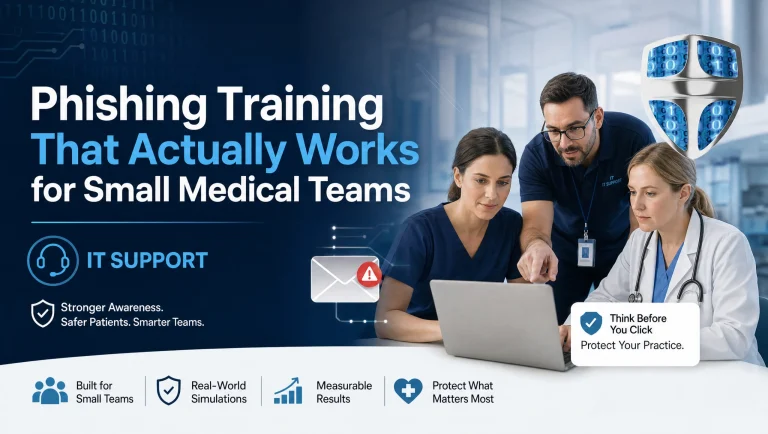
Moreover, fostering a culture of cybersecurity awareness within the organization is indispensable. Employees are often the first line of defense against ransomware attacks, as phishing emails remain a common vector for malware delivery. Regular training sessions that educate staff about recognizing suspicious emails and practicing safe online behavior can significantly reduce the risk of a successful attack. Encouraging a proactive approach to cybersecurity, where employees feel empowered to report potential threats, further strengthens the organization’s resilience.
In the unfortunate event that a ransomware attack succeeds, organizations must carefully consider their options. While paying the ransom may seem like a quick solution, it is fraught with risks, including the possibility of not receiving the decryption key or being targeted again in the future. Engaging with law enforcement and cybersecurity experts can provide valuable guidance on the best course of action. Additionally, publicizing the attack transparently can help manage reputational damage and reassure stakeholders that the organization is taking appropriate steps to address the situation.
In conclusion, understanding ransomware recovery is an essential component of modern IT strategies. By integrating robust backup solutions, comprehensive incident response plans, advanced security measures, and a culture of cybersecurity awareness, organizations can enhance their resilience against ransomware threats. As the digital landscape continues to evolve, staying informed and adaptable is crucial for safeguarding valuable data and maintaining operational continuity in the face of cyber adversities.
The Role of Security Patches in Ransomware Defense and Recovery
In the ever-evolving landscape of cybersecurity threats, ransomware has emerged as a formidable adversary, posing significant challenges to organizations worldwide. As businesses increasingly rely on digital infrastructure, the threat of ransomware attacks has grown exponentially, necessitating robust defense mechanisms and recovery strategies. One critical component in the arsenal against ransomware is the implementation of security patches. These patches play a pivotal role in both defending against potential attacks and facilitating recovery efforts in the aftermath of a breach.
Security patches are essentially updates provided by software vendors to address vulnerabilities within their products. These vulnerabilities, if left unaddressed, can serve as entry points for cybercriminals seeking to deploy ransomware. By regularly applying security patches, organizations can significantly reduce the attack surface available to malicious actors. This proactive approach is crucial, as it helps to close security gaps that could otherwise be exploited to gain unauthorized access to systems and data.
Moreover, the timely application of security patches is essential in maintaining the integrity of an organization’s IT infrastructure. In many cases, ransomware attacks exploit known vulnerabilities for which patches have already been released. Therefore, organizations that delay or neglect the implementation of these updates inadvertently increase their susceptibility to attacks. By prioritizing the deployment of security patches, businesses can fortify their defenses and mitigate the risk of ransomware infiltrations.
In addition to their preventive role, security patches are instrumental in the recovery process following a ransomware attack. Once an organization has been compromised, restoring systems to their pre-attack state is a complex and often arduous task. Security patches can aid in this recovery by ensuring that any vulnerabilities exploited during the attack are addressed, thereby preventing further exploitation. This is particularly important in scenarios where attackers may attempt to re-infect systems or leverage the same vulnerabilities to launch additional attacks.
Furthermore, the application of security patches is a critical component of a comprehensive incident response plan. In the wake of a ransomware attack, organizations must act swiftly to contain the breach and prevent its spread. By having a robust patch management strategy in place, businesses can quickly address vulnerabilities and reduce the likelihood of further damage. This not only aids in the immediate recovery efforts but also strengthens the organization’s overall resilience against future threats.
It is important to note that while security patches are a vital element of ransomware defense and recovery, they are not a panacea. Organizations must adopt a multi-layered approach to cybersecurity, incorporating a range of strategies and technologies to protect their digital assets. This includes regular data backups, employee training, and the implementation of advanced threat detection systems. By integrating security patches into a broader cybersecurity framework, businesses can enhance their ability to defend against ransomware and recover more effectively in the event of an attack.
In conclusion, the role of security patches in ransomware defense and recovery cannot be overstated. These updates are a fundamental component of any robust cybersecurity strategy, providing essential protection against known vulnerabilities and aiding in the recovery process following an attack. As the threat landscape continues to evolve, organizations must remain vigilant in their patch management efforts, ensuring that they are well-equipped to defend against the ever-present danger of ransomware.
Effective Incident Response: Preparing for and Recovering from Ransomware Attacks
In the ever-evolving landscape of cybersecurity threats, ransomware attacks have emerged as a formidable challenge for organizations worldwide. These malicious attacks, which encrypt critical data and demand a ransom for its release, can cripple operations and inflict significant financial and reputational damage. Consequently, effective incident response strategies are paramount in preparing for and recovering from such attacks. By understanding the intricacies of ransomware and implementing modern IT strategies, organizations can bolster their defenses and enhance their resilience.
To begin with, preparation is the cornerstone of an effective incident response plan. Organizations must adopt a proactive approach by conducting comprehensive risk assessments to identify vulnerabilities within their IT infrastructure. This involves evaluating both hardware and software components, as well as assessing the human element, which often serves as the weakest link in cybersecurity. By identifying potential entry points for ransomware, organizations can prioritize their efforts in fortifying these areas.
Moreover, employee training plays a crucial role in ransomware preparedness. Educating staff about the tactics employed by cybercriminals, such as phishing emails and malicious attachments, can significantly reduce the likelihood of a successful attack. Regular training sessions and simulated phishing exercises can help employees recognize and report suspicious activities, thereby acting as an additional layer of defense.
In addition to preparation, having a well-defined incident response plan is essential for minimizing the impact of a ransomware attack. This plan should outline the roles and responsibilities of key personnel, establish communication protocols, and detail the steps to be taken in the event of an attack. By having a clear roadmap, organizations can respond swiftly and effectively, reducing downtime and mitigating potential damage.
Furthermore, modern IT strategies, such as network segmentation and the implementation of robust backup solutions, are critical components of an effective incident response plan. Network segmentation involves dividing an organization’s network into smaller, isolated segments, thereby limiting the spread of ransomware should an attack occur. This approach not only contains the threat but also allows for more targeted and efficient remediation efforts.
Equally important is the implementation of a comprehensive backup strategy. Regularly backing up critical data and ensuring that these backups are stored securely and offline can significantly expedite the recovery process. In the event of a ransomware attack, organizations can restore their systems to a pre-attack state, minimizing data loss and reducing the need to pay a ransom.
Transitioning from preparation to recovery, it is crucial for organizations to conduct thorough post-incident analyses. This involves reviewing the attack vector, assessing the effectiveness of the response, and identifying areas for improvement. By learning from each incident, organizations can refine their strategies and enhance their resilience against future attacks.
In conclusion, the threat of ransomware is a persistent and evolving challenge that requires a multifaceted approach to incident response. By prioritizing preparation, implementing modern IT strategies, and conducting post-incident analyses, organizations can effectively prepare for and recover from ransomware attacks. As cybercriminals continue to develop more sophisticated tactics, it is imperative for organizations to remain vigilant and adaptive, ensuring that their defenses are robust and their response strategies are well-defined. Through these efforts, organizations can safeguard their operations and maintain the trust of their stakeholders in an increasingly digital world.
Phishing Defense Tactics: Strengthening Your IT Strategy Against Ransomware
In the ever-evolving landscape of cybersecurity threats, ransomware has emerged as a formidable adversary, with phishing attacks serving as a primary vector for its deployment. As organizations strive to fortify their defenses, understanding and implementing effective phishing defense tactics becomes paramount. These tactics not only bolster an organization’s IT strategy but also significantly mitigate the risk of ransomware infiltration.
To begin with, it is essential to recognize that phishing attacks often exploit human vulnerabilities rather than technical weaknesses. Consequently, cultivating a culture of cybersecurity awareness within an organization is a critical first step. Regular training sessions and workshops can equip employees with the knowledge to identify and report suspicious emails. By fostering an environment where employees feel empowered to question and verify unexpected communications, organizations can significantly reduce the likelihood of successful phishing attempts.
In addition to education, implementing robust email filtering systems is a crucial component of a comprehensive phishing defense strategy. Advanced email filters can detect and quarantine potentially harmful messages before they reach the end-user. These systems utilize machine learning algorithms to analyze email content, sender reputation, and other indicators of phishing attempts. By continuously updating these filters to adapt to emerging threats, organizations can stay one step ahead of cybercriminals.
Moreover, multi-factor authentication (MFA) serves as an additional layer of security that can thwart unauthorized access, even if login credentials are compromised through phishing. By requiring users to provide two or more verification factors, such as a password and a temporary code sent to a mobile device, MFA significantly reduces the risk of unauthorized access to sensitive systems and data. This approach not only protects against phishing but also enhances overall cybersecurity resilience.
Furthermore, organizations should consider implementing a zero-trust architecture, which operates on the principle of “never trust, always verify.” This model assumes that threats could exist both inside and outside the network, and therefore, it requires continuous verification of user identities and device integrity. By segmenting networks and restricting access based on the principle of least privilege, zero-trust architecture minimizes the potential impact of a successful phishing attack.
In parallel, regular security assessments and penetration testing can help identify vulnerabilities within an organization’s IT infrastructure. By simulating phishing attacks and other cyber threats, these assessments provide valuable insights into potential weaknesses and areas for improvement. Armed with this information, organizations can proactively address vulnerabilities before they are exploited by malicious actors.
Additionally, maintaining up-to-date software and systems is a fundamental aspect of phishing defense. Cybercriminals often exploit known vulnerabilities in outdated software to launch attacks. By ensuring that all systems are regularly updated with the latest security patches, organizations can close potential entry points for ransomware and other malware.
Finally, developing a comprehensive incident response plan is essential for minimizing the impact of a successful phishing attack. This plan should outline clear procedures for identifying, containing, and mitigating threats, as well as protocols for communication and recovery. By rehearsing these procedures through regular drills, organizations can ensure a swift and effective response to any security incident.
In conclusion, strengthening an organization’s IT strategy against ransomware requires a multifaceted approach to phishing defense. By prioritizing employee education, implementing advanced security technologies, and adopting proactive security measures, organizations can significantly reduce their vulnerability to phishing attacks and, by extension, ransomware. As cyber threats continue to evolve, maintaining vigilance and adaptability will be key to safeguarding valuable assets and ensuring business continuity.
Advanced Malware Detection: A Key Component in Ransomware Recovery Plans
In the ever-evolving landscape of cybersecurity, ransomware has emerged as a formidable threat, necessitating robust recovery plans and modern IT strategies. Central to these strategies is the implementation of advanced malware detection systems, which play a crucial role in identifying and mitigating ransomware attacks before they can inflict significant damage. As organizations increasingly rely on digital infrastructures, the sophistication of ransomware attacks has grown, making it imperative for businesses to adopt proactive measures to safeguard their data and operations.
Advanced malware detection serves as the first line of defense in a comprehensive ransomware recovery plan. By employing cutting-edge technologies such as machine learning and artificial intelligence, these systems can analyze vast amounts of data to identify anomalies and potential threats. This proactive approach allows organizations to detect ransomware attacks in their nascent stages, thereby minimizing the potential impact on critical systems. Moreover, the integration of behavioral analysis into malware detection tools enables the identification of suspicious activities that may indicate the presence of ransomware, even if the specific strain is previously unknown.
Transitioning from detection to response, the speed at which an organization can react to a ransomware threat is paramount. Advanced malware detection systems not only identify threats but also facilitate rapid response by providing detailed insights into the nature and scope of the attack. This information is crucial for IT teams to implement containment measures swiftly, preventing the spread of ransomware across the network. Furthermore, these systems often include automated response capabilities, which can isolate affected systems and initiate recovery protocols without human intervention, thereby reducing response times and limiting potential damage.
In addition to detection and response, advanced malware detection systems contribute significantly to the recovery phase of a ransomware attack. By maintaining detailed logs and records of detected threats, these systems provide valuable data that can be used to understand the attack vector and improve future defenses. This information is instrumental in refining an organization’s cybersecurity posture, ensuring that lessons learned from past incidents are incorporated into ongoing security strategies. Moreover, the insights gained from advanced malware detection can inform the development of more resilient backup and recovery solutions, which are essential components of any effective ransomware recovery plan.
As organizations strive to enhance their ransomware recovery capabilities, the integration of advanced malware detection into their IT strategies is becoming increasingly critical. This integration not only strengthens an organization’s ability to detect and respond to threats but also supports the development of a more resilient and adaptive cybersecurity framework. By leveraging the power of advanced technologies, businesses can stay ahead of emerging threats and ensure the continuity of their operations in the face of ransomware attacks.
In conclusion, advanced malware detection is a key component in modern ransomware recovery plans, providing organizations with the tools they need to detect, respond to, and recover from ransomware attacks effectively. As the threat landscape continues to evolve, the importance of these systems will only grow, underscoring the need for businesses to invest in cutting-edge technologies and strategies. By doing so, organizations can not only protect their valuable assets but also maintain the trust of their stakeholders, ensuring long-term success in an increasingly digital world.
Unlock the secrets to safeguarding your business with “Ransomware Insights: Ransomware Recovery and Modern IT Strategies.” Discover cutting-edge techniques and strategies to protect your data and ensure swift recovery. Don’t wait until it’s too late—[learn more now](https://comptss.com).