Ransomware Recovery: Essential Steps for Effective Disaster Planning
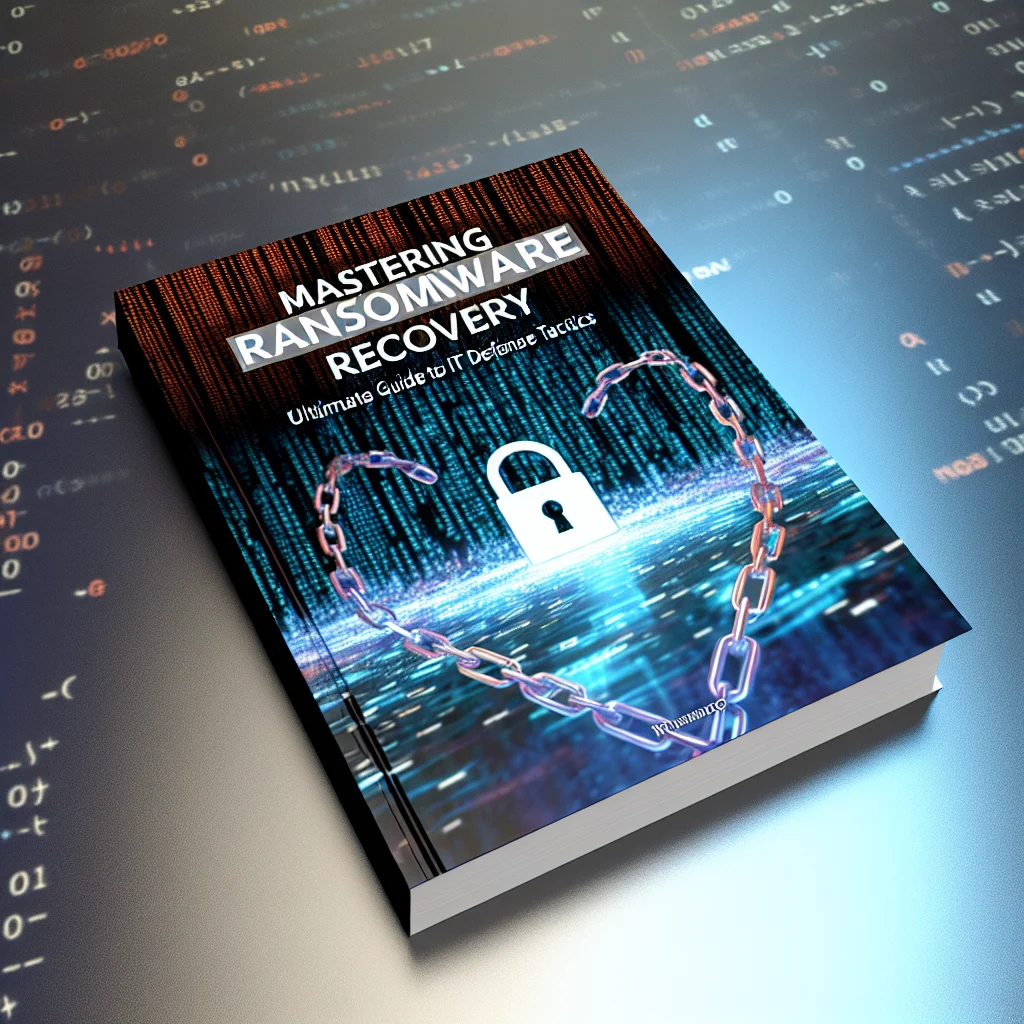
Ransomware attacks have become a prevalent threat in the digital landscape, posing significant risks to organizations of all sizes. As these malicious attacks continue to evolve in complexity and frequency, it is imperative for businesses to develop robust disaster recovery plans to mitigate potential damages. Effective ransomware recovery is not merely about responding to an attack but involves a comprehensive strategy that encompasses preparation, response, and post-incident analysis.
To begin with, preparation is the cornerstone of any successful ransomware recovery plan. Organizations must prioritize the implementation of preventive measures to reduce the likelihood of an attack. This includes regular data backups, which should be stored securely and tested frequently to ensure their integrity. By maintaining up-to-date backups, businesses can restore their systems to a pre-attack state, minimizing data loss and operational downtime. Additionally, employee training is crucial in preventing ransomware attacks. Educating staff about recognizing phishing attempts and other common attack vectors can significantly reduce the risk of inadvertently allowing ransomware into the network.
In the unfortunate event of a ransomware attack, a swift and coordinated response is essential. The first step is to isolate the affected systems to prevent the malware from spreading further. This containment strategy helps protect unaffected parts of the network and limits the overall impact of the attack. Once containment is achieved, it is vital to assess the extent of the damage. This involves identifying the type of ransomware used, the systems affected, and the data compromised. Engaging with cybersecurity experts at this stage can provide valuable insights and guidance on the most effective recovery strategies.
Communication plays a pivotal role during the response phase. It is important to inform all relevant stakeholders, including employees, customers, and partners, about the incident and the steps being taken to address it. Transparency in communication helps maintain trust and can mitigate reputational damage. Moreover, organizations should consider involving law enforcement agencies, as they can offer assistance and may have valuable information about the ransomware variant involved.
Once the immediate threat is neutralized, the focus shifts to recovery and restoration. This involves using the previously secured backups to restore systems and data. It is crucial to ensure that the restored systems are free from any remnants of the ransomware to prevent reinfection. During this phase, organizations should also take the opportunity to strengthen their cybersecurity posture by addressing any vulnerabilities that may have been exploited during the attack.
Finally, post-incident analysis is a critical component of ransomware recovery. Conducting a thorough review of the attack can provide valuable lessons and insights that can be used to enhance future preparedness. This analysis should include an evaluation of the response efforts, identification of any gaps in the existing disaster recovery plan, and recommendations for improvements. By learning from the incident, organizations can bolster their defenses and reduce the likelihood of future attacks.
In conclusion, effective ransomware recovery requires a proactive and comprehensive approach that encompasses preparation, response, and post-incident analysis. By implementing robust preventive measures, responding swiftly and effectively to incidents, and continuously improving their strategies, organizations can mitigate the impact of ransomware attacks and safeguard their operations in an increasingly digital world.
Phishing Defense Strategies: Protecting Your Organization from Ransomware Attacks
In the ever-evolving landscape of cybersecurity threats, ransomware has emerged as a formidable adversary, posing significant risks to organizations worldwide. As these malicious attacks become increasingly sophisticated, it is imperative for businesses to adopt robust phishing defense strategies to safeguard their digital assets. Phishing, a common precursor to ransomware attacks, involves deceptive tactics to trick individuals into divulging sensitive information or downloading malicious software. Consequently, understanding and implementing effective phishing defense strategies is crucial in protecting organizations from the devastating impact of ransomware.
To begin with, employee education and awareness are fundamental components of a successful phishing defense strategy. Organizations must prioritize regular training sessions to educate employees about the various forms of phishing attacks and the telltale signs of suspicious emails or messages. By fostering a culture of vigilance, employees become the first line of defense, capable of identifying and reporting potential threats before they escalate. Moreover, simulated phishing exercises can be employed to test employees’ ability to recognize and respond to phishing attempts, thereby reinforcing their training and enhancing their preparedness.
In addition to employee education, deploying advanced email filtering solutions is essential in mitigating phishing risks. These solutions utilize machine learning algorithms and threat intelligence to identify and block phishing emails before they reach employees’ inboxes. By analyzing email headers, content, and sender reputation, these filters can effectively reduce the likelihood of phishing emails slipping through the cracks. Furthermore, implementing multi-factor authentication (MFA) adds an additional layer of security, ensuring that even if credentials are compromised, unauthorized access is thwarted.
Transitioning from preventive measures to incident response, organizations must establish a comprehensive incident response plan to swiftly address phishing attacks that manage to bypass initial defenses. This plan should outline clear procedures for identifying, containing, and mitigating the impact of a phishing attack. Rapid response is critical in minimizing damage and preventing the lateral movement of ransomware within the network. Regularly updating and testing the incident response plan ensures that it remains effective and aligned with the latest threat landscape.
Moreover, leveraging threat intelligence and collaboration with industry peers can significantly enhance an organization’s ability to defend against phishing attacks. By sharing information about emerging threats and attack vectors, organizations can stay ahead of cybercriminals and adapt their defense strategies accordingly. Participating in threat intelligence sharing platforms and industry forums fosters a collective defense approach, where organizations can learn from each other’s experiences and strengthen their overall security posture.
Furthermore, organizations should consider investing in advanced endpoint protection solutions that can detect and respond to suspicious activities on devices. These solutions employ behavioral analysis and anomaly detection to identify potential threats, providing an additional layer of defense against phishing-induced ransomware attacks. By continuously monitoring endpoints for unusual behavior, organizations can swiftly isolate compromised devices and prevent the spread of ransomware.
In conclusion, as ransomware attacks continue to pose a significant threat to organizations, implementing robust phishing defense strategies is paramount. By prioritizing employee education, deploying advanced email filtering solutions, establishing a comprehensive incident response plan, leveraging threat intelligence, and investing in endpoint protection, organizations can significantly reduce their vulnerability to phishing attacks. In this dynamic threat landscape, a proactive and multi-layered approach to cybersecurity is essential in safeguarding digital assets and ensuring business continuity.
The Role of Security Patches in Modern IT Strategies for Ransomware Prevention

In the ever-evolving landscape of cybersecurity, ransomware has emerged as a formidable threat, compelling organizations to reassess their IT strategies. As businesses increasingly rely on digital infrastructures, the importance of robust cybersecurity measures cannot be overstated. Among these measures, the role of security patches has become pivotal in modern IT strategies aimed at ransomware prevention. Security patches, essentially updates provided by software vendors, are designed to address vulnerabilities within software systems. These vulnerabilities, if left unpatched, can be exploited by cybercriminals to deploy ransomware, leading to potentially devastating consequences for organizations. Therefore, integrating a comprehensive patch management strategy is crucial for mitigating the risk of ransomware attacks.
To understand the significance of security patches, it is essential to recognize the nature of ransomware attacks. Typically, these attacks exploit known vulnerabilities in software systems, which are often documented and publicly disclosed. Cybercriminals are quick to capitalize on these vulnerabilities, developing malicious software that can infiltrate systems and encrypt critical data. Consequently, organizations that fail to apply security patches in a timely manner leave themselves exposed to such threats. By regularly updating their systems with the latest patches, organizations can effectively close these security gaps, thereby reducing the attack surface available to cybercriminals.
Moreover, the implementation of security patches is not merely a reactive measure but a proactive approach to cybersecurity. In the context of modern IT strategies, proactive patch management involves continuous monitoring of software systems to identify vulnerabilities as they arise. This approach enables organizations to stay ahead of potential threats, ensuring that their systems are fortified against the latest ransomware tactics. Additionally, by fostering a culture of vigilance and prompt response, organizations can enhance their overall cybersecurity posture, making it more difficult for cybercriminals to succeed in their endeavors.
However, the process of applying security patches is not without its challenges. Organizations often face difficulties in managing the sheer volume of patches released by various software vendors. This complexity is further compounded by the need to ensure compatibility between patches and existing systems, as well as the potential for disruptions to business operations during the patching process. To address these challenges, organizations must adopt a strategic approach to patch management, prioritizing patches based on the severity of vulnerabilities and the criticality of affected systems. By doing so, they can allocate resources effectively and minimize the risk of operational disruptions.
Furthermore, the integration of automated tools into patch management processes can significantly enhance efficiency and effectiveness. Automation allows for the rapid deployment of patches across multiple systems, reducing the time and effort required for manual updates. This not only accelerates the patching process but also ensures consistency and accuracy, thereby minimizing the likelihood of human error. In addition, automated tools can provide valuable insights into the status of patch deployments, enabling organizations to monitor progress and identify any areas that require further attention.
In conclusion, security patches play a vital role in modern IT strategies for ransomware prevention. By addressing vulnerabilities in software systems, these patches serve as a critical line of defense against ransomware attacks. Through proactive patch management, organizations can enhance their cybersecurity posture, reducing the risk of data breaches and ensuring the continuity of their operations. While challenges exist in the patching process, strategic planning and the integration of automated tools can help organizations overcome these obstacles, ultimately safeguarding their digital assets in an increasingly hostile cyber environment.
Incident Response Best Practices: Navigating the Aftermath of a Ransomware Attack
In the ever-evolving landscape of cybersecurity threats, ransomware attacks have emerged as a formidable challenge for organizations worldwide. As these attacks grow in sophistication and frequency, the importance of having a robust incident response plan cannot be overstated. Navigating the aftermath of a ransomware attack requires a strategic approach that not only mitigates immediate damage but also fortifies the organization against future threats. To this end, understanding and implementing best practices in incident response is crucial.
Initially, it is imperative to recognize the signs of a ransomware attack as early as possible. Early detection can significantly reduce the potential damage. Organizations should invest in advanced monitoring tools and ensure that their IT teams are trained to identify unusual network activity. Once an attack is confirmed, the first step in the response process is containment. Isolating affected systems is critical to prevent the ransomware from spreading further. This may involve disconnecting infected devices from the network and disabling shared drives.
Following containment, the focus should shift to eradication and recovery. It is essential to conduct a thorough investigation to understand the scope of the attack and identify the ransomware variant involved. This information is vital for determining the appropriate decryption tools and recovery methods. During this phase, organizations should also assess the integrity of their backups. Regularly updated and securely stored backups are a lifeline in ransomware recovery, allowing organizations to restore data without succumbing to ransom demands.
Communication plays a pivotal role throughout the incident response process. Internally, clear communication ensures that all stakeholders are informed and aligned on the response strategy. Externally, organizations must carefully manage communications with customers, partners, and regulatory bodies. Transparency is key, but it must be balanced with the need to protect sensitive information and maintain public trust.
In addition to technical recovery efforts, legal and regulatory considerations must be addressed. Organizations should consult with legal counsel to understand their obligations, particularly if sensitive data has been compromised. Reporting the incident to relevant authorities and complying with data protection regulations is not only a legal requirement but also a step towards maintaining accountability and transparency.
Once the immediate crisis is managed, it is crucial to conduct a post-incident review. This involves analyzing the attack to identify vulnerabilities and weaknesses in the organization’s defenses. Lessons learned from this analysis should inform updates to the incident response plan and broader cybersecurity strategy. Continuous improvement is essential, as threat actors are constantly adapting their tactics.
Moreover, fostering a culture of cybersecurity awareness within the organization is vital. Regular training and simulations can prepare employees to recognize phishing attempts and other common attack vectors, reducing the likelihood of successful ransomware infiltration. Additionally, organizations should consider investing in cyber insurance as part of their risk management strategy. While insurance cannot prevent attacks, it can provide financial support in recovery efforts.
In conclusion, navigating the aftermath of a ransomware attack requires a comprehensive and coordinated response. By focusing on early detection, effective containment, and strategic recovery, organizations can mitigate the impact of an attack and strengthen their defenses against future threats. Through continuous learning and adaptation, businesses can not only survive but thrive in the face of evolving cyber threats.
Malware Detection and Crypto Locker: Key Components of a Robust Ransomware Defense Strategy
In the ever-evolving landscape of cybersecurity, ransomware has emerged as a formidable threat, necessitating robust defense strategies to safeguard sensitive data and maintain operational integrity. Central to these strategies are malware detection and crypto locker defenses, which serve as critical components in the fight against ransomware. As organizations increasingly rely on digital infrastructures, understanding and implementing these key elements can significantly enhance their resilience against cyberattacks.
Malware detection is the first line of defense in a comprehensive ransomware strategy. It involves the use of sophisticated software tools designed to identify and neutralize malicious software before it can inflict damage. These tools employ a variety of techniques, including signature-based detection, which compares files against a database of known malware signatures, and behavior-based detection, which monitors the behavior of programs to identify suspicious activities. By leveraging these techniques, organizations can detect and mitigate threats in real-time, thereby preventing ransomware from gaining a foothold in their systems.
In addition to malware detection, the implementation of crypto locker defenses is crucial. Crypto lockers are a type of ransomware that encrypts a victim’s files, rendering them inaccessible until a ransom is paid. To counter this threat, organizations must adopt a multi-layered approach that includes regular data backups, encryption, and access controls. Regular backups ensure that data can be restored without succumbing to ransom demands, while encryption protects sensitive information from unauthorized access. Access controls, on the other hand, limit the ability of ransomware to spread within a network by restricting user permissions and employing the principle of least privilege.
Moreover, the integration of artificial intelligence (AI) and machine learning (ML) into malware detection and crypto locker defenses has revolutionized the way organizations approach ransomware protection. AI and ML algorithms can analyze vast amounts of data to identify patterns and anomalies indicative of ransomware activity. This enables the early detection of threats and allows for a more proactive response. Furthermore, these technologies can adapt to new and emerging threats, providing a dynamic defense mechanism that evolves alongside the threat landscape.
While technology plays a pivotal role in ransomware defense, it is equally important to foster a culture of cybersecurity awareness within an organization. Employees are often the first line of defense against cyber threats, and their actions can significantly impact the effectiveness of a ransomware strategy. Regular training and awareness programs can equip employees with the knowledge to recognize phishing attempts and other common attack vectors, thereby reducing the likelihood of a successful ransomware attack.
In conclusion, the integration of malware detection and crypto locker defenses into a comprehensive ransomware strategy is essential for modern IT environments. By employing advanced technologies such as AI and ML, organizations can enhance their ability to detect and respond to threats in real-time. Additionally, fostering a culture of cybersecurity awareness among employees can further bolster an organization’s defenses. As ransomware continues to evolve, staying informed and adopting a proactive approach to cybersecurity will be key to safeguarding digital assets and ensuring business continuity. Through a combination of technological innovation and human vigilance, organizations can build a robust defense strategy capable of withstanding the challenges posed by ransomware.
Unlock the secrets to safeguarding your business with our comprehensive guide on Ransomware Insights: Ransomware Recovery and Modern IT Strategies. Discover more now!