Understanding Crypto Locker: A Key Component in Ransomware Recovery
Ransomware has emerged as a formidable threat in the digital landscape, with Crypto Locker being one of the most notorious variants. Understanding Crypto Locker is crucial for organizations aiming to bolster their ransomware recovery strategies. This malicious software encrypts files on a victim’s computer, rendering them inaccessible until a ransom is paid. Consequently, it poses significant challenges to businesses, often leading to operational disruptions and financial losses. To effectively counteract such threats, it is essential to delve into the mechanics of Crypto Locker and explore modern IT strategies that facilitate recovery.
Crypto Locker typically infiltrates systems through phishing emails or malicious attachments, exploiting vulnerabilities in software or human error. Once activated, it encrypts files using strong cryptographic algorithms, making decryption without the corresponding key virtually impossible. This encryption process is swift and often goes unnoticed until the victim attempts to access their files. At this point, a ransom note is displayed, demanding payment in cryptocurrency, which is difficult to trace, thereby complicating law enforcement efforts.
In the face of such sophisticated threats, traditional IT security measures are often insufficient. Therefore, modern IT strategies must be employed to enhance ransomware recovery capabilities. One of the most effective strategies is the implementation of robust backup solutions. Regularly backing up data ensures that, even if files are encrypted by ransomware, a clean copy is available for restoration. However, it is crucial that these backups are stored offline or in a secure cloud environment to prevent them from being compromised during an attack.
Moreover, organizations should adopt a multi-layered security approach. This involves deploying advanced threat detection systems that can identify and neutralize ransomware before it executes. Endpoint protection platforms, intrusion detection systems, and network monitoring tools are integral components of this strategy. By continuously monitoring network traffic and user behavior, these tools can detect anomalies indicative of a ransomware attack, allowing for swift intervention.
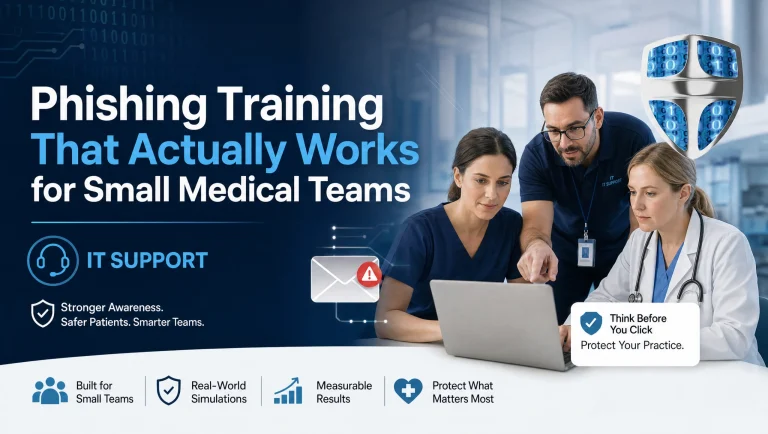
In addition to technological measures, employee training plays a pivotal role in ransomware recovery. Human error is a common entry point for ransomware, making it imperative for organizations to educate their staff on recognizing phishing attempts and practicing safe online behavior. Regular training sessions and simulated phishing exercises can significantly reduce the likelihood of a successful ransomware attack.
Furthermore, developing a comprehensive incident response plan is essential for minimizing the impact of a ransomware attack. This plan should outline the steps to be taken in the event of an attack, including isolating affected systems, notifying relevant stakeholders, and engaging with cybersecurity experts. Having a well-defined response plan ensures that organizations can act swiftly and effectively, reducing downtime and mitigating potential damage.
In conclusion, understanding Crypto Locker and its modus operandi is vital for organizations seeking to enhance their ransomware recovery strategies. By implementing modern IT strategies, such as robust backup solutions, multi-layered security measures, employee training, and comprehensive incident response plans, businesses can significantly improve their resilience against ransomware attacks. As the threat landscape continues to evolve, staying informed and proactive is essential for safeguarding digital assets and ensuring business continuity.
The Role of Security Patches in Modern IT Strategies Against Ransomware
In the ever-evolving landscape of cybersecurity, ransomware has emerged as a formidable threat, challenging organizations to bolster their defenses and refine their recovery strategies. As ransomware attacks become increasingly sophisticated, the role of security patches in modern IT strategies has gained prominence. These patches, often overlooked, are critical components in the defense against ransomware, serving as a first line of defense by addressing vulnerabilities that could be exploited by malicious actors.
Security patches are updates provided by software vendors to fix vulnerabilities in their products. These vulnerabilities, if left unaddressed, can serve as gateways for ransomware attacks. By exploiting these weaknesses, cybercriminals can infiltrate systems, encrypt data, and demand ransom payments. Therefore, timely application of security patches is essential in mitigating the risk of such attacks. Organizations that prioritize patch management are better equipped to protect their systems from known vulnerabilities, thereby reducing the attack surface available to cybercriminals.
Incorporating security patches into a comprehensive IT strategy requires a proactive approach. This involves not only the regular application of patches but also a thorough understanding of the organization’s IT environment. By maintaining an up-to-date inventory of all software and systems, IT teams can ensure that patches are applied promptly and effectively. Moreover, automated patch management solutions can streamline this process, reducing the likelihood of human error and ensuring that critical updates are not overlooked.
However, the implementation of security patches is not without its challenges. Organizations often face difficulties in balancing the need for security with operational continuity. Applying patches can sometimes lead to system downtime or compatibility issues, which can disrupt business operations. To address this, organizations must develop a robust patch management policy that includes testing patches in a controlled environment before deployment. This allows IT teams to identify potential issues and mitigate them before they impact the broader system.
Furthermore, the role of security patches extends beyond mere vulnerability management. They are integral to a broader cybersecurity framework that includes threat detection, incident response, and recovery strategies. By integrating patch management with these elements, organizations can create a more resilient IT infrastructure. For instance, in the event of a ransomware attack, having a well-patched system can limit the spread of the malware, making it easier to contain and eradicate the threat.
In addition to technical measures, fostering a culture of cybersecurity awareness within the organization is crucial. Employees should be educated about the importance of security patches and encouraged to report any anomalies or suspicious activities. This collective vigilance can enhance the overall security posture of the organization, making it more difficult for ransomware attacks to succeed.
In conclusion, security patches play a vital role in modern IT strategies against ransomware. By addressing vulnerabilities and reducing the attack surface, they form a critical component of an organization’s defense mechanism. However, effective patch management requires a proactive and comprehensive approach, integrating technical solutions with organizational policies and employee awareness. As ransomware threats continue to evolve, organizations must remain vigilant and adaptable, ensuring that their IT strategies are robust enough to withstand the challenges of the digital age. Through diligent application of security patches and a commitment to cybersecurity best practices, organizations can better protect themselves against the ever-present threat of ransomware.
Phishing Defense Tactics: Strengthening Your Organization’s Ransomware Resilience
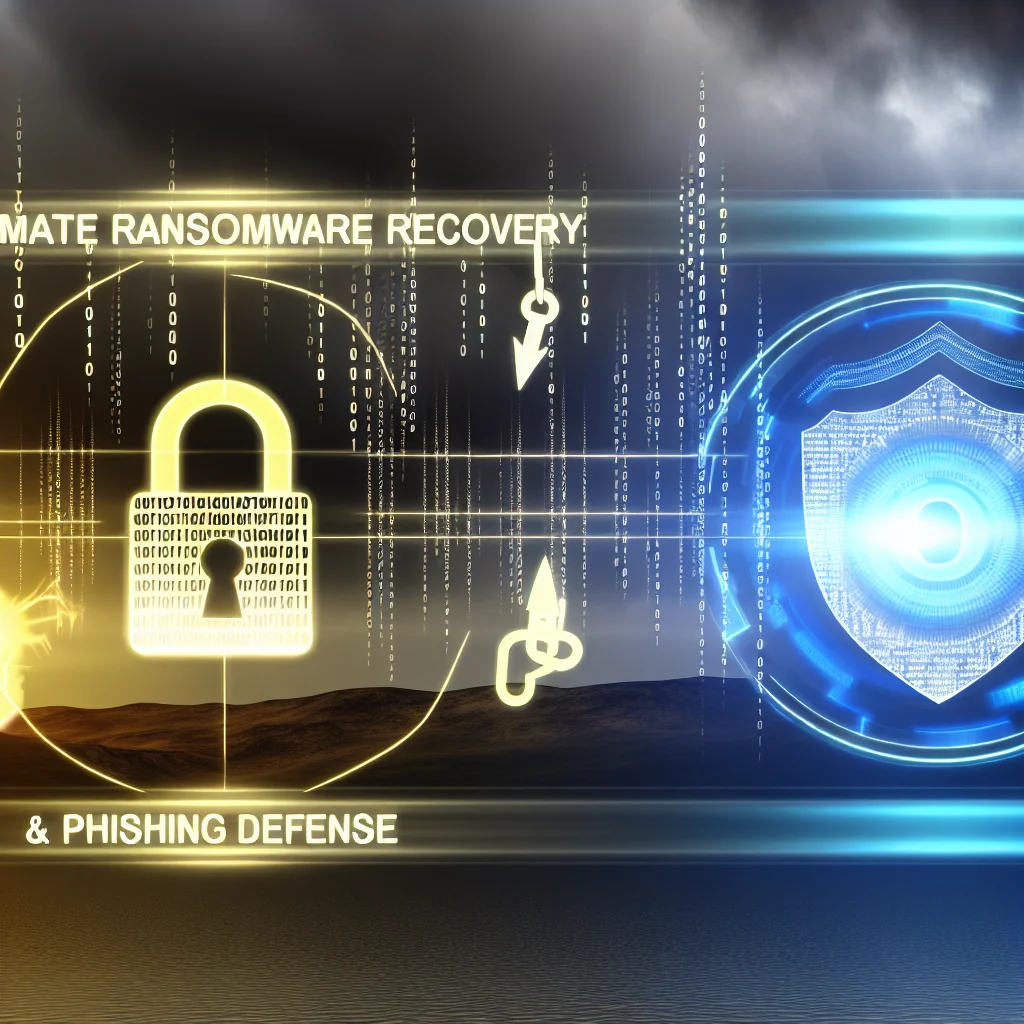
In the ever-evolving landscape of cybersecurity threats, ransomware has emerged as a formidable adversary, with phishing attacks serving as a primary vector for its deployment. As organizations strive to bolster their defenses against such threats, understanding and implementing effective phishing defense tactics becomes paramount. Phishing, a deceptive practice where attackers masquerade as trustworthy entities to steal sensitive information, often serves as the gateway for ransomware attacks. Consequently, strengthening an organization’s resilience against phishing is a critical component of a comprehensive ransomware recovery and IT strategy.
To begin with, employee education and awareness are foundational elements in defending against phishing attacks. Regular training sessions that simulate phishing scenarios can significantly enhance employees’ ability to recognize and report suspicious emails. By fostering a culture of vigilance, organizations can reduce the likelihood of successful phishing attempts. Moreover, incorporating phishing awareness into the onboarding process ensures that new employees are equipped with the necessary knowledge from the outset.
In addition to education, implementing robust email filtering solutions is essential. Advanced email filters can detect and block phishing emails before they reach employees’ inboxes. These solutions often utilize machine learning algorithms to identify patterns and anomalies associated with phishing attempts, thereby providing an additional layer of defense. Furthermore, organizations should consider deploying multi-factor authentication (MFA) across all systems. MFA adds an extra step in the authentication process, making it significantly more challenging for attackers to gain unauthorized access, even if they manage to obtain login credentials through phishing.
Another critical tactic involves the regular updating and patching of software and systems. Cybercriminals frequently exploit vulnerabilities in outdated software to launch phishing attacks. By ensuring that all systems are up-to-date with the latest security patches, organizations can close potential entry points for attackers. Additionally, conducting regular security audits and vulnerability assessments can help identify and address weaknesses in the organization’s defenses.
Moreover, fostering collaboration between IT and other departments can enhance phishing defense efforts. IT teams should work closely with departments such as human resources and communications to develop clear protocols for reporting and responding to phishing attempts. This collaborative approach ensures that all employees are aware of the procedures to follow in the event of a suspected phishing attack, thereby minimizing potential damage.
Furthermore, organizations should consider investing in threat intelligence services. These services provide real-time information on emerging phishing threats and trends, enabling organizations to proactively adjust their defenses. By staying informed about the latest tactics employed by cybercriminals, organizations can better anticipate and mitigate potential attacks.
Finally, it is crucial to develop and regularly update an incident response plan. In the event of a successful phishing attack, having a well-defined response plan can significantly reduce recovery time and minimize damage. This plan should outline the steps to be taken immediately following an attack, including isolating affected systems, notifying relevant stakeholders, and conducting a thorough investigation to understand the scope and impact of the breach.
In conclusion, as ransomware threats continue to evolve, strengthening an organization’s resilience against phishing attacks is more important than ever. By implementing a multi-faceted approach that includes employee education, advanced technological solutions, and strategic collaboration, organizations can significantly enhance their defenses. Through these efforts, they not only protect their assets but also contribute to a more secure digital landscape.
Advanced Malware Detection: Essential for Effective Incident Response
In the ever-evolving landscape of cybersecurity, ransomware has emerged as a formidable threat, necessitating robust strategies for detection and response. As organizations increasingly rely on digital infrastructures, the sophistication of ransomware attacks has grown, making advanced malware detection an essential component of effective incident response. The ability to swiftly identify and mitigate ransomware threats is crucial for minimizing damage and ensuring the continuity of business operations.
To begin with, the complexity of modern ransomware necessitates a multi-layered approach to detection. Traditional signature-based detection methods, while still relevant, are often insufficient against the polymorphic nature of contemporary malware. These traditional methods rely on known patterns to identify threats, but ransomware developers continuously modify their code to evade detection. Consequently, organizations must adopt advanced detection techniques that leverage behavioral analysis and machine learning to identify anomalies indicative of ransomware activity. By analyzing patterns of behavior rather than static signatures, these advanced systems can detect previously unknown threats, providing a critical advantage in the early stages of an attack.
Moreover, the integration of artificial intelligence (AI) into malware detection systems has revolutionized the field. AI-driven solutions can process vast amounts of data in real-time, identifying subtle indicators of compromise that might be overlooked by human analysts. This capability is particularly valuable in the context of ransomware, where speed is of the essence. The rapid identification of a threat can significantly reduce the time to response, thereby limiting the potential impact on an organization’s operations. Furthermore, AI systems can continuously learn and adapt to new threats, ensuring that detection capabilities remain robust in the face of evolving ransomware tactics.
In addition to detection, effective incident response requires a well-coordinated strategy that encompasses preparation, identification, containment, eradication, and recovery. Preparation involves establishing comprehensive incident response plans and conducting regular training exercises to ensure that all stakeholders are aware of their roles and responsibilities. Identification, facilitated by advanced detection systems, is the first step in the response process, enabling organizations to quickly ascertain the nature and scope of an attack.
Once a ransomware threat is identified, containment measures must be swiftly implemented to prevent further spread. This may involve isolating affected systems, disabling network access, and deploying security patches. Eradication follows, where the malicious code is removed from the affected systems. This step often requires collaboration between IT teams and cybersecurity experts to ensure that all traces of the ransomware are eliminated.
Finally, recovery involves restoring systems and data to their pre-attack state. This underscores the importance of maintaining regular backups and ensuring that they are secure and readily accessible. A robust backup strategy can significantly reduce downtime and data loss, enabling organizations to resume normal operations with minimal disruption.
In conclusion, the threat posed by ransomware necessitates a proactive and comprehensive approach to detection and response. Advanced malware detection systems, powered by AI and machine learning, are indispensable tools in the fight against ransomware, providing the speed and accuracy needed to identify and mitigate threats. Coupled with a well-coordinated incident response strategy, these technologies enable organizations to effectively manage ransomware incidents, safeguarding their digital assets and ensuring business continuity. As ransomware continues to evolve, so too must the strategies employed to combat it, underscoring the need for ongoing investment in advanced detection and response capabilities.
Disaster Planning and Ransomware Recovery: Building a Robust IT Strategy
In the ever-evolving landscape of cybersecurity threats, ransomware has emerged as a formidable adversary, challenging organizations to rethink their disaster planning and recovery strategies. As ransomware attacks become more sophisticated and prevalent, it is imperative for businesses to develop robust IT strategies that not only focus on prevention but also emphasize effective recovery mechanisms. This dual approach ensures that organizations can mitigate the impact of an attack and resume normal operations with minimal disruption.
To begin with, understanding the nature of ransomware is crucial. Ransomware is a type of malicious software designed to block access to a computer system or data until a sum of money is paid. The consequences of such attacks can be devastating, leading to significant financial losses, reputational damage, and operational downtime. Therefore, a comprehensive IT strategy must incorporate both proactive and reactive measures to address these challenges.
Proactively, organizations should prioritize the implementation of strong cybersecurity defenses. This includes deploying advanced threat detection systems, regularly updating software and systems, and conducting employee training programs to raise awareness about phishing and other common attack vectors. By fostering a culture of cybersecurity awareness, organizations can reduce the likelihood of successful ransomware infiltration.
However, even the most robust preventive measures cannot guarantee complete immunity from ransomware attacks. Consequently, having a well-defined disaster recovery plan is essential. This plan should outline the steps to be taken in the event of an attack, ensuring a swift and organized response. Key components of an effective recovery plan include data backup and restoration procedures, communication protocols, and roles and responsibilities for IT and management teams.
Data backup is a critical element of ransomware recovery. Regularly backing up data ensures that organizations can restore their systems to a pre-attack state without succumbing to ransom demands. It is advisable to follow the 3-2-1 backup rule: maintain three copies of data, store them on two different media, and keep one copy offsite. This approach provides a safety net, allowing organizations to recover data even if primary systems are compromised.
In addition to data backup, organizations should establish clear communication protocols to manage the aftermath of an attack. This involves notifying relevant stakeholders, including employees, customers, and regulatory bodies, in a timely and transparent manner. Effective communication helps maintain trust and can mitigate reputational damage.
Furthermore, assigning specific roles and responsibilities to IT and management teams ensures a coordinated response. IT teams should focus on technical recovery efforts, such as isolating affected systems and restoring data, while management teams handle external communications and strategic decision-making. This division of labor allows for a more efficient recovery process.
As organizations continue to navigate the complexities of ransomware threats, it is essential to regularly review and update their IT strategies. Conducting periodic risk assessments and testing recovery plans through simulated attacks can identify potential weaknesses and areas for improvement. By staying vigilant and adaptable, organizations can enhance their resilience against ransomware and other cyber threats.
In conclusion, the threat of ransomware necessitates a comprehensive approach to disaster planning and recovery. By integrating preventive measures with robust recovery strategies, organizations can safeguard their operations and minimize the impact of an attack. As the cybersecurity landscape continues to evolve, maintaining a proactive and adaptive IT strategy will be key to ensuring long-term resilience and success.
Unlock the secrets to safeguarding your business with our comprehensive guide on Ransomware Insights: Ransomware Recovery and Modern IT Strategies. Discover cutting-edge techniques to protect your data and ensure swift recovery. Don’t wait until it’s too late—[explore our insights now](https://comptss.com).