Enhancing Clinical Support Through Advanced Tech Integration
In the rapidly evolving landscape of healthcare, the integration of advanced technology into clinical support systems has become a pivotal factor in enhancing patient care and operational efficiency. As healthcare systems strive to meet the increasing demands of patient populations, the role of technology in streamlining processes and improving outcomes cannot be overstated. The adoption of sophisticated healthcare IT solutions is transforming the way clinicians access information, make decisions, and deliver care, ultimately leading to more effective and personalized treatment plans.
One of the most significant advancements in this domain is the implementation of electronic health records (EHRs). EHRs have revolutionized the way patient information is stored, accessed, and shared across different healthcare settings. By providing a comprehensive and up-to-date view of a patient’s medical history, EHRs enable healthcare providers to make informed decisions quickly and accurately. This seamless access to information not only reduces the likelihood of medical errors but also enhances the coordination of care among multidisciplinary teams. Furthermore, EHRs facilitate the integration of decision support tools, which offer evidence-based recommendations to clinicians, thereby improving the quality of care delivered.
In addition to EHRs, the integration of artificial intelligence (AI) and machine learning algorithms into clinical support systems is gaining traction. These technologies have the potential to analyze vast amounts of data and identify patterns that may not be immediately apparent to human clinicians. For instance, AI can assist in diagnosing complex conditions by comparing a patient’s symptoms and test results with a vast database of medical knowledge. This capability not only speeds up the diagnostic process but also increases its accuracy, leading to better patient outcomes. Moreover, AI-driven predictive analytics can help healthcare providers anticipate potential complications and intervene proactively, thereby reducing hospital readmissions and improving overall patient safety.
Telemedicine is another area where advanced technology is making a significant impact. The ability to conduct virtual consultations has expanded access to healthcare services, particularly for patients in remote or underserved areas. Telemedicine platforms enable real-time communication between patients and healthcare providers, allowing for timely assessments and interventions. This technology not only enhances patient convenience but also reduces the burden on healthcare facilities by minimizing the need for in-person visits. As telemedicine continues to evolve, its integration with other healthcare IT systems will further enhance its effectiveness and reach.
Furthermore, the use of wearable devices and remote monitoring technologies is transforming the way healthcare is delivered. These devices collect real-time data on a patient’s vital signs and other health metrics, providing clinicians with valuable insights into a patient’s condition outside of traditional clinical settings. By enabling continuous monitoring, these technologies facilitate early detection of potential health issues and allow for timely interventions. This proactive approach to healthcare not only improves patient outcomes but also reduces the overall cost of care by preventing complications and hospitalizations.
In conclusion, the integration of advanced technology into clinical support systems is reshaping the healthcare landscape. From EHRs and AI to telemedicine and wearable devices, these innovations are enhancing the quality, efficiency, and accessibility of care. As healthcare systems continue to embrace these technologies, the potential for improved patient outcomes and streamlined operations becomes increasingly attainable. The ongoing collaboration between healthcare providers and technology developers will be crucial in realizing the full potential of these advancements, ultimately leading to a more effective and patient-centered healthcare system.
Navigating EHR Challenges in Modern Healthcare Systems
In the rapidly evolving landscape of modern healthcare systems, Electronic Health Records (EHRs) have emerged as a pivotal component, promising to enhance the quality of care, improve patient outcomes, and streamline operations. However, despite their potential, EHRs present a myriad of challenges that healthcare providers must navigate to fully realize their benefits. Understanding these challenges is crucial for healthcare organizations aiming to optimize their EHR systems and improve overall efficiency.
One of the primary challenges associated with EHRs is the issue of interoperability. In an ideal scenario, EHR systems should seamlessly exchange information across different platforms and healthcare settings. However, the reality is often far from this ideal. Many EHR systems are developed by different vendors, each with its own proprietary standards and protocols. This lack of standardization can lead to significant barriers in data sharing, ultimately hindering the continuity of care. To address this, healthcare organizations must advocate for and adopt interoperable systems that adhere to common standards, thereby facilitating smoother communication and collaboration across the healthcare continuum.
Another significant challenge is the complexity of EHR implementation and maintenance. The transition from paper-based records to digital systems is a daunting task that requires substantial investment in terms of time, money, and resources. Moreover, the ongoing maintenance of these systems demands continuous updates and training to keep pace with technological advancements and regulatory changes. Healthcare providers must therefore allocate adequate resources and develop comprehensive strategies to manage these aspects effectively. This includes investing in robust training programs for staff to ensure they are proficient in using EHR systems, thereby minimizing errors and enhancing productivity.
Furthermore, the issue of data security and patient privacy remains a pressing concern in the realm of EHRs. With the digitization of health records, the risk of data breaches and unauthorized access has increased significantly. Healthcare organizations are tasked with implementing stringent security measures to protect sensitive patient information. This involves deploying advanced encryption technologies, conducting regular security audits, and fostering a culture of vigilance among staff. By prioritizing data security, healthcare providers can build trust with patients and comply with regulatory requirements such as the Health Insurance Portability and Accountability Act (HIPAA).
In addition to these technical challenges, EHR systems also impact the workflow and dynamics within healthcare settings. The introduction of EHRs can alter traditional workflows, requiring healthcare professionals to adapt to new processes and technologies. This transition can lead to initial disruptions and resistance among staff, particularly if they perceive EHRs as cumbersome or time-consuming. To mitigate these issues, healthcare organizations should engage in change management practices that involve staff in the decision-making process, address their concerns, and highlight the long-term benefits of EHR adoption.
Despite these challenges, the potential benefits of EHRs in enhancing patient care and operational efficiency cannot be overlooked. By addressing interoperability issues, investing in training and maintenance, ensuring data security, and managing workflow changes, healthcare organizations can overcome the hurdles associated with EHR systems. As the healthcare industry continues to evolve, embracing these solutions will be essential for delivering high-quality, patient-centered care in an increasingly digital world. Through strategic planning and collaboration, healthcare providers can navigate the complexities of EHRs and harness their full potential to transform modern healthcare systems.
Ensuring HIPAA Compliance in the Age of Digital Health
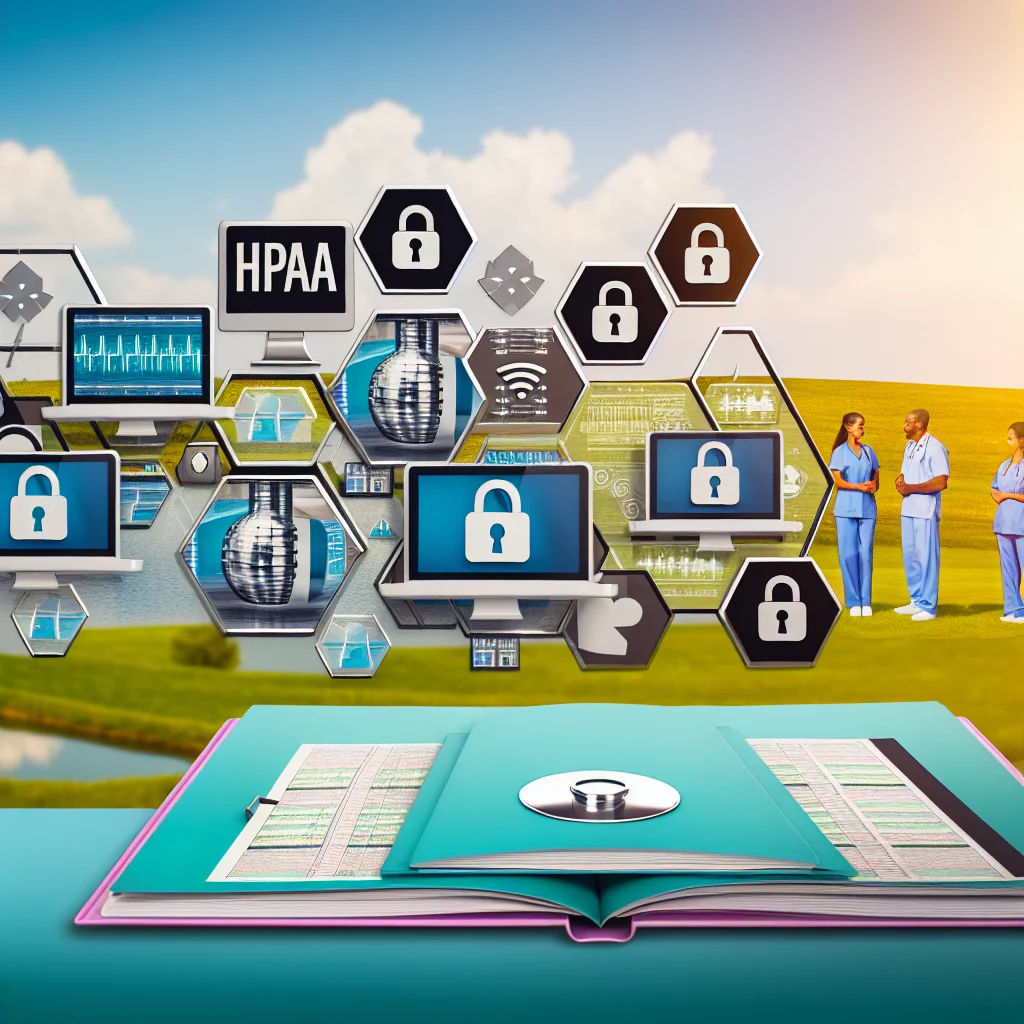
In the rapidly evolving landscape of digital health, ensuring compliance with the Health Insurance Portability and Accountability Act (HIPAA) has become more critical than ever. As healthcare systems increasingly integrate advanced technologies to enhance patient care and streamline operations, they must also navigate the complex regulatory environment that governs patient data privacy and security. HIPAA, enacted in 1996, sets the standard for protecting sensitive patient information, and its relevance has only grown with the advent of electronic health records (EHRs), telemedicine, and mobile health applications.
To begin with, healthcare organizations must understand the core components of HIPAA, which include the Privacy Rule, the Security Rule, and the Breach Notification Rule. The Privacy Rule establishes national standards for the protection of individually identifiable health information, while the Security Rule sets standards for safeguarding electronic protected health information (ePHI). The Breach Notification Rule requires covered entities to notify affected individuals, the Department of Health and Human Services (HHS), and, in some cases, the media, of a breach of unsecured PHI.
In the age of digital health, maintaining HIPAA compliance requires a multifaceted approach. First and foremost, healthcare systems must conduct regular risk assessments to identify potential vulnerabilities in their IT infrastructure. These assessments help organizations understand where their data is most at risk and allow them to implement appropriate safeguards. For instance, encryption and decryption mechanisms are essential for protecting ePHI during transmission and storage. Additionally, access controls, such as unique user IDs and robust authentication processes, are crucial for ensuring that only authorized personnel can access sensitive information.
Moreover, employee training plays a vital role in maintaining HIPAA compliance. Healthcare staff must be educated about the importance of data privacy and security, as well as the specific policies and procedures in place to protect patient information. Regular training sessions can help reinforce these concepts and ensure that employees are aware of the latest threats and best practices. Furthermore, creating a culture of compliance within the organization can encourage staff to prioritize data protection in their daily activities.
Another critical aspect of HIPAA compliance in the digital age is the management of third-party vendors. Many healthcare systems rely on external partners for services such as cloud storage, billing, and data analytics. It is essential to ensure that these vendors are also compliant with HIPAA regulations. This can be achieved by conducting thorough due diligence before engaging with a vendor and establishing comprehensive business associate agreements (BAAs) that outline each party’s responsibilities regarding data protection.
In addition to these measures, healthcare organizations must stay informed about the latest regulatory updates and technological advancements. The digital health landscape is continually changing, and new threats and opportunities can emerge rapidly. By keeping abreast of these developments, healthcare systems can adapt their compliance strategies to address new challenges effectively.
In conclusion, ensuring HIPAA compliance in the age of digital health is a complex but essential task for healthcare systems. By conducting regular risk assessments, implementing robust security measures, providing employee training, managing third-party vendors, and staying informed about industry changes, organizations can protect patient information and maintain compliance with regulatory requirements. As technology continues to transform healthcare, maintaining a strong focus on data privacy and security will be crucial for building trust with patients and safeguarding the integrity of the healthcare system.
Leveraging Medical Data for Improved Patient Outcomes
In the rapidly evolving landscape of healthcare, the integration of information technology has become a pivotal factor in enhancing patient outcomes. The ability to leverage medical data effectively is at the heart of this transformation, offering unprecedented opportunities to improve the quality of care, streamline operations, and reduce costs. As healthcare systems increasingly adopt digital solutions, the focus on utilizing medical data to its fullest potential has never been more critical.
One of the primary ways in which medical data is leveraged to improve patient outcomes is through the implementation of Electronic Health Records (EHRs). EHRs provide a comprehensive, real-time digital version of a patient’s paper chart, making information instantly available to authorized users. This accessibility ensures that healthcare providers have a complete view of a patient’s medical history, facilitating more informed decision-making. Moreover, EHRs enhance communication and coordination among different healthcare providers, reducing the likelihood of errors and ensuring continuity of care.
In addition to EHRs, the use of data analytics in healthcare has emerged as a powerful tool for improving patient outcomes. By analyzing large volumes of data, healthcare providers can identify patterns and trends that may not be immediately apparent. This capability allows for the early detection of potential health issues, enabling proactive interventions that can prevent complications and improve patient prognosis. Furthermore, predictive analytics can be employed to anticipate patient needs, optimize resource allocation, and personalize treatment plans, thereby enhancing the overall quality of care.
The integration of artificial intelligence (AI) into healthcare systems further amplifies the potential of medical data. AI algorithms can process vast amounts of data at speeds unattainable by human analysts, uncovering insights that can lead to more accurate diagnoses and more effective treatment strategies. For instance, AI-powered imaging tools can assist radiologists in identifying abnormalities with greater precision, while machine learning models can predict patient responses to specific treatments, allowing for more tailored and effective care plans.
Moreover, the rise of telemedicine has underscored the importance of leveraging medical data to improve patient outcomes. Telemedicine platforms rely heavily on data to provide remote consultations, monitor patient health, and deliver timely interventions. By utilizing data from wearable devices and remote monitoring tools, healthcare providers can track patient health metrics in real-time, ensuring that any deviations from normal parameters are promptly addressed. This approach not only enhances patient engagement but also facilitates early intervention, which is crucial for managing chronic conditions and preventing hospital readmissions.
However, the effective use of medical data is not without its challenges. Ensuring data privacy and security is paramount, as breaches can have severe consequences for both patients and healthcare providers. Additionally, the interoperability of different healthcare systems remains a significant hurdle, as disparate systems often struggle to communicate and share data seamlessly. Addressing these challenges requires a concerted effort from all stakeholders, including policymakers, healthcare providers, and technology developers, to establish robust standards and frameworks that facilitate secure and efficient data exchange.
In conclusion, the strategic use of medical data holds immense promise for improving patient outcomes in healthcare systems. By harnessing the power of EHRs, data analytics, AI, and telemedicine, healthcare providers can deliver more personalized, efficient, and effective care. As the healthcare industry continues to embrace digital transformation, the focus on leveraging medical data will undoubtedly play a crucial role in shaping the future of patient care.
Emerging Health IT Trends Shaping the Future of Healthcare Systems
In recent years, the healthcare industry has witnessed a transformative shift driven by the rapid advancement of information technology. As healthcare systems strive to improve patient outcomes, reduce costs, and enhance operational efficiency, emerging health IT trends are playing a pivotal role in shaping the future of healthcare delivery. One of the most significant trends is the integration of artificial intelligence (AI) and machine learning into healthcare systems. These technologies are revolutionizing diagnostics, treatment planning, and patient monitoring by enabling more accurate and timely decision-making. For instance, AI algorithms can analyze vast amounts of medical data to identify patterns and predict patient outcomes, thereby assisting healthcare professionals in making informed decisions.
Moreover, the rise of telemedicine has been accelerated by the global pandemic, highlighting its potential to transform healthcare accessibility. Telemedicine platforms allow patients to consult with healthcare providers remotely, breaking down geographical barriers and reducing the need for in-person visits. This trend not only enhances convenience for patients but also alleviates the burden on healthcare facilities, allowing them to allocate resources more efficiently. As telemedicine continues to evolve, it is expected to integrate with other digital health tools, such as wearable devices, to provide comprehensive remote care solutions.
In addition to AI and telemedicine, the adoption of electronic health records (EHRs) has become a cornerstone of modern healthcare systems. EHRs facilitate the seamless exchange of patient information across different healthcare providers, ensuring continuity of care and reducing the risk of medical errors. However, the implementation of EHRs is not without challenges, as concerns about data privacy and interoperability persist. To address these issues, healthcare organizations are increasingly investing in blockchain technology, which offers a secure and transparent way to manage patient data. By providing a decentralized ledger, blockchain can enhance data security and enable patients to have greater control over their health information.
Furthermore, the Internet of Medical Things (IoMT) is emerging as a critical component of healthcare IT. IoMT encompasses a network of connected devices that collect and transmit health data in real-time. These devices, ranging from smartwatches to implantable sensors, provide valuable insights into a patient’s health status, enabling proactive and personalized care. As IoMT technology advances, it is expected to play a crucial role in chronic disease management, allowing for continuous monitoring and timely interventions.
Another trend shaping the future of healthcare systems is the emphasis on data analytics and big data. The ability to analyze large datasets is empowering healthcare providers to identify trends, optimize resource allocation, and improve patient outcomes. Predictive analytics, in particular, is gaining traction as it enables healthcare organizations to anticipate patient needs and allocate resources accordingly. By leveraging data-driven insights, healthcare systems can enhance operational efficiency and deliver more targeted and effective care.
In conclusion, the landscape of healthcare IT is rapidly evolving, driven by advancements in AI, telemedicine, EHRs, IoMT, and data analytics. These emerging trends are not only transforming the way healthcare is delivered but also paving the way for a more patient-centric and efficient healthcare system. As technology continues to advance, it is imperative for healthcare organizations to embrace these innovations and address the associated challenges to fully realize the potential of health IT in improving patient care and outcomes.
Unlock the future of healthcare with our comprehensive Healthcare IT Insights on 12 leading healthcare systems. Discover innovative solutions and strategies to enhance patient care and operational efficiency. Explore now.