The Role Of Clinical Support In Enhancing Healthcare Systems
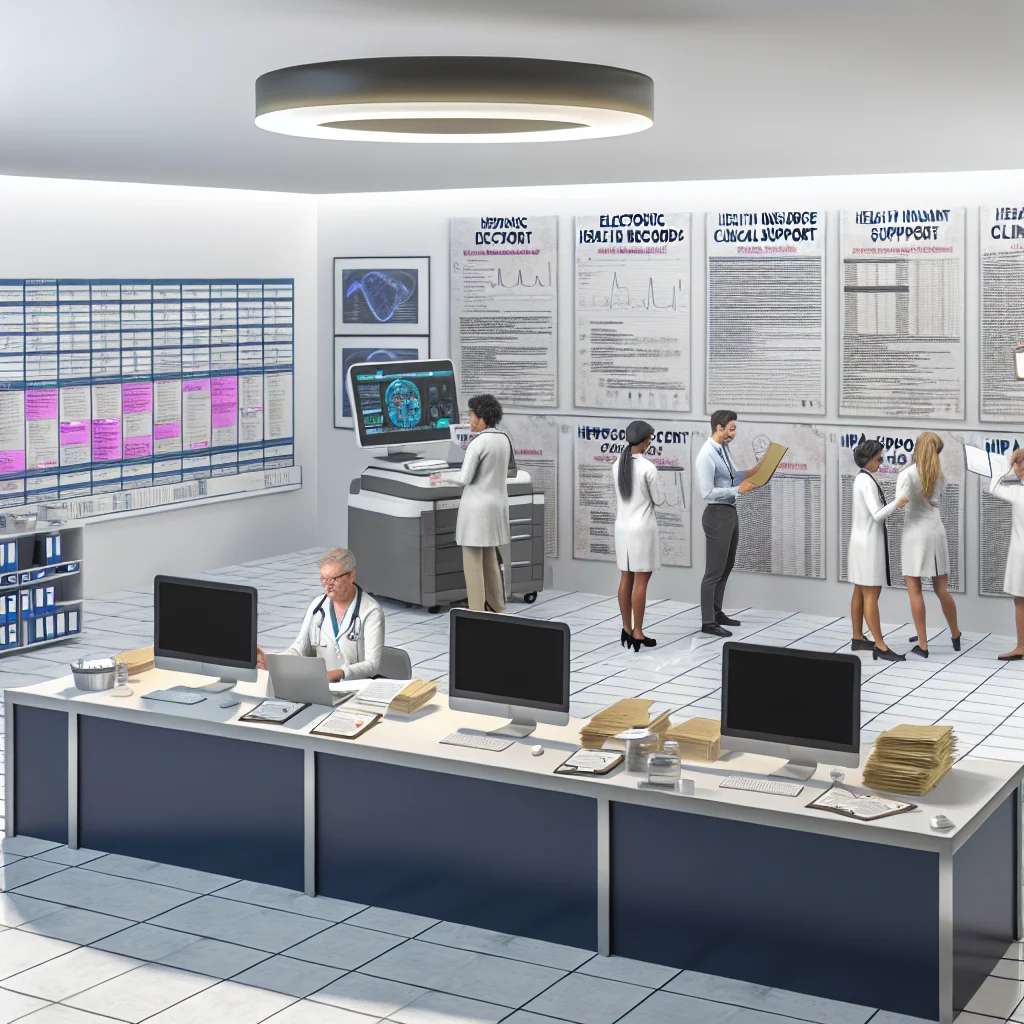
In the rapidly evolving landscape of healthcare, the integration of clinical support systems has become a pivotal element in enhancing the efficiency and effectiveness of healthcare delivery. As healthcare systems strive to meet the increasing demands of patient care, clinical support plays a crucial role in bridging the gap between medical knowledge and practical application. By leveraging advanced technologies and data-driven insights, clinical support systems are transforming the way healthcare professionals diagnose, treat, and manage patient care.
One of the primary functions of clinical support systems is to provide healthcare professionals with timely and accurate information. These systems are designed to assist clinicians in making informed decisions by offering evidence-based recommendations and alerts. For instance, clinical decision support systems (CDSS) can analyze patient data and suggest potential diagnoses or treatment options, thereby reducing the likelihood of human error and improving patient outcomes. Moreover, these systems can help identify potential drug interactions or allergies, ensuring that prescribed treatments are safe and effective.
In addition to enhancing decision-making, clinical support systems also play a significant role in streamlining administrative processes within healthcare facilities. By automating routine tasks such as appointment scheduling, billing, and patient record management, these systems allow healthcare professionals to focus more on patient care rather than administrative duties. This not only improves the overall efficiency of healthcare systems but also enhances patient satisfaction by reducing wait times and improving the quality of care.
Furthermore, clinical support systems facilitate better communication and collaboration among healthcare providers. By providing a centralized platform for sharing patient information, these systems ensure that all members of a patient’s care team have access to the same data. This is particularly important in complex cases where multiple specialists are involved, as it helps to coordinate care and prevent any lapses in communication. As a result, patients receive more cohesive and comprehensive care, which can lead to better health outcomes.
The integration of clinical support systems also plays a vital role in advancing personalized medicine. By analyzing large volumes of patient data, these systems can identify patterns and trends that may not be immediately apparent to human clinicians. This enables healthcare providers to tailor treatments to individual patients based on their unique genetic makeup, lifestyle, and medical history. Personalized medicine has the potential to significantly improve treatment efficacy and reduce adverse effects, ultimately leading to more successful patient outcomes.
Despite the numerous benefits of clinical support systems, their implementation is not without challenges. Healthcare organizations must invest in the necessary infrastructure and training to ensure that these systems are used effectively. Additionally, there are concerns regarding data privacy and security, as the increased reliance on digital systems makes healthcare data more vulnerable to cyber threats. To address these issues, healthcare organizations must adopt robust security measures and ensure compliance with relevant regulations.
In conclusion, clinical support systems are an indispensable component of modern healthcare systems. By enhancing decision-making, streamlining administrative processes, facilitating communication, and advancing personalized medicine, these systems have the potential to significantly improve the quality of patient care. However, to fully realize these benefits, healthcare organizations must address the challenges associated with their implementation and ensure that they are used in a manner that prioritizes patient safety and data security. As technology continues to advance, the role of clinical support in healthcare systems will undoubtedly become even more integral, paving the way for a more efficient and effective healthcare landscape.
Tech Integration Strategies For Modern Healthcare Systems
In the rapidly evolving landscape of modern healthcare, the integration of technology has become a pivotal strategy for enhancing the efficiency and effectiveness of healthcare systems. As healthcare providers strive to deliver high-quality care while managing costs, the adoption of advanced technological solutions is increasingly seen as a critical component of their operational strategies. The integration of technology into healthcare systems is not merely about adopting new tools; it involves a comprehensive approach that aligns technological capabilities with clinical and administrative processes to improve patient outcomes and streamline operations.
One of the primary drivers of technology integration in healthcare is the need to manage and analyze vast amounts of data. Electronic Health Records (EHRs) have become a cornerstone of modern healthcare systems, enabling providers to store, retrieve, and share patient information seamlessly. The transition from paper-based records to digital systems has facilitated better coordination among healthcare professionals, reduced errors, and improved the overall quality of care. Moreover, EHRs serve as a foundation for more advanced data analytics, allowing healthcare organizations to gain insights into patient populations, identify trends, and make informed decisions.
In addition to EHRs, telemedicine has emerged as a transformative technology that is reshaping the way healthcare services are delivered. By leveraging video conferencing, remote monitoring, and mobile health applications, telemedicine extends the reach of healthcare services beyond traditional clinical settings. This is particularly beneficial for patients in rural or underserved areas who may have limited access to healthcare facilities. Telemedicine not only enhances access to care but also reduces the burden on healthcare systems by minimizing the need for in-person visits, thus optimizing resource allocation.
Furthermore, the integration of artificial intelligence (AI) and machine learning into healthcare systems is revolutionizing diagnostics and treatment planning. AI algorithms can analyze medical images, predict disease progression, and assist in developing personalized treatment plans. These technologies enhance the accuracy and speed of diagnosis, enabling healthcare providers to deliver timely and precise interventions. As AI continues to evolve, its potential to transform various aspects of healthcare, from administrative tasks to complex clinical decision-making, becomes increasingly apparent.
However, the integration of technology into healthcare systems is not without challenges. Ensuring data security and patient privacy is paramount, as healthcare data is highly sensitive and subject to stringent regulations. Healthcare organizations must implement robust cybersecurity measures to protect against data breaches and unauthorized access. Additionally, the successful integration of technology requires significant investment in infrastructure, training, and change management. Healthcare providers must be prepared to navigate these challenges to fully realize the benefits of technology integration.
Moreover, the human element remains crucial in the successful implementation of technology in healthcare. While technology can enhance efficiency and accuracy, it cannot replace the empathy and judgment of healthcare professionals. Therefore, it is essential to strike a balance between leveraging technology and maintaining the human touch that is fundamental to patient care. Training and support for healthcare professionals are vital to ensure they are equipped to use new technologies effectively and confidently.
In conclusion, the integration of technology into modern healthcare systems is a multifaceted endeavor that holds the promise of transforming the delivery of care. By harnessing the power of EHRs, telemedicine, AI, and other technological advancements, healthcare organizations can improve patient outcomes, enhance operational efficiency, and address the challenges of an ever-changing healthcare environment. As technology continues to advance, healthcare systems must remain agile and adaptive, embracing innovation while prioritizing patient-centered care.
EHR Implementation: Transforming Healthcare Systems

The implementation of Electronic Health Records (EHR) has become a pivotal element in transforming healthcare systems worldwide. As healthcare organizations strive to enhance patient care, improve efficiency, and reduce costs, the adoption of EHR systems has emerged as a critical strategy. These digital records offer a comprehensive view of a patient’s medical history, facilitating better coordination among healthcare providers and enabling more informed decision-making. However, the journey towards successful EHR implementation is fraught with challenges that require careful consideration and strategic planning.
To begin with, the transition from paper-based records to digital systems necessitates a significant cultural shift within healthcare organizations. This shift involves not only the adoption of new technologies but also a change in mindset among healthcare professionals. Training and education are essential components of this process, as they equip staff with the necessary skills to navigate the new systems effectively. Moreover, fostering a culture of adaptability and continuous learning is crucial to ensure that healthcare providers can leverage the full potential of EHR systems.
In addition to cultural changes, the technical aspects of EHR implementation present their own set of challenges. Interoperability, for instance, is a major concern, as healthcare systems often consist of disparate technologies that must communicate seamlessly with one another. Ensuring that EHR systems can integrate with existing infrastructure and other digital health tools is vital for creating a cohesive healthcare ecosystem. Furthermore, data security and patient privacy are paramount considerations, as the digitization of health records increases the risk of data breaches. Implementing robust cybersecurity measures and adhering to regulatory standards are essential steps in safeguarding sensitive patient information.
Despite these challenges, the benefits of EHR implementation are manifold. One of the most significant advantages is the improvement in patient care quality. EHR systems provide healthcare providers with real-time access to patient information, enabling more accurate diagnoses and personalized treatment plans. This accessibility also facilitates better communication and collaboration among healthcare teams, reducing the likelihood of medical errors and enhancing patient safety. Additionally, EHRs streamline administrative processes, reducing paperwork and freeing up valuable time for healthcare professionals to focus on patient care.
Moreover, EHR systems contribute to cost savings for healthcare organizations. By reducing the need for physical storage space and minimizing duplicative testing, EHRs help lower operational expenses. They also enable more efficient billing processes and improve revenue cycle management, ultimately enhancing the financial health of healthcare institutions. Furthermore, the data generated by EHR systems can be leveraged for research and quality improvement initiatives, providing valuable insights into population health trends and informing evidence-based practices.
As healthcare systems continue to evolve, the role of EHRs in driving innovation and improving patient outcomes cannot be overstated. However, successful implementation requires a comprehensive approach that addresses both the technical and human elements of change. By prioritizing interoperability, data security, and staff training, healthcare organizations can overcome the challenges associated with EHR adoption and unlock the transformative potential of digital health records. In doing so, they pave the way for a more efficient, effective, and patient-centered healthcare system that meets the demands of the 21st century.
Health IT Trends Shaping The Future Of Healthcare Systems
The landscape of healthcare is undergoing a transformative shift, driven by the rapid evolution of information technology. As healthcare systems strive to enhance patient care, improve operational efficiency, and reduce costs, the integration of advanced IT solutions has become indispensable. One of the most significant trends shaping the future of healthcare systems is the adoption of electronic health records (EHRs). These digital versions of patients’ paper charts have revolutionized the way healthcare providers access and share patient information. By facilitating seamless communication among different healthcare providers, EHRs ensure that patients receive coordinated and comprehensive care. Moreover, the ability to access patient data in real-time enhances decision-making processes, ultimately leading to improved patient outcomes.
In addition to EHRs, telemedicine has emerged as a pivotal component of modern healthcare systems. The COVID-19 pandemic accelerated the adoption of telehealth services, highlighting their potential to provide accessible and convenient care. Through virtual consultations, patients can receive medical advice and treatment without the need to travel, thereby reducing the burden on healthcare facilities and minimizing the risk of infection. Furthermore, telemedicine expands access to healthcare for individuals in remote or underserved areas, bridging the gap between patients and providers. As technology continues to advance, the integration of artificial intelligence (AI) in telemedicine platforms promises to further enhance diagnostic accuracy and personalize treatment plans.
Another trend that is reshaping healthcare systems is the use of big data analytics. The vast amount of data generated by healthcare activities presents an opportunity to gain valuable insights into patient populations, treatment efficacy, and operational efficiency. By leveraging big data analytics, healthcare providers can identify patterns and trends that inform evidence-based decision-making. This data-driven approach enables the development of predictive models that anticipate patient needs, optimize resource allocation, and improve overall healthcare delivery. Additionally, big data analytics supports population health management by identifying at-risk groups and facilitating targeted interventions.
The integration of wearable technology into healthcare systems is also gaining momentum. Devices such as fitness trackers and smartwatches collect real-time health data, empowering individuals to monitor their own health and make informed lifestyle choices. For healthcare providers, wearable technology offers a wealth of data that can be used to track patient progress, detect early signs of health issues, and tailor treatment plans. As these devices become more sophisticated, they hold the potential to revolutionize chronic disease management and preventive care.
Cybersecurity remains a critical concern as healthcare systems become increasingly reliant on digital technologies. The protection of sensitive patient information is paramount, and healthcare organizations must implement robust security measures to safeguard against data breaches and cyberattacks. This includes adopting encryption technologies, conducting regular security audits, and fostering a culture of cybersecurity awareness among staff. As the threat landscape evolves, healthcare systems must remain vigilant and proactive in their cybersecurity efforts to maintain patient trust and ensure the integrity of healthcare data.
In conclusion, the future of healthcare systems is being shaped by a confluence of IT trends that promise to enhance patient care, improve operational efficiency, and reduce costs. The adoption of electronic health records, the rise of telemedicine, the utilization of big data analytics, the integration of wearable technology, and the emphasis on cybersecurity are all pivotal in driving this transformation. As these trends continue to evolve, healthcare systems must adapt and innovate to meet the changing needs of patients and providers in an increasingly digital world.
Ensuring HIPAA Compliance In Healthcare Systems Through Medical Data Management
In the rapidly evolving landscape of healthcare, the integration of information technology has become indispensable. As healthcare systems increasingly rely on digital solutions to manage patient data, ensuring compliance with the Health Insurance Portability and Accountability Act (HIPAA) has emerged as a critical concern. HIPAA, enacted in 1996, sets the standard for protecting sensitive patient information, and its compliance is mandatory for healthcare providers, health plans, and healthcare clearinghouses. Consequently, effective medical data management is essential to safeguard patient privacy and maintain the integrity of healthcare systems.
To begin with, understanding the core requirements of HIPAA is crucial for healthcare organizations aiming to achieve compliance. HIPAA’s Privacy Rule establishes national standards for the protection of individually identifiable health information, while the Security Rule specifies safeguards to ensure the confidentiality, integrity, and availability of electronic protected health information (ePHI). These rules necessitate the implementation of administrative, physical, and technical safeguards, which collectively form the backbone of a robust data management strategy.
One of the primary challenges in ensuring HIPAA compliance is the secure storage and transmission of ePHI. Healthcare systems must employ encryption technologies to protect data both at rest and in transit. Encryption serves as a critical line of defense against unauthorized access, ensuring that even if data is intercepted, it remains unintelligible to malicious actors. Additionally, access controls must be rigorously enforced, allowing only authorized personnel to access sensitive information. This can be achieved through multi-factor authentication and role-based access controls, which limit data access based on the user’s role within the organization.
Moreover, regular risk assessments are indispensable in identifying potential vulnerabilities within healthcare systems. These assessments enable organizations to proactively address security gaps and implement necessary measures to mitigate risks. By conducting thorough evaluations of their IT infrastructure, healthcare providers can ensure that their systems are resilient against emerging threats. Furthermore, continuous monitoring of network activity is essential to detect and respond to suspicious behavior promptly. Implementing intrusion detection systems and maintaining comprehensive audit logs can significantly enhance an organization’s ability to identify and address security incidents.
In addition to technical safeguards, fostering a culture of compliance within the organization is paramount. This involves providing regular training and education to staff members on HIPAA regulations and the importance of data privacy. Employees must be well-versed in recognizing potential security threats, such as phishing attacks, and understand the protocols for reporting incidents. By cultivating a workforce that is knowledgeable and vigilant, healthcare organizations can significantly reduce the risk of data breaches resulting from human error.
Furthermore, collaboration with third-party vendors necessitates careful scrutiny to ensure that they adhere to HIPAA standards. Business associate agreements (BAAs) must be established with all external partners who handle ePHI, outlining their responsibilities in safeguarding patient data. Regular audits and assessments of these vendors can help verify their compliance and ensure that they maintain the same level of data protection as the healthcare organization itself.
In conclusion, ensuring HIPAA compliance through effective medical data management is a multifaceted endeavor that requires a comprehensive approach. By implementing robust technical safeguards, conducting regular risk assessments, fostering a culture of compliance, and scrutinizing third-party vendors, healthcare systems can protect patient privacy and maintain the trust of those they serve. As the healthcare industry continues to embrace digital transformation, prioritizing data security and compliance will remain a fundamental aspect of delivering high-quality care.
Unlock the Future of Healthcare IT: Discover 18 Essential Healthcare Systems Insights Today! Learn More