
Understanding DLP Systems: Key Components and Modern IT Strategies
Data Loss Prevention (DLP) systems have become an integral component of modern IT strategies, serving as a critical line of defense against the unauthorized access and dissemination of sensitive information. As organizations increasingly rely on digital data to drive their operations, the need to protect this data from breaches and leaks has never been more paramount. Understanding the key components of DLP systems and how they integrate with contemporary IT strategies is essential for any organization aiming to safeguard its data assets effectively.
At the core of DLP systems are three primary components: data identification, data monitoring, and data protection. Data identification involves the classification of data based on its sensitivity and importance. This process is crucial as it allows organizations to prioritize their security efforts on the most critical data. Techniques such as pattern matching, fingerprinting, and contextual analysis are often employed to accurately identify and classify data. Once data is identified, the next step is data monitoring, which involves tracking data as it moves across networks, endpoints, and storage systems. This component ensures that any unauthorized access or transfer of data is promptly detected, allowing for immediate intervention.
Data protection, the final component, involves implementing measures to prevent data loss or unauthorized access. This can include encryption, access controls, and data masking, among other techniques. By employing these measures, organizations can ensure that even if data is intercepted, it remains unreadable and unusable to unauthorized parties. Together, these components form a comprehensive DLP system that not only detects potential threats but also actively prevents data breaches.
Incorporating DLP systems into modern IT strategies requires a holistic approach that aligns with an organization’s overall security posture. One of the key strategies is integrating DLP with existing security frameworks, such as firewalls, intrusion detection systems, and identity management solutions. This integration ensures a seamless flow of information and enhances the overall effectiveness of the security infrastructure. Additionally, organizations must adopt a proactive approach to data security by regularly updating their DLP systems to address emerging threats and vulnerabilities. This involves staying informed about the latest developments in cybersecurity and continuously refining security policies and procedures.
Moreover, employee training and awareness are vital components of a successful DLP strategy. Employees are often the first line of defense against data breaches, and their actions can significantly impact the effectiveness of DLP systems. By educating employees about the importance of data security and providing them with the necessary tools and knowledge, organizations can foster a culture of security awareness that complements their technical defenses.
Furthermore, as organizations increasingly adopt cloud-based solutions and remote work models, DLP systems must evolve to address the unique challenges posed by these environments. Cloud-based DLP solutions offer scalability and flexibility, allowing organizations to extend their data protection measures beyond traditional on-premises systems. These solutions can monitor data across multiple cloud platforms and provide real-time insights into potential security threats.
In conclusion, understanding the key components of DLP systems and integrating them into modern IT strategies is essential for protecting sensitive data in today’s digital landscape. By focusing on data identification, monitoring, and protection, and aligning these efforts with broader security frameworks, organizations can effectively mitigate the risks associated with data breaches. Additionally, fostering a culture of security awareness and adapting to new technological environments will ensure that DLP systems remain robust and effective in safeguarding valuable data assets.
Effective Backup Strategies to Prevent Data Loss and Breaches
In the rapidly evolving landscape of information technology, safeguarding data has become a paramount concern for organizations worldwide. As businesses increasingly rely on digital platforms to store and manage sensitive information, the risk of data loss and breaches has escalated. Consequently, effective backup strategies have emerged as a critical component of comprehensive data loss prevention (DLP) systems. These strategies not only ensure data integrity but also fortify defenses against potential cyber threats.
To begin with, the implementation of a robust backup strategy is essential for mitigating the risks associated with data loss. Regularly scheduled backups serve as a safety net, allowing organizations to recover data in the event of accidental deletion, hardware failure, or cyberattacks. By maintaining multiple copies of data across different locations, businesses can significantly reduce the likelihood of catastrophic data loss. Moreover, the adoption of automated backup solutions can streamline this process, ensuring that data is consistently and accurately backed up without requiring constant manual intervention.
In addition to regular backups, the diversification of backup methods is crucial for enhancing data security. Employing a combination of on-site and off-site backups can provide an added layer of protection. On-site backups offer the advantage of quick data recovery, while off-site backups, such as cloud storage solutions, safeguard data against physical threats like natural disasters or theft. This hybrid approach not only maximizes data availability but also aligns with modern IT strategies that emphasize flexibility and resilience.
Furthermore, encryption plays a vital role in protecting backed-up data from unauthorized access. By encrypting data before it is stored, organizations can ensure that even if backup files are compromised, the information remains secure. This is particularly important in the context of cloud-based backups, where data is often stored on third-party servers. Encryption, therefore, acts as a critical barrier against potential breaches, reinforcing the overall security framework of DLP systems.
Another key aspect of effective backup strategies is the regular testing and validation of backup processes. It is not enough to simply create backups; organizations must also verify that these backups are functional and can be restored when needed. Regular testing helps identify potential issues in the backup process, such as corrupted files or incomplete data, allowing for timely corrective measures. This proactive approach ensures that, in the event of data loss, recovery efforts are swift and efficient, minimizing downtime and operational disruptions.
Moreover, the integration of backup strategies with broader IT policies is essential for a cohesive approach to data protection. By aligning backup protocols with organizational objectives and regulatory requirements, businesses can ensure compliance while optimizing their data management practices. This alignment also facilitates better resource allocation, as IT teams can prioritize critical data and systems in their backup plans, thereby enhancing overall efficiency.
In conclusion, effective backup strategies are indispensable in the modern IT landscape, serving as a cornerstone of data loss prevention systems. By implementing regular, diversified, and secure backup processes, organizations can safeguard their data against a myriad of threats. Additionally, through regular testing and strategic integration with IT policies, businesses can enhance their resilience and ensure continuity in the face of potential data breaches. As the digital world continues to expand, these strategies will remain vital in protecting the integrity and confidentiality of organizational data.
Enhancing Email Protection with Advanced DLP Systems
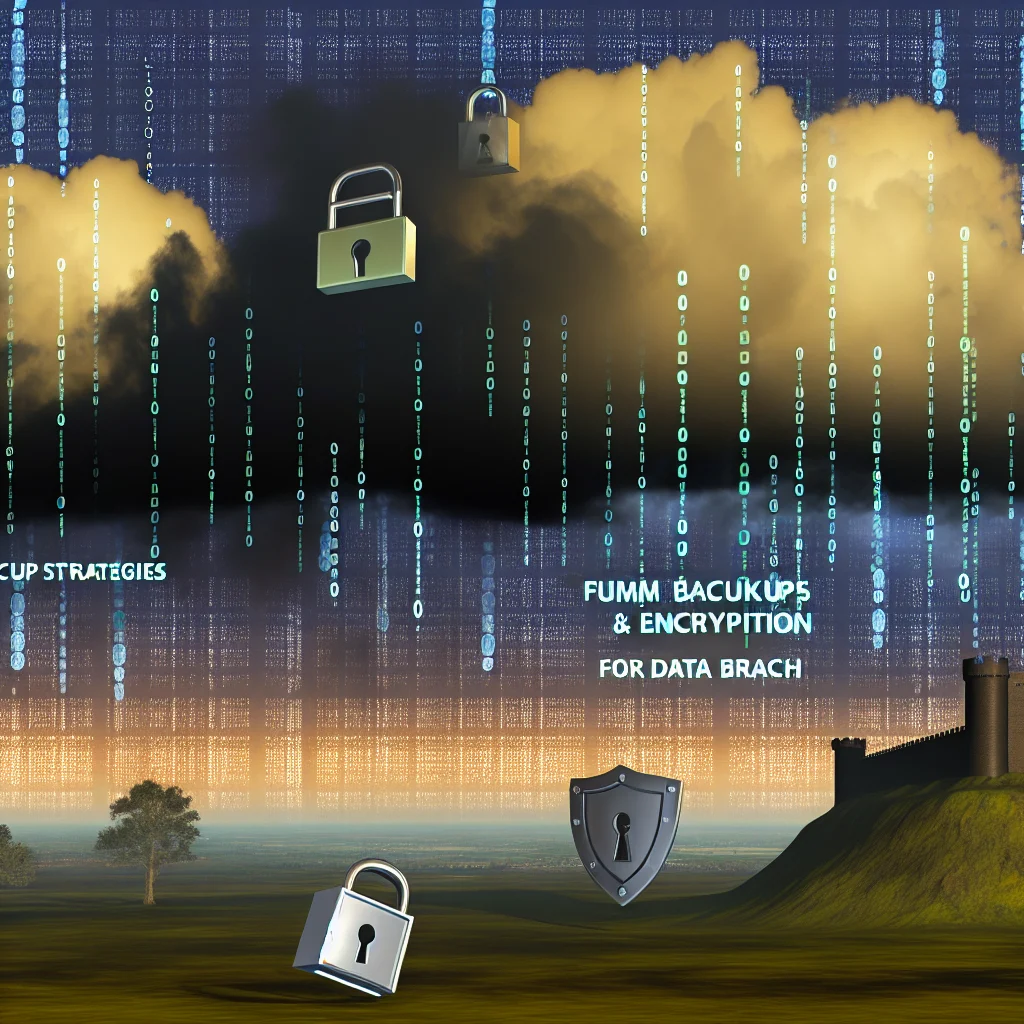
In the rapidly evolving landscape of information technology, safeguarding sensitive data has become a paramount concern for organizations worldwide. As email remains a primary communication tool, it is also a significant vector for data breaches. Consequently, enhancing email protection through advanced Data Loss Prevention (DLP) systems has emerged as a critical component of modern IT strategies. These systems are designed to detect and prevent unauthorized data transmission, thereby mitigating the risk of data breaches and ensuring compliance with regulatory requirements.
To begin with, the integration of DLP systems into email platforms provides a robust framework for monitoring and controlling the flow of sensitive information. By employing sophisticated algorithms and machine learning techniques, these systems can identify patterns and anomalies that may indicate potential data leaks. For instance, DLP solutions can scan email content and attachments for sensitive information such as credit card numbers, social security numbers, or proprietary business data. When such data is detected, the system can automatically block the email, alert the sender, or encrypt the message to prevent unauthorized access.
Moreover, advanced DLP systems offer granular policy controls that allow organizations to tailor their data protection strategies to specific needs. This customization is crucial, as different industries and organizations have varying requirements for data security and compliance. For example, a healthcare organization may prioritize the protection of patient information, while a financial institution may focus on safeguarding transaction data. By enabling the creation of customized policies, DLP systems ensure that email protection measures align with organizational objectives and regulatory mandates.
In addition to policy customization, the integration of DLP systems with other security tools enhances the overall effectiveness of email protection strategies. For instance, combining DLP with encryption technologies ensures that even if sensitive data is inadvertently sent outside the organization, it remains inaccessible to unauthorized parties. Similarly, integrating DLP with threat intelligence platforms can provide real-time insights into emerging threats, allowing organizations to proactively adjust their security measures.
Furthermore, the implementation of advanced DLP systems fosters a culture of security awareness among employees. By providing real-time feedback and alerts when potential data breaches are detected, these systems educate users about the importance of data protection and encourage adherence to security policies. This proactive approach not only reduces the likelihood of accidental data leaks but also empowers employees to become active participants in the organization’s data protection efforts.
However, it is essential to recognize that the deployment of DLP systems is not without challenges. Organizations must carefully consider factors such as system complexity, integration with existing infrastructure, and potential impacts on user productivity. To address these challenges, it is advisable to conduct thorough assessments and pilot testing before full-scale implementation. Additionally, ongoing training and support are crucial to ensure that employees understand how to effectively use DLP systems and comply with data protection policies.
In conclusion, enhancing email protection with advanced DLP systems is a vital component of modern IT strategies. By leveraging sophisticated detection mechanisms, customizable policies, and integration with other security tools, organizations can significantly reduce the risk of data breaches and ensure compliance with regulatory requirements. As the threat landscape continues to evolve, the adoption of advanced DLP systems will remain a key strategy for safeguarding sensitive information and maintaining organizational integrity.
The Role of Encryption and Access Control in Modern DLP Solutions
In the rapidly evolving landscape of information technology, the protection of sensitive data has become a paramount concern for organizations worldwide. As cyber threats grow in sophistication, the need for robust data loss prevention (DLP) solutions has never been more critical. Central to these solutions are encryption and access control, two fundamental components that play a pivotal role in safeguarding data from unauthorized access and breaches.
Encryption serves as the first line of defense in modern DLP systems. By converting data into a coded format, encryption ensures that even if data is intercepted, it remains unintelligible to unauthorized users. This process involves the use of cryptographic keys, which are essential for both encrypting and decrypting the data. The strength of encryption lies in its ability to protect data at rest, in transit, and in use, thereby providing comprehensive security coverage. As organizations increasingly adopt cloud services and remote work models, encryption becomes indispensable in protecting data across diverse environments. Moreover, advancements in encryption technologies, such as homomorphic encryption, are enabling organizations to perform computations on encrypted data without decrypting it, thus maintaining data confidentiality throughout the process.
While encryption is crucial, it is not sufficient on its own. Access control mechanisms complement encryption by ensuring that only authorized individuals can access sensitive data. These mechanisms involve the implementation of policies and procedures that define who can access specific data and under what conditions. Role-based access control (RBAC) is a widely used approach, where access rights are assigned based on the user’s role within the organization. This method not only simplifies the management of access rights but also minimizes the risk of unauthorized access by ensuring that users have only the permissions necessary for their roles.
In addition to RBAC, modern DLP solutions are increasingly incorporating more granular access control methods, such as attribute-based access control (ABAC). ABAC considers multiple attributes, including user identity, time of access, and the sensitivity of the data, to make dynamic access decisions. This flexibility allows organizations to implement more nuanced access policies that can adapt to changing circumstances and threats.
Furthermore, the integration of encryption and access control within DLP systems is enhanced by the use of advanced technologies such as artificial intelligence (AI) and machine learning (ML). These technologies enable the continuous monitoring and analysis of data access patterns, helping to identify anomalies that may indicate potential security breaches. By leveraging AI and ML, organizations can proactively adjust their encryption and access control strategies to address emerging threats and vulnerabilities.
In conclusion, encryption and access control are indispensable components of modern DLP solutions, working in tandem to protect sensitive data from unauthorized access and breaches. As organizations navigate the complexities of the digital age, the integration of these technologies within their IT strategies is essential for maintaining data security and compliance. By adopting a comprehensive approach that combines encryption, access control, and advanced technologies, organizations can effectively mitigate the risks associated with data loss and ensure the integrity and confidentiality of their information assets. As the threat landscape continues to evolve, the role of encryption and access control in DLP solutions will remain a cornerstone of modern IT strategies, safeguarding the digital future of organizations worldwide.
Compliance Tools and Their Integration with DLP Systems for Data Security
In the rapidly evolving landscape of information technology, the integration of compliance tools with Data Loss Prevention (DLP) systems has become a cornerstone of modern data security strategies. As organizations increasingly rely on digital data, the need to protect sensitive information from unauthorized access and breaches has never been more critical. Compliance tools, designed to ensure that organizations adhere to industry regulations and standards, play a pivotal role in enhancing the effectiveness of DLP systems. By seamlessly integrating these tools, businesses can not only safeguard their data but also maintain regulatory compliance, thereby mitigating the risk of costly penalties and reputational damage.
To begin with, it is essential to understand the fundamental role of compliance tools in the context of data security. These tools are designed to help organizations meet specific regulatory requirements, such as the General Data Protection Regulation (GDPR), the Health Insurance Portability and Accountability Act (HIPAA), and the Sarbanes-Oxley Act (SOX), among others. By ensuring adherence to these regulations, compliance tools help organizations avoid legal repercussions and maintain trust with their stakeholders. When integrated with DLP systems, these tools provide a comprehensive approach to data security, ensuring that sensitive information is not only protected from external threats but also managed in accordance with legal and regulatory standards.
Moreover, the integration of compliance tools with DLP systems enhances the ability of organizations to monitor and control data flows effectively. DLP systems are designed to detect and prevent unauthorized data transfers, whether intentional or accidental. By incorporating compliance tools, organizations can establish policies and rules that align with regulatory requirements, thereby ensuring that data handling practices are consistent with legal obligations. This integration allows for real-time monitoring and alerts, enabling organizations to respond swiftly to potential data breaches and compliance violations. Consequently, this proactive approach not only strengthens data security but also fosters a culture of accountability and transparency within the organization.
Furthermore, the synergy between compliance tools and DLP systems facilitates the automation of compliance processes, reducing the burden on IT teams and minimizing the risk of human error. Automation enables organizations to streamline their compliance efforts, ensuring that data protection measures are consistently applied across all systems and processes. This efficiency is particularly beneficial for large organizations with complex IT infrastructures, where manual compliance checks can be time-consuming and prone to oversight. By automating compliance tasks, organizations can allocate resources more effectively, focusing on strategic initiatives rather than routine monitoring and enforcement activities.
In addition to enhancing data security and compliance, the integration of compliance tools with DLP systems also supports organizations in achieving operational efficiency. By providing a unified platform for managing data security and compliance, organizations can reduce the complexity of their IT environments and improve overall system performance. This integration enables organizations to leverage existing investments in technology, maximizing the return on investment and ensuring that data protection measures are both cost-effective and scalable.
In conclusion, the integration of compliance tools with DLP systems represents a critical component of modern IT strategies for data security. By aligning data protection efforts with regulatory requirements, organizations can safeguard sensitive information, maintain compliance, and enhance operational efficiency. As the digital landscape continues to evolve, the importance of this integration will only grow, underscoring the need for organizations to adopt a holistic approach to data security that encompasses both technological and regulatory considerations.
Unlock the full potential of your IT strategy with our comprehensive insights on Data Loss Prevention (DLP) systems. Discover how modern IT strategies can safeguard your data and enhance security. Learn more now!