Understanding DLP Systems: Key Compliance Tools for Data Protection
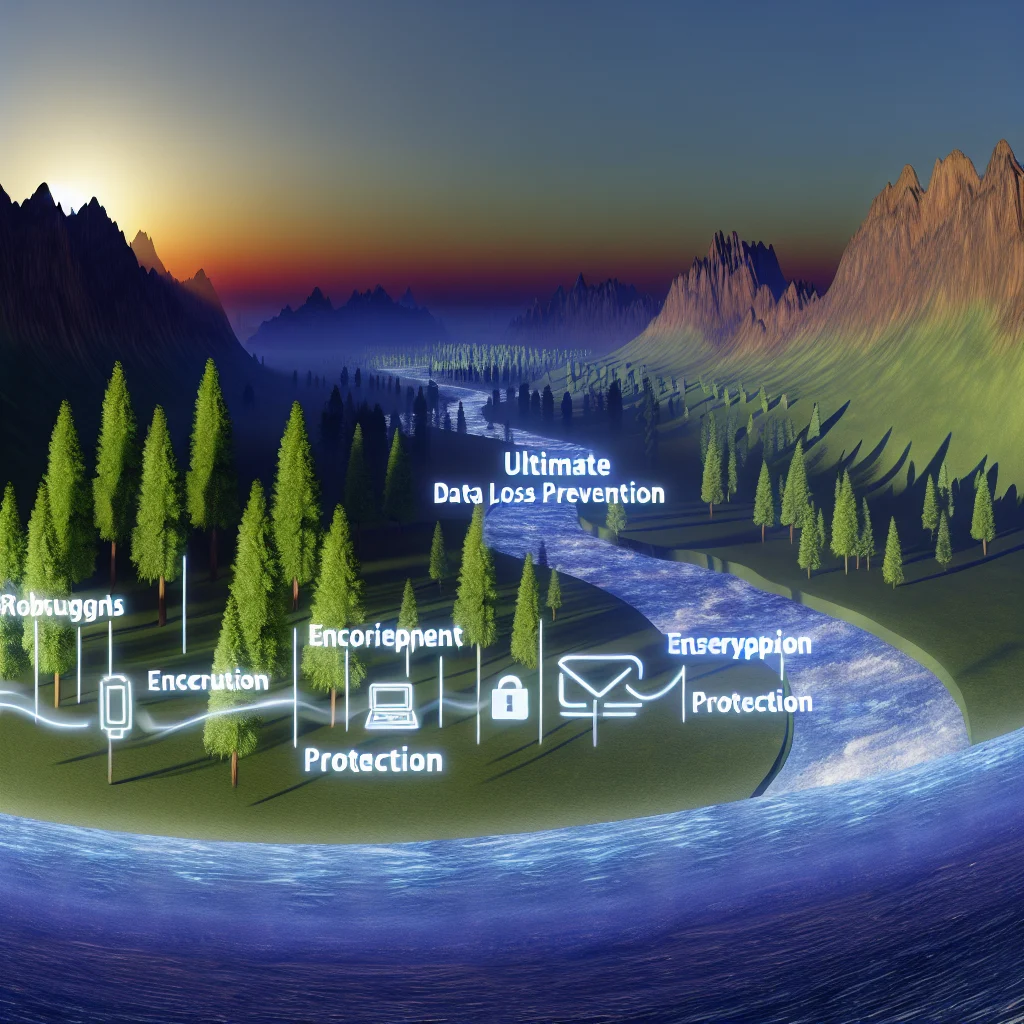
Data Loss Prevention (DLP) systems have become indispensable tools in the realm of data protection, serving as key compliance instruments for organizations striving to safeguard sensitive information. As businesses increasingly rely on digital data, the risk of data breaches and unauthorized access has escalated, necessitating robust measures to protect valuable information assets. DLP systems are designed to address these challenges by identifying, monitoring, and protecting data in use, in motion, and at rest, thereby ensuring compliance with various regulatory requirements.
To understand the significance of DLP systems, it is essential to recognize their role in the broader context of data protection strategies. These systems are not merely reactive solutions but proactive measures that help organizations prevent data breaches before they occur. By implementing DLP solutions, companies can detect potential threats and vulnerabilities, enabling them to take corrective actions promptly. This proactive approach is crucial in maintaining the integrity and confidentiality of sensitive data, which is often subject to stringent regulatory standards.
Moreover, DLP systems are instrumental in ensuring compliance with a myriad of data protection regulations, such as the General Data Protection Regulation (GDPR), the Health Insurance Portability and Accountability Act (HIPAA), and the California Consumer Privacy Act (CCPA). These regulations impose strict requirements on how organizations handle personal and sensitive data, mandating the implementation of adequate security measures. DLP systems facilitate compliance by providing comprehensive visibility into data flows and usage patterns, allowing organizations to enforce policies that align with regulatory mandates.
In addition to regulatory compliance, DLP systems offer several other benefits that enhance an organization’s data protection framework. For instance, they enable the classification and categorization of data based on its sensitivity and importance. This capability allows organizations to prioritize their security efforts, focusing on protecting the most critical data assets. Furthermore, DLP systems can integrate with other security tools, such as encryption and access control solutions, to provide a multi-layered defense against data breaches.
Transitioning to the technical aspects, DLP systems employ a variety of techniques to identify and protect sensitive data. These include content inspection, contextual analysis, and user behavior monitoring. Content inspection involves analyzing data for specific patterns or keywords that indicate sensitive information, such as credit card numbers or social security numbers. Contextual analysis, on the other hand, examines the context in which data is used or transmitted, helping to identify potential risks based on user actions or network conditions. User behavior monitoring tracks user activities to detect anomalies that may signify malicious intent or accidental data exposure.
Despite their numerous advantages, implementing DLP systems is not without challenges. Organizations must carefully consider factors such as scalability, integration with existing infrastructure, and the potential impact on user productivity. Additionally, DLP solutions require continuous updates and fine-tuning to adapt to evolving threats and regulatory changes. Therefore, a successful DLP strategy necessitates a comprehensive approach that includes regular assessments, employee training, and collaboration across different departments.
In conclusion, DLP systems are vital components of an organization’s data protection arsenal, offering essential tools for compliance and security. By providing visibility into data usage and enforcing protective measures, these systems help organizations mitigate the risk of data breaches and ensure adherence to regulatory requirements. As the digital landscape continues to evolve, the importance of DLP systems in safeguarding sensitive information will only grow, making them indispensable for any organization committed to data protection.
The Role of Encryption in DLP Systems: Enhancing Email Protection
In the realm of data loss prevention (DLP) systems, encryption plays a pivotal role, particularly in enhancing the protection of email communications. As organizations increasingly rely on digital communication, the risk of sensitive information being intercepted or inadvertently shared has grown significantly. Consequently, the integration of encryption within DLP systems has become a critical component in safeguarding data integrity and confidentiality.
To begin with, encryption serves as a robust mechanism to protect data by converting it into a coded format that is unreadable to unauthorized users. This transformation ensures that even if data is intercepted during transmission, it remains inaccessible without the appropriate decryption key. In the context of email protection, encryption acts as a formidable barrier against potential breaches, ensuring that sensitive information such as financial data, personal identification details, and proprietary business information remains secure.
Moreover, the implementation of encryption within DLP systems is not merely about securing data in transit. It also extends to data at rest, ensuring that stored emails and attachments are protected from unauthorized access. This dual-layered approach significantly enhances the overall security posture of an organization, providing peace of mind that sensitive information is safeguarded both during transmission and while stored.
Transitioning to the practical aspects, the integration of encryption in DLP systems involves several key considerations. Firstly, organizations must choose the appropriate encryption standards that align with their security requirements and compliance obligations. Common standards such as Advanced Encryption Standard (AES) and Transport Layer Security (TLS) are widely adopted due to their proven effectiveness and reliability. By selecting robust encryption protocols, organizations can ensure that their email communications are protected against evolving cyber threats.
Furthermore, the seamless integration of encryption into existing DLP systems is crucial for maintaining operational efficiency. This involves ensuring that encryption processes do not hinder the flow of communication or create bottlenecks in email delivery. Advanced DLP solutions are designed to work in tandem with encryption technologies, automatically encrypting emails based on predefined policies and rules. This automation not only streamlines the process but also minimizes the risk of human error, which is often a significant factor in data breaches.
In addition to technical considerations, the role of encryption in DLP systems also encompasses compliance with regulatory requirements. Many industries are subject to stringent data protection regulations that mandate the use of encryption to protect sensitive information. By integrating encryption into their DLP strategies, organizations can demonstrate compliance with these regulations, thereby avoiding potential legal and financial repercussions.
As we consider the future of DLP systems, it is evident that encryption will continue to play an integral role in enhancing email protection. With the advent of new technologies and the increasing sophistication of cyber threats, organizations must remain vigilant and proactive in their approach to data security. By leveraging encryption as a core component of their DLP strategies, they can effectively mitigate risks and protect their most valuable asset—information.
In conclusion, the role of encryption in DLP systems is indispensable for enhancing email protection. Through its ability to secure data both in transit and at rest, encryption provides a robust defense against unauthorized access and data breaches. As organizations navigate the complexities of digital communication, the integration of encryption within DLP systems will remain a cornerstone of effective data loss prevention strategies.
Effective Backup Strategies in DLP Systems to Prevent Data Breach
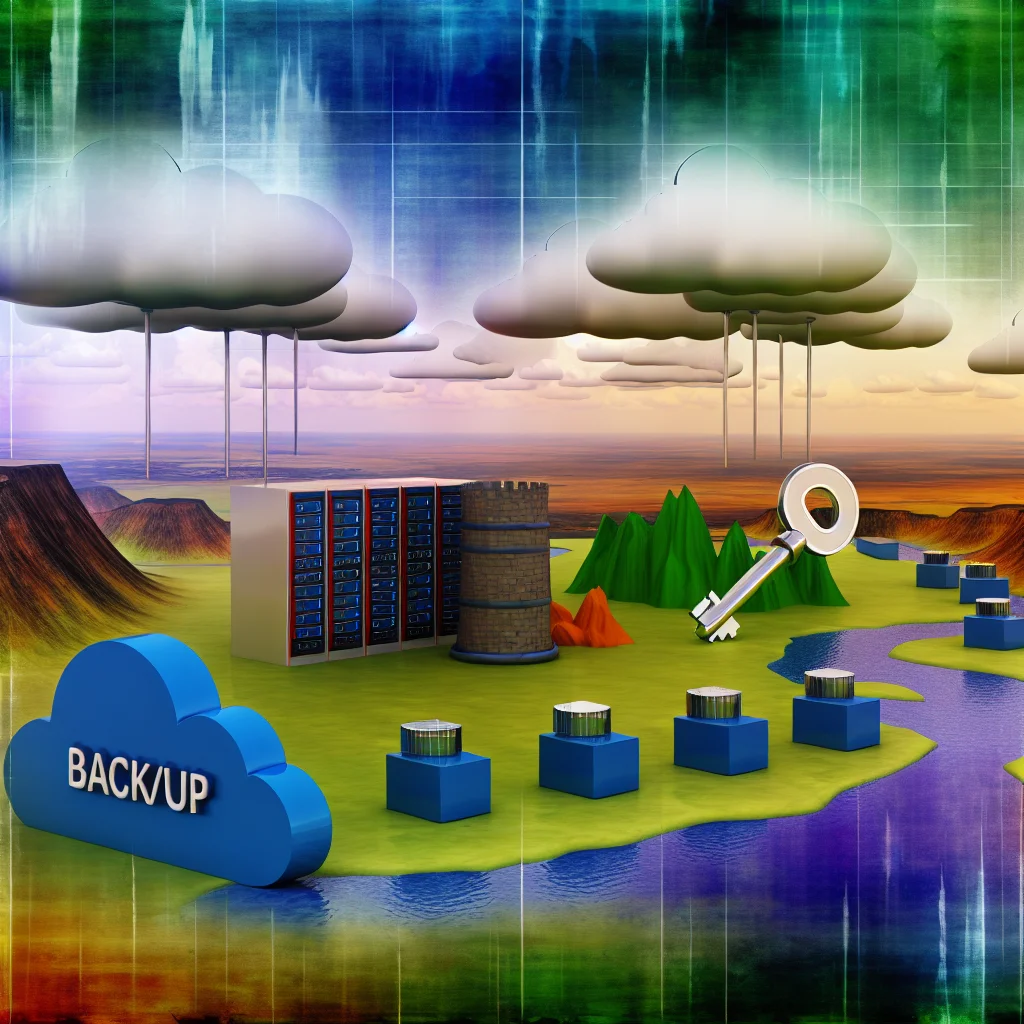
In the realm of data protection, Data Loss Prevention (DLP) systems play a pivotal role in safeguarding sensitive information from unauthorized access and breaches. As organizations increasingly rely on digital data, the importance of implementing effective backup strategies within DLP systems cannot be overstated. These strategies not only ensure data integrity but also provide a robust defense against potential data breaches. To fully appreciate the significance of backup strategies in DLP systems, it is essential to understand the multifaceted nature of data protection and the various components that contribute to a comprehensive security framework.
At the core of any effective DLP system is the ability to identify, monitor, and protect sensitive data. However, even the most sophisticated DLP solutions can be rendered ineffective if data is lost or compromised due to inadequate backup measures. Therefore, integrating a well-structured backup strategy is crucial. This involves not only regular data backups but also ensuring that these backups are secure, easily accessible, and regularly tested for integrity. By doing so, organizations can mitigate the risk of data loss and ensure business continuity in the event of a breach or system failure.
One of the primary considerations in developing an effective backup strategy is determining the frequency of backups. Regular backups are essential to minimize data loss, but the frequency should be aligned with the organization’s data usage patterns and the criticality of the information. For instance, organizations dealing with real-time data may require more frequent backups compared to those handling static data. Additionally, the choice between full, incremental, or differential backups should be made based on the specific needs and resources of the organization. Each method has its advantages and trade-offs, and selecting the appropriate one is vital for optimizing storage and recovery times.
Moreover, the security of backup data is paramount. It is not enough to simply store copies of data; these backups must be protected against unauthorized access and potential breaches. Implementing encryption for backup data, both in transit and at rest, is a fundamental step in safeguarding sensitive information. Furthermore, access controls should be in place to ensure that only authorized personnel can access backup data. This not only protects the data but also helps maintain compliance with regulatory requirements.
In addition to security measures, the location of backup storage is another critical factor. Organizations must decide between on-premises, cloud-based, or hybrid storage solutions. Each option has its benefits and challenges. On-premises storage offers greater control but may be vulnerable to physical damage or theft. Cloud-based solutions provide scalability and remote access but require careful consideration of data sovereignty and vendor reliability. A hybrid approach can offer a balance, leveraging the strengths of both on-premises and cloud storage.
Finally, regular testing of backup systems is essential to ensure their effectiveness. This involves not only verifying the integrity of backup data but also testing the recovery process. By conducting regular drills and simulations, organizations can identify potential weaknesses in their backup strategy and make necessary adjustments. This proactive approach ensures that, in the event of a data breach or system failure, the organization can quickly and efficiently restore its data, minimizing downtime and mitigating the impact on operations.
In conclusion, effective backup strategies are a critical component of DLP systems, providing a vital layer of protection against data breaches. By carefully considering factors such as backup frequency, security, storage location, and regular testing, organizations can enhance their data protection efforts and ensure the resilience of their information systems. As the digital landscape continues to evolve, the importance of robust backup strategies in DLP systems will only grow, underscoring the need for ongoing vigilance and adaptation.
Implementing Access Control in DLP Systems: A Comprehensive Guide
Implementing access control in Data Loss Prevention (DLP) systems is a critical component of safeguarding sensitive information within an organization. As data breaches become increasingly sophisticated, the need for robust access control mechanisms has never been more pressing. Access control in DLP systems serves as a gatekeeper, ensuring that only authorized individuals have access to specific data, thereby minimizing the risk of unauthorized data exposure. This comprehensive guide delves into the intricacies of implementing access control in DLP systems, offering insights into best practices and strategies for effective deployment.
To begin with, it is essential to understand the fundamental principles of access control. At its core, access control is about defining who can access what information and under what circumstances. This involves establishing policies that dictate user permissions based on roles, responsibilities, and the sensitivity of the data in question. Role-based access control (RBAC) is a widely adopted model that assigns permissions to users based on their roles within the organization. By aligning access rights with job functions, RBAC ensures that employees have the necessary access to perform their duties while preventing unnecessary exposure to sensitive data.
Transitioning from theory to practice, the implementation of access control in DLP systems requires a methodical approach. The first step is to conduct a thorough assessment of the organization’s data landscape. This involves identifying and classifying data based on its sensitivity and value to the organization. By understanding the data environment, organizations can tailor access control policies to protect the most critical assets. Following this, it is crucial to establish a clear policy framework that outlines the rules and procedures for data access. This framework should be communicated effectively across the organization to ensure that all employees understand their responsibilities in safeguarding data.
Moreover, technology plays a pivotal role in enforcing access control policies. DLP systems are equipped with advanced features that enable organizations to monitor and control data access in real-time. These systems can automatically detect and respond to unauthorized access attempts, thereby providing an additional layer of security. Integrating DLP systems with existing security infrastructure, such as identity and access management (IAM) solutions, can further enhance the effectiveness of access control measures. This integration allows for seamless authentication and authorization processes, ensuring that only verified users can access sensitive data.
In addition to technological solutions, fostering a culture of security awareness is vital for the successful implementation of access control in DLP systems. Employees should be educated on the importance of data protection and the role they play in maintaining security. Regular training sessions and awareness programs can help reinforce the significance of adhering to access control policies and encourage a proactive approach to data security.
Finally, continuous monitoring and evaluation are essential to ensure the ongoing effectiveness of access control measures. Organizations should regularly review and update their access control policies to adapt to changing business needs and emerging threats. By conducting periodic audits and assessments, organizations can identify potential vulnerabilities and make necessary adjustments to their DLP systems.
In conclusion, implementing access control in DLP systems is a multifaceted process that requires a combination of strategic planning, technological integration, and employee engagement. By adopting a comprehensive approach, organizations can effectively protect their sensitive data and mitigate the risk of data breaches. As the digital landscape continues to evolve, the importance of robust access control mechanisms in DLP systems will only continue to grow, underscoring the need for organizations to remain vigilant and proactive in their data protection efforts.
How DLP Systems Integrate with Compliance Tools for Optimal Security
Data Loss Prevention (DLP) systems have become an integral component of modern cybersecurity strategies, particularly as organizations strive to protect sensitive information and comply with regulatory requirements. The integration of DLP systems with compliance tools is essential for achieving optimal security, as it ensures that data protection measures align with legal and industry standards. This integration not only enhances the effectiveness of DLP systems but also streamlines compliance processes, thereby reducing the risk of data breaches and regulatory penalties.
To begin with, DLP systems are designed to monitor, detect, and prevent unauthorized access to or transmission of sensitive data. They achieve this by identifying and classifying data based on predefined policies and rules. However, the effectiveness of these systems is significantly enhanced when they are integrated with compliance tools. Compliance tools are software solutions that help organizations adhere to various regulatory frameworks, such as the General Data Protection Regulation (GDPR), the Health Insurance Portability and Accountability Act (HIPAA), and the Payment Card Industry Data Security Standard (PCI DSS). By integrating DLP systems with these tools, organizations can ensure that their data protection strategies are not only robust but also compliant with relevant regulations.
One of the primary benefits of integrating DLP systems with compliance tools is the ability to automate compliance reporting. Compliance tools often include features that facilitate the generation of reports required by regulatory bodies. When DLP systems are integrated with these tools, they can automatically feed data into compliance reports, thereby reducing the manual effort required to compile these documents. This automation not only saves time but also minimizes the risk of human error, which can lead to inaccuracies in compliance reporting.
Moreover, the integration of DLP systems with compliance tools enables organizations to implement more granular data protection policies. Compliance tools provide insights into specific regulatory requirements, which can be used to inform the development of DLP policies. For instance, if a particular regulation mandates the encryption of certain types of data, the DLP system can be configured to automatically encrypt this data before it is transmitted. This ensures that data protection measures are tailored to meet specific compliance requirements, thereby enhancing the overall security posture of the organization.
In addition to automating compliance reporting and enabling granular policy implementation, the integration of DLP systems with compliance tools also facilitates real-time monitoring and alerting. Compliance tools often include dashboards that provide a comprehensive view of an organization’s compliance status. When integrated with DLP systems, these dashboards can display real-time alerts related to potential data breaches or policy violations. This allows organizations to respond swiftly to security incidents, thereby mitigating potential damage and ensuring continued compliance with regulatory requirements.
Furthermore, the integration of DLP systems with compliance tools supports continuous improvement in data protection strategies. By analyzing data from both DLP systems and compliance tools, organizations can identify trends and patterns that may indicate vulnerabilities or areas for improvement. This data-driven approach enables organizations to refine their data protection policies and procedures over time, ensuring that they remain effective in the face of evolving threats and regulatory changes.
In conclusion, the integration of DLP systems with compliance tools is a critical component of modern cybersecurity strategies. By automating compliance reporting, enabling granular policy implementation, facilitating real-time monitoring, and supporting continuous improvement, this integration ensures that organizations can protect sensitive data while adhering to regulatory requirements. As the regulatory landscape continues to evolve, the importance of this integration will only grow, making it an essential consideration for organizations seeking to achieve optimal security.
Unlock the full potential of your data security strategy with our comprehensive insights on Data Loss Prevention Systems. Discover how DLP systems can safeguard your sensitive information and enhance your organization’s resilience. [Learn more](https://comptss.com) today!