Emerging Health IT Trends: Transforming Healthcare Systems
In recent years, the healthcare industry has witnessed a significant transformation driven by the rapid advancement of information technology. This evolution is reshaping healthcare systems globally, offering new opportunities to enhance patient care, streamline operations, and improve overall health outcomes. As we delve into the emerging health IT trends, it becomes evident that these innovations are not only transforming the way healthcare is delivered but also redefining the roles of healthcare professionals and patients alike.
One of the most prominent trends in healthcare IT is the increasing adoption of electronic health records (EHRs). EHRs have revolutionized the way patient information is stored, accessed, and shared among healthcare providers. By digitizing patient records, healthcare systems can ensure that critical information is readily available, reducing the risk of errors and improving the coordination of care. Moreover, EHRs facilitate data analytics, enabling healthcare providers to gain insights into patient populations, identify trends, and make informed decisions to enhance patient outcomes.
In addition to EHRs, telemedicine has emerged as a vital component of modern healthcare systems. The COVID-19 pandemic accelerated the adoption of telemedicine, highlighting its potential to provide accessible and convenient care. Through virtual consultations, patients can receive medical advice and treatment without the need for in-person visits, thus reducing the burden on healthcare facilities and minimizing the risk of infection. Telemedicine also extends the reach of healthcare services to remote and underserved areas, bridging the gap in healthcare access and ensuring that more individuals receive timely care.
Furthermore, the integration of artificial intelligence (AI) into healthcare systems is transforming the way medical professionals diagnose and treat diseases. AI algorithms can analyze vast amounts of data quickly and accurately, assisting in the early detection of diseases and the development of personalized treatment plans. For instance, AI-powered imaging tools can identify abnormalities in medical scans with remarkable precision, aiding radiologists in making more accurate diagnoses. As AI continues to evolve, its applications in healthcare are expected to expand, offering new possibilities for improving patient care and operational efficiency.
Another significant trend is the rise of wearable health technologies. Devices such as smartwatches and fitness trackers are empowering individuals to take charge of their health by monitoring vital signs, physical activity, and sleep patterns. These devices provide real-time data that can be shared with healthcare providers, enabling proactive management of chronic conditions and promoting preventive care. As wearable technology becomes more sophisticated, it holds the potential to transform patient engagement and encourage healthier lifestyles.
Moreover, the growing emphasis on data interoperability is driving the development of integrated healthcare systems. Interoperability ensures that different healthcare IT systems can communicate and exchange information seamlessly, facilitating a holistic view of patient health. This interconnectedness enhances care coordination, reduces duplication of tests and procedures, and ultimately leads to more efficient and effective healthcare delivery.
In conclusion, the emerging trends in healthcare IT are reshaping the landscape of healthcare systems, offering innovative solutions to longstanding challenges. From electronic health records and telemedicine to artificial intelligence and wearable technologies, these advancements are enhancing patient care, improving operational efficiency, and expanding access to healthcare services. As technology continues to evolve, it is imperative for healthcare systems to embrace these trends and adapt to the changing needs of patients and providers. By doing so, they can harness the full potential of health IT to transform healthcare delivery and improve health outcomes for all.
Enhancing Clinical Support Through Advanced Healthcare IT Solutions
In the rapidly evolving landscape of healthcare, the integration of advanced information technology solutions has become a cornerstone for enhancing clinical support. As healthcare systems strive to improve patient outcomes and streamline operations, the role of healthcare IT has expanded significantly. This transformation is driven by the need to manage vast amounts of data efficiently, ensure patient safety, and provide high-quality care. Consequently, healthcare IT solutions are increasingly being leveraged to support clinical decision-making, optimize workflows, and facilitate communication among healthcare professionals.
One of the primary ways in which healthcare IT enhances clinical support is through the implementation of electronic health records (EHRs). EHRs provide a comprehensive digital view of a patient’s medical history, enabling healthcare providers to access critical information quickly and accurately. This accessibility not only improves the quality of care but also reduces the likelihood of errors. For instance, EHRs can alert clinicians to potential drug interactions or allergies, thereby preventing adverse events. Moreover, the integration of EHRs with clinical decision support systems (CDSS) further augments their utility. CDSS can analyze patient data and provide evidence-based recommendations, assisting clinicians in making informed decisions.
In addition to EHRs, telemedicine has emerged as a pivotal component of healthcare IT solutions. Telemedicine platforms facilitate remote consultations, allowing patients to receive medical advice without the need for in-person visits. This is particularly beneficial for individuals in rural or underserved areas, where access to healthcare facilities may be limited. Furthermore, telemedicine has proven invaluable during public health emergencies, such as the COVID-19 pandemic, by minimizing the risk of infection transmission. By enabling continuous patient monitoring and follow-up, telemedicine enhances clinical support and ensures continuity of care.
Another significant advancement in healthcare IT is the use of data analytics and artificial intelligence (AI). These technologies have the potential to revolutionize clinical support by providing insights that were previously unattainable. Through the analysis of large datasets, AI can identify patterns and trends that may not be immediately apparent to human observers. This capability is particularly useful in predictive analytics, where AI can forecast patient outcomes and identify individuals at risk of developing certain conditions. Consequently, healthcare providers can implement preventive measures and tailor treatment plans to individual needs, thereby improving patient outcomes.
Moreover, healthcare IT solutions are instrumental in enhancing communication and collaboration among healthcare professionals. Secure messaging platforms and collaborative tools enable real-time information sharing, ensuring that all members of a care team are informed and aligned. This is crucial in complex cases where multidisciplinary input is required. By facilitating seamless communication, healthcare IT solutions help to eliminate silos and promote a more coordinated approach to patient care.
In conclusion, the integration of advanced healthcare IT solutions is transforming the way clinical support is delivered. From electronic health records and telemedicine to data analytics and AI, these technologies are enhancing the efficiency, accuracy, and quality of healthcare services. As healthcare systems continue to evolve, the role of IT will undoubtedly expand, offering new opportunities to improve patient care and outcomes. By embracing these innovations, healthcare providers can ensure that they are well-equipped to meet the challenges of the future and deliver the highest standard of care to their patients.
Navigating EHR Challenges: Best Practices for Healthcare Systems
In the rapidly evolving landscape of healthcare, the integration of technology has become indispensable, with Electronic Health Records (EHRs) standing at the forefront of this transformation. As healthcare systems strive to enhance patient care and streamline operations, the adoption of EHRs presents both opportunities and challenges. Navigating these challenges requires a strategic approach, grounded in best practices that ensure the effective implementation and utilization of EHR systems.
To begin with, one of the primary challenges in EHR adoption is the resistance to change among healthcare professionals. This resistance often stems from concerns about the disruption of established workflows and the perceived complexity of new systems. To address this, healthcare systems must prioritize comprehensive training programs that not only familiarize staff with the technical aspects of EHRs but also emphasize the benefits of these systems in improving patient outcomes. By fostering a culture of continuous learning and adaptation, healthcare organizations can mitigate resistance and encourage a more seamless transition.
Moreover, data security and patient privacy remain paramount concerns in the digital age. The implementation of EHRs necessitates robust cybersecurity measures to protect sensitive patient information from breaches and unauthorized access. Healthcare systems must invest in advanced encryption technologies and regularly update their security protocols to safeguard data integrity. Additionally, establishing clear guidelines for data access and sharing can help maintain patient trust and compliance with regulatory standards such as the Health Insurance Portability and Accountability Act (HIPAA).
Interoperability is another critical challenge that healthcare systems face when implementing EHRs. The ability of different EHR systems to communicate and exchange information seamlessly is essential for providing comprehensive patient care. To overcome this hurdle, healthcare organizations should advocate for the adoption of standardized data formats and protocols that facilitate interoperability. Collaborating with EHR vendors to ensure compatibility and integration with existing systems can further enhance the flow of information across different healthcare settings.
Furthermore, the financial implications of EHR implementation cannot be overlooked. The initial costs of purchasing and installing EHR systems, coupled with ongoing maintenance expenses, can be significant. To alleviate these financial burdens, healthcare systems should explore available government incentives and grants designed to support EHR adoption. Additionally, conducting a thorough cost-benefit analysis can help organizations identify potential savings and efficiencies gained through improved patient care and operational processes.
In addition to these considerations, healthcare systems must also focus on user-centered design when selecting and customizing EHR systems. Engaging healthcare professionals in the design and implementation process can ensure that the system meets the specific needs of its users, thereby enhancing usability and satisfaction. By prioritizing features that streamline workflows and reduce administrative burdens, healthcare organizations can maximize the potential of EHRs to improve patient care.
Finally, continuous evaluation and feedback are essential components of successful EHR implementation. Healthcare systems should establish mechanisms for regularly assessing the performance and impact of EHR systems, gathering input from both staff and patients. This feedback can inform ongoing improvements and adaptations, ensuring that the system remains responsive to the evolving needs of the healthcare environment.
In conclusion, while the challenges associated with EHR implementation are significant, they are not insurmountable. By adopting best practices that address resistance to change, ensure data security, promote interoperability, manage financial considerations, focus on user-centered design, and incorporate continuous evaluation, healthcare systems can successfully navigate the complexities of EHR adoption. In doing so, they can unlock the full potential of technology to enhance patient care and operational efficiency in the modern healthcare landscape.
Ensuring HIPAA Compliance in Modern Healthcare IT Environments
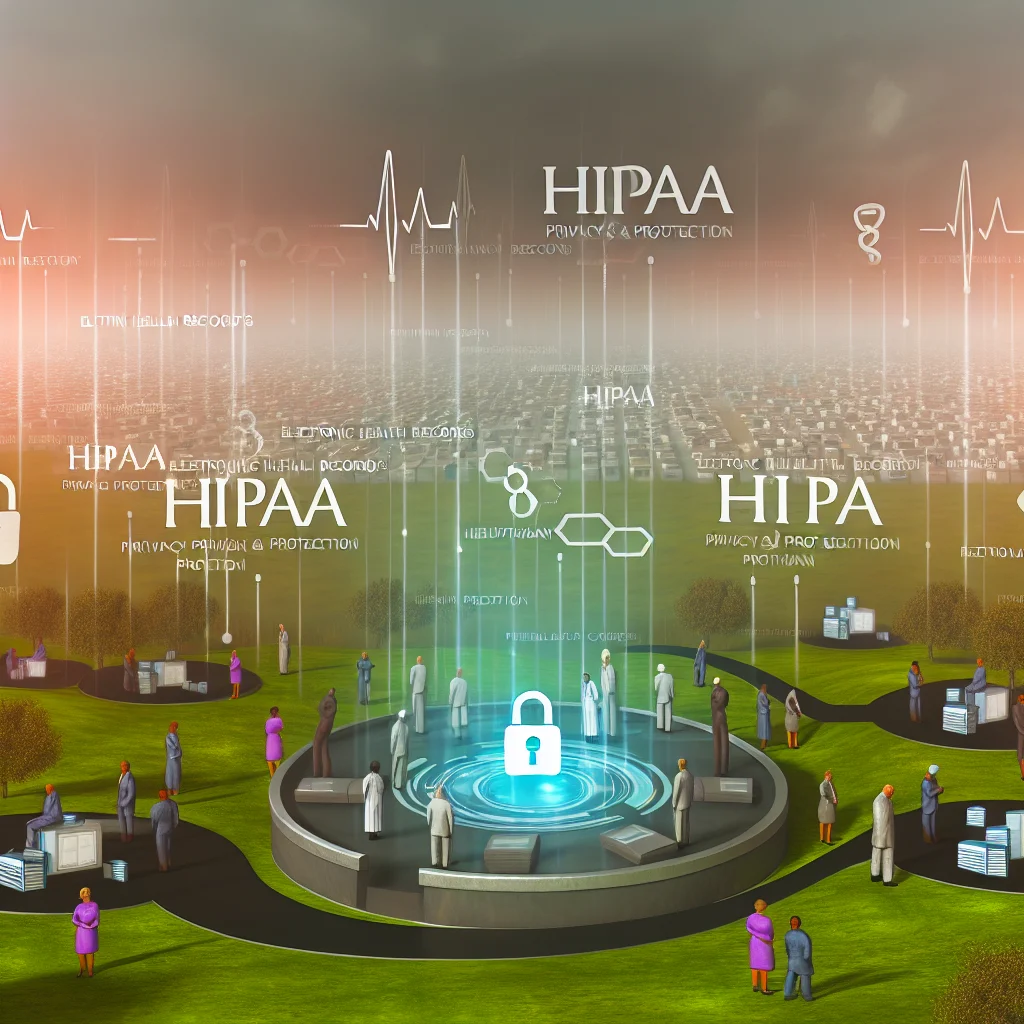
In the rapidly evolving landscape of healthcare information technology, ensuring compliance with the Health Insurance Portability and Accountability Act (HIPAA) remains a critical priority for healthcare organizations. As digital transformation continues to reshape the healthcare sector, the integration of advanced technologies such as electronic health records (EHRs), telemedicine, and cloud computing has introduced new challenges and opportunities in maintaining HIPAA compliance. Consequently, healthcare providers must navigate these complexities to protect patient privacy and secure sensitive health information.
To begin with, understanding the fundamental requirements of HIPAA is essential for any healthcare entity. HIPAA establishes national standards for the protection of individually identifiable health information, known as protected health information (PHI). This includes any information that relates to an individual’s health status, provision of healthcare, or payment for healthcare that can be linked to a specific person. The HIPAA Privacy Rule and Security Rule are the two main components that healthcare organizations must adhere to. The Privacy Rule sets standards for the protection of PHI, while the Security Rule outlines the necessary safeguards to ensure the confidentiality, integrity, and availability of electronic PHI (ePHI).
As healthcare systems increasingly rely on digital solutions, the risk of data breaches and unauthorized access to PHI has grown. Therefore, implementing robust security measures is paramount. Encryption, for instance, is a critical tool in safeguarding ePHI. By converting data into a coded format, encryption ensures that even if data is intercepted, it remains unreadable to unauthorized individuals. Additionally, access controls are vital in limiting who can view or modify PHI. Role-based access control (RBAC) is an effective strategy, allowing organizations to assign permissions based on an individual’s role within the organization, thereby minimizing the risk of unauthorized access.
Moreover, regular risk assessments are indispensable in identifying potential vulnerabilities within healthcare IT systems. These assessments enable organizations to evaluate their current security posture and implement necessary improvements. By conducting thorough risk analyses, healthcare providers can proactively address potential threats and ensure that their systems remain compliant with HIPAA regulations. Furthermore, employee training plays a crucial role in maintaining compliance. Educating staff about HIPAA requirements and the importance of safeguarding PHI fosters a culture of security awareness and accountability.
In addition to internal measures, healthcare organizations must also consider the role of third-party vendors in maintaining HIPAA compliance. Many healthcare providers rely on external partners for services such as cloud storage, billing, and data analytics. It is imperative that these vendors also adhere to HIPAA standards. Establishing business associate agreements (BAAs) with third-party vendors is a necessary step in ensuring that they are contractually obligated to protect PHI and comply with HIPAA regulations.
As technology continues to advance, the healthcare industry must remain vigilant in its efforts to protect patient information. Emerging technologies such as artificial intelligence and the Internet of Things (IoT) present new opportunities for improving patient care but also introduce additional risks. Therefore, healthcare organizations must continuously adapt their strategies to address these evolving challenges. By prioritizing HIPAA compliance and implementing comprehensive security measures, healthcare providers can safeguard patient privacy and maintain the trust of those they serve. In doing so, they not only comply with legal requirements but also contribute to the overall integrity and reliability of the healthcare system.
Integrating Medical Data: The Future of Healthcare Systems and Technology
The integration of medical data within healthcare systems represents a pivotal advancement in the realm of healthcare technology. As the digital age continues to evolve, the seamless incorporation of data from various sources into a unified system is becoming increasingly essential. This integration not only enhances the efficiency of healthcare delivery but also significantly improves patient outcomes. By leveraging advanced technologies, healthcare providers can now access comprehensive patient information, enabling them to make more informed decisions and offer personalized care.
One of the primary benefits of integrating medical data is the facilitation of interoperability among different healthcare systems. Interoperability ensures that disparate systems can communicate effectively, allowing for the smooth exchange of information. This capability is crucial in a landscape where patients often receive care from multiple providers across various settings. By ensuring that all relevant data is readily available, healthcare professionals can avoid redundant tests and procedures, thereby reducing costs and minimizing the risk of errors.
Moreover, the integration of medical data supports the implementation of electronic health records (EHRs), which serve as a centralized repository for patient information. EHRs provide a comprehensive view of a patient’s medical history, including diagnoses, treatments, and medications. This holistic perspective is invaluable for healthcare providers, as it enables them to track patient progress over time and identify potential health issues before they become critical. Additionally, EHRs facilitate better coordination of care, as all members of a patient’s healthcare team can access the same information, ensuring consistency in treatment plans.
In addition to improving clinical outcomes, the integration of medical data also plays a significant role in advancing medical research. By aggregating data from diverse sources, researchers can identify patterns and trends that may not be apparent in smaller datasets. This wealth of information can lead to the development of new treatment protocols and the discovery of novel therapeutic targets. Furthermore, integrated data systems can support the implementation of precision medicine, which tailors treatment plans to the individual characteristics of each patient, thereby enhancing the efficacy of interventions.
However, the integration of medical data is not without its challenges. Ensuring data privacy and security is paramount, as healthcare information is highly sensitive. Robust cybersecurity measures must be in place to protect against unauthorized access and data breaches. Additionally, the standardization of data formats is essential to facilitate interoperability. Without standardized data, the exchange of information between systems can be hindered, limiting the potential benefits of integration.
Despite these challenges, the future of healthcare systems and technology is undeniably intertwined with the successful integration of medical data. As technology continues to advance, the potential for more sophisticated data analytics and artificial intelligence applications will further enhance the capabilities of healthcare systems. These innovations promise to revolutionize the way healthcare is delivered, making it more efficient, effective, and patient-centered.
In conclusion, the integration of medical data is a critical component of modern healthcare systems. By enabling interoperability, supporting EHRs, and advancing medical research, integrated data systems hold the promise of transforming healthcare delivery. While challenges remain, the continued evolution of technology and the commitment to overcoming these obstacles will ensure that the future of healthcare is bright, with improved outcomes for patients and more efficient systems for providers.
Unlock the potential of Healthcare IT with our comprehensive insights into 15 leading healthcare systems. Discover innovative solutions and strategies to enhance patient care and operational efficiency. Explore Healthcare IT Insights Now.