Understanding Encryption: A Key Component in DLP Systems
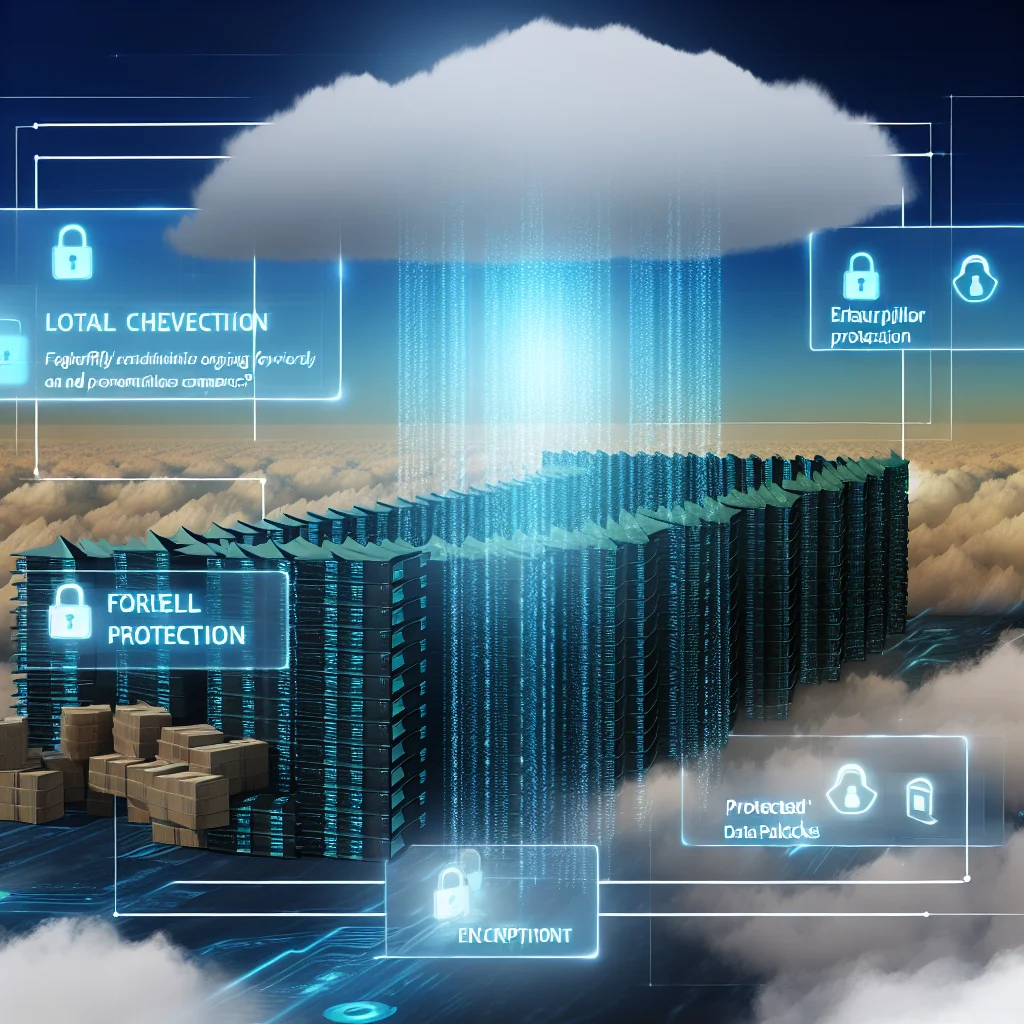
Data Loss Prevention (DLP) systems have become an essential component in safeguarding sensitive information within organizations. As cyber threats continue to evolve, the need for robust security measures has never been more critical. One of the key components of effective DLP systems is encryption, a process that transforms readable data into an encoded format, accessible only to those possessing the necessary decryption key. Understanding encryption’s role in DLP systems is crucial for organizations aiming to protect their data from unauthorized access and potential breaches.
Encryption serves as a formidable barrier against data breaches, ensuring that even if data is intercepted, it remains unintelligible to unauthorized users. This process involves the use of algorithms to convert plaintext into ciphertext, which can only be reverted to its original form through decryption. By implementing encryption, organizations can significantly reduce the risk of data exposure, thereby maintaining the confidentiality and integrity of their information. Moreover, encryption is not limited to data at rest; it also extends to data in transit, providing comprehensive protection across various stages of data handling.
Incorporating encryption into DLP systems offers several advantages. Firstly, it enhances data security by adding an additional layer of protection. Even if other security measures fail, encrypted data remains secure, as it cannot be easily deciphered without the appropriate key. Secondly, encryption aids in compliance with regulatory requirements. Many industries are subject to stringent data protection regulations, such as the General Data Protection Regulation (GDPR) and the Health Insurance Portability and Accountability Act (HIPAA), which mandate the use of encryption to safeguard sensitive information. By adhering to these regulations, organizations can avoid hefty fines and reputational damage.
Furthermore, encryption fosters trust among stakeholders, including customers, partners, and employees. When individuals know that their data is protected by robust encryption measures, they are more likely to engage with the organization, confident that their information is secure. This trust is invaluable, as it can lead to increased customer loyalty and stronger business relationships. Additionally, encryption can serve as a deterrent to potential cybercriminals, who may be less inclined to target organizations with strong encryption protocols in place.
However, while encryption is a powerful tool within DLP systems, it is not without its challenges. One of the primary concerns is key management, which involves the creation, distribution, and storage of encryption keys. Effective key management is crucial, as the loss or compromise of keys can render encrypted data inaccessible or vulnerable. Organizations must implement robust key management practices to ensure the security and availability of their encryption keys.
Another challenge is the potential impact on system performance. Encryption and decryption processes can be resource-intensive, potentially slowing down data processing and transmission. To mitigate this, organizations should carefully assess their encryption needs and choose algorithms that balance security with performance. Advances in encryption technology continue to address these challenges, offering more efficient and secure solutions.
In conclusion, encryption is a vital component of DLP systems, providing essential protection for sensitive data. By transforming data into an unreadable format, encryption safeguards information from unauthorized access, ensuring compliance with regulatory requirements and fostering trust among stakeholders. Despite the challenges associated with key management and system performance, the benefits of encryption far outweigh the drawbacks. As cyber threats continue to evolve, organizations must prioritize encryption within their DLP strategies to protect their most valuable asset: their data.
Compliance Tools and Their Role in Data Loss Prevention
In today’s digital landscape, the importance of safeguarding sensitive information cannot be overstated. As organizations increasingly rely on digital data, the risk of data breaches and unauthorized access has grown exponentially. Consequently, data loss prevention (DLP) systems have become indispensable tools for ensuring data security and compliance with regulatory standards. These systems are designed to detect and prevent potential data breaches by monitoring, detecting, and blocking sensitive data from being transmitted or accessed inappropriately. Compliance tools play a crucial role in the effectiveness of DLP systems, as they help organizations adhere to various legal and regulatory requirements, thereby minimizing the risk of data loss and associated penalties.
To understand the significance of compliance tools in DLP systems, it is essential to recognize the regulatory landscape that organizations must navigate. Regulations such as the General Data Protection Regulation (GDPR), the Health Insurance Portability and Accountability Act (HIPAA), and the California Consumer Privacy Act (CCPA) impose stringent requirements on how organizations handle personal and sensitive data. Non-compliance with these regulations can result in severe financial penalties and reputational damage. Therefore, integrating compliance tools within DLP systems is not merely a best practice but a necessity for organizations aiming to protect their data assets and maintain regulatory compliance.
Compliance tools within DLP systems function by providing organizations with the ability to classify and categorize data based on its sensitivity and regulatory requirements. This classification enables organizations to apply appropriate security measures tailored to the specific needs of different data types. For instance, personal identifiable information (PII) may require more stringent protection compared to less sensitive data. By leveraging compliance tools, organizations can automate the process of data classification, thereby reducing the likelihood of human error and ensuring consistent application of security policies.
Moreover, compliance tools facilitate the creation and enforcement of data handling policies that align with regulatory requirements. These policies dictate how data should be accessed, shared, and stored, ensuring that all actions involving sensitive data are compliant with relevant regulations. DLP systems equipped with compliance tools can automatically enforce these policies, preventing unauthorized access or transmission of sensitive data. This automated enforcement not only enhances data security but also streamlines compliance efforts, allowing organizations to focus on their core business activities without compromising on data protection.
In addition to policy enforcement, compliance tools within DLP systems provide organizations with comprehensive reporting and auditing capabilities. These features enable organizations to track data access and movement, identify potential vulnerabilities, and demonstrate compliance with regulatory requirements. In the event of a data breach or audit, having detailed records of data handling activities can be invaluable in mitigating legal and financial repercussions. Furthermore, these insights allow organizations to continuously refine their data protection strategies, ensuring that they remain aligned with evolving regulatory standards and emerging threats.
In conclusion, compliance tools are integral to the effectiveness of data loss prevention systems. By facilitating data classification, policy enforcement, and comprehensive reporting, these tools enable organizations to navigate the complex regulatory landscape with confidence. As data protection regulations continue to evolve, the role of compliance tools in DLP systems will only become more critical. Organizations that prioritize the integration of these tools within their data protection strategies will be better equipped to safeguard their sensitive information, maintain regulatory compliance, and protect their reputation in an increasingly data-driven world.
Effective Backup Strategies to Support DLP Systems
In the realm of data protection, Data Loss Prevention (DLP) systems play a crucial role in safeguarding sensitive information from unauthorized access and breaches. However, to ensure the effectiveness of these systems, it is imperative to implement robust backup strategies that complement and support DLP efforts. By integrating effective backup solutions, organizations can enhance their data protection framework, thereby minimizing the risk of data loss and ensuring business continuity.
To begin with, understanding the synergy between DLP systems and backup strategies is essential. DLP systems are designed to monitor, detect, and prevent the unauthorized transmission of sensitive data. They focus on identifying potential threats and vulnerabilities within an organization’s network. However, while DLP systems are adept at preventing data breaches, they do not inherently provide a mechanism for data recovery in the event of data loss due to system failures, cyberattacks, or human error. This is where backup strategies come into play, offering a safety net that ensures data can be restored to its original state.
One of the most effective backup strategies is the implementation of the 3-2-1 rule. This rule advocates for maintaining three copies of data: the original data and two backups. These backups should be stored on two different types of media, such as an internal hard drive and an external storage device, to mitigate the risk of data loss due to hardware failure. Additionally, one of these copies should be stored offsite, either in a physical location or in the cloud, to protect against local disasters such as fires or floods. By adhering to the 3-2-1 rule, organizations can ensure that their data is not only protected but also readily accessible in the event of a loss.
Moreover, the integration of cloud-based backup solutions has become increasingly popular due to their scalability, cost-effectiveness, and ease of access. Cloud backups provide an additional layer of security by encrypting data during transmission and storage, thereby aligning with the objectives of DLP systems to protect sensitive information. Furthermore, cloud solutions offer the advantage of automated backups, reducing the likelihood of human error and ensuring that data is consistently backed up without manual intervention.
In addition to cloud solutions, organizations should consider implementing incremental and differential backup strategies. Incremental backups involve saving only the data that has changed since the last backup, which reduces storage requirements and speeds up the backup process. Differential backups, on the other hand, save all changes made since the last full backup, providing a middle ground between full and incremental backups. Both strategies can be tailored to an organization’s specific needs, ensuring that data is backed up efficiently and effectively.
Furthermore, regular testing and validation of backup systems are crucial to ensure their reliability. Organizations should conduct periodic recovery drills to verify that data can be restored quickly and accurately. This proactive approach not only identifies potential issues before they become critical but also instills confidence in the organization’s ability to recover from data loss incidents.
In conclusion, while DLP systems are indispensable for preventing data breaches, they must be supported by comprehensive backup strategies to ensure complete data protection. By implementing the 3-2-1 rule, leveraging cloud-based solutions, and adopting incremental and differential backup methods, organizations can create a resilient data protection framework. Regular testing and validation further enhance this framework, ensuring that data remains secure and recoverable, thereby safeguarding the organization’s operations and reputation.
Access Control Mechanisms to Enhance Data Security
In the contemporary digital landscape, the protection of sensitive information has become a paramount concern for organizations across various sectors. As data breaches and cyber threats continue to evolve in complexity and frequency, the implementation of robust data loss prevention (DLP) systems has emerged as a critical strategy for safeguarding valuable data assets. Central to the efficacy of these systems is the deployment of effective access control mechanisms, which serve as the first line of defense in enhancing data security.
Access control mechanisms are designed to regulate who can view or use resources in a computing environment. By establishing clear parameters around data access, organizations can significantly mitigate the risk of unauthorized data exposure. One of the foundational elements of access control is the principle of least privilege, which dictates that users should be granted the minimum level of access necessary to perform their job functions. This principle not only limits potential damage in the event of a security breach but also reduces the likelihood of accidental data leaks by internal personnel.
Moreover, role-based access control (RBAC) is a widely adopted model that aligns with the principle of least privilege. RBAC assigns permissions to users based on their roles within the organization, ensuring that access rights are consistent with their responsibilities. This model simplifies the management of user permissions and enhances security by preventing unauthorized access to sensitive information. Additionally, RBAC can be complemented by attribute-based access control (ABAC), which considers a broader set of attributes, such as user location and time of access, to make more nuanced access decisions.
Transitioning from traditional access control models, organizations are increasingly exploring the potential of zero trust architecture. Unlike conventional models that assume trust based on network location, zero trust operates on the premise that threats can originate from both inside and outside the network. Consequently, it requires continuous verification of user identity and device integrity before granting access to resources. This approach not only strengthens data security but also aligns with the dynamic nature of modern work environments, where remote access and cloud-based resources are prevalent.
In addition to these models, the integration of multi-factor authentication (MFA) further fortifies access control mechanisms. By requiring users to provide multiple forms of verification, such as a password and a biometric scan, MFA adds an extra layer of security that is difficult for attackers to bypass. This is particularly crucial in protecting against credential theft, a common tactic used in cyberattacks.
Furthermore, the implementation of access control mechanisms must be accompanied by regular audits and monitoring. Continuous monitoring allows organizations to detect and respond to suspicious activities in real-time, thereby minimizing potential damage. Audits, on the other hand, provide insights into access patterns and help identify areas for improvement in the access control framework.
In conclusion, as organizations strive to protect their data assets in an increasingly complex threat landscape, the role of access control mechanisms in enhancing data security cannot be overstated. By adopting a multi-faceted approach that includes principles like least privilege, models such as RBAC and zero trust, and technologies like MFA, organizations can build a resilient defense against data breaches. Ultimately, the integration of these mechanisms into a comprehensive DLP strategy is essential for maintaining the confidentiality, integrity, and availability of sensitive information.
Email Protection Techniques in Modern DLP Systems
In the rapidly evolving landscape of digital communication, email remains a cornerstone of business operations, yet it also represents a significant vector for data breaches. As organizations increasingly rely on email for the exchange of sensitive information, the need for robust data loss prevention (DLP) systems becomes paramount. Modern DLP systems have evolved to incorporate sophisticated email protection techniques, ensuring that sensitive data remains secure while maintaining the efficiency of communication channels.
One of the primary techniques employed by DLP systems to protect email communications is content inspection. This involves scanning outgoing emails for sensitive information, such as personally identifiable information (PII), financial data, or proprietary business information. By utilizing advanced algorithms and machine learning, DLP systems can accurately identify and flag potential data breaches before they occur. This proactive approach not only prevents unauthorized data exposure but also helps organizations comply with regulatory requirements, such as the General Data Protection Regulation (GDPR) and the Health Insurance Portability and Accountability Act (HIPAA).
In addition to content inspection, modern DLP systems leverage encryption to safeguard email communications. Encryption ensures that even if an email is intercepted, the information contained within it remains unreadable to unauthorized parties. By automatically encrypting emails that contain sensitive data, DLP systems provide an additional layer of security that is crucial in today’s threat landscape. Moreover, encryption can be applied selectively, allowing organizations to balance security needs with operational efficiency.
Another critical component of email protection in DLP systems is the implementation of policy-based controls. These controls allow organizations to define specific rules and policies that govern the handling of sensitive information. For instance, a policy might dictate that emails containing certain types of data cannot be sent outside the organization or must be approved by a manager before being transmitted. By enforcing these policies, DLP systems help prevent accidental or intentional data leaks, thereby safeguarding the organization’s intellectual property and reputation.
Furthermore, user education and awareness play a vital role in the effectiveness of DLP systems. While technology can provide robust defenses, human error remains a significant risk factor in data breaches. Modern DLP systems often include training modules and awareness programs designed to educate employees about the importance of data protection and the role they play in maintaining security. By fostering a culture of security awareness, organizations can significantly reduce the likelihood of data loss incidents.
Moreover, the integration of artificial intelligence (AI) and machine learning into DLP systems has enhanced their ability to detect and respond to threats in real-time. These technologies enable DLP systems to learn from past incidents and adapt to new threats, providing a dynamic defense against evolving cyber threats. As a result, organizations can respond more swiftly to potential breaches, minimizing the impact on their operations and reputation.
In conclusion, as email continues to be a critical communication tool for businesses, the need for effective data loss prevention systems is more pressing than ever. By employing a combination of content inspection, encryption, policy-based controls, user education, and advanced technologies like AI, modern DLP systems offer comprehensive protection for email communications. These techniques not only help prevent data breaches but also ensure compliance with regulatory standards, ultimately safeguarding the organization’s most valuable asset: its data. As cyber threats continue to evolve, so too must the strategies and technologies employed to protect against them, making DLP systems an indispensable component of any organization’s cybersecurity strategy.
Discover the latest Data Loss Prevention Insights and explore 11 cutting-edge DLP systems to safeguard your data. Learn more now!