Tech Integration: Revolutionizing Healthcare Systems
In recent years, the integration of technology into healthcare systems has revolutionized the way medical services are delivered, managed, and experienced by both providers and patients. This transformation is driven by the need to improve efficiency, enhance patient care, and reduce costs. As healthcare systems continue to evolve, the role of technology becomes increasingly pivotal, offering innovative solutions that address longstanding challenges within the industry.
One of the most significant advancements in healthcare technology is the adoption of electronic health records (EHRs). EHRs have replaced traditional paper records, providing a comprehensive, digital version of a patient’s medical history. This transition not only streamlines the documentation process but also facilitates better coordination among healthcare providers. With EHRs, medical professionals can access patient information in real-time, leading to more informed decision-making and improved patient outcomes. Moreover, EHRs enhance the accuracy of diagnoses and treatments by reducing the likelihood of errors associated with manual record-keeping.
In addition to EHRs, telemedicine has emerged as a transformative force in healthcare delivery. Telemedicine leverages digital communication tools to provide remote clinical services, making healthcare more accessible to patients, particularly those in rural or underserved areas. By enabling virtual consultations, telemedicine reduces the need for in-person visits, thereby minimizing travel time and associated costs for patients. Furthermore, telemedicine has proven invaluable during public health emergencies, such as the COVID-19 pandemic, by allowing healthcare providers to continue offering essential services while maintaining social distancing protocols.
Another critical aspect of technology integration in healthcare is the use of data analytics. With the vast amount of data generated by healthcare systems, advanced analytics tools are essential for extracting meaningful insights. These tools enable healthcare organizations to identify trends, predict patient outcomes, and optimize resource allocation. For instance, predictive analytics can help identify patients at high risk of developing chronic conditions, allowing for early intervention and personalized care plans. Additionally, data analytics supports population health management by providing a comprehensive view of community health trends, enabling targeted interventions and improved public health strategies.
The integration of artificial intelligence (AI) into healthcare systems further exemplifies the potential of technology to revolutionize the industry. AI applications, such as machine learning algorithms, are being used to enhance diagnostic accuracy, streamline administrative processes, and personalize patient care. For example, AI-powered imaging tools can assist radiologists in detecting anomalies with greater precision, while natural language processing algorithms can automate routine administrative tasks, freeing up valuable time for healthcare professionals to focus on patient care.
Despite the numerous benefits of technology integration, challenges remain. Ensuring data security and patient privacy is paramount, as healthcare systems are increasingly targeted by cyberattacks. Robust cybersecurity measures and compliance with regulations, such as the Health Insurance Portability and Accountability Act (HIPAA), are essential to protect sensitive patient information. Additionally, the successful implementation of technology requires significant investment in infrastructure and training, as well as a cultural shift within healthcare organizations to embrace digital transformation.
In conclusion, the integration of technology into healthcare systems is revolutionizing the industry by enhancing efficiency, improving patient care, and reducing costs. As advancements in EHRs, telemedicine, data analytics, and AI continue to evolve, healthcare systems must navigate the associated challenges to fully realize the potential of these innovations. By doing so, they can ensure that technology serves as a catalyst for positive change, ultimately leading to a more effective and equitable healthcare system for all.
The Role of Medical Data in Modern Healthcare Systems
In the rapidly evolving landscape of modern healthcare systems, the role of medical data has become increasingly pivotal. As healthcare providers strive to deliver more efficient and personalized care, the integration and utilization of medical data have emerged as critical components in achieving these goals. The advent of electronic health records (EHRs) has revolutionized the way patient information is stored, accessed, and analyzed, thereby enhancing the overall quality of care. By digitizing patient records, healthcare systems have not only improved the accuracy and accessibility of medical information but have also paved the way for more sophisticated data analytics.
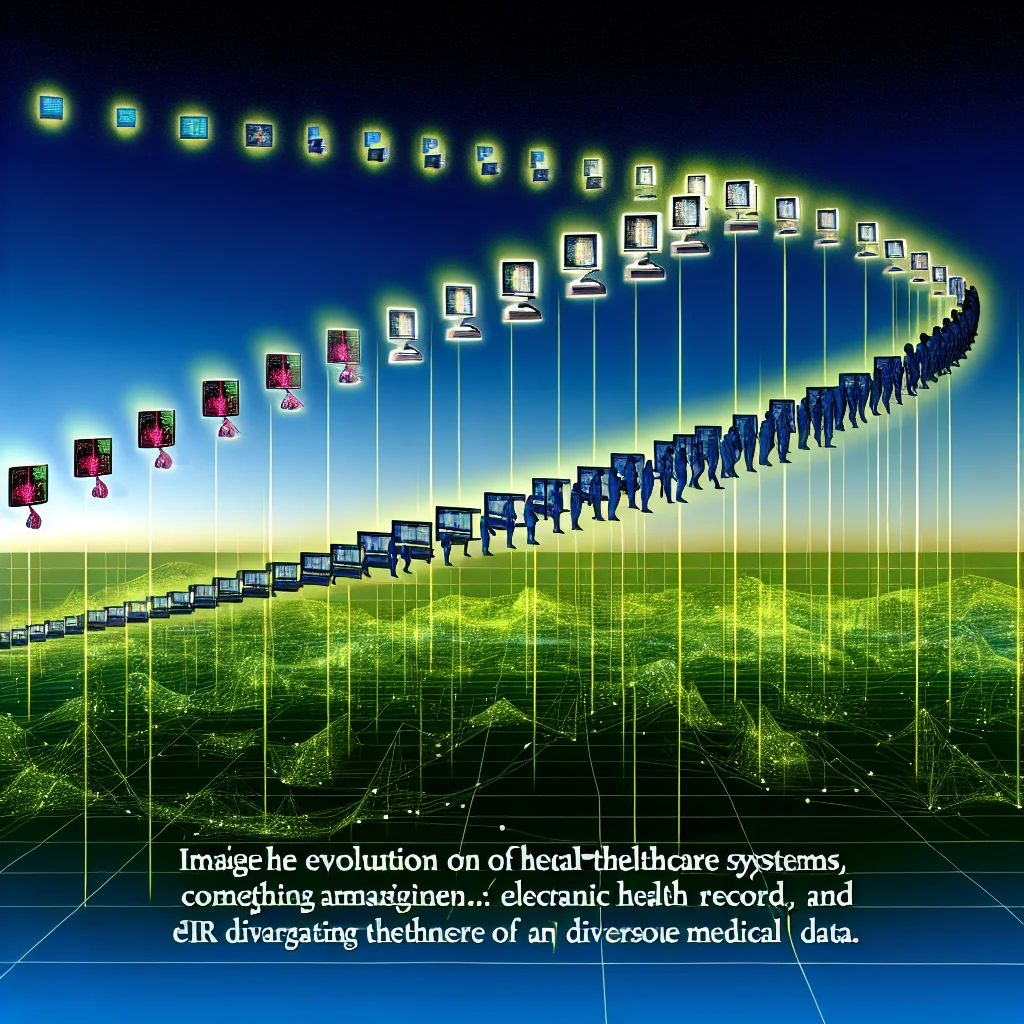
Moreover, the aggregation of medical data from diverse sources, including clinical trials, wearable devices, and genomic studies, has enabled healthcare professionals to gain deeper insights into patient health. This wealth of information facilitates the development of predictive models that can anticipate patient outcomes and identify potential health risks before they manifest. Consequently, healthcare providers can implement preventive measures and tailor treatment plans to meet the unique needs of each patient, thereby improving patient outcomes and reducing healthcare costs.
In addition to enhancing patient care, medical data plays a crucial role in advancing medical research. By analyzing large datasets, researchers can identify patterns and correlations that may not be apparent in smaller studies. This capability accelerates the discovery of new treatments and therapies, ultimately contributing to the advancement of medical science. Furthermore, the sharing of anonymized medical data across institutions fosters collaboration and innovation, as researchers can build upon each other’s findings to drive progress in the field.
However, the increasing reliance on medical data also presents significant challenges, particularly in terms of data privacy and security. As healthcare systems become more interconnected, the risk of data breaches and unauthorized access to sensitive patient information grows. To mitigate these risks, healthcare organizations must implement robust cybersecurity measures and adhere to stringent data protection regulations. Ensuring the confidentiality and integrity of medical data is paramount to maintaining patient trust and safeguarding the reputation of healthcare institutions.
Another challenge lies in the standardization and interoperability of medical data. With numerous healthcare providers utilizing different EHR systems and data formats, achieving seamless data exchange can be difficult. This lack of standardization can hinder the efficient sharing of information and impede the delivery of coordinated care. To address this issue, efforts are underway to develop universal data standards and promote interoperability among healthcare systems. By facilitating the seamless flow of information, these initiatives aim to enhance collaboration and improve patient care across the healthcare continuum.
In conclusion, the role of medical data in modern healthcare systems is multifaceted and indispensable. From improving patient care and advancing medical research to addressing challenges related to data privacy and interoperability, medical data is at the heart of the healthcare transformation. As technology continues to evolve, the potential for medical data to drive innovation and improve health outcomes will only grow. It is imperative for healthcare providers, researchers, and policymakers to work collaboratively to harness the power of medical data while addressing the associated challenges. By doing so, they can ensure that healthcare systems are equipped to meet the demands of the future and deliver high-quality care to patients worldwide.
EHR and Clinical Support: Enhancing Patient Care

The integration of Electronic Health Records (EHR) and clinical decision support systems (CDSS) into healthcare systems has revolutionized the way patient care is delivered. These technological advancements have not only streamlined administrative processes but also significantly enhanced the quality of care provided to patients. As healthcare systems continue to evolve, the role of EHR and CDSS in improving patient outcomes becomes increasingly evident.
EHR systems serve as a digital repository for patient information, encompassing medical history, treatment plans, and diagnostic results. This centralized access to comprehensive patient data facilitates better coordination among healthcare providers, ensuring that all members of a patient’s care team are informed and aligned. Consequently, this reduces the likelihood of medical errors, such as prescription mistakes or redundant testing, which can arise from fragmented information. Moreover, EHRs enable healthcare providers to track patient progress over time, allowing for more informed decision-making and personalized care plans.
In addition to improving data accessibility, EHR systems enhance patient engagement by providing individuals with access to their own health information. This transparency empowers patients to take an active role in their healthcare journey, fostering a collaborative relationship between patients and providers. By understanding their medical history and treatment options, patients are better equipped to make informed decisions about their care, ultimately leading to improved health outcomes.
Complementing EHR systems, clinical decision support systems offer healthcare providers evidence-based guidance to aid in clinical decision-making. These systems analyze patient data and provide recommendations based on the latest medical research and clinical guidelines. By integrating CDSS into their practice, healthcare providers can ensure that their decisions are aligned with the most current standards of care, thereby enhancing the quality of treatment patients receive.
Furthermore, CDSS can assist in identifying potential health risks and suggesting preventive measures, thereby shifting the focus from reactive to proactive care. For instance, by analyzing a patient’s risk factors and medical history, CDSS can alert providers to the possibility of developing chronic conditions, such as diabetes or cardiovascular disease. This early detection allows for timely intervention, which can prevent the progression of these conditions and reduce the burden on healthcare systems.
Despite the numerous benefits of EHR and CDSS, their implementation is not without challenges. Healthcare organizations must address issues related to data privacy and security, as the digitization of health records increases the risk of unauthorized access and data breaches. Ensuring compliance with regulations, such as the Health Insurance Portability and Accountability Act (HIPAA), is crucial to maintaining patient trust and safeguarding sensitive information.
Moreover, the successful integration of EHR and CDSS requires significant investment in infrastructure and training. Healthcare providers must be adequately trained to utilize these systems effectively, and organizations must allocate resources to maintain and update the technology. While these challenges may pose initial hurdles, the long-term benefits of improved patient care and operational efficiency make the investment worthwhile.
In conclusion, the adoption of EHR and clinical decision support systems represents a significant advancement in healthcare delivery. By enhancing data accessibility, promoting patient engagement, and providing evidence-based guidance, these technologies have the potential to transform patient care. As healthcare systems continue to embrace digital solutions, the focus on improving patient outcomes through innovative technology will remain a top priority.
Navigating HIPAA Compliance in Health IT
Navigating the complex landscape of HIPAA compliance in health IT is a critical task for healthcare organizations striving to protect patient information while leveraging technology to improve care. The Health Insurance Portability and Accountability Act (HIPAA), enacted in 1996, sets the standard for protecting sensitive patient data in the United States. As healthcare systems increasingly adopt digital solutions, ensuring compliance with HIPAA regulations has become more challenging yet essential.
To begin with, understanding the core components of HIPAA is crucial for any healthcare entity. The act comprises several rules, including the Privacy Rule, which establishes national standards for the protection of health information, and the Security Rule, which sets standards for electronic health information. Additionally, the Breach Notification Rule requires covered entities to notify affected individuals, the Secretary of Health and Human Services, and, in some cases, the media, of a breach of unsecured protected health information. These rules collectively aim to safeguard patient data while allowing the flow of information necessary to provide high-quality healthcare.
In the realm of health IT, compliance with HIPAA involves implementing robust security measures to protect electronic protected health information (ePHI). This includes administrative, physical, and technical safeguards. Administrative safeguards involve policies and procedures designed to clearly show how the entity will comply with the act. Physical safeguards pertain to the protection of electronic systems and related buildings and equipment from natural and environmental hazards, as well as unauthorized intrusion. Technical safeguards, on the other hand, focus on the technology and the policy and procedures for its use that protect ePHI and control access to it.
Moreover, as healthcare systems integrate more advanced technologies such as cloud computing, mobile devices, and telehealth services, the complexity of maintaining HIPAA compliance increases. Cloud service providers, for instance, must sign a business associate agreement (BAA) with healthcare organizations, ensuring that they will appropriately safeguard ePHI. Similarly, mobile devices used by healthcare professionals must be secured with encryption and strong authentication measures to prevent unauthorized access.
Transitioning to telehealth, this rapidly growing field presents unique challenges and opportunities in the context of HIPAA compliance. Telehealth platforms must ensure secure communication channels to protect patient information during virtual consultations. Encryption, secure login processes, and regular audits are essential components of a compliant telehealth system. Furthermore, healthcare providers must be diligent in obtaining patient consent and ensuring that patients are informed about how their data will be used and protected.
In addition to technological safeguards, fostering a culture of compliance within healthcare organizations is vital. This involves regular training and education for staff to ensure they understand their responsibilities under HIPAA. Employees should be aware of the potential risks and the importance of protecting patient information. Regular audits and assessments can help identify vulnerabilities and areas for improvement, ensuring that the organization remains compliant with evolving regulations.
In conclusion, navigating HIPAA compliance in health IT requires a comprehensive approach that encompasses understanding the regulations, implementing robust security measures, and fostering a culture of compliance. As technology continues to evolve, healthcare organizations must remain vigilant and proactive in their efforts to protect patient information. By doing so, they not only comply with legal requirements but also build trust with patients, ultimately enhancing the quality of care provided.
Emerging Health IT Trends Shaping the Future of Healthcare Systems
In recent years, the healthcare industry has witnessed a transformative shift driven by the rapid advancement of information technology. As healthcare systems strive to improve patient outcomes, reduce costs, and enhance operational efficiency, emerging health IT trends are playing a pivotal role in shaping the future of healthcare delivery. One of the most significant trends is the integration of artificial intelligence (AI) and machine learning into healthcare systems. These technologies are revolutionizing diagnostics, treatment planning, and patient monitoring by enabling more accurate and timely decision-making. For instance, AI algorithms can analyze vast amounts of medical data to identify patterns and predict patient outcomes, thereby assisting healthcare professionals in making informed decisions.
Moreover, the rise of telemedicine has been accelerated by the global pandemic, highlighting its potential to transform healthcare accessibility. Telemedicine platforms allow patients to consult with healthcare providers remotely, breaking down geographical barriers and reducing the need for physical visits. This trend not only enhances convenience for patients but also alleviates the burden on healthcare facilities, allowing them to allocate resources more efficiently. As telemedicine continues to evolve, it is expected to integrate with other digital health tools, such as wearable devices, to provide comprehensive remote patient monitoring and personalized care.
In addition to AI and telemedicine, the adoption of electronic health records (EHRs) has become a cornerstone of modern healthcare systems. EHRs facilitate the seamless exchange of patient information across different healthcare providers, ensuring continuity of care and reducing the risk of medical errors. However, the implementation of EHRs is not without challenges, as concerns about data privacy and interoperability persist. To address these issues, healthcare organizations are increasingly turning to blockchain technology, which offers a secure and transparent way to manage patient data. By decentralizing data storage and providing a tamper-proof record of transactions, blockchain can enhance trust and collaboration among healthcare stakeholders.
Furthermore, the Internet of Medical Things (IoMT) is emerging as a critical component of healthcare IT infrastructure. IoMT encompasses a network of connected devices that collect and transmit health data in real-time, enabling proactive and preventive care. From smart inhalers to connected insulin pumps, these devices empower patients to manage their health conditions more effectively while providing healthcare providers with valuable insights into patient behavior and treatment efficacy. As IoMT devices become more sophisticated, they are expected to integrate with AI and big data analytics, further enhancing their potential to improve patient outcomes.
Another trend shaping the future of healthcare systems is the focus on personalized medicine. Advances in genomics and biotechnology are enabling healthcare providers to tailor treatments to individual patients based on their genetic makeup. This approach not only increases the efficacy of treatments but also minimizes adverse effects, leading to better patient satisfaction and outcomes. As personalized medicine becomes more prevalent, healthcare IT systems will need to adapt to manage and analyze complex genomic data, necessitating robust data management and analytics capabilities.
In conclusion, the future of healthcare systems is being shaped by a confluence of emerging health IT trends, each contributing to a more efficient, accessible, and patient-centered healthcare landscape. As these technologies continue to evolve, healthcare organizations must remain agile and forward-thinking, embracing innovation while addressing challenges related to data security, interoperability, and ethical considerations. By doing so, they can harness the full potential of health IT to deliver high-quality care and improve the overall health and well-being of populations worldwide.
Unlock the Future of Healthcare IT: Discover Key Insights into 27 Healthcare Systems. Explore Now!