Enhancing Medical Data Security: Navigating HIPAA Compliance in Healthcare Systems
In the rapidly evolving landscape of healthcare information technology, ensuring the security of medical data has become a paramount concern. As healthcare systems increasingly rely on digital solutions to manage patient information, the need to navigate the complexities of HIPAA compliance has never been more critical. The Health Insurance Portability and Accountability Act (HIPAA), enacted in 1996, sets the standard for protecting sensitive patient data in the United States. Compliance with HIPAA is not merely a legal obligation but a fundamental component of maintaining trust between healthcare providers and patients.
To begin with, understanding the core requirements of HIPAA is essential for any healthcare organization aiming to enhance its data security measures. HIPAA mandates that healthcare providers, health plans, and their business associates implement robust safeguards to protect electronic protected health information (ePHI). These safeguards are categorized into three main types: administrative, physical, and technical. Administrative safeguards involve the development of policies and procedures to manage the selection, development, and implementation of security measures. Physical safeguards pertain to the protection of electronic systems and related buildings from natural and environmental hazards, as well as unauthorized intrusion. Technical safeguards, on the other hand, focus on the technology and the policies and procedures for its use that protect ePHI and control access to it.
Transitioning from understanding to implementation, healthcare systems must adopt a comprehensive approach to ensure compliance. This involves conducting regular risk assessments to identify potential vulnerabilities in their data management processes. By doing so, organizations can prioritize areas that require immediate attention and allocate resources effectively. Moreover, training staff on HIPAA regulations and the importance of data security is crucial. Employees should be well-versed in recognizing potential threats, such as phishing attacks, and know how to respond appropriately.
In addition to internal measures, healthcare systems must also consider the role of technology in enhancing data security. The adoption of advanced encryption methods is one such strategy that can significantly reduce the risk of data breaches. Encryption ensures that even if data is intercepted, it remains unreadable to unauthorized individuals. Furthermore, implementing multi-factor authentication (MFA) adds an additional layer of security by requiring users to provide two or more verification factors to gain access to sensitive information.
As healthcare systems continue to integrate new technologies, such as cloud computing and telemedicine, the challenge of maintaining HIPAA compliance becomes more complex. Cloud service providers, for instance, must be carefully vetted to ensure they meet HIPAA standards. Establishing business associate agreements (BAAs) with these providers is a critical step in delineating responsibilities and ensuring that all parties are committed to protecting patient data.
Moreover, the rise of telemedicine, accelerated by the COVID-19 pandemic, has introduced new dimensions to data security. Healthcare providers must ensure that virtual consultations are conducted over secure platforms that comply with HIPAA regulations. This includes using end-to-end encryption and ensuring that any data transmitted during these sessions is adequately protected.
In conclusion, enhancing medical data security within healthcare systems is a multifaceted endeavor that requires a thorough understanding of HIPAA regulations, a commitment to ongoing risk assessment, and the strategic implementation of advanced technologies. By prioritizing these elements, healthcare organizations can not only achieve compliance but also foster a culture of trust and security that benefits both providers and patients alike. As the digital landscape continues to evolve, staying informed and proactive in addressing data security challenges will remain a critical component of successful healthcare management.
The Future of EHR: Innovations and Challenges in Health IT Trends
The future of Electronic Health Records (EHR) is poised at a fascinating intersection of innovation and challenge, as healthcare systems worldwide strive to enhance patient care through advanced health IT trends. As the backbone of modern healthcare infrastructure, EHR systems are evolving rapidly, driven by technological advancements and the increasing demand for more efficient, patient-centered care. This evolution is not without its hurdles, but the potential benefits are substantial, promising to transform the way healthcare is delivered and experienced.
One of the most significant innovations in the realm of EHR is the integration of artificial intelligence (AI) and machine learning. These technologies are being harnessed to streamline data management, improve diagnostic accuracy, and personalize patient care. AI algorithms can analyze vast amounts of data far more quickly and accurately than human capabilities allow, identifying patterns and predicting outcomes that can inform clinical decisions. This not only enhances the efficiency of healthcare providers but also improves patient outcomes by enabling more precise and timely interventions.
Moreover, the rise of telemedicine has further underscored the importance of robust EHR systems. As remote consultations become more commonplace, EHRs must adapt to support seamless integration with telehealth platforms. This includes ensuring that patient data is easily accessible and securely shared across different systems and devices. The interoperability of EHR systems is thus a critical focus area, as it facilitates the continuity of care and ensures that healthcare providers have a comprehensive view of a patient’s medical history, regardless of where care is delivered.
However, these advancements are accompanied by significant challenges, particularly in the realm of data security and privacy. As EHR systems become more interconnected and data sharing becomes more prevalent, the risk of data breaches and unauthorized access increases. Healthcare organizations must therefore invest in robust cybersecurity measures to protect sensitive patient information. This includes implementing advanced encryption technologies, conducting regular security audits, and fostering a culture of vigilance among healthcare staff.
In addition to security concerns, the complexity of EHR systems poses another challenge. Many healthcare providers find themselves grappling with cumbersome interfaces and inefficient workflows that can detract from patient care. To address this, there is a growing emphasis on user-centered design in the development of EHR systems. By prioritizing the needs and experiences of healthcare providers, developers can create more intuitive and efficient systems that enhance, rather than hinder, clinical workflows.
Furthermore, the regulatory landscape surrounding EHR systems is continually evolving, presenting both challenges and opportunities. Compliance with regulations such as the Health Insurance Portability and Accountability Act (HIPAA) in the United States is essential to ensure the protection of patient data. At the same time, regulatory frameworks can drive innovation by setting standards for interoperability and data exchange, encouraging the development of more integrated and cohesive healthcare systems.
In conclusion, the future of EHR is characterized by a dynamic interplay of innovation and challenge. As healthcare systems continue to embrace digital transformation, the potential for EHR systems to enhance patient care is immense. By leveraging cutting-edge technologies, addressing security and usability concerns, and navigating the regulatory landscape, healthcare organizations can unlock the full potential of EHR systems, paving the way for a more efficient, effective, and patient-centered healthcare future.
Tech Integration in Healthcare: Streamlining Clinical Support Systems
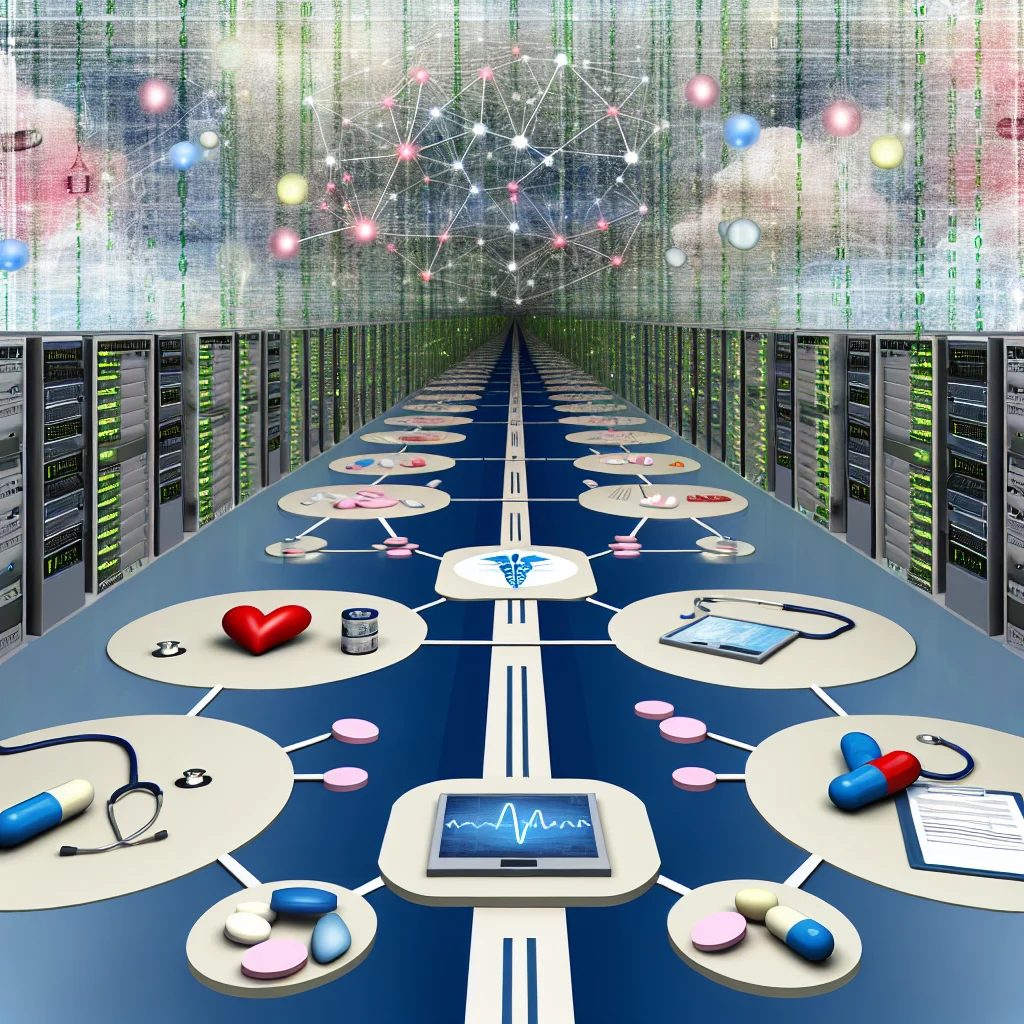
In recent years, the integration of technology into healthcare systems has become a pivotal factor in enhancing the efficiency and effectiveness of clinical support systems. As healthcare providers strive to deliver high-quality patient care, the adoption of advanced technological solutions has emerged as a critical component in streamlining operations and improving outcomes. The seamless integration of technology into healthcare not only optimizes clinical workflows but also enhances decision-making processes, ultimately leading to better patient experiences and outcomes.
One of the primary benefits of integrating technology into healthcare systems is the improvement in data management and accessibility. Electronic Health Records (EHRs) have revolutionized the way patient information is stored, accessed, and shared among healthcare professionals. By digitizing patient records, healthcare providers can ensure that critical information is readily available, reducing the likelihood of errors and facilitating more informed clinical decisions. Moreover, EHRs enable the efficient coordination of care across different departments and specialties, ensuring that all members of a patient’s care team have access to the same comprehensive information.
In addition to EHRs, the implementation of clinical decision support systems (CDSS) has further enhanced the ability of healthcare providers to make informed decisions. These systems utilize data analytics and evidence-based guidelines to provide clinicians with real-time support, helping them to identify potential issues and recommend appropriate interventions. By integrating CDSS into clinical workflows, healthcare providers can reduce the incidence of medical errors, improve patient safety, and enhance the overall quality of care.
Furthermore, the integration of telemedicine into healthcare systems has expanded access to care, particularly for patients in remote or underserved areas. Telemedicine platforms enable healthcare providers to conduct virtual consultations, monitor patients remotely, and provide timely interventions without the need for in-person visits. This not only increases the accessibility of healthcare services but also reduces the burden on healthcare facilities, allowing them to allocate resources more efficiently.
The use of artificial intelligence (AI) and machine learning in healthcare is another area where technology integration is making significant strides. AI algorithms can analyze vast amounts of data to identify patterns and predict outcomes, assisting healthcare providers in diagnosing conditions more accurately and developing personalized treatment plans. Machine learning models can also be used to optimize resource allocation, predict patient admissions, and improve operational efficiency within healthcare facilities.
Despite the numerous benefits of technology integration in healthcare, there are challenges that must be addressed to ensure successful implementation. Data security and patient privacy are paramount concerns, as the digitization of health records increases the risk of cyberattacks and unauthorized access. Healthcare organizations must invest in robust cybersecurity measures and adhere to strict regulatory standards to protect sensitive patient information.
Moreover, the successful integration of technology into healthcare systems requires significant investment in infrastructure, training, and change management. Healthcare providers must ensure that their staff are adequately trained to use new technologies and that workflows are adapted to incorporate these tools effectively. This often involves a cultural shift within organizations, as well as ongoing support and education to ensure that technology is used to its full potential.
In conclusion, the integration of technology into healthcare systems is transforming the way clinical support systems operate, leading to improved patient care and outcomes. By embracing technological advancements such as EHRs, CDSS, telemedicine, and AI, healthcare providers can streamline operations, enhance decision-making, and expand access to care. However, to fully realize the benefits of technology integration, healthcare organizations must address challenges related to data security, infrastructure, and training, ensuring that these innovations are implemented effectively and sustainably.
Leveraging Health IT Trends for Improved Patient Outcomes in Healthcare Systems
In recent years, the integration of information technology into healthcare systems has become a pivotal factor in enhancing patient outcomes. As healthcare systems continue to evolve, leveraging health IT trends is essential for improving the quality of care, increasing efficiency, and reducing costs. One of the most significant trends in health IT is the adoption of electronic health records (EHRs). EHRs have revolutionized the way patient information is stored and accessed, providing healthcare professionals with comprehensive and up-to-date patient data. This accessibility facilitates better decision-making and coordination among healthcare providers, ultimately leading to improved patient outcomes.
Moreover, the rise of telemedicine has transformed patient care by making healthcare services more accessible, especially for those in remote or underserved areas. Telemedicine allows patients to consult with healthcare providers via video calls, reducing the need for in-person visits and enabling timely medical interventions. This trend not only enhances patient convenience but also ensures that individuals receive the necessary care without delay, which is crucial for managing chronic conditions and preventing complications.
In addition to telemedicine, the use of wearable health devices has gained traction, offering patients and healthcare providers valuable insights into health metrics such as heart rate, physical activity, and sleep patterns. These devices empower patients to take a proactive role in managing their health, while also providing healthcare professionals with real-time data to monitor and adjust treatment plans as needed. The integration of wearable technology into healthcare systems exemplifies how health IT can facilitate personalized care and improve patient outcomes.
Furthermore, the application of artificial intelligence (AI) in healthcare is another trend that holds great promise. AI algorithms can analyze vast amounts of data to identify patterns and predict patient outcomes, assisting healthcare providers in making informed decisions. For instance, AI can aid in early diagnosis by detecting anomalies in medical imaging, thereby enabling prompt intervention and improving prognosis. Additionally, AI-driven tools can optimize administrative tasks, allowing healthcare professionals to focus more on patient care.
The importance of data interoperability cannot be overlooked when discussing health IT trends. Seamless data exchange between different healthcare systems ensures that patient information is consistently updated and accessible across various platforms. This interoperability is crucial for coordinated care, as it allows healthcare providers to have a holistic view of a patient’s medical history, leading to more accurate diagnoses and effective treatment plans.
Cybersecurity is another critical aspect of health IT that must be addressed to protect patient data and maintain trust in healthcare systems. As digital health records and online consultations become more prevalent, safeguarding sensitive information from cyber threats is paramount. Implementing robust security measures and ensuring compliance with regulations such as the Health Insurance Portability and Accountability Act (HIPAA) are essential steps in maintaining the integrity of health IT systems.
In conclusion, leveraging health IT trends is vital for enhancing patient outcomes in modern healthcare systems. The adoption of electronic health records, telemedicine, wearable devices, artificial intelligence, data interoperability, and cybersecurity measures collectively contribute to a more efficient and effective healthcare environment. As these technologies continue to advance, healthcare systems must remain adaptable and forward-thinking to fully realize the potential of health IT in improving patient care and outcomes. By embracing these trends, healthcare providers can ensure that they are well-equipped to meet the evolving needs of patients in an increasingly digital world.
Optimizing Healthcare Systems: The Role of Medical Data and EHR in Clinical Support
In the rapidly evolving landscape of healthcare, the integration of information technology has become a cornerstone for optimizing healthcare systems. Central to this transformation is the utilization of medical data and Electronic Health Records (EHR), which play a pivotal role in enhancing clinical support. As healthcare providers strive to deliver more efficient and effective care, the strategic use of these digital tools is proving indispensable.
Medical data, encompassing a vast array of patient information, is the lifeblood of modern healthcare systems. It includes everything from patient demographics and medical histories to diagnostic test results and treatment plans. The ability to collect, store, and analyze this data is crucial for healthcare providers aiming to improve patient outcomes. By leveraging medical data, clinicians can make more informed decisions, tailor treatments to individual patients, and predict potential health issues before they become critical. This data-driven approach not only enhances the quality of care but also contributes to cost reduction by minimizing unnecessary tests and procedures.
Electronic Health Records, a digital version of a patient’s paper chart, are at the forefront of this data revolution. EHRs provide real-time, patient-centered records that make information available instantly and securely to authorized users. They are designed to go beyond standard clinical data collected in a provider’s office and can include a broader view of a patient’s care. The implementation of EHR systems has been shown to improve the accuracy and clarity of medical records, reduce duplication of tests, and facilitate better communication among healthcare providers. This seamless exchange of information is critical in ensuring continuity of care, especially for patients with complex medical conditions requiring multidisciplinary management.
Moreover, EHRs serve as a foundation for advanced clinical support systems. These systems utilize algorithms and artificial intelligence to analyze medical data and provide clinicians with evidence-based recommendations. For instance, clinical decision support systems (CDSS) can alert healthcare providers to potential drug interactions, suggest alternative treatment options, or flag abnormal lab results that require further investigation. By integrating these tools into their practice, clinicians can enhance their diagnostic accuracy and treatment efficacy, ultimately leading to improved patient outcomes.
However, the optimization of healthcare systems through medical data and EHRs is not without challenges. Data privacy and security remain paramount concerns, as the digitization of health records increases the risk of unauthorized access and data breaches. Healthcare organizations must implement robust security measures and comply with regulations such as the Health Insurance Portability and Accountability Act (HIPAA) to protect patient information. Additionally, the transition to EHR systems requires significant investment in technology and training, which can be a barrier for some healthcare providers.
Despite these challenges, the benefits of integrating medical data and EHRs into healthcare systems are undeniable. As technology continues to advance, the potential for these tools to transform clinical support and patient care will only grow. By embracing these innovations, healthcare providers can optimize their systems, improve patient outcomes, and ultimately, contribute to a more efficient and effective healthcare system. As we look to the future, the role of medical data and EHRs in clinical support will undoubtedly continue to expand, offering new opportunities for enhancing the quality and delivery of healthcare.
Unlock the future of healthcare with cutting-edge IT insights. Discover how 21 innovative healthcare systems are transforming patient care. Explore now.