Understanding DLP Systems: Key Features and Benefits for Data Breach Prevention
Data Loss Prevention (DLP) systems have become an essential component in the arsenal of cybersecurity tools employed by organizations to safeguard sensitive information. As the digital landscape continues to evolve, the risk of data breaches has escalated, prompting businesses to adopt more robust measures to protect their data. Understanding the key features and benefits of DLP systems is crucial for organizations aiming to enhance their data breach prevention strategies.
At the core of DLP systems is their ability to identify, monitor, and protect sensitive data across various platforms and devices. These systems are designed to prevent unauthorized access and dissemination of critical information, thereby mitigating the risk of data breaches. One of the primary features of DLP systems is data identification and classification. By employing advanced algorithms and machine learning techniques, DLP systems can accurately identify sensitive data, such as personally identifiable information (PII), financial records, and intellectual property. This capability allows organizations to apply appropriate security measures tailored to the sensitivity of the data.
In addition to data identification, DLP systems offer comprehensive monitoring capabilities. They continuously track data movement across networks, endpoints, and cloud environments, providing real-time visibility into data usage patterns. This monitoring is crucial for detecting anomalies and potential threats, enabling organizations to respond swiftly to suspicious activities. Furthermore, DLP systems can enforce data protection policies by automatically blocking or encrypting data transfers that violate predefined security rules. This proactive approach not only prevents data breaches but also ensures compliance with regulatory requirements.
Another significant benefit of DLP systems is their ability to integrate seamlessly with existing IT infrastructure. By working in conjunction with other security tools, such as firewalls and intrusion detection systems, DLP solutions provide a holistic approach to data protection. This integration enhances the overall security posture of an organization, creating a multi-layered defense mechanism that is more resilient to cyber threats. Moreover, DLP systems can be customized to align with the specific needs and risk profiles of different organizations, offering flexibility and scalability.
The implementation of DLP systems also fosters a culture of security awareness within organizations. By providing insights into data usage and potential vulnerabilities, these systems encourage employees to adopt best practices for data protection. Training and awareness programs can be developed based on the insights gained from DLP systems, further strengthening the organization’s security framework. Additionally, the reporting and analytics features of DLP systems enable organizations to assess the effectiveness of their data protection strategies and make informed decisions for continuous improvement.
Despite the numerous advantages, it is important to acknowledge the challenges associated with deploying DLP systems. The complexity of implementation and the need for ongoing management can be resource-intensive. Organizations must ensure that they have the necessary expertise and resources to effectively manage DLP systems. Furthermore, striking a balance between security and usability is crucial, as overly restrictive policies may hinder productivity.
In conclusion, DLP systems play a pivotal role in safeguarding sensitive information and preventing data breaches. Their ability to identify, monitor, and protect data, coupled with seamless integration and customization options, makes them an invaluable asset for organizations. By fostering a culture of security awareness and providing actionable insights, DLP systems empower organizations to proactively address data protection challenges. As cyber threats continue to evolve, the adoption of DLP systems will remain a critical component of comprehensive cybersecurity strategies.
Effective Backup Strategies: Enhancing Data Security with DLP Systems
In today’s digital age, the importance of safeguarding sensitive information cannot be overstated. As organizations increasingly rely on digital data, the risk of data breaches and loss has become a significant concern. To mitigate these risks, effective backup strategies are essential, and Data Loss Prevention (DLP) systems play a crucial role in enhancing data security. By integrating DLP systems with robust backup strategies, organizations can ensure the integrity and availability of their data, even in the face of potential threats.
To begin with, it is important to understand the role of DLP systems in data security. DLP systems are designed to detect and prevent unauthorized access to sensitive data. They monitor data in motion, at rest, and in use, ensuring that confidential information does not leave the organization without proper authorization. By implementing DLP systems, organizations can identify potential vulnerabilities and take proactive measures to protect their data. However, while DLP systems are effective in preventing data breaches, they must be complemented by comprehensive backup strategies to ensure data recovery in the event of a loss.
One of the key components of an effective backup strategy is the regular and systematic backup of data. This involves creating copies of data at regular intervals and storing them in secure locations. By doing so, organizations can ensure that they have access to the most recent version of their data in case of a breach or loss. Moreover, it is essential to implement a multi-tiered backup approach, which includes on-site, off-site, and cloud-based backups. This diversification not only enhances data security but also ensures that data can be recovered quickly and efficiently.
In addition to regular backups, organizations should also focus on the encryption of backup data. Encrypting data ensures that even if it falls into the wrong hands, it remains unreadable and secure. DLP systems can be configured to enforce encryption policies, ensuring that all backup data is encrypted before it is stored. This adds an additional layer of security, making it more difficult for unauthorized individuals to access sensitive information.
Furthermore, testing backup systems regularly is crucial to ensure their effectiveness. Organizations should conduct routine tests to verify that their backup systems are functioning correctly and that data can be restored without any issues. This not only helps in identifying potential weaknesses in the backup process but also ensures that the organization is prepared to respond swiftly in the event of a data loss incident.
Another important aspect of enhancing data security with DLP systems is employee training. Employees play a critical role in data security, and their actions can significantly impact the effectiveness of DLP systems and backup strategies. By providing regular training sessions, organizations can educate employees about the importance of data security, the role of DLP systems, and best practices for data handling. This empowers employees to make informed decisions and reduces the likelihood of accidental data breaches.
In conclusion, while DLP systems are instrumental in preventing unauthorized access to sensitive data, they must be integrated with effective backup strategies to ensure comprehensive data security. By implementing regular backups, encrypting data, testing backup systems, and training employees, organizations can enhance their data security posture and protect themselves against potential threats. As the digital landscape continues to evolve, it is imperative for organizations to remain vigilant and proactive in safeguarding their data, ensuring its integrity and availability at all times.
The Role of Access Control in DLP Systems: Protecting Sensitive Information
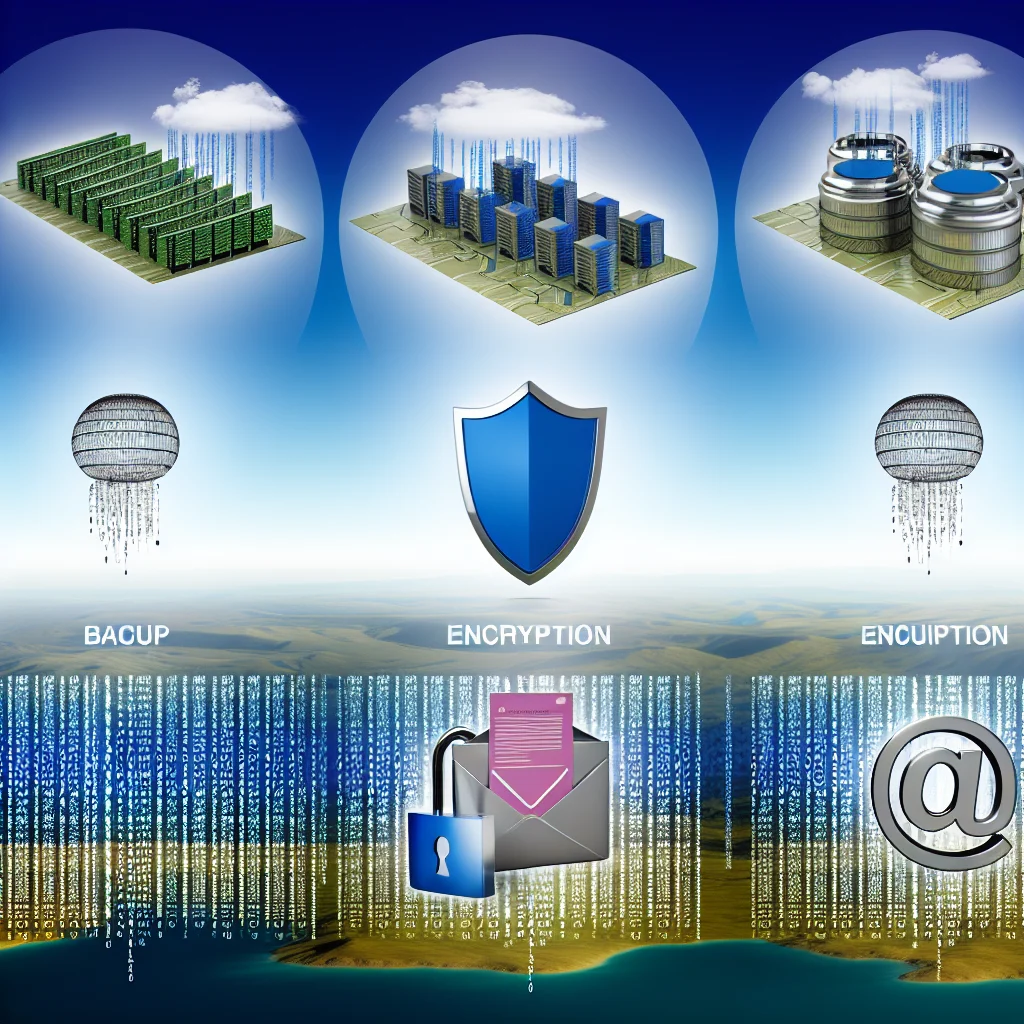
In the realm of data loss prevention (DLP) systems, access control plays a pivotal role in safeguarding sensitive information. As organizations increasingly rely on digital data, the need to protect this information from unauthorized access and potential breaches has become paramount. Access control mechanisms are integral to DLP systems, serving as the first line of defense in ensuring that only authorized individuals have access to sensitive data. By implementing robust access control measures, organizations can significantly reduce the risk of data breaches and maintain the confidentiality, integrity, and availability of their information assets.
Access control in DLP systems involves a combination of policies, procedures, and technologies designed to regulate who can view or use resources in a computing environment. One of the fundamental principles of access control is the concept of least privilege, which dictates that users should be granted the minimum level of access necessary to perform their job functions. This principle helps to limit the potential damage that could be caused by an insider threat or a compromised account. By restricting access to sensitive information, organizations can mitigate the risk of data loss and ensure that their data remains secure.
Moreover, access control mechanisms in DLP systems often incorporate authentication and authorization processes. Authentication verifies the identity of a user, typically through credentials such as passwords, biometrics, or multi-factor authentication. Once a user’s identity is confirmed, the authorization process determines what resources the user is permitted to access. This two-step process is crucial in preventing unauthorized access to sensitive data and ensuring that only legitimate users can interact with critical information.
In addition to authentication and authorization, access control in DLP systems may also involve the use of encryption to protect data both at rest and in transit. Encryption ensures that even if data is intercepted or accessed by unauthorized individuals, it remains unreadable and unusable without the appropriate decryption key. This adds an additional layer of security, making it more difficult for malicious actors to exploit sensitive information.
Furthermore, access control policies must be dynamic and adaptable to the changing needs of an organization. As employees change roles, leave the company, or require different levels of access, access control systems must be updated accordingly to reflect these changes. This requires continuous monitoring and auditing of access control logs to detect any anomalies or unauthorized access attempts. By maintaining an up-to-date and responsive access control system, organizations can better protect their sensitive data and respond swiftly to potential security incidents.
The integration of access control within DLP systems also supports compliance with various regulatory requirements and industry standards. Many regulations, such as the General Data Protection Regulation (GDPR) and the Health Insurance Portability and Accountability Act (HIPAA), mandate strict access control measures to protect personal and sensitive information. By implementing comprehensive access control strategies, organizations can not only enhance their data security posture but also demonstrate compliance with these legal obligations.
In conclusion, access control is a critical component of DLP systems, playing an essential role in protecting sensitive information from unauthorized access and potential breaches. By adhering to the principles of least privilege, employing robust authentication and authorization processes, and ensuring the adaptability of access control policies, organizations can effectively safeguard their data. As the digital landscape continues to evolve, the importance of access control in DLP systems will only grow, underscoring the need for organizations to prioritize this aspect of their data security strategy.
Email Protection and Encryption: Essential Components of DLP Systems
In the realm of data loss prevention (DLP) systems, email protection and encryption stand as pivotal components, ensuring the safeguarding of sensitive information as it traverses digital communication channels. As organizations increasingly rely on email for both internal and external communications, the risk of data breaches and unauthorized access to confidential information has escalated. Consequently, implementing robust email protection and encryption measures has become indispensable for maintaining data integrity and confidentiality.
To begin with, email protection within DLP systems involves a multifaceted approach that encompasses various strategies to prevent unauthorized access and data leakage. One of the primary methods employed is the use of advanced filtering techniques that scrutinize incoming and outgoing emails for potential threats. These filters are designed to detect and block phishing attempts, malware, and other malicious content that could compromise an organization’s data security. By leveraging machine learning algorithms and threat intelligence, DLP systems can adapt to evolving threats, thereby enhancing their effectiveness in protecting email communications.
In addition to filtering, email protection also involves the implementation of access controls and authentication mechanisms. These measures ensure that only authorized personnel can access sensitive information, thereby reducing the risk of data breaches. Multi-factor authentication (MFA) is a widely adopted practice that adds an extra layer of security by requiring users to provide multiple forms of verification before accessing email accounts. This approach significantly mitigates the risk of unauthorized access, even if login credentials are compromised.
Transitioning to the role of encryption in DLP systems, it is essential to understand how encryption serves as a critical line of defense in protecting email communications. Encryption involves converting plain text into a coded format that can only be deciphered by authorized parties possessing the correct decryption key. This ensures that even if emails are intercepted during transmission, the information remains unreadable and secure from prying eyes. End-to-end encryption is particularly effective, as it guarantees that data is encrypted at the source and only decrypted at the intended destination, leaving no room for interception or tampering.
Moreover, encryption is not limited to the content of the emails themselves but extends to attachments and metadata, further bolstering the security of email communications. By encrypting attachments, organizations can prevent unauthorized access to sensitive documents, while encrypting metadata ensures that information about the email’s origin, destination, and subject remains confidential.
As organizations strive to comply with stringent data protection regulations, such as the General Data Protection Regulation (GDPR) and the California Consumer Privacy Act (CCPA), the integration of email protection and encryption within DLP systems becomes even more critical. These regulations mandate the implementation of adequate security measures to protect personal and sensitive data, and failure to comply can result in severe penalties. Therefore, by incorporating comprehensive email protection and encryption strategies, organizations not only safeguard their data but also demonstrate their commitment to regulatory compliance.
In conclusion, email protection and encryption are essential components of DLP systems, playing a crucial role in safeguarding sensitive information from unauthorized access and data breaches. Through advanced filtering techniques, access controls, and robust encryption methods, organizations can ensure the confidentiality and integrity of their email communications. As the digital landscape continues to evolve, the importance of these measures cannot be overstated, making them indispensable tools in the arsenal of modern data loss prevention strategies.
Compliance Tools and DLP Systems: Ensuring Regulatory Adherence and Data Security
In today’s digital landscape, the importance of safeguarding sensitive information cannot be overstated. As organizations increasingly rely on digital data, the risk of data breaches and unauthorized access has grown exponentially. Consequently, compliance with regulatory standards has become a critical concern for businesses across various sectors. Data Loss Prevention (DLP) systems have emerged as essential tools in ensuring both regulatory adherence and data security. These systems are designed to detect and prevent potential data breaches by monitoring, detecting, and blocking sensitive data from being transmitted outside an organization’s network.
To begin with, DLP systems play a pivotal role in helping organizations comply with a myriad of regulatory requirements. Regulations such as the General Data Protection Regulation (GDPR), the Health Insurance Portability and Accountability Act (HIPAA), and the Sarbanes-Oxley Act (SOX) mandate stringent data protection measures. DLP systems assist in meeting these requirements by providing comprehensive data monitoring and control capabilities. For instance, they can identify and classify sensitive data, ensuring that it is handled in accordance with regulatory standards. This capability is crucial for organizations that must demonstrate compliance during audits and inspections.
Moreover, DLP systems offer robust data security features that extend beyond mere compliance. By implementing DLP solutions, organizations can proactively protect their sensitive information from both internal and external threats. These systems are equipped with advanced algorithms that can detect unusual data access patterns, thereby identifying potential security breaches before they occur. Additionally, DLP systems can enforce data encryption and access controls, ensuring that only authorized personnel can access sensitive information. This level of security is vital in preventing data leaks and maintaining the integrity of an organization’s data assets.
Furthermore, the integration of DLP systems with other compliance tools enhances their effectiveness. By working in tandem with security information and event management (SIEM) systems, DLP solutions can provide a more comprehensive view of an organization’s security posture. This integration allows for real-time monitoring and analysis of data flows, enabling organizations to respond swiftly to potential threats. Additionally, DLP systems can be integrated with identity and access management (IAM) solutions to ensure that data access is aligned with an individual’s role and responsibilities within the organization. This alignment is crucial in minimizing the risk of insider threats, which are often more challenging to detect and mitigate.
In addition to their technical capabilities, DLP systems also contribute to fostering a culture of compliance within organizations. By implementing these systems, businesses signal their commitment to data protection and regulatory adherence. This commitment can enhance an organization’s reputation and build trust with clients, partners, and stakeholders. Moreover, DLP systems can serve as a valuable training tool, educating employees about the importance of data security and the role they play in safeguarding sensitive information. This educational aspect is essential in promoting a proactive approach to data protection across the organization.
In conclusion, DLP systems are indispensable tools in the modern digital era, offering a dual benefit of ensuring regulatory compliance and enhancing data security. By integrating these systems with other compliance tools and fostering a culture of data protection, organizations can effectively mitigate the risks associated with data breaches and unauthorized access. As regulatory requirements continue to evolve, the role of DLP systems in maintaining compliance and securing sensitive information will undoubtedly become even more critical.
Discover the top 5 Data Loss Prevention (DLP) systems to safeguard your sensitive information. Enhance your data security strategy today! Learn more.