Understanding DLP Systems: Key Features And Benefits
Data Loss Prevention (DLP) systems have become an essential component in the cybersecurity strategies of organizations worldwide. As the digital landscape continues to evolve, the need to protect sensitive information from unauthorized access, misuse, or theft has never been more critical. Understanding the key features and benefits of DLP systems is crucial for organizations aiming to safeguard their data assets effectively.
At the core of DLP systems is their ability to identify, monitor, and protect sensitive data across various platforms and environments. These systems are designed to prevent data breaches by ensuring that confidential information does not leave the organization’s network without proper authorization. One of the primary features of DLP systems is their ability to classify data based on predefined policies. This classification allows organizations to apply specific security measures to different types of data, ensuring that sensitive information is handled with the utmost care.
Moreover, DLP systems offer robust monitoring capabilities that enable organizations to track data movement across their networks. By continuously monitoring data flow, these systems can detect and alert administrators to any suspicious activities or potential threats. This real-time monitoring is crucial for identifying and mitigating risks before they escalate into significant security incidents. Additionally, DLP systems can generate detailed reports and analytics, providing organizations with valuable insights into their data usage patterns and potential vulnerabilities.
Another significant feature of DLP systems is their ability to enforce data protection policies. These policies can be customized to align with an organization’s specific security requirements and regulatory compliance obligations. By implementing these policies, DLP systems can automatically block or restrict unauthorized data transfers, ensuring that sensitive information remains within the organization’s control. This proactive approach to data protection not only minimizes the risk of data breaches but also helps organizations maintain compliance with industry standards and regulations.
The benefits of implementing DLP systems extend beyond data protection. One of the most notable advantages is the enhancement of an organization’s overall security posture. By providing comprehensive visibility into data movement and usage, DLP systems enable organizations to identify and address potential security gaps. This increased visibility also facilitates better decision-making, allowing organizations to allocate resources more effectively and prioritize their security efforts.
Furthermore, DLP systems contribute to building trust with customers and stakeholders. In an era where data privacy is a top concern, demonstrating a commitment to protecting sensitive information can significantly enhance an organization’s reputation. By implementing robust DLP measures, organizations can reassure their customers that their data is being handled securely, fostering trust and loyalty.
In addition to these benefits, DLP systems can also lead to cost savings in the long run. By preventing data breaches and minimizing the risk of regulatory fines, organizations can avoid the financial repercussions associated with data loss incidents. Moreover, the insights gained from DLP systems can help organizations optimize their data management practices, leading to increased operational efficiency and reduced costs.
In conclusion, understanding the key features and benefits of DLP systems is essential for organizations seeking to protect their sensitive data effectively. By classifying data, monitoring its movement, and enforcing protection policies, DLP systems provide a comprehensive solution to data loss prevention. The enhanced security posture, increased trust, and potential cost savings make DLP systems a valuable investment for any organization committed to safeguarding its data assets in today’s digital age.
Effective Backup Strategies To Complement DLP Systems
In the realm of data protection, Data Loss Prevention (DLP) systems play a crucial role in safeguarding sensitive information from unauthorized access and breaches. However, while DLP systems are instrumental in monitoring and controlling data flow, they are not infallible. To enhance the security framework, it is essential to implement effective backup strategies that complement DLP systems. By doing so, organizations can ensure a more comprehensive approach to data protection, mitigating the risks associated with data loss and ensuring business continuity.
To begin with, understanding the limitations of DLP systems is vital. These systems are designed to prevent data breaches by monitoring data in motion, at rest, and in use. They identify and block unauthorized data transfers, thereby reducing the risk of data leakage. However, DLP systems primarily focus on preventing data loss rather than recovering lost data. This is where backup strategies come into play, providing a safety net that ensures data can be restored in the event of accidental deletion, corruption, or a cyberattack.
One effective backup strategy is the implementation of the 3-2-1 rule. This rule suggests that organizations should maintain three copies of their data: the original data and two backups. These backups should be stored on two different types of media, such as an internal hard drive and an external storage device, to protect against hardware failures. Additionally, one of these backups should be stored offsite, either in a physical location or in the cloud, to safeguard against local disasters such as fires or floods. By adhering to the 3-2-1 rule, organizations can ensure that their data is protected from a wide range of potential threats.
Moreover, regular testing of backup systems is crucial to ensure their reliability. It is not enough to simply create backups; organizations must also verify that these backups can be successfully restored. Regular testing helps identify any issues with the backup process, such as incomplete backups or corrupted files, allowing organizations to address these problems before they result in data loss. Furthermore, testing provides an opportunity to refine backup procedures, ensuring that they remain effective as the organization’s data landscape evolves.
In addition to traditional backup methods, organizations should consider leveraging cloud-based backup solutions. Cloud backups offer several advantages, including scalability, cost-effectiveness, and accessibility. They allow organizations to store large volumes of data without the need for significant upfront investment in hardware. Moreover, cloud backups can be accessed from anywhere with an internet connection, providing flexibility and ensuring that data can be restored quickly in the event of a disaster. However, it is important to choose a reputable cloud service provider that offers robust security measures to protect data from unauthorized access.
Finally, integrating backup strategies with DLP systems can enhance data protection efforts. By ensuring that backup processes are aligned with DLP policies, organizations can maintain control over sensitive data even when it is stored in backup systems. This integration can help prevent unauthorized access to backup data and ensure that data protection measures are consistently applied across all systems.
In conclusion, while DLP systems are essential for preventing data breaches, they must be complemented by effective backup strategies to provide a comprehensive data protection framework. By implementing the 3-2-1 rule, regularly testing backup systems, leveraging cloud-based solutions, and integrating backup strategies with DLP systems, organizations can significantly enhance their ability to protect sensitive data and ensure business continuity in the face of potential data loss incidents.
How DLP Systems Mitigate Data Breach Risks
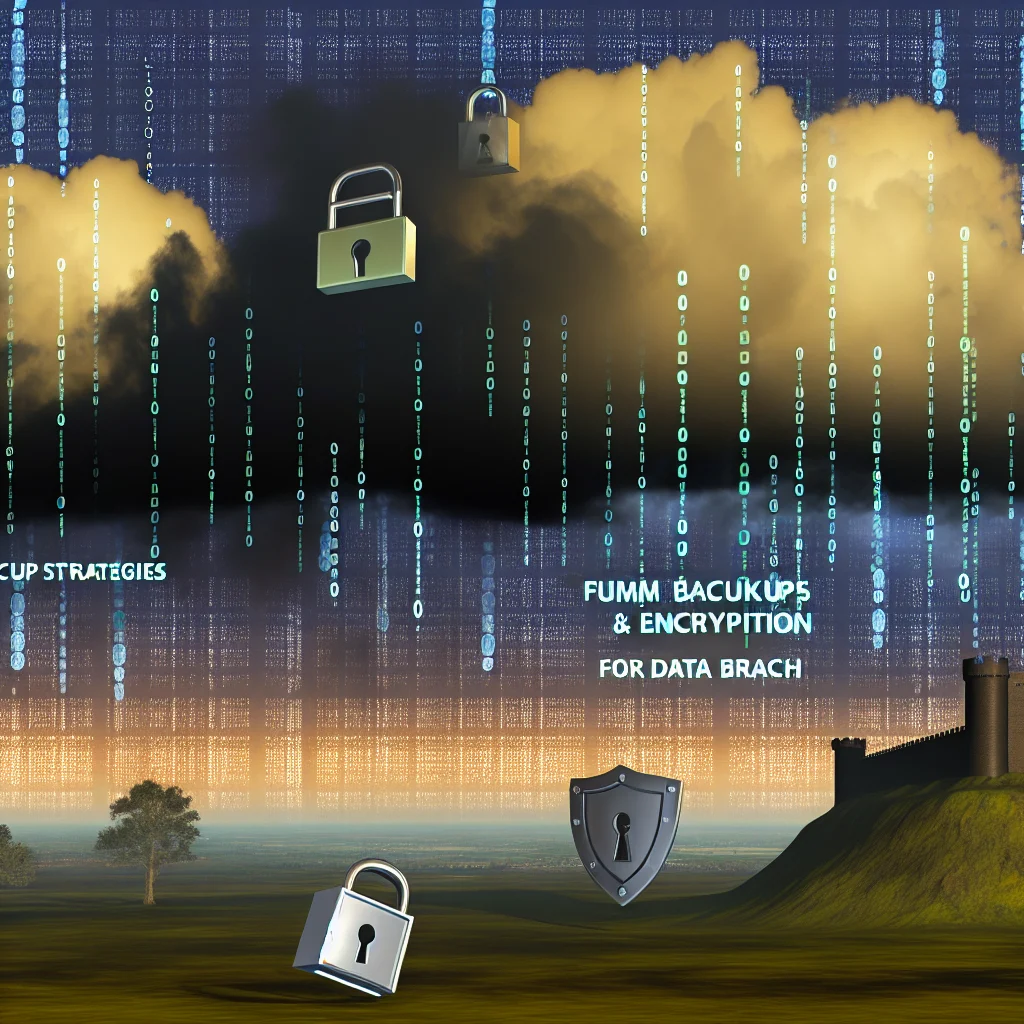
Data Loss Prevention (DLP) systems have become an essential component in the arsenal of cybersecurity measures employed by organizations to safeguard sensitive information. As the digital landscape continues to evolve, the risk of data breaches has escalated, prompting businesses to adopt more sophisticated strategies to protect their data. DLP systems play a crucial role in mitigating these risks by providing comprehensive solutions that monitor, detect, and prevent unauthorized access to sensitive data.
At the core of DLP systems is their ability to identify and classify sensitive information. By leveraging advanced algorithms and machine learning techniques, these systems can accurately discern between different types of data, such as personally identifiable information (PII), financial records, and intellectual property. This classification process is vital, as it enables organizations to apply appropriate security measures tailored to the sensitivity of the data. Consequently, DLP systems help ensure that critical information is adequately protected from potential threats.
Moreover, DLP systems are designed to monitor data in motion, at rest, and in use. This comprehensive approach allows organizations to maintain visibility over their data across various stages of its lifecycle. For instance, when data is in motion, DLP systems can inspect network traffic to detect any unauthorized attempts to transmit sensitive information outside the organization. Similarly, when data is at rest, these systems can scan storage devices to identify and secure sensitive files. By maintaining constant vigilance over data in use, DLP systems can prevent unauthorized access or sharing of information within the organization.
In addition to monitoring capabilities, DLP systems offer robust policy enforcement mechanisms. Organizations can define specific policies that dictate how sensitive data should be handled, and DLP systems can automatically enforce these policies. For example, if a policy prohibits the sharing of certain data types via email, the DLP system can block such actions or alert administrators to potential violations. This automated enforcement not only reduces the risk of human error but also ensures consistent adherence to data protection policies across the organization.
Furthermore, DLP systems provide valuable insights through detailed reporting and analytics. By generating comprehensive reports on data access and usage patterns, these systems enable organizations to identify potential vulnerabilities and areas for improvement. This data-driven approach allows businesses to make informed decisions about their cybersecurity strategies and allocate resources more effectively. Additionally, the analytics capabilities of DLP systems can help organizations detect anomalous behavior that may indicate a potential data breach, allowing for timely intervention.
Another significant advantage of DLP systems is their ability to integrate with other security solutions. By working in tandem with firewalls, intrusion detection systems, and endpoint protection tools, DLP systems can create a more cohesive and robust security framework. This integration enhances the overall effectiveness of an organization’s cybersecurity measures, providing a multi-layered defense against data breaches.
In conclusion, DLP systems are indispensable in mitigating data breach risks by offering a comprehensive suite of tools and capabilities. Through data classification, monitoring, policy enforcement, and integration with other security solutions, these systems provide organizations with the means to protect their sensitive information effectively. As cyber threats continue to evolve, the role of DLP systems in safeguarding data will only become more critical, underscoring the importance of their implementation in modern cybersecurity strategies.
The Role Of Access Control In DLP Systems
In the realm of data loss prevention (DLP) systems, access control plays a pivotal role in safeguarding sensitive information from unauthorized access and potential breaches. As organizations increasingly rely on digital data to drive their operations, the need for robust DLP systems has become more pronounced. Access control, a fundamental component of these systems, serves as the first line of defense by regulating who can view or use resources in a computing environment. This regulation is crucial in ensuring that only authorized personnel have access to sensitive data, thereby minimizing the risk of data breaches.
Access control mechanisms are designed to enforce policies that dictate user permissions and restrictions. These mechanisms can be broadly categorized into discretionary access control (DAC), mandatory access control (MAC), and role-based access control (RBAC). Each of these models offers distinct advantages and is suited to different organizational needs. For instance, DAC allows data owners to determine who can access their data, providing flexibility but potentially leading to inconsistent security practices. In contrast, MAC enforces strict policies set by a central authority, ensuring uniformity but often at the cost of flexibility. RBAC, on the other hand, assigns permissions based on user roles within an organization, striking a balance between security and operational efficiency.
The integration of access control within DLP systems is not merely about restricting access but also about monitoring and managing it. By implementing access control measures, organizations can track user activities and detect anomalies that may indicate potential security threats. This capability is particularly important in identifying insider threats, where individuals with legitimate access may misuse their privileges. Through continuous monitoring, DLP systems can provide real-time alerts and reports, enabling organizations to respond swiftly to any suspicious activities.
Moreover, access control in DLP systems is instrumental in ensuring compliance with regulatory requirements. Many industries are subject to stringent data protection regulations, such as the General Data Protection Regulation (GDPR) in Europe or the Health Insurance Portability and Accountability Act (HIPAA) in the United States. These regulations mandate that organizations implement adequate measures to protect personal and sensitive data. By employing robust access control mechanisms, organizations can demonstrate their commitment to data protection and avoid potential legal repercussions.
In addition to regulatory compliance, access control contributes to building trust with customers and stakeholders. In an era where data breaches are increasingly common, demonstrating a proactive approach to data security can enhance an organization’s reputation and foster trust. Customers are more likely to engage with businesses that prioritize the protection of their personal information, making access control a critical component of customer relationship management.
As technology continues to evolve, so too do the challenges associated with data protection. The rise of cloud computing, remote work, and mobile devices has expanded the attack surface, necessitating more sophisticated access control solutions. Organizations must stay abreast of these developments and continuously update their DLP systems to address emerging threats. This ongoing adaptation is essential to maintaining the integrity and confidentiality of sensitive data.
In conclusion, access control is a cornerstone of effective DLP systems, providing a structured approach to managing and protecting sensitive information. By implementing comprehensive access control measures, organizations can mitigate the risk of data breaches, ensure regulatory compliance, and build trust with their stakeholders. As the digital landscape continues to evolve, the role of access control in DLP systems will remain crucial in safeguarding the data that drives modern enterprises.
Integrating Compliance Tools With DLP Systems For Enhanced Security
In today’s digital landscape, the integration of compliance tools with Data Loss Prevention (DLP) systems has become a critical strategy for organizations aiming to enhance their security posture. As businesses increasingly rely on digital data, the risk of data breaches and unauthorized access has grown exponentially. Consequently, ensuring that sensitive information is protected while maintaining compliance with regulatory standards is paramount. By integrating compliance tools with DLP systems, organizations can achieve a more robust security framework that not only safeguards data but also aligns with legal and industry-specific requirements.
To begin with, DLP systems are designed to detect and prevent the unauthorized transmission of sensitive data. They monitor, identify, and block data that violates predefined security policies. However, the effectiveness of DLP systems can be significantly amplified when they are integrated with compliance tools. Compliance tools are specialized software solutions that help organizations adhere to various regulatory standards such as GDPR, HIPAA, and PCI-DSS. These tools provide a framework for managing compliance requirements, conducting audits, and generating reports that demonstrate adherence to regulations.
The integration of compliance tools with DLP systems offers several advantages. Firstly, it ensures that data protection measures are aligned with compliance requirements. This alignment is crucial because regulatory standards often dictate specific data handling and protection protocols. By integrating these tools, organizations can automate the enforcement of compliance-related policies within their DLP systems, thereby reducing the risk of human error and ensuring consistent application of security measures.
Moreover, this integration facilitates a more comprehensive approach to data security. Compliance tools often include features such as risk assessments, policy management, and incident response planning. When these features are combined with the data monitoring and protection capabilities of DLP systems, organizations can create a more holistic security strategy. This comprehensive approach not only protects against data breaches but also prepares organizations to respond effectively in the event of a security incident.
Another significant benefit of integrating compliance tools with DLP systems is the ability to streamline reporting and auditing processes. Compliance regulations often require organizations to maintain detailed records of data handling practices and security measures. By integrating these systems, organizations can automate the generation of compliance reports, making it easier to demonstrate adherence to regulatory standards during audits. This automation not only saves time but also reduces the likelihood of errors in reporting, which can be costly in terms of both financial penalties and reputational damage.
Furthermore, the integration of compliance tools with DLP systems enhances visibility into data flows and potential vulnerabilities. Compliance tools provide insights into areas where an organization may be at risk of non-compliance, while DLP systems offer real-time monitoring of data movement. Together, they provide a comprehensive view of an organization’s data security landscape, enabling proactive identification and mitigation of risks.
In conclusion, the integration of compliance tools with DLP systems represents a strategic approach to enhancing data security and ensuring regulatory compliance. By aligning data protection measures with compliance requirements, organizations can create a more robust security framework that not only protects sensitive information but also supports legal and industry-specific obligations. As the digital landscape continues to evolve, this integrated approach will be essential for organizations seeking to safeguard their data and maintain trust with stakeholders.
Discover essential Data Loss Prevention Insights and explore 17 DLP systems to safeguard your data. Learn more now!