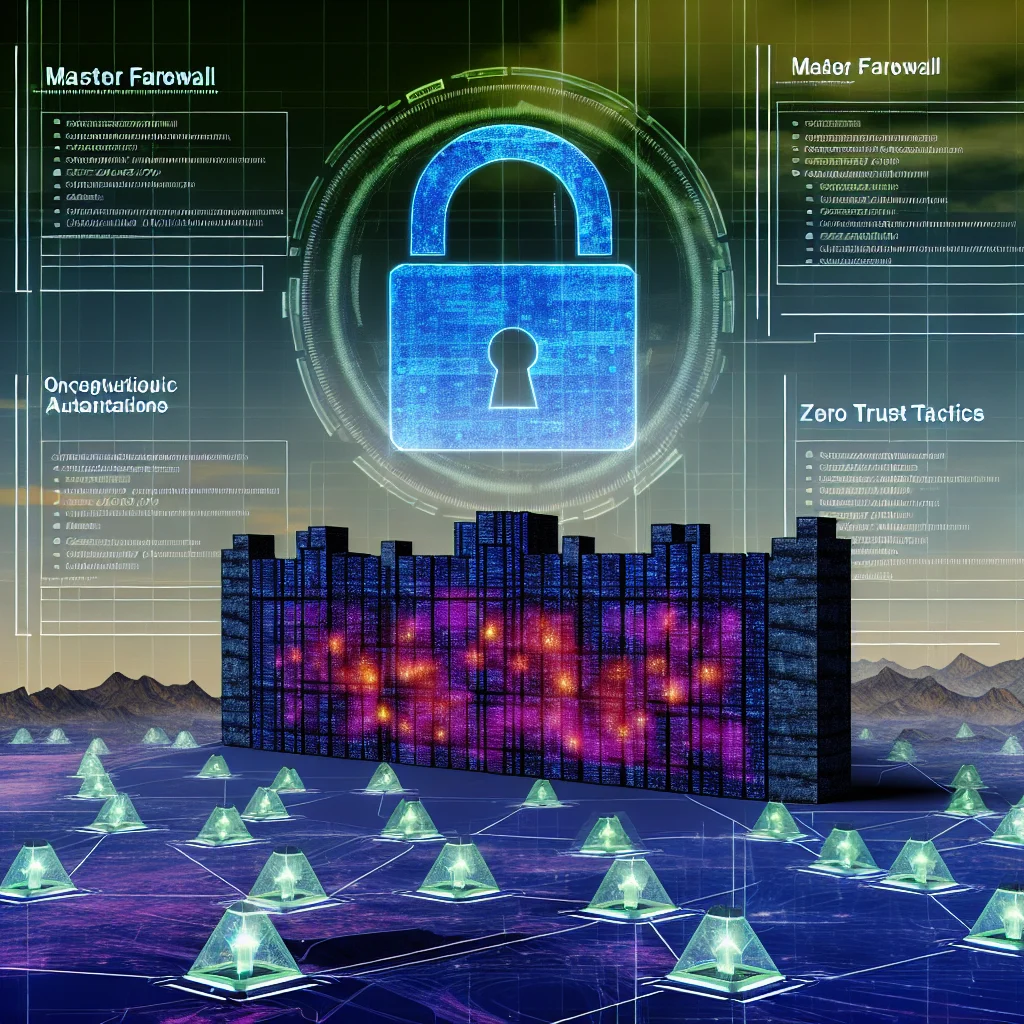
Understanding The Importance Of Firewall Setup In Cybersecurity Audits
In the realm of cybersecurity, the importance of a robust firewall setup cannot be overstated, particularly when conducting cybersecurity audits. Firewalls serve as the first line of defense against unauthorized access and potential threats, acting as a barrier between a trusted internal network and untrusted external networks. As cyber threats continue to evolve in complexity and frequency, the role of firewalls in safeguarding sensitive data and maintaining the integrity of information systems becomes increasingly critical. Therefore, understanding the intricacies of firewall setup is essential for organizations aiming to fortify their cybersecurity posture.
A well-configured firewall is pivotal in preventing unauthorized access to an organization’s network. It meticulously monitors incoming and outgoing traffic based on predetermined security rules, thereby ensuring that only legitimate traffic is allowed to pass through. This capability is crucial in thwarting cyberattacks, such as Distributed Denial of Service (DDoS) attacks, which can cripple an organization’s operations. During a cybersecurity audit, the configuration and effectiveness of the firewall are thoroughly examined to ensure that it is adequately protecting the network from potential threats. This involves assessing the firewall’s rule sets, logging capabilities, and update mechanisms to ensure they align with the organization’s security policies and industry best practices.
Moreover, the integration of firewalls with other security measures is a critical aspect of a comprehensive cybersecurity strategy. Firewalls should not operate in isolation but rather in conjunction with intrusion detection systems (IDS), intrusion prevention systems (IPS), and other security tools to provide a multi-layered defense. This integrated approach enhances the organization’s ability to detect and respond to threats in real-time, thereby minimizing the risk of data breaches. During an audit, the synergy between the firewall and other security components is evaluated to ensure seamless communication and coordination, which are vital for effective threat management.
In addition to technical configurations, the human element plays a significant role in the effectiveness of firewall setups. Regular training and awareness programs for IT staff and employees are essential to ensure that they understand the importance of firewalls and adhere to security protocols. Human error remains one of the leading causes of security breaches, and as such, fostering a culture of cybersecurity awareness is imperative. Auditors often assess the organization’s training programs and incident response plans to ensure that personnel are equipped to handle potential security incidents effectively.
Furthermore, the dynamic nature of cyber threats necessitates continuous monitoring and updating of firewall configurations. Cybercriminals are constantly devising new methods to bypass security measures, making it imperative for organizations to stay ahead of the curve. Regular updates and patches to firewall software are crucial in addressing vulnerabilities and enhancing security features. During a cybersecurity audit, the frequency and effectiveness of these updates are scrutinized to ensure that the firewall remains resilient against emerging threats.
In conclusion, the importance of firewall setup in cybersecurity audits cannot be understated. A well-configured firewall serves as a critical component of an organization’s defense strategy, protecting against unauthorized access and potential cyber threats. By ensuring that firewalls are effectively integrated with other security measures, regularly updated, and supported by a culture of cybersecurity awareness, organizations can significantly enhance their resilience against cyberattacks. As cyber threats continue to evolve, the role of firewalls in safeguarding sensitive data and maintaining the integrity of information systems remains indispensable.
Enhancing Endpoint Protection: A Key Focus In Cybersecurity Audits
In the ever-evolving landscape of cybersecurity, the importance of robust endpoint protection cannot be overstated. As organizations increasingly rely on a multitude of devices to conduct business, each endpoint—be it a laptop, smartphone, or IoT device—represents a potential entry point for cyber threats. Consequently, enhancing endpoint protection has become a pivotal focus in cybersecurity audits, serving as a critical measure to safeguard sensitive data and maintain the integrity of organizational networks.
To begin with, it is essential to understand what constitutes an endpoint in the context of cybersecurity. Endpoints are any devices that connect to a network, and they are often the most vulnerable components due to their widespread use and varied security postures. As such, they are prime targets for cybercriminals seeking to exploit weaknesses and gain unauthorized access to systems. This vulnerability underscores the necessity for comprehensive endpoint protection strategies, which are meticulously evaluated during cybersecurity audits.
A cybersecurity audit serves as a systematic examination of an organization’s security posture, identifying potential vulnerabilities and ensuring compliance with industry standards and regulations. Within this framework, endpoint protection is scrutinized to assess the effectiveness of existing security measures and to identify areas for improvement. This process involves evaluating the deployment of antivirus software, firewalls, and intrusion detection systems, as well as the implementation of security patches and updates. Moreover, audits often examine the configuration of endpoint devices to ensure they adhere to best practices and minimize exposure to threats.
Transitioning to the practical aspects of enhancing endpoint protection, organizations are encouraged to adopt a multi-layered security approach. This involves integrating various security technologies and practices to create a robust defense against cyber threats. For instance, deploying advanced threat detection solutions that leverage artificial intelligence and machine learning can significantly enhance an organization’s ability to identify and respond to emerging threats in real-time. Additionally, implementing strict access controls and authentication mechanisms can prevent unauthorized access to sensitive data and systems.
Furthermore, regular training and awareness programs for employees play a crucial role in strengthening endpoint security. Human error remains one of the leading causes of security breaches, and educating staff about the latest cyber threats and safe computing practices can mitigate this risk. By fostering a culture of cybersecurity awareness, organizations can empower their workforce to act as the first line of defense against potential attacks.
In addition to these measures, the rise of remote work has introduced new challenges for endpoint protection. With employees accessing corporate networks from various locations and devices, ensuring the security of these endpoints has become increasingly complex. Cybersecurity audits must therefore consider the unique risks associated with remote work environments and recommend strategies to address them. This may include the use of virtual private networks (VPNs), endpoint encryption, and mobile device management solutions to secure remote connections and protect sensitive information.
In conclusion, enhancing endpoint protection is a critical component of cybersecurity audits, reflecting the growing recognition of endpoints as a primary target for cyber threats. By adopting a comprehensive and proactive approach to endpoint security, organizations can significantly reduce their risk of data breaches and maintain the trust of their stakeholders. As cyber threats continue to evolve, so too must the strategies employed to defend against them, ensuring that endpoint protection remains a key focus in the ongoing effort to safeguard digital assets.
Network Intrusion Prevention: Strategies For Effective Cybersecurity Audits
In the ever-evolving landscape of cybersecurity, the importance of robust network intrusion prevention cannot be overstated. As organizations increasingly rely on digital infrastructures, the threat of cyber intrusions looms larger than ever. Consequently, conducting effective cybersecurity audits has become a critical component in safeguarding sensitive information and maintaining the integrity of network systems. These audits serve as a comprehensive evaluation of an organization’s security posture, identifying vulnerabilities and ensuring compliance with industry standards.
To begin with, a successful cybersecurity audit requires a well-defined strategy that encompasses a thorough understanding of the organization’s network architecture. This involves mapping out all network components, including servers, routers, and endpoints, to gain a holistic view of potential entry points for cyber threats. By doing so, auditors can pinpoint areas that require enhanced security measures, thereby reducing the risk of unauthorized access.
Moreover, the implementation of advanced intrusion detection and prevention systems (IDPS) is paramount in fortifying network defenses. These systems are designed to monitor network traffic in real-time, identifying and mitigating suspicious activities before they can escalate into full-blown attacks. By integrating IDPS into the audit process, organizations can proactively address vulnerabilities, ensuring that their networks remain resilient against emerging threats.
In addition to technological solutions, the human element plays a crucial role in effective cybersecurity audits. Training and awareness programs for employees are essential in fostering a culture of security within the organization. Employees must be educated on best practices for identifying phishing attempts, managing passwords, and reporting suspicious activities. By empowering staff with the knowledge to recognize and respond to potential threats, organizations can significantly reduce the likelihood of successful intrusions.
Furthermore, regular penetration testing is an invaluable tool in assessing the effectiveness of existing security measures. By simulating real-world attack scenarios, penetration tests provide insights into how well an organization’s defenses can withstand actual threats. These tests not only highlight vulnerabilities but also offer recommendations for remediation, enabling organizations to strengthen their security posture.
Transitioning from internal strategies to external considerations, collaboration with third-party security experts can enhance the audit process. External auditors bring a fresh perspective and specialized expertise, offering unbiased assessments of an organization’s security framework. Their insights can uncover overlooked vulnerabilities and provide actionable recommendations for improvement. Engaging with external experts also ensures that the organization remains aligned with the latest industry standards and best practices.
Moreover, the integration of artificial intelligence (AI) and machine learning (ML) technologies into cybersecurity audits is revolutionizing the way organizations approach network intrusion prevention. These technologies enable the automation of threat detection and response, allowing for faster and more accurate identification of anomalies. By leveraging AI and ML, organizations can enhance their ability to predict and prevent cyber threats, thereby bolstering their overall security posture.
In conclusion, effective cybersecurity audits are indispensable in the fight against network intrusions. By adopting a comprehensive approach that combines technological solutions, employee training, regular testing, and external collaboration, organizations can significantly enhance their defenses. As cyber threats continue to evolve, staying ahead of potential intrusions requires a proactive and adaptive strategy. Through diligent auditing and continuous improvement, organizations can safeguard their networks and protect their valuable assets from the ever-present threat of cybercrime.
Threat Detection Techniques: Insights From Cybersecurity Audits
In the rapidly evolving landscape of digital technology, cybersecurity has become a paramount concern for organizations worldwide. As cyber threats continue to grow in sophistication and frequency, the need for robust threat detection techniques has never been more critical. Cybersecurity audits play a crucial role in this context, offering valuable insights into the effectiveness of an organization’s security measures and identifying areas for improvement. By examining the findings from these audits, organizations can enhance their threat detection capabilities and better protect their digital assets.
One of the primary insights gleaned from cybersecurity audits is the importance of a multi-layered defense strategy. This approach, often referred to as defense in depth, involves implementing multiple security measures at various levels of an organization’s IT infrastructure. By doing so, organizations can create a more resilient security posture that is capable of detecting and mitigating threats at different stages of an attack. For instance, firewalls and intrusion detection systems can serve as the first line of defense, while endpoint protection and network monitoring tools provide additional layers of security. Cybersecurity audits frequently highlight the need for such comprehensive strategies, emphasizing that relying on a single security solution is insufficient in today’s threat landscape.
Moreover, audits often reveal the significance of real-time threat intelligence in enhancing threat detection capabilities. By leveraging threat intelligence feeds, organizations can stay informed about the latest cyber threats and vulnerabilities, enabling them to proactively adjust their security measures. This real-time information allows for quicker identification of potential threats and more effective responses. Cybersecurity audits underscore the value of integrating threat intelligence into existing security frameworks, as it empowers organizations to anticipate and counteract emerging threats before they can cause significant harm.
In addition to technological measures, cybersecurity audits also stress the importance of human factors in threat detection. Employees are often the first line of defense against cyber threats, and their awareness and vigilance can significantly impact an organization’s security posture. Audits frequently identify gaps in employee training and awareness programs, highlighting the need for regular and comprehensive cybersecurity education. By fostering a culture of security awareness, organizations can equip their employees with the knowledge and skills necessary to recognize and report suspicious activities, thereby enhancing overall threat detection efforts.
Furthermore, audits reveal the critical role of incident response planning in effective threat detection. A well-defined incident response plan ensures that organizations can quickly and efficiently address security incidents, minimizing potential damage. Cybersecurity audits often uncover deficiencies in existing incident response plans, such as unclear roles and responsibilities or inadequate communication channels. By addressing these issues, organizations can improve their ability to detect and respond to threats in a timely manner, reducing the likelihood of a successful attack.
Finally, cybersecurity audits highlight the importance of continuous monitoring and assessment. The dynamic nature of cyber threats necessitates ongoing evaluation of an organization’s security measures to ensure they remain effective. Regular audits provide a comprehensive overview of an organization’s security posture, identifying vulnerabilities and recommending improvements. By embracing a proactive approach to threat detection, organizations can stay ahead of potential threats and maintain a robust security framework.
In conclusion, insights from cybersecurity audits offer invaluable guidance for organizations seeking to enhance their threat detection capabilities. By adopting a multi-layered defense strategy, leveraging real-time threat intelligence, prioritizing employee awareness, refining incident response plans, and committing to continuous monitoring, organizations can significantly bolster their cybersecurity defenses. As the digital landscape continues to evolve, these insights will remain essential in safeguarding against the ever-present threat of cyberattacks.
Implementing Zero Trust Models For Improved IT Compliance In Cybersecurity Audits
In the ever-evolving landscape of cybersecurity, organizations are increasingly recognizing the importance of robust security frameworks to protect sensitive data and ensure compliance with regulatory standards. One such framework that has gained significant traction is the Zero Trust model. This approach, which fundamentally shifts the traditional perimeter-based security mindset, is proving to be a pivotal strategy in enhancing IT compliance during cybersecurity audits.
The Zero Trust model operates on the principle of “never trust, always verify,” which means that no user or device, whether inside or outside the organization’s network, is automatically trusted. This paradigm shift is crucial in today’s digital environment, where threats can originate from both external and internal sources. By implementing a Zero Trust architecture, organizations can ensure that every access request is thoroughly vetted, thereby minimizing the risk of unauthorized access and data breaches.
Transitioning to a Zero Trust model involves several key components, each of which plays a vital role in strengthening IT compliance. One of the foundational elements is identity verification. In a Zero Trust environment, robust identity and access management (IAM) systems are essential. These systems ensure that only authenticated and authorized users can access specific resources, thereby aligning with compliance requirements that mandate strict access controls.
Moreover, the Zero Trust model emphasizes the importance of network segmentation. By dividing the network into smaller, isolated segments, organizations can limit the lateral movement of potential threats. This segmentation not only enhances security but also aids in compliance by ensuring that sensitive data is compartmentalized and accessible only to those with a legitimate need. This approach aligns with regulatory mandates that require stringent data protection measures.
Another critical aspect of Zero Trust is continuous monitoring and analytics. Unlike traditional security models that may rely on periodic checks, Zero Trust necessitates real-time monitoring of all network activities. This continuous oversight allows organizations to detect and respond to anomalies swiftly, thereby reducing the window of opportunity for cyber threats. From a compliance perspective, this capability is invaluable, as it provides a comprehensive audit trail that can be used to demonstrate adherence to regulatory standards.
Furthermore, the integration of advanced technologies such as artificial intelligence (AI) and machine learning (ML) into the Zero Trust framework can significantly enhance its effectiveness. These technologies can analyze vast amounts of data to identify patterns and predict potential security incidents before they occur. By leveraging AI and ML, organizations can not only bolster their security posture but also ensure that they remain compliant with evolving regulatory requirements.
Implementing a Zero Trust model, however, is not without its challenges. Organizations must carefully plan and execute their transition to avoid disruptions. This process often involves re-evaluating existing security policies, investing in new technologies, and training staff to adapt to the new security paradigm. Despite these challenges, the benefits of Zero Trust in terms of improved security and compliance are undeniable.
In conclusion, as cybersecurity threats continue to grow in sophistication, the adoption of Zero Trust models is becoming increasingly essential for organizations seeking to enhance their IT compliance during cybersecurity audits. By focusing on identity verification, network segmentation, continuous monitoring, and the integration of advanced technologies, Zero Trust provides a comprehensive framework that not only protects sensitive data but also ensures adherence to regulatory standards. As such, organizations that embrace this model are better positioned to navigate the complexities of the modern cybersecurity landscape.
Enhance your organization’s security posture with our comprehensive Cybersecurity Insights: Cybersecurity Audit. [Learn more](https://comptss.com).