The Role Of Clinical Support In Modern Healthcare Systems
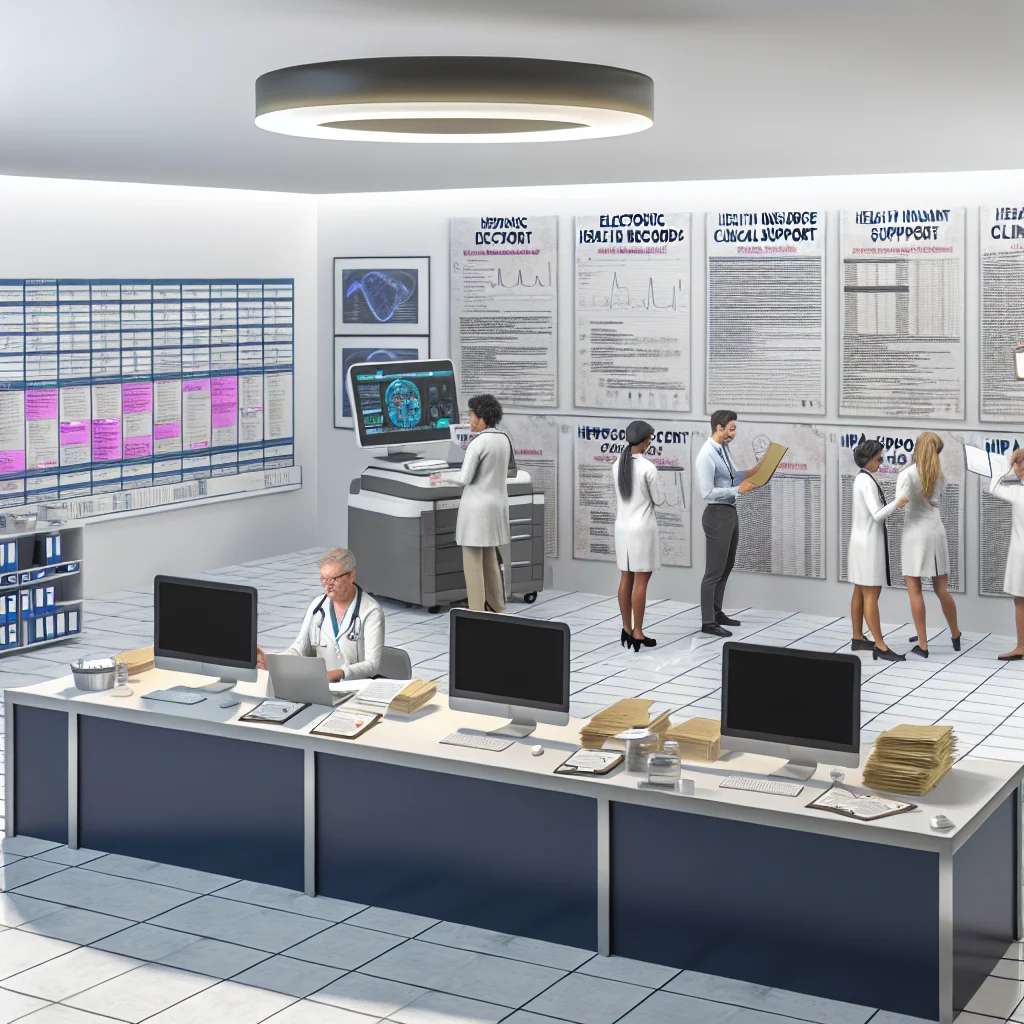
In the rapidly evolving landscape of modern healthcare systems, the integration of clinical support has become a pivotal component in enhancing patient care and operational efficiency. As healthcare institutions strive to meet the increasing demands of patient populations, the role of clinical support has expanded beyond traditional boundaries, encompassing a wide array of functions that are essential for the seamless delivery of healthcare services. This evolution is largely driven by advancements in healthcare information technology, which have enabled more sophisticated and efficient clinical support mechanisms.
Clinical support in modern healthcare systems primarily involves the use of technology and data analytics to assist healthcare professionals in making informed decisions. This support is crucial in ensuring that patient care is both effective and efficient. For instance, electronic health records (EHRs) have revolutionized the way patient information is stored and accessed, allowing for real-time updates and comprehensive data sharing among healthcare providers. This not only reduces the likelihood of errors but also facilitates a more coordinated approach to patient care.
Moreover, clinical decision support systems (CDSS) have emerged as invaluable tools in modern healthcare settings. These systems provide healthcare professionals with evidence-based recommendations and alerts, aiding in the diagnosis and treatment of patients. By integrating vast amounts of medical data, CDSS can offer insights that might not be immediately apparent to clinicians, thereby enhancing the quality of care provided. Furthermore, these systems can help in identifying potential adverse drug interactions and suggest alternative treatment plans, thus safeguarding patient safety.
In addition to technological advancements, the role of clinical support extends to the optimization of healthcare workflows. By streamlining administrative processes and reducing the burden of paperwork, clinical support systems enable healthcare professionals to focus more on patient care. This is particularly important in high-pressure environments such as emergency departments, where time is of the essence. Efficient clinical support systems can significantly reduce wait times and improve patient throughput, ultimately leading to better health outcomes.
Another critical aspect of clinical support in modern healthcare systems is the facilitation of telemedicine and remote patient monitoring. With the advent of digital health technologies, patients can now receive medical consultations and monitoring from the comfort of their homes. This not only increases access to healthcare services, especially for those in remote or underserved areas, but also reduces the strain on healthcare facilities. Clinical support systems play a crucial role in ensuring that remote consultations are as effective as in-person visits, by providing healthcare professionals with the necessary tools and information to deliver high-quality care.
Furthermore, the integration of artificial intelligence (AI) in clinical support systems is poised to transform healthcare delivery. AI algorithms can analyze vast datasets to identify patterns and predict patient outcomes, offering unprecedented insights into patient care. This predictive capability can be instrumental in preventive medicine, allowing healthcare providers to intervene before a condition worsens. As AI technology continues to advance, its role in clinical support is expected to grow, offering even more sophisticated tools for healthcare professionals.
In conclusion, the role of clinical support in modern healthcare systems is multifaceted and continually evolving. By leveraging technology and data analytics, clinical support systems enhance the efficiency and effectiveness of healthcare delivery. As healthcare systems continue to face challenges such as increasing patient loads and resource constraints, the importance of robust clinical support mechanisms cannot be overstated. Through continued innovation and integration, clinical support will remain a cornerstone of modern healthcare, driving improvements in patient care and operational efficiency.
Tech Integration Strategies For Enhanced Healthcare Systems
In the rapidly evolving landscape of healthcare, the integration of technology into healthcare systems has become a pivotal strategy for enhancing patient care, improving operational efficiency, and reducing costs. As healthcare organizations strive to meet the increasing demands of patient care, the adoption of advanced technological solutions is no longer optional but essential. The integration of technology into healthcare systems involves a multifaceted approach that encompasses electronic health records (EHRs), telemedicine, data analytics, and artificial intelligence (AI), among other innovations. Each of these components plays a crucial role in transforming healthcare delivery and ensuring that systems are more responsive to the needs of patients and healthcare providers alike.
To begin with, electronic health records have revolutionized the way patient information is stored and accessed. By digitizing patient records, healthcare providers can easily share and retrieve critical information, thereby enhancing coordination and reducing the likelihood of errors. This seamless access to patient data not only improves the quality of care but also facilitates more informed decision-making. Moreover, EHRs enable healthcare systems to track patient outcomes more effectively, providing valuable insights that can be used to refine treatment protocols and improve overall healthcare delivery.
In addition to EHRs, telemedicine has emerged as a vital component of modern healthcare systems. By leveraging telecommunications technology, telemedicine allows healthcare providers to deliver care remotely, thereby increasing access to medical services, particularly in underserved or rural areas. This approach not only expands the reach of healthcare services but also reduces the burden on physical healthcare facilities. Furthermore, telemedicine offers patients the convenience of receiving care from the comfort of their homes, which can lead to increased patient satisfaction and adherence to treatment plans.
Another critical aspect of technology integration in healthcare is the use of data analytics. By harnessing the power of big data, healthcare organizations can gain deeper insights into patient populations, identify trends, and predict potential health risks. This data-driven approach enables healthcare providers to implement preventive measures, tailor treatments to individual patients, and allocate resources more efficiently. Additionally, data analytics can help identify gaps in care and highlight areas for improvement, ultimately leading to better patient outcomes and more efficient healthcare systems.
Artificial intelligence is also playing an increasingly important role in healthcare technology integration. AI algorithms can analyze vast amounts of data quickly and accurately, assisting healthcare providers in diagnosing diseases, predicting patient outcomes, and personalizing treatment plans. For instance, AI-powered diagnostic tools can detect anomalies in medical images with a high degree of accuracy, aiding radiologists in identifying conditions such as cancer at an early stage. Moreover, AI can streamline administrative tasks, such as scheduling and billing, allowing healthcare professionals to focus more on patient care.
In conclusion, the integration of technology into healthcare systems is a multifaceted strategy that holds the promise of transforming the way healthcare is delivered. By embracing electronic health records, telemedicine, data analytics, and artificial intelligence, healthcare organizations can enhance patient care, improve operational efficiency, and reduce costs. As these technologies continue to evolve, it is imperative for healthcare systems to remain adaptable and open to innovation, ensuring that they can meet the ever-changing needs of patients and providers. Through strategic tech integration, the future of healthcare looks promising, with the potential for more personalized, efficient, and accessible care for all.
EHR Implementation: Transforming Healthcare Systems

The implementation of Electronic Health Records (EHR) has become a pivotal element in transforming healthcare systems worldwide. As healthcare providers strive to enhance patient care, improve efficiency, and reduce costs, the adoption of EHR systems has emerged as a critical strategy. These digital records offer a comprehensive view of a patient’s medical history, facilitating better decision-making and coordination among healthcare professionals. However, the journey towards successful EHR implementation is fraught with challenges that require careful consideration and strategic planning.
To begin with, the transition from paper-based records to digital systems necessitates a significant cultural shift within healthcare organizations. This transformation requires not only technological upgrades but also a change in mindset among healthcare professionals. Training and education are essential components in this process, as they equip staff with the necessary skills to navigate the new systems effectively. Moreover, fostering a culture of adaptability and continuous learning is crucial to ensure that healthcare providers can leverage the full potential of EHR systems.
In addition to cultural changes, the technical aspects of EHR implementation present their own set of challenges. Interoperability, for instance, is a major concern. The ability of different EHR systems to communicate and share information seamlessly is vital for providing comprehensive patient care. Without interoperability, healthcare providers may face difficulties in accessing complete patient information, leading to fragmented care and potential errors. Therefore, it is imperative for healthcare organizations to select EHR systems that adhere to standardized protocols and facilitate data exchange across different platforms.
Furthermore, data security and patient privacy are paramount considerations in the implementation of EHR systems. As healthcare data becomes increasingly digitized, the risk of cyber threats and data breaches escalates. Healthcare organizations must invest in robust security measures to protect sensitive patient information. This includes implementing encryption technologies, conducting regular security audits, and ensuring compliance with relevant regulations such as the Health Insurance Portability and Accountability Act (HIPAA). By prioritizing data security, healthcare providers can build trust with patients and safeguard their personal information.
Despite these challenges, the benefits of EHR implementation are substantial. One of the most significant advantages is the improvement in patient care quality. EHR systems enable healthcare providers to access real-time patient information, leading to more accurate diagnoses and personalized treatment plans. Additionally, EHRs facilitate better coordination among different healthcare providers, reducing the likelihood of redundant tests and procedures. This not only enhances patient outcomes but also contributes to cost savings for both patients and healthcare systems.
Moreover, EHR systems streamline administrative processes, reducing the burden of paperwork and allowing healthcare professionals to focus more on patient care. Automated features such as electronic prescribing and appointment scheduling improve efficiency and reduce the risk of errors. As a result, healthcare providers can allocate their resources more effectively, ultimately enhancing the overall patient experience.
In conclusion, the implementation of EHR systems is a transformative step towards modernizing healthcare systems. While the journey is complex and requires careful planning, the potential benefits in terms of improved patient care, enhanced efficiency, and cost savings are undeniable. By addressing the challenges of cultural change, technical interoperability, and data security, healthcare organizations can successfully navigate the transition to digital records. As the healthcare landscape continues to evolve, EHR systems will play an increasingly vital role in shaping the future of patient care.
Health IT Trends Shaping The Future Of Healthcare Systems
The landscape of healthcare is undergoing a transformative shift, driven by the rapid advancement of information technology. As healthcare systems strive to improve patient outcomes, reduce costs, and enhance operational efficiency, the integration of health IT has become a pivotal component in achieving these goals. One of the most significant trends shaping the future of healthcare systems is the adoption of electronic health records (EHRs). EHRs have revolutionized the way patient information is stored, accessed, and shared among healthcare providers. By digitizing patient records, healthcare systems can ensure that critical information is readily available, thereby improving the quality of care and reducing the likelihood of medical errors.
In addition to EHRs, telemedicine has emerged as a crucial element in modern healthcare delivery. The COVID-19 pandemic accelerated the adoption of telehealth services, highlighting their potential to provide convenient and accessible care to patients, regardless of their location. Telemedicine not only enhances patient engagement but also alleviates the burden on healthcare facilities by reducing the need for in-person visits. As technology continues to evolve, the integration of telehealth with other digital health tools is expected to further streamline healthcare delivery and improve patient satisfaction.
Moreover, the rise of wearable technology and mobile health applications is empowering patients to take a more active role in managing their health. These devices enable continuous monitoring of vital signs and other health metrics, providing valuable data that can be used to personalize treatment plans and promote preventive care. By facilitating real-time communication between patients and healthcare providers, wearable technology is fostering a more collaborative approach to healthcare, ultimately leading to better health outcomes.
Another trend that is gaining traction in healthcare systems is the use of artificial intelligence (AI) and machine learning. These technologies have the potential to revolutionize various aspects of healthcare, from diagnostics to treatment planning. AI algorithms can analyze vast amounts of data to identify patterns and predict outcomes, thereby assisting clinicians in making more informed decisions. Furthermore, machine learning can enhance the accuracy of diagnostic tools, such as imaging systems, by identifying anomalies that may be overlooked by the human eye. As AI continues to advance, its integration into healthcare systems is expected to drive significant improvements in efficiency and patient care.
Data security and privacy remain critical concerns as healthcare systems increasingly rely on digital solutions. The implementation of robust cybersecurity measures is essential to protect sensitive patient information from unauthorized access and breaches. Healthcare organizations must prioritize the development of comprehensive security protocols and invest in advanced technologies to safeguard data integrity. By addressing these challenges, healthcare systems can build trust with patients and ensure the safe and effective use of health IT.
In conclusion, the integration of information technology into healthcare systems is reshaping the way care is delivered and managed. From electronic health records and telemedicine to wearable technology and artificial intelligence, these trends are driving innovation and improving patient outcomes. As healthcare systems continue to evolve, the adoption of health IT will play a crucial role in enhancing the quality, accessibility, and efficiency of care. By embracing these technological advancements, healthcare providers can better meet the needs of patients and navigate the complexities of modern healthcare delivery.
Ensuring HIPAA Compliance In Evolving Healthcare Systems
In the rapidly evolving landscape of healthcare systems, ensuring compliance with the Health Insurance Portability and Accountability Act (HIPAA) remains a critical concern for healthcare providers and organizations. As technology continues to advance, the integration of digital solutions into healthcare practices has become increasingly prevalent, offering numerous benefits such as improved patient care, streamlined operations, and enhanced data management. However, these advancements also bring about significant challenges, particularly in maintaining the privacy and security of patient information.
HIPAA, enacted in 1996, sets the standard for protecting sensitive patient data in the United States. It mandates that healthcare providers, health plans, and other entities that handle protected health information (PHI) implement appropriate safeguards to ensure the confidentiality, integrity, and availability of this data. As healthcare systems evolve, the complexity of maintaining HIPAA compliance grows, necessitating a comprehensive understanding of both the regulatory requirements and the technological solutions available to meet them.
One of the primary challenges in ensuring HIPAA compliance is the increasing use of electronic health records (EHRs) and other digital tools. While these technologies offer significant advantages in terms of accessibility and efficiency, they also present new vulnerabilities. Cybersecurity threats, such as data breaches and ransomware attacks, pose a substantial risk to the security of PHI. Consequently, healthcare organizations must adopt robust security measures, including encryption, access controls, and regular security audits, to protect against unauthorized access and data breaches.
Moreover, the rise of telehealth services, accelerated by the COVID-19 pandemic, has further complicated the compliance landscape. Telehealth platforms must adhere to HIPAA regulations to ensure that virtual consultations and remote monitoring do not compromise patient privacy. This requires healthcare providers to carefully evaluate the security features of telehealth solutions and ensure that they are equipped with end-to-end encryption and secure data transmission protocols.
In addition to technological safeguards, fostering a culture of compliance within healthcare organizations is essential. This involves regular training and education for staff members to ensure they understand the importance of HIPAA compliance and are aware of the best practices for handling PHI. Employees should be trained to recognize potential security threats and understand the procedures for reporting and responding to incidents. By promoting a culture of vigilance and accountability, healthcare organizations can significantly reduce the risk of non-compliance.
Furthermore, as healthcare systems become more interconnected, the sharing of patient information across different entities becomes more common. This interoperability, while beneficial for coordinated care, introduces additional compliance challenges. Healthcare organizations must establish clear data-sharing agreements and ensure that all parties involved adhere to HIPAA regulations. This includes conducting thorough due diligence on third-party vendors and ensuring that business associate agreements are in place to outline the responsibilities and obligations of each party in protecting PHI.
In conclusion, ensuring HIPAA compliance in evolving healthcare systems requires a multifaceted approach that combines technological solutions, staff education, and robust policies and procedures. As healthcare continues to embrace digital transformation, organizations must remain vigilant in safeguarding patient information and adapting to new challenges. By prioritizing compliance and leveraging innovative technologies, healthcare providers can not only protect patient privacy but also enhance the overall quality of care. As the healthcare landscape continues to evolve, maintaining HIPAA compliance will remain a cornerstone of effective and ethical healthcare delivery.
Unlock the future of healthcare with our comprehensive Healthcare IT Insights on 18 cutting-edge healthcare systems. Discover innovative solutions and transform patient care today! Learn more.