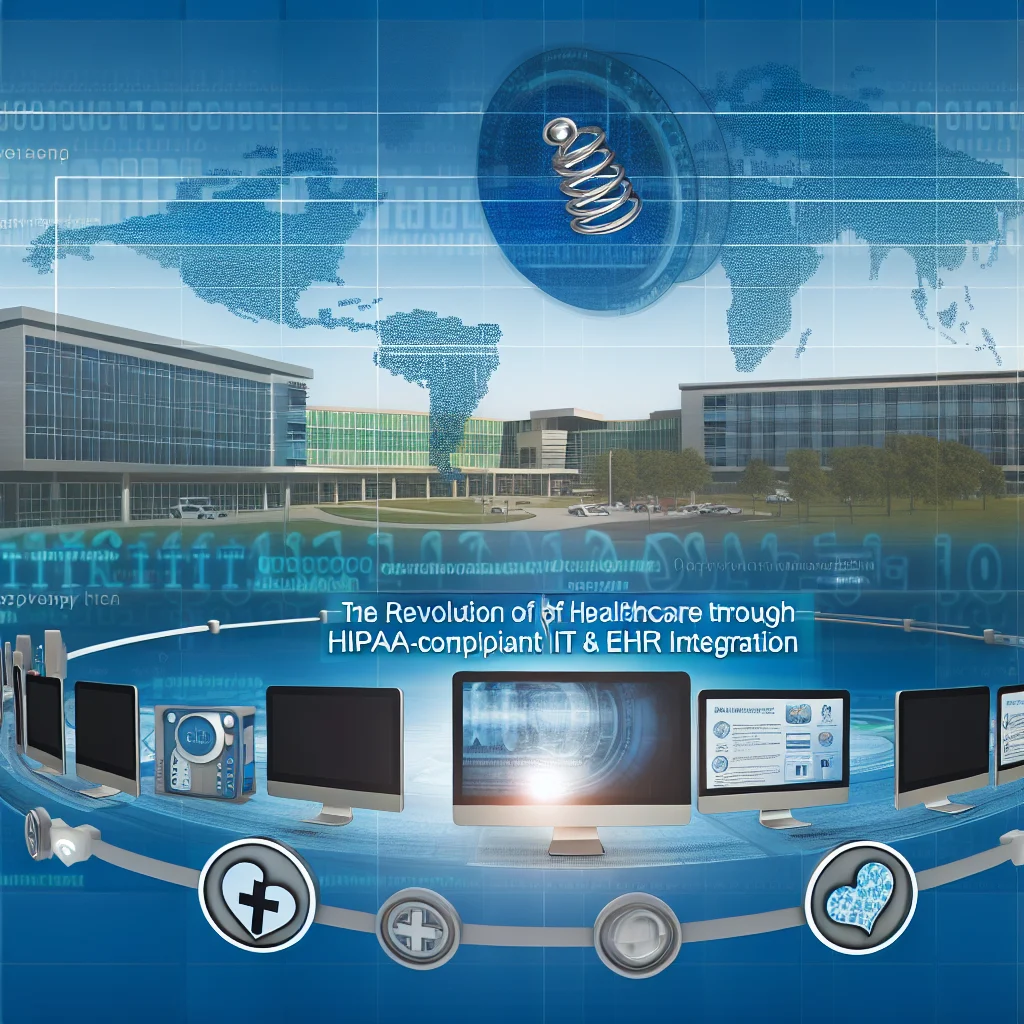
HIPAA Compliance: Ensuring Patient Privacy in Modern Healthcare IT Systems
In the rapidly evolving landscape of healthcare, the integration of modern IT systems has become indispensable. These systems promise enhanced efficiency, improved patient outcomes, and streamlined operations. However, with the increasing reliance on digital solutions, ensuring the privacy and security of patient information has become a paramount concern. The Health Insurance Portability and Accountability Act (HIPAA) serves as a cornerstone in safeguarding patient privacy within the United States, setting the standard for how healthcare providers, insurers, and other entities handle sensitive patient data.
HIPAA compliance is not merely a regulatory obligation but a critical component of patient trust and safety. As healthcare organizations adopt advanced technologies such as electronic health records (EHRs), telemedicine, and cloud computing, they must navigate the complexities of maintaining compliance with HIPAA’s stringent requirements. These requirements include the implementation of administrative, physical, and technical safeguards designed to protect the confidentiality, integrity, and availability of protected health information (PHI).
One of the primary challenges in achieving HIPAA compliance is the dynamic nature of modern IT systems. As these systems evolve, so too do the threats they face. Cybersecurity risks, such as data breaches and ransomware attacks, pose significant threats to patient privacy. Consequently, healthcare organizations must adopt proactive strategies to mitigate these risks. This involves regular risk assessments, employee training programs, and the deployment of robust security measures such as encryption, firewalls, and intrusion detection systems.
Moreover, the rise of telemedicine has introduced new dimensions to HIPAA compliance. Telemedicine platforms must ensure secure communication channels to protect patient data during virtual consultations. This requires the use of end-to-end encryption and secure authentication methods to prevent unauthorized access. Additionally, healthcare providers must obtain explicit patient consent for the use of telemedicine services, ensuring that patients are fully informed about how their data will be used and protected.
Cloud computing, another pillar of modern healthcare IT, offers numerous benefits, including scalability, cost-effectiveness, and enhanced collaboration. However, it also presents unique challenges for HIPAA compliance. Healthcare organizations must carefully select cloud service providers that are HIPAA-compliant and enter into business associate agreements (BAAs) to ensure that these providers adhere to the same standards of data protection. Furthermore, organizations must implement access controls and audit trails to monitor and manage data access within cloud environments.
In addition to technological measures, fostering a culture of compliance within healthcare organizations is essential. This involves cultivating an environment where all employees understand the importance of patient privacy and are committed to upholding HIPAA standards. Regular training sessions, clear communication of policies, and a robust incident response plan are vital components of this culture.
In conclusion, as healthcare systems continue to integrate modern IT strategies, ensuring HIPAA compliance remains a critical priority. By adopting comprehensive security measures, leveraging secure technologies, and fostering a culture of compliance, healthcare organizations can protect patient privacy while reaping the benefits of digital transformation. Ultimately, maintaining HIPAA compliance is not just about avoiding penalties; it is about safeguarding the trust that patients place in their healthcare providers and ensuring the integrity of the healthcare system as a whole.
Enhancing Clinical Support with Advanced Health IT Strategies
In the rapidly evolving landscape of healthcare, the integration of advanced information technology (IT) strategies has become indispensable for enhancing clinical support. As healthcare systems strive to improve patient outcomes, reduce costs, and streamline operations, the role of health IT has expanded significantly. This transformation is driven by the need to manage vast amounts of data, facilitate seamless communication among healthcare providers, and ensure the delivery of high-quality care. Consequently, healthcare organizations are increasingly adopting sophisticated IT solutions to address these challenges and enhance clinical support.
One of the primary ways advanced health IT strategies enhance clinical support is through the implementation of electronic health records (EHRs). EHRs have revolutionized the way patient information is stored, accessed, and shared. By digitizing patient records, healthcare providers can quickly retrieve critical information, leading to more informed decision-making and improved patient care. Moreover, EHRs facilitate better coordination among healthcare teams, as they provide a centralized platform for sharing patient data. This seamless exchange of information is crucial in ensuring continuity of care, particularly for patients with complex medical conditions requiring input from multiple specialists.
In addition to EHRs, clinical decision support systems (CDSS) play a pivotal role in enhancing clinical support. These systems leverage data analytics and artificial intelligence to provide healthcare professionals with evidence-based recommendations at the point of care. By analyzing patient data and comparing it with established clinical guidelines, CDSS can alert providers to potential issues, such as drug interactions or deviations from standard treatment protocols. This proactive approach not only enhances patient safety but also supports clinicians in making more accurate diagnoses and treatment plans.
Telemedicine is another advanced IT strategy that has gained prominence in recent years, particularly in the wake of the COVID-19 pandemic. By enabling remote consultations, telemedicine expands access to healthcare services, especially for patients in rural or underserved areas. This technology not only reduces the need for in-person visits but also allows for continuous monitoring of patients with chronic conditions. As a result, healthcare providers can offer timely interventions, ultimately improving patient outcomes and reducing hospital readmissions.
Furthermore, the integration of wearable technology and mobile health applications into healthcare systems is transforming the way clinical support is delivered. These tools empower patients to take an active role in managing their health by providing real-time data on vital signs, physical activity, and medication adherence. Healthcare providers can leverage this data to monitor patients remotely, identify potential health issues early, and tailor interventions to individual needs. This personalized approach to care enhances patient engagement and fosters a collaborative relationship between patients and providers.
Despite the numerous benefits of advanced health IT strategies, challenges remain in their implementation. Data security and privacy concerns are paramount, as healthcare organizations must ensure that patient information is protected from unauthorized access. Additionally, the integration of new technologies into existing systems can be complex and resource-intensive. To address these challenges, healthcare organizations must invest in robust cybersecurity measures and provide comprehensive training for staff to effectively utilize these technologies.
In conclusion, advanced health IT strategies are instrumental in enhancing clinical support within healthcare systems. By leveraging technologies such as EHRs, CDSS, telemedicine, and wearable devices, healthcare providers can improve patient care, streamline operations, and reduce costs. As the healthcare landscape continues to evolve, the adoption of innovative IT solutions will be crucial in meeting the demands of modern healthcare delivery.
EHR Innovations: Transforming Medical Data Management in Healthcare
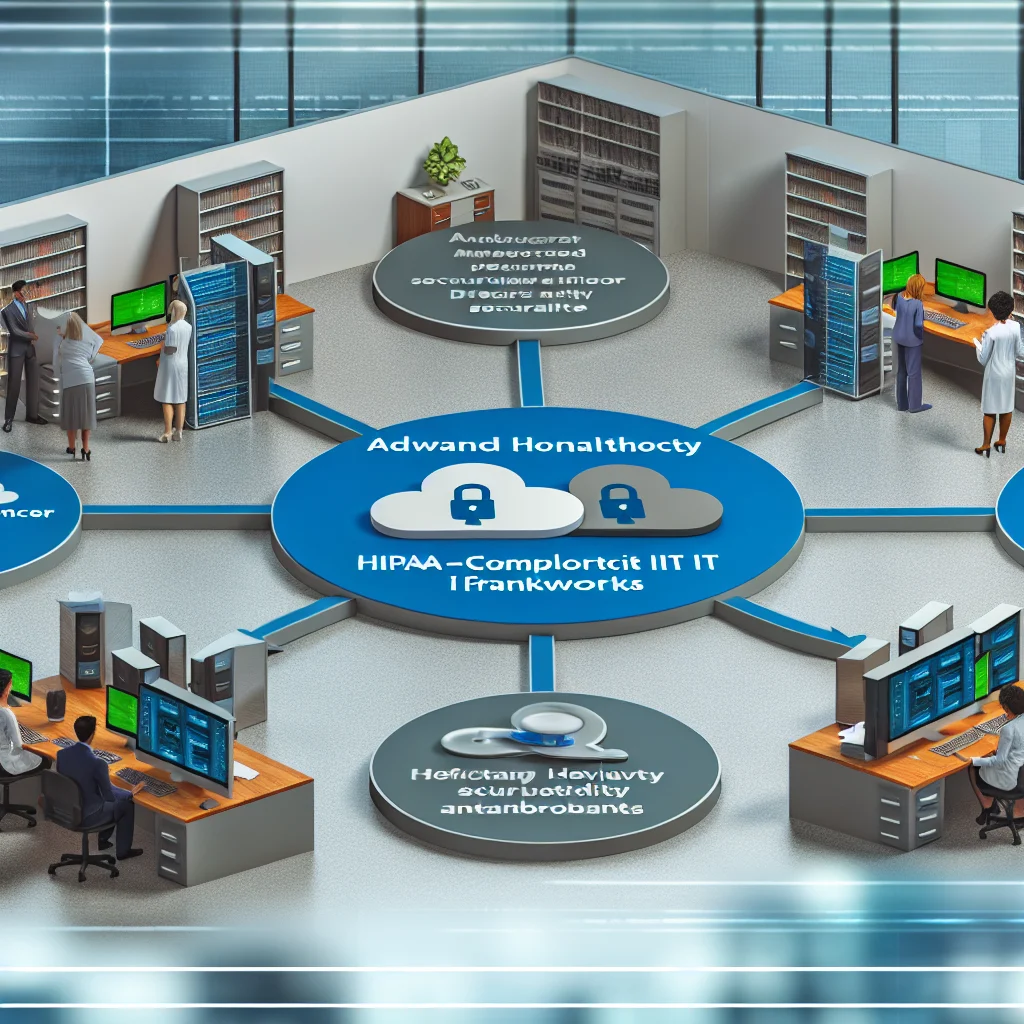
In recent years, the healthcare industry has witnessed a significant transformation in the way medical data is managed, largely due to innovations in Electronic Health Records (EHR). These digital systems have revolutionized the storage, retrieval, and sharing of patient information, thereby enhancing the efficiency and quality of healthcare delivery. As healthcare systems increasingly adopt modern IT strategies, the role of EHR innovations becomes even more critical in shaping the future of medical data management.
One of the primary advantages of EHR systems is their ability to provide a comprehensive and accurate record of a patient’s medical history. This capability not only facilitates better clinical decision-making but also reduces the likelihood of medical errors. By integrating various data points such as lab results, medication lists, and treatment plans, EHRs offer healthcare providers a holistic view of a patient’s health status. Consequently, this integration supports more informed and timely interventions, ultimately improving patient outcomes.
Moreover, EHR innovations have significantly enhanced the interoperability of healthcare systems. Through standardized data formats and communication protocols, EHRs enable seamless information exchange across different healthcare providers and institutions. This interoperability is crucial in ensuring continuity of care, especially for patients who require services from multiple specialists or facilities. As a result, healthcare providers can collaborate more effectively, leading to coordinated care plans that address the comprehensive needs of patients.
In addition to improving clinical workflows, EHR systems have also streamlined administrative processes within healthcare organizations. By automating routine tasks such as appointment scheduling, billing, and insurance claims processing, EHRs reduce the administrative burden on healthcare staff. This automation not only increases operational efficiency but also allows healthcare professionals to devote more time to patient care. Furthermore, the digitization of medical records minimizes the risk of data loss and enhances the security of sensitive patient information.
Despite these advancements, the implementation of EHR systems is not without challenges. One of the primary concerns is the significant financial investment required for the adoption and maintenance of these systems. Healthcare organizations must allocate substantial resources to ensure that their EHR systems are up-to-date and compliant with regulatory standards. Additionally, the transition from paper-based records to digital systems necessitates comprehensive training for healthcare staff to effectively utilize EHR functionalities.
Another challenge lies in addressing the privacy and security concerns associated with electronic medical records. As EHR systems store vast amounts of sensitive patient data, they become attractive targets for cyberattacks. Therefore, healthcare organizations must implement robust cybersecurity measures to protect patient information from unauthorized access and breaches. This includes employing encryption technologies, conducting regular security audits, and fostering a culture of data privacy awareness among staff.
Looking ahead, the future of EHR innovations holds promising potential for further transforming medical data management. Emerging technologies such as artificial intelligence and machine learning are poised to enhance the analytical capabilities of EHR systems, enabling predictive insights and personalized treatment plans. Additionally, the integration of telemedicine and mobile health applications with EHRs is expected to expand access to healthcare services, particularly in remote and underserved areas.
In conclusion, EHR innovations have played a pivotal role in modernizing medical data management within healthcare systems. By improving the accuracy, accessibility, and interoperability of patient information, these digital systems have laid the foundation for more efficient and effective healthcare delivery. As the industry continues to embrace modern IT strategies, the ongoing evolution of EHR technologies will undoubtedly shape the future landscape of healthcare, ultimately benefiting both providers and patients alike.
Emerging Health IT Trends: Shaping the Future of Healthcare Systems
In the rapidly evolving landscape of healthcare, the integration of modern IT strategies is becoming increasingly pivotal. As healthcare systems strive to enhance patient care, improve operational efficiency, and reduce costs, emerging health IT trends are playing a crucial role in shaping the future of these systems. One of the most significant trends is the adoption of electronic health records (EHRs), which has revolutionized the way patient information is stored, accessed, and shared. EHRs facilitate seamless communication among healthcare providers, ensuring that patient data is readily available and up-to-date, thereby improving the quality of care and reducing the likelihood of medical errors.
Moreover, the rise of telemedicine has transformed patient-provider interactions, making healthcare more accessible, especially for those in remote or underserved areas. Telemedicine leverages digital communication tools to provide clinical services from a distance, offering patients the convenience of receiving care without the need to travel. This trend has gained momentum, particularly in the wake of the COVID-19 pandemic, which necessitated the rapid adoption of remote healthcare solutions. As telemedicine continues to evolve, it is expected to become an integral component of healthcare delivery, offering a viable solution to the challenges of accessibility and resource allocation.
In addition to telemedicine, the integration of artificial intelligence (AI) in healthcare is another emerging trend that holds immense potential. AI technologies are being utilized to enhance diagnostic accuracy, predict patient outcomes, and personalize treatment plans. Machine learning algorithms, for instance, can analyze vast amounts of data to identify patterns and correlations that may not be immediately apparent to human clinicians. This capability not only aids in early disease detection but also supports the development of targeted therapies, ultimately leading to improved patient outcomes.
Furthermore, the Internet of Medical Things (IoMT) is reshaping healthcare systems by connecting medical devices and applications to the internet, enabling real-time monitoring and data collection. Wearable devices, such as smartwatches and fitness trackers, are becoming increasingly popular, providing patients and healthcare providers with valuable insights into health metrics like heart rate, activity levels, and sleep patterns. This continuous flow of data allows for proactive health management and timely interventions, potentially preventing the onset of more serious conditions.
Cybersecurity, however, remains a critical concern as healthcare systems become more digitized. The protection of sensitive patient information is paramount, and healthcare organizations must implement robust security measures to safeguard against data breaches and cyberattacks. This includes employing advanced encryption techniques, conducting regular security audits, and fostering a culture of cybersecurity awareness among staff. As the healthcare industry continues to embrace digital transformation, ensuring the security and privacy of patient data will be essential to maintaining trust and compliance with regulatory standards.
In conclusion, the integration of modern IT strategies into healthcare systems is driving significant advancements in the industry. From the widespread adoption of EHRs and telemedicine to the innovative applications of AI and IoMT, these emerging trends are poised to enhance the quality, accessibility, and efficiency of healthcare delivery. However, as these technologies continue to evolve, it is imperative for healthcare organizations to address the associated challenges, particularly in the realm of cybersecurity. By doing so, they can harness the full potential of health IT to create a more connected, patient-centric healthcare ecosystem that meets the needs of the 21st century.
Tech Integration in Healthcare: Bridging the Gap Between IT and Patient Care
In recent years, the integration of information technology within healthcare systems has become a pivotal factor in enhancing patient care and operational efficiency. As healthcare organizations strive to meet the increasing demands of patient-centered care, the role of IT has evolved from a supportive function to a strategic partner in delivering quality healthcare services. This transformation is driven by the need to bridge the gap between traditional healthcare practices and modern technological advancements, ensuring that patient care is both effective and efficient.
One of the primary ways IT is transforming healthcare is through the implementation of electronic health records (EHRs). EHRs have revolutionized the way patient information is stored, accessed, and shared among healthcare providers. By digitizing patient records, healthcare professionals can access comprehensive patient histories at the click of a button, facilitating more informed decision-making and reducing the likelihood of medical errors. Moreover, EHRs enable seamless communication between different departments and even across different healthcare facilities, ensuring continuity of care and improving patient outcomes.
In addition to EHRs, telemedicine has emerged as a critical component of modern healthcare IT strategies. Telemedicine leverages digital communication tools to provide remote clinical services, making healthcare more accessible to patients, particularly those in rural or underserved areas. This technology not only reduces the need for in-person visits but also allows for real-time consultations, diagnosis, and treatment, thereby enhancing the overall patient experience. Furthermore, telemedicine has proven invaluable during public health emergencies, such as the COVID-19 pandemic, by minimizing the risk of infection while maintaining essential healthcare services.
Another significant advancement in healthcare IT is the use of data analytics to drive decision-making and improve patient care. By harnessing the power of big data, healthcare organizations can identify trends, predict patient outcomes, and tailor treatments to individual needs. Predictive analytics, for instance, can help identify patients at risk of developing chronic conditions, allowing for early intervention and personalized care plans. This proactive approach not only improves patient health but also reduces healthcare costs by preventing the progression of diseases.
Moreover, the integration of artificial intelligence (AI) into healthcare systems is opening new frontiers in patient care. AI algorithms can analyze vast amounts of data quickly and accurately, assisting healthcare professionals in diagnosing diseases, developing treatment plans, and even performing complex surgeries. For example, AI-powered imaging tools can detect anomalies in medical scans with greater precision than the human eye, leading to earlier and more accurate diagnoses. As AI technology continues to advance, its potential to enhance patient care and streamline healthcare operations is immense.
Despite these advancements, the integration of IT in healthcare is not without challenges. Issues such as data security, patient privacy, and the digital divide must be addressed to ensure that technology enhances rather than hinders patient care. Healthcare organizations must invest in robust cybersecurity measures to protect sensitive patient information from breaches and unauthorized access. Additionally, efforts must be made to ensure that all patients, regardless of their socioeconomic status, have access to the benefits of healthcare IT.
In conclusion, the integration of IT into healthcare systems is a dynamic and ongoing process that holds great promise for improving patient care. By embracing technologies such as EHRs, telemedicine, data analytics, and AI, healthcare organizations can bridge the gap between traditional practices and modern innovations. As these technologies continue to evolve, they will undoubtedly play an increasingly vital role in shaping the future of healthcare, ultimately leading to better health outcomes for patients worldwide.
Unlock the future of healthcare with cutting-edge IT strategies! Dive into “Healthcare IT Insights: Healthcare systems and Modern IT Strategies (9)” to revolutionize your approach. Explore now.