Act swiftly to protect your business from further damage! Discover essential steps to take if your business falls victim to a ransomware attack by visiting Comptss now.
Ransomware Response Steps: Immediate Actions to Protect Your Business
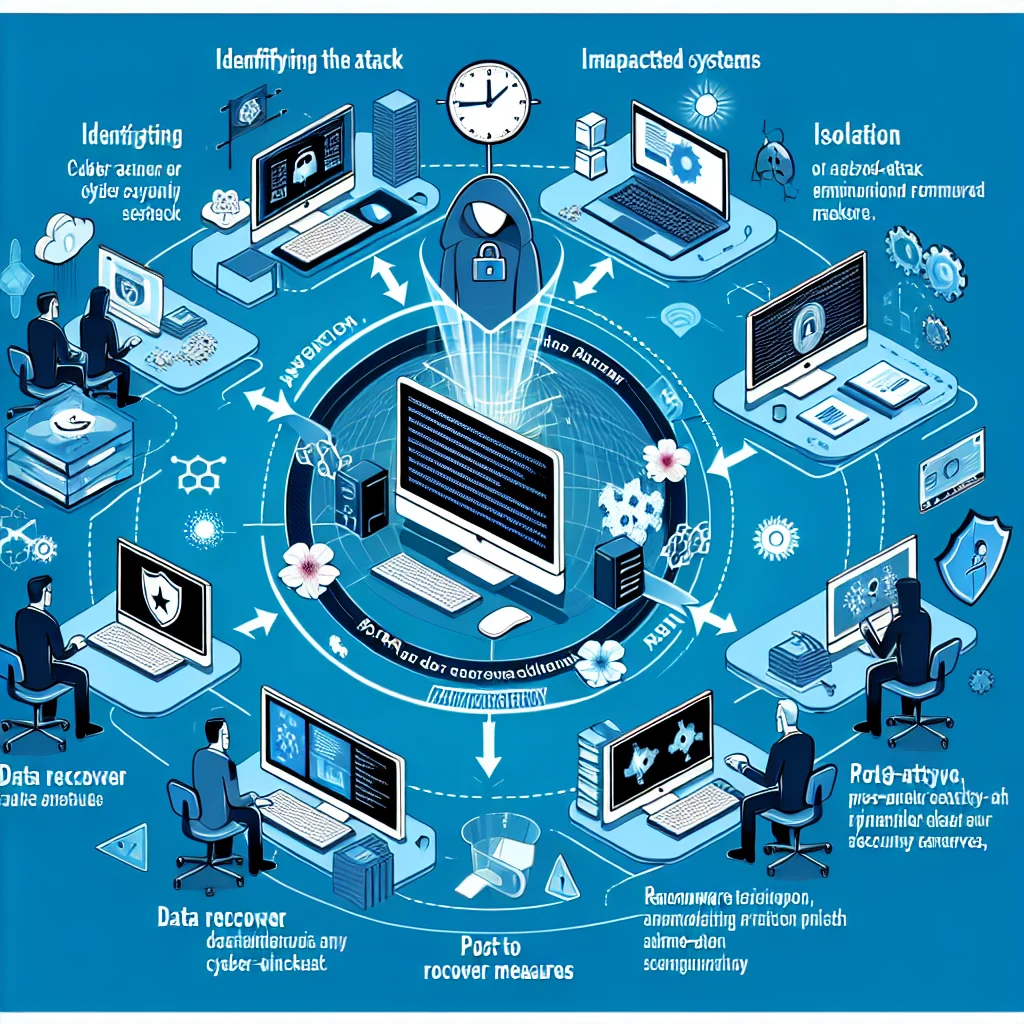
In the unfortunate event that your business falls victim to a ransomware attack, it is crucial to act swiftly and decisively to mitigate the damage and protect your assets. The first step is to isolate the affected systems immediately. Disconnecting infected computers and devices from the network can prevent the ransomware from spreading further, thereby containing the threat. This action is vital in preserving the integrity of your remaining data and systems. Simultaneously, it is important to inform your IT department or managed service provider about the incident. Their expertise will be invaluable in assessing the situation and implementing a strategic response.
Once isolation is achieved, the next step involves identifying the type of ransomware that has infiltrated your systems. Understanding the specific strain can provide insights into its behavior and potential decryption solutions. Resources such as cybersecurity forums and databases can be instrumental in this identification process. However, it is essential to approach this step with caution, as interacting with the ransomware can sometimes exacerbate the situation. Therefore, consulting with cybersecurity professionals is advisable to ensure accurate identification and appropriate handling.
Following identification, it is imperative to report the attack to the relevant authorities. Notifying law enforcement agencies, such as the FBI or local cybercrime units, can aid in the broader effort to combat ransomware. These agencies may also offer guidance and support during the recovery process. Additionally, informing regulatory bodies may be necessary, especially if sensitive customer data is involved. Compliance with legal obligations not only helps in maintaining transparency but also protects your business from potential legal repercussions.
As you navigate these initial steps, it is crucial to avoid paying the ransom. While the pressure to restore operations quickly can be overwhelming, paying the ransom does not guarantee data recovery and may encourage further criminal activity. Instead, focus on restoring your systems from backups. If your business has implemented a robust backup strategy, this can be a lifeline in recovering lost data. Ensure that backups are clean and free from infection before initiating the restoration process. In cases where backups are unavailable or compromised, professional data recovery services may offer alternative solutions.
Throughout this process, communication is key. Keeping stakeholders, including employees, customers, and partners, informed about the situation and your response efforts can help maintain trust and manage expectations. Transparency about the steps being taken to resolve the issue and prevent future incidents is essential in preserving your business’s reputation.
In the aftermath of a ransomware attack, conducting a thorough post-incident analysis is crucial. This involves reviewing the attack vector, assessing the effectiveness of your response, and identifying areas for improvement. Strengthening your cybersecurity posture by implementing enhanced security measures, such as advanced threat detection systems and employee training programs, can help prevent future attacks. Regularly updating software and systems, along with conducting routine security audits, will further bolster your defenses.
In conclusion, while falling victim to a ransomware attack can be a daunting experience, taking immediate and strategic actions can significantly mitigate the impact on your business. By isolating affected systems, identifying the ransomware, reporting the incident, avoiding ransom payments, and focusing on recovery and communication, you can navigate the crisis effectively. Moreover, learning from the experience and fortifying your cybersecurity measures will better prepare your business for any future threats.
Recover from Ransomware: A Comprehensive Guide to Cyber Incident Recovery
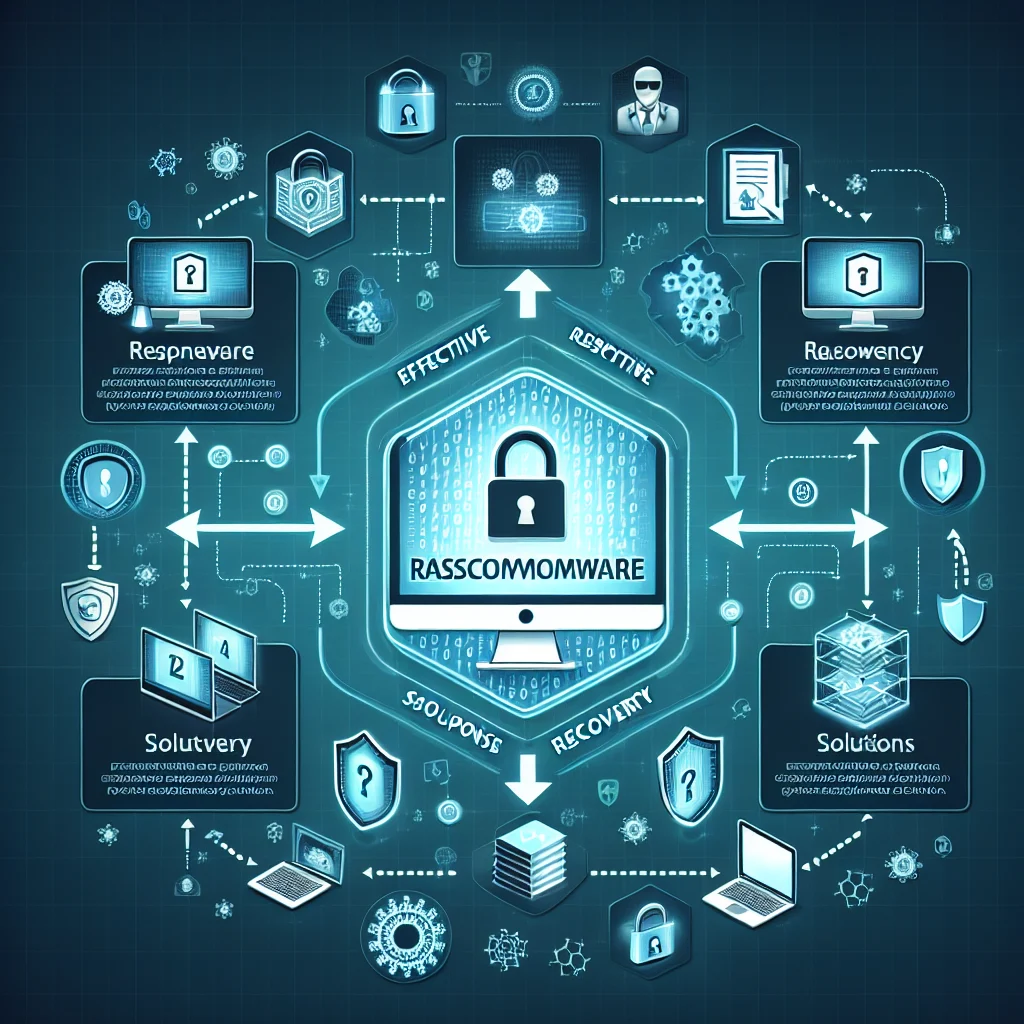
In the unfortunate event that your business falls victim to a ransomware attack, it is crucial to act swiftly and strategically to mitigate the damage and recover effectively. The first step is to isolate the affected systems to prevent the ransomware from spreading further across your network. Disconnecting infected devices from the internet and other network connections can help contain the threat. Simultaneously, it is essential to inform your IT team or cybersecurity experts immediately, as their expertise will be invaluable in navigating the complexities of the situation.
Once containment is underway, assess the scope of the attack by identifying which systems and data have been compromised. This assessment will guide your recovery efforts and help prioritize actions. It is also advisable to document every detail of the attack, including the type of ransomware, any ransom demands, and the impact on your operations. This documentation will be crucial for reporting the incident to law enforcement and may assist in future investigations.
While it may be tempting to pay the ransom to regain access to your data, experts generally advise against this course of action. Paying the ransom does not guarantee that your data will be restored, and it may encourage further criminal activity. Instead, focus on restoring your systems from backups. If your business has maintained regular and secure backups, you can recover your data without succumbing to the attackers’ demands. Ensure that these backups are free from infection before proceeding with restoration.
In parallel with recovery efforts, it is important to communicate transparently with stakeholders, including employees, customers, and partners. Inform them of the situation, the steps being taken to address it, and any potential impact on their data or services. Clear communication can help maintain trust and minimize reputational damage.
As you work towards recovery, consider engaging with cybersecurity professionals who specialize in ransomware incidents. These experts can provide valuable insights into the attack, assist with decryption if possible, and help strengthen your defenses against future threats. Additionally, they can conduct a thorough forensic analysis to understand how the breach occurred and identify any vulnerabilities that need to be addressed.
Once your systems are restored and secure, take the opportunity to review and enhance your cybersecurity measures. Implementing robust security protocols, such as multi-factor authentication, regular software updates, and employee training on phishing and other cyber threats, can significantly reduce the risk of future attacks. Furthermore, consider investing in cybersecurity insurance to provide financial protection against potential losses from cyber incidents.
Reflecting on the incident, it is crucial to develop a comprehensive incident response plan if one is not already in place. This plan should outline clear procedures for detecting, responding to, and recovering from cyberattacks, ensuring that your business is better prepared for any future incidents. Regularly testing and updating this plan will help ensure its effectiveness.
In conclusion, while falling victim to a ransomware attack can be a daunting experience, a methodical and informed approach can facilitate recovery and strengthen your business’s resilience against future threats. By isolating affected systems, leveraging backups, engaging with experts, and enhancing cybersecurity measures, your business can navigate the challenges of a ransomware attack and emerge more secure and prepared for the digital landscape.
Ransomware Attack Solutions: IT Help and Strategies for Business Resilience
In the unfortunate event that your business falls victim to a ransomware attack, it is crucial to act swiftly and strategically to mitigate damage and restore operations. Ransomware attacks, which involve malicious software encrypting your data and demanding a ransom for its release, can be devastating. However, with the right approach, you can navigate this crisis effectively. Initially, it is essential to isolate the affected systems to prevent the ransomware from spreading further. Disconnecting infected devices from the network can help contain the attack, safeguarding other parts of your IT infrastructure. This immediate action is critical in limiting the scope of the damage.
Once containment is achieved, it is advisable to assess the extent of the attack. Conducting a thorough investigation will help you understand which systems and data have been compromised. This assessment should be carried out by your IT team or, if necessary, a specialized cybersecurity firm. Engaging experts can provide a more comprehensive analysis and ensure that no aspect of the attack is overlooked. During this phase, it is also important to preserve evidence for potential legal action or insurance claims. Documenting the attack meticulously can be invaluable in the aftermath.
Following the assessment, communication becomes a key component of your response strategy. Informing stakeholders, including employees, customers, and partners, about the attack is crucial. Transparency helps maintain trust and allows those affected to take necessary precautions. Additionally, notifying law enforcement and relevant regulatory bodies is often required and can aid in broader efforts to combat cybercrime. While communication is underway, it is vital to focus on recovery efforts. If you have reliable backups, restoring your systems from these backups is the most effective way to regain access to your data without succumbing to ransom demands. Regularly updated and tested backups are a cornerstone of business resilience against ransomware attacks.
In cases where backups are unavailable or compromised, decryption tools may offer a solution. Some cybersecurity organizations provide free decryption tools for certain types of ransomware. However, these tools are not universally applicable, and their effectiveness depends on the specific strain of ransomware involved. Consulting with cybersecurity professionals can help determine the best course of action in such scenarios. It is generally advised against paying the ransom, as it does not guarantee data recovery and may encourage further criminal activity.
Beyond immediate recovery, it is imperative to strengthen your cybersecurity posture to prevent future attacks. Conducting a post-incident review can identify vulnerabilities that were exploited and inform necessary improvements. Implementing robust security measures, such as regular software updates, employee training, and advanced threat detection systems, can significantly enhance your defenses. Furthermore, developing a comprehensive incident response plan ensures that your business is better prepared for any future cyber threats.
In conclusion, while a ransomware attack can be a daunting challenge, a structured and informed response can mitigate its impact. By isolating affected systems, assessing the damage, communicating transparently, and focusing on recovery, your business can navigate the crisis effectively. Moreover, by learning from the incident and bolstering your cybersecurity measures, you can build resilience against future attacks, safeguarding your business’s operations and reputation.